
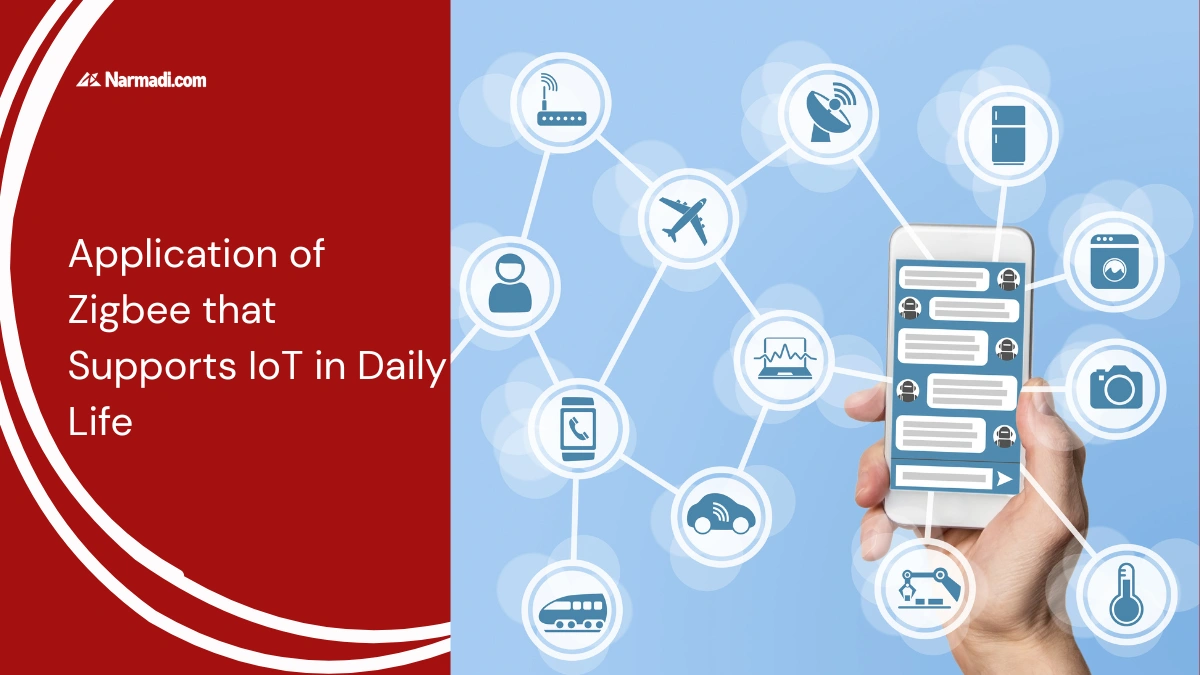

Zigbee innovation continues to evolve in support of increasing digitalization. Its application is designed to support the Internet of Things (IoT) in everyday life.
The most common application of Zigbee with which we are familiar is its use in smart homes. In fact, this technology is utilized in many other areas, ranging from industrial control to medical monitoring.
In this article, we will share 7 application of Zigbee that support IoT in everyday life.
Application of Zigbee in Daily Life

Zigbee-based sensor networks are widely used and can help achieve goals more effectively. Applications of Zigbee technology include smart homes, industrial control, automatic meter reading, medical monitoring, sensor network applications, telecommunications applications, and warehouse logistics systems.
Here are 7 application of Zigbee in everyday life:
1. Smart homes
There are many Zigbee applications in electrical and electronic devices in the home. Examples include lights, televisions, refrigerators, washing machines, computers, air conditioners, and other household appliances.
The application of Zigbee wireless communication technology in smart home devices can increase user comfort and reduce household operating costs. Additionally, this wireless communication technology also offers a practical anti-signal interference function, thereby reducing signal interference for other users.
2. Smart apartments
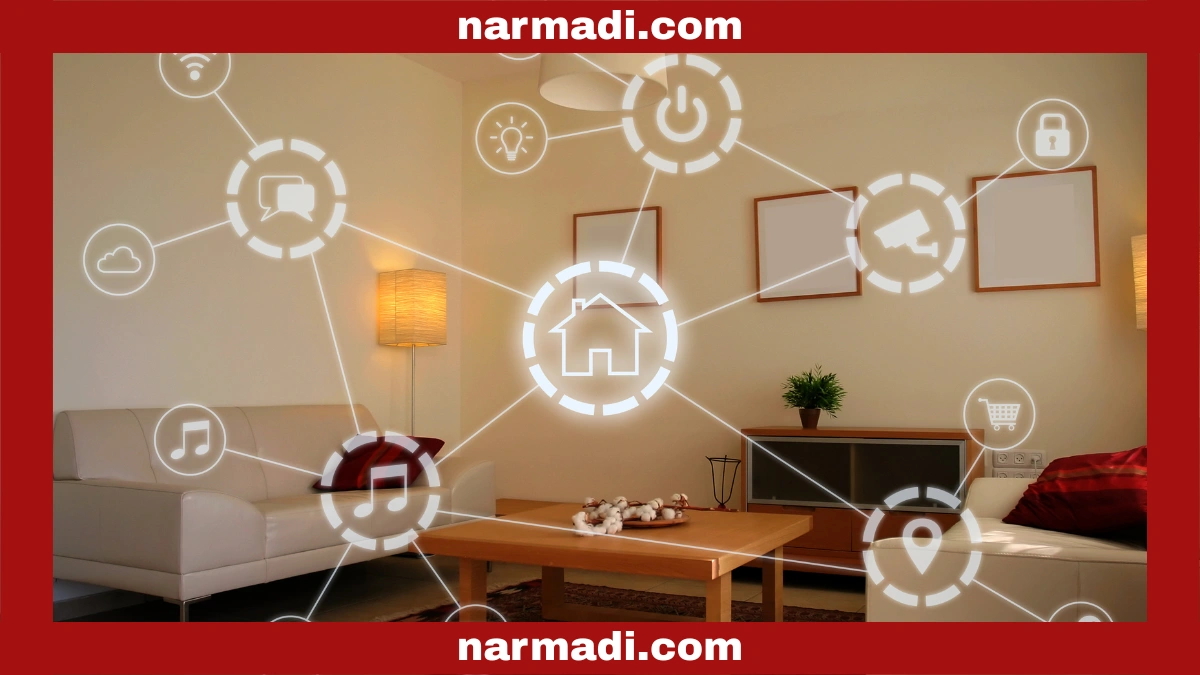
The application of Zigbee in smart apartments is designed to provide residents with a diverse range of lifestyle options. For example, increasing rent for residents, saving energy, and collecting valuable data on the resident population in return.
This smart apartment solution is primarily intended for channel dealers and apartment managers. Examples of its use include Zigbee gateway hubs, access control systems, smart locks, thermostats, smart meters, liquid leak sensors, human motion sensors, smart outlets, and smart switches.
3. Sensor network applications
Sensor networks are also the focus of current research and have promising applications in various fields. Examples include goods tracking, building monitoring, and environmental protection.
Zigbee is an ideal technical choice for sensor network applications thanks to its advantages in networking and low power consumption. In addition, sensor systems utilize efficient control, programmed organization, basic maintenance, and reliable quality.
4. Automatic meter reading
Zigbee is also used for automatic meter reading. The Zigbee network transmits meter readings as digital signals directly to gas or water providers via sensors.
The use of Zigbee for meter reading also offers other benefits. For example, gas or water companies can send information directly to users or combine it with energy-saving programs.
This system can automatically reduce usage speed when it detects that energy is being used too quickly.
5. Warehouse Logistics System

With the development of warehousing and logistics systems, the demand for seamless data transmission systems is on the rise. ZigBee is a wireless network that is well-suited for warehousing and logistics systems thanks to its security, reliability, multi-path routing, and other characteristics.
Among other things, ZigBee is used to overcome the difficulty of ensuring transmission distance with traditional wireless communication protocols. It is typically implemented in places such as warehouses and logistics facilities.
6. Smart elderly care
Zigbee is also widely used in the field of smart elderly care. IoT-based elderly care solutions at home enable seniors to live independently for longer.
This system can monitor the activity patterns of seniors and also protect their safety. The system utilizes non-intrusive wireless sensors, installed throughout the home, to analyze the daily behavior patterns of seniors and detect changes in behavior that may raise concern.
7. Medical monitoring
Electronic medical monitoring is the latest research center. Many sensors are attached to a person’s body to measure various physiological parameters, including pulse, blood pressure, and health conditions.
Monitors and alarms are also installed in hospital wards to monitor physical conditions continuously. If a problem occurs, a response can be made quickly, for example, by notifying hospital staff.
Through ZigBee technology, these sensors, monitors, and alarms can be connected to form a monitoring network. Because this is wireless technology, no cable connection is required between the sensors, and the person being monitored can move freely.
That is how the application of Zigbee supports IoT in everyday life. With this, we can gain a deeper understanding of the practical applications of this technology. [UN]