

All devices operating on Radio Frequency (RF) in Indonesia must ensure their quality, safety, and compliance with applicable regulations through testing standards. This includes the inkjet printer expired date, which must meet the main requirements through a standard testing process.
The standard inkjet printer expired date testing process is stated in the Ministerial Decree of the Ministry of Communication and Digital No. 260 of 2024, which regulates various technical aspects, ranging from radio frequency, and transmit power, to testing methods.
This article will fully discuss inkjet printer expired date testing standards based on the latest regulations, including the certification steps you need to know.
New Regulations on Inkjet Printer Expired Date Technology

Ministerial Decree of the Ministry of Communication and Digital No. 260 of 2024 establishes technical standards that must be met by inkjet printer expired date devices to be used legally in Indonesia.
This regulation covers radio frequency requirements, maximum transmit power, and testing for wild emissions (spurious emissions).
The following are the standard specifications:
| Operating Frequency Band | Transmission Power | Spurious Emissions | Testing Methods |
| 16 – 150 kHz | ≤ 66 dBµA/m at a distance of 10 meters | EN 300 330 | EN 300 330 |
| 6765 – 6795 kHz | ≤ 42 dBµA/m at a distance of 10 meters | EN 300 330 | EN 300 330 |
| 7400 – 8800 kHz | ≤ 9 dBµA/m at a distance of 10 meters | EN 300 330 | EN 300 330 |
| 13.553 – 13.567 MHz | ≤ 20 dBm ERP or ≤ 9 dBµA/m at a distance of 10 meters | EN 300 330 | EN 300 330 |
| 433 – 434.79 MHz | ≤ 20 dBm ERP | EN 300 220 | EN 300 220 |
| 920 – 923 MHz | ≤ 26.02 dBm EIRP | EN 300 220 | EN 300 220 |
| 2400 – 2483.5 MHz | ≤ 20 dBm EIRP | EN 300 440 | EN 300 44 |
Inkjet Printer Expired Date Testing Standards
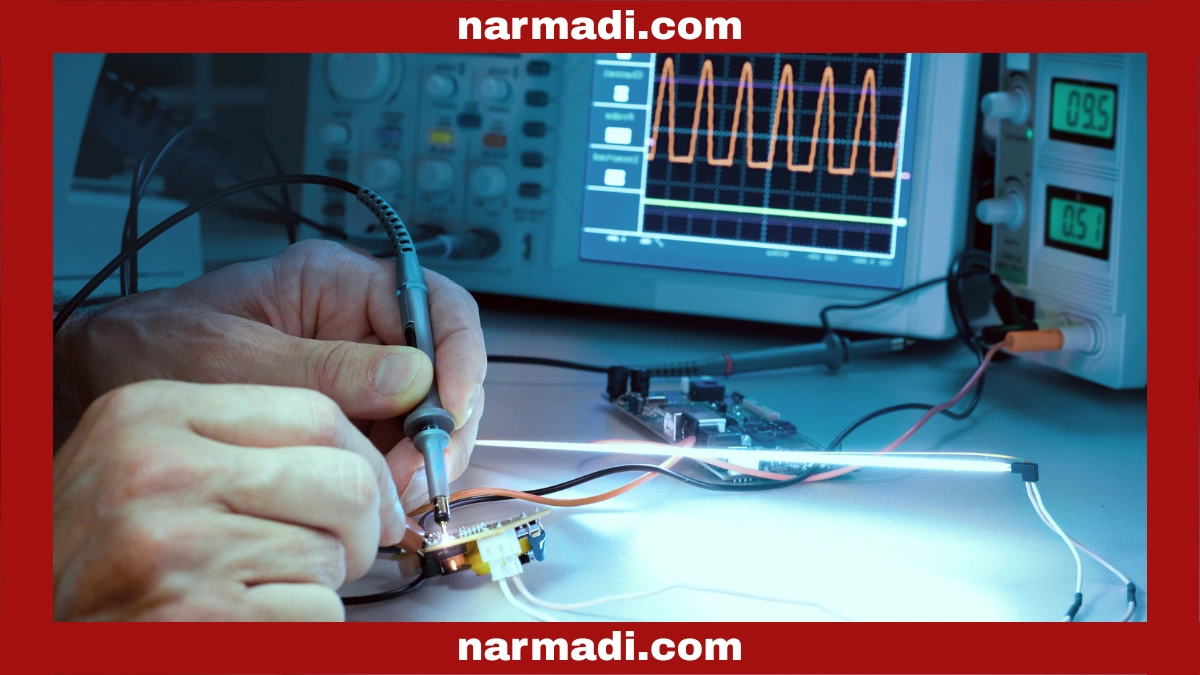
The ministerial Decree of the Ministry of Communication and Digital No. 260 of 2024 refers to international standards-based test methods, such as those established by the FCC, EN, and ANSI. Here are some of the main testing methods:
- Transmit power testing (RF output power): Ensure the device does not exceed the maximum transmit power limit according to its frequency band.
- Spurious emission testing: Tests stray frequency emissions outside the working band to prevent interference with other devices.
- Electromagnetic Compatibility (EMC) Testing: Evaluates the device’s compatibility with its surrounding electromagnetic environment to prevent interference.
Additional technical requirements
Apart from testing transmittance and emissions, the Ministerial Decree of the Ministry of Communication and Digital No. 260 of 2024 also regulates several other technical requirements, including:
- Electrical safety: The device must comply with the electrical safety standards set out in SNI IEC 60950-1:2016; SNI IEC 62368-1:2014; SNI 04-6253; IEC 62368-1; IEC 60950-1; IEC 60065; or relevant SNI or IEC standards, for SRD other than audio, video, and information and communication technology (ICT).
- Non-Ionizing Radiation: Controls device radiation levels to ensure they are safe for users and the environment.
Type Approval and Certification Process in Indonesia

For inkjet printer expired date devices to be used legally in Indonesia, certification from DJID is required. Here are the steps to get it:
Pre-testing the device
Before official testing, the device must be pre-tested first using measuring equipment such as a spectrum analyzer.
This helps ensure devices meet technical standards before being tested in authorized laboratories.
Testing at an official laboratory
After passing the pre-testing stage, the device will be sent to a designated official laboratory for testing in accordance with the standards stipulated in the Ministerial Decree of the Ministry of Communication and Digital No. 260 of 2024.
Issuance of certificates
After the device passes testing, an official certificate will be issued by DJID. This certificate is a requirement to market the device legally in Indonesia.
Tips to Ensure Standards Compliance
- Stay informed about the latest regulations: Ensure you understand every detail of the Ministerial Decree of the Ministry of Communication and Digital No. 260 of 2024, including technical requirements and testing methods.
- Perform pre-testing: Before conducting official testing, perform pre-testing to ensure the device meets the required standards. If you don’t have a measuring instrument, you can use the DJID certification service, which provides pre-testing services.
- Consult an expert: If this is your first time seeking certification, consider using the services of an experienced DJID certification service. [UN]