Noise-Canceling Technology in Headphones
Contents
What is the noise-canceling technology in your headphone or headset? How does it work? And what is the difference between active and passive noise-canceling technology?
Imagine wearing your headphones outside with a lot of noise such as vehicles, construction workers and many more. It might ruin your audio experience because that noise is interfering with the audio that comes from your ear piece.
With the noise-canceling technology, you don’t have to worry about ambient noise around you, so what is the noise-canceling technology? Let’s find out here!
What is Noise-Canceling Technology?
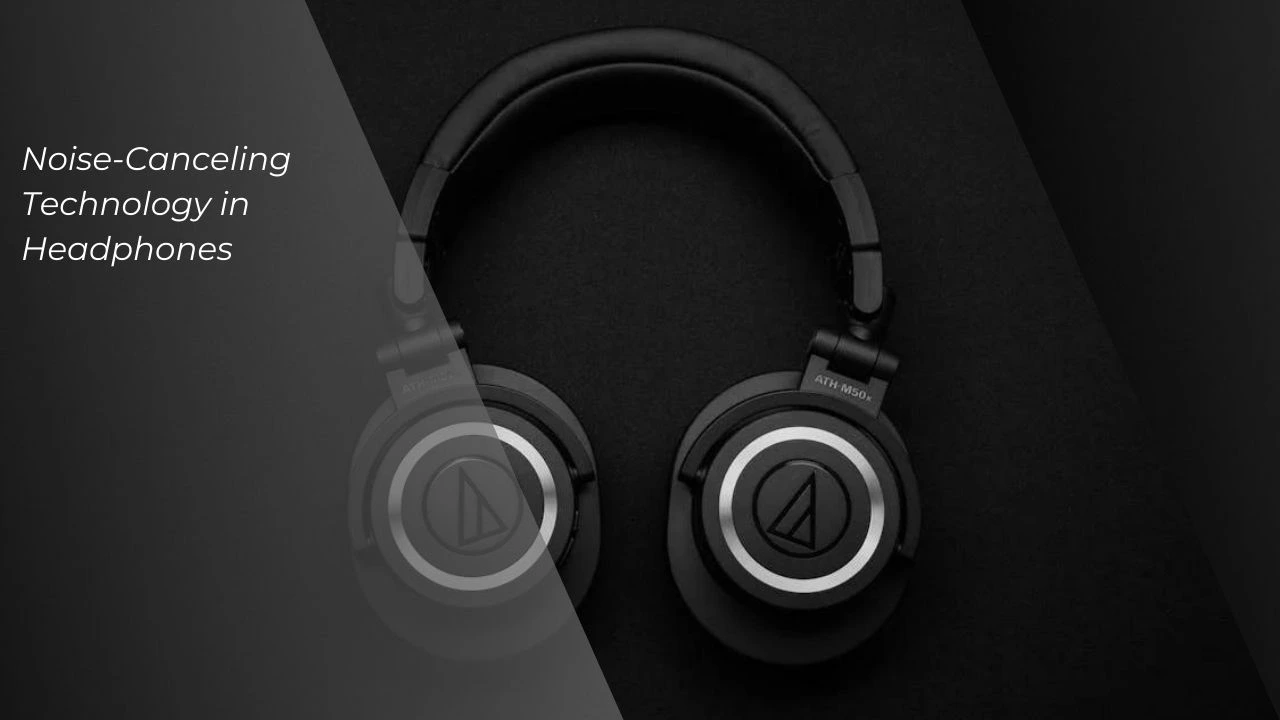
Well, there are two types of noise-canceling technology, the one that is implemented in your microphone and the headphone itself.
The microphone noise-canceling will help the others to hear you better, it’s built to pick up your voice while ignoring the background noise around you. It can be achieved in many different ways, such as determining microphone shape and positioning, digital signal processing and many others.
And the other one is the headphone noise-canceling. It's what helps the headphones suppress the ambient noise around you thus improving your audio experience.
What's the Difference Between Passive Noise Cancellation and Active Noise Cancellation?
So basically, there are two types of noise-canceling, the active noise cancellation and the passive noise cancellation. What are those? Let’s break it down!
Active Noise Cancellation
This type of noise-cancellation uses an advanced technology to suppress any background noise. Usually this type of noise cancellation works best for a constant, low-frequency sounds, like ceiling fans, or engine noise.
Basically, it detects and analyzes the sound pattern of incoming noise around you and then generates the opposite sound waves to cancel it out. The end result is that you hear a drastically reduced level of noise.
Passive Noise Cancellation
This is the term for the physical noise canceling that the headset's materials and design achieve. Do you notice construction workers wearing those big, heavy earmuffs? Passive noise cancellation, indeed.
To achieve this, usually you have to cranking up the volume, which isn’t that great for your hearing in the long run.
Also, effective passive noise cancellation may also require thicker and heavier headphones to fully cover the ears.
Active or Passive, Which One Is Right for You?
Now you know the two types. But which one should you pick? It depends on where and how you use your headphones. Let's look at a few situations.
1. If You Commute or Travel Often
Buses, trains, and planes are full of constant, low-frequency noise. As explained above, this is where active noise cancellation works best. So, if you spend a lot of time on the road, active noise cancellation is worth considering.
2. If You Work in a Noisy Office
Conversations, keyboards, air conditioners. A mix of noise. Active noise cancellation helps with the steady hum, while a good fit and soft ear cushions help block the rest.
3. If You Want Something Simple
Passive noise cancellation does not need extra technology. It relies on the materials and design of the headphones. If you prefer something simple, a well-fitting pair with good passive isolation can already make a difference.
4. If You Make Many Calls
Don't forget the microphone side. If you often join calls, look for headphones or headsets with microphone noise-canceling, so the people on the other side can hear your voice better.
Tips Before Buying Noise-Canceling Headphones
- Try them on if you can. A good fit is the base of any noise cancellation.
- Check the weight. Heavier headphones may feel tiring after long use.
- Read whether the noise canceling is active, passive, or both.
- Check whether the microphone has noise-canceling features.
- If it is wireless, make sure it has passed the certification required in your country.
A Small Reminder for Your Ears
Noise cancellation is not only about comfort. It can also help you avoid cranking up the volume in noisy places. Remember, as mentioned above, high volume isn't that great for your hearing in the long run. So, let the technology do the work, and keep the volume at a comfortable level.
Quick recap: for engine noise or ceiling fans, choose active noise cancellation. It works best for constant, low-frequency sounds. Easy, right?
So, there you go, now you know what a noise-canceling technology is! With that being said, there’s only one thing that you should consider especially if you’re planning to buy a wireless headset or headphones.
What is that? The DJID certification for headphones in Indonesia. The DJID certificate is a type of approval that makes your headset or headphones that use wireless technology to be eligible to be sold and distributed in Indonesia.
The wireless headphones uses a radio frequency technology to operate, and with that being said, its use is strictly regulated in Indonesia.
Your headphones and other devices that uses a radio frequency technology must undergo several tests to make sure that the radio frequency technology that your device used is within Indonesian standard!