The Advantages and Disadvantages of Smart Light Bulbs
Get to know about the advantages and disadvantages of smart light bulbs if you want to use it in your smart home system! Home automation and…
Contents
Get to know about the advantages and disadvantages of smart light bulbs if you want to use them in your smart home system!
Home automation and “smart” technology have come a long way, and one of the devices that took a lot of attention recently is the smart light bulbs.
Their ability to seamlessly integrate with various other smart home systems and devices offer more than simple on and off functionality.
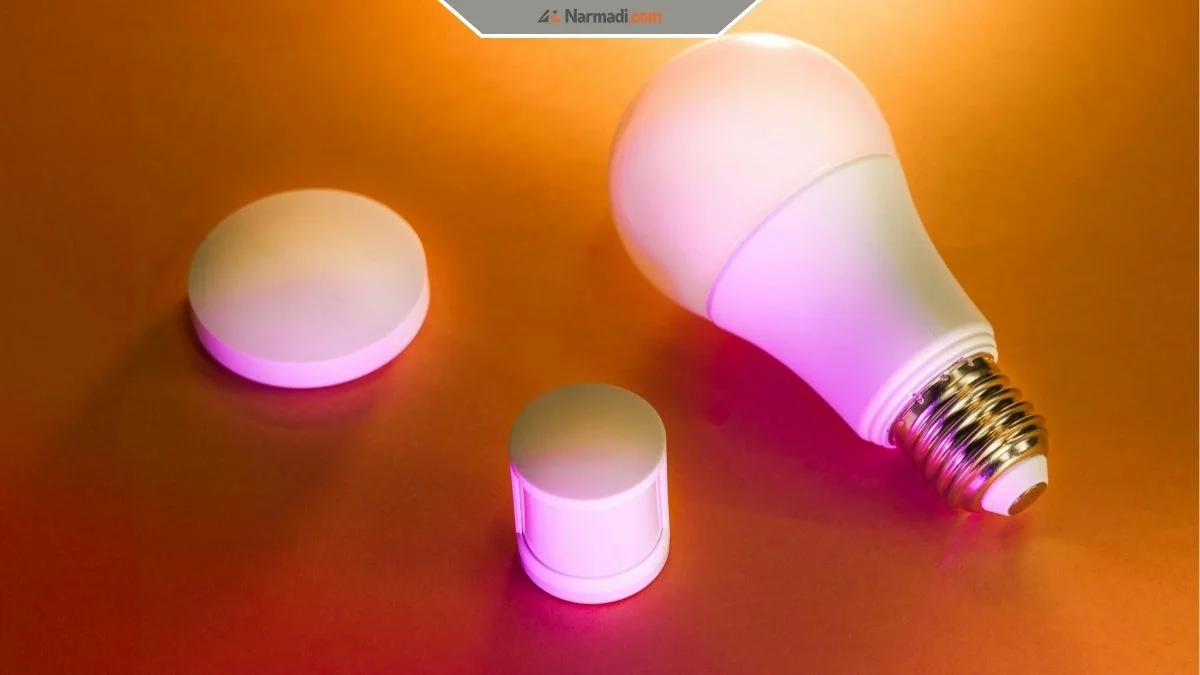
Smart light bulbs vary in models and functionality, some of them are able to achieve basic dimming functions and some are able to adjust the color of the light.
And in addition to that, some of the smart bulbs are even able to connect to speakers, so it can follow the beat of your music or movies for better home entertainment experiences.
But, although they sure have a lot of advantages, they do have some disadvantages too. And that’s what we’re going to talk about.
What are the advantages and disadvantages of smart light bulbs? Let’s get going in today’s article!
What are Smart Light Bulbs and How Do They Work?
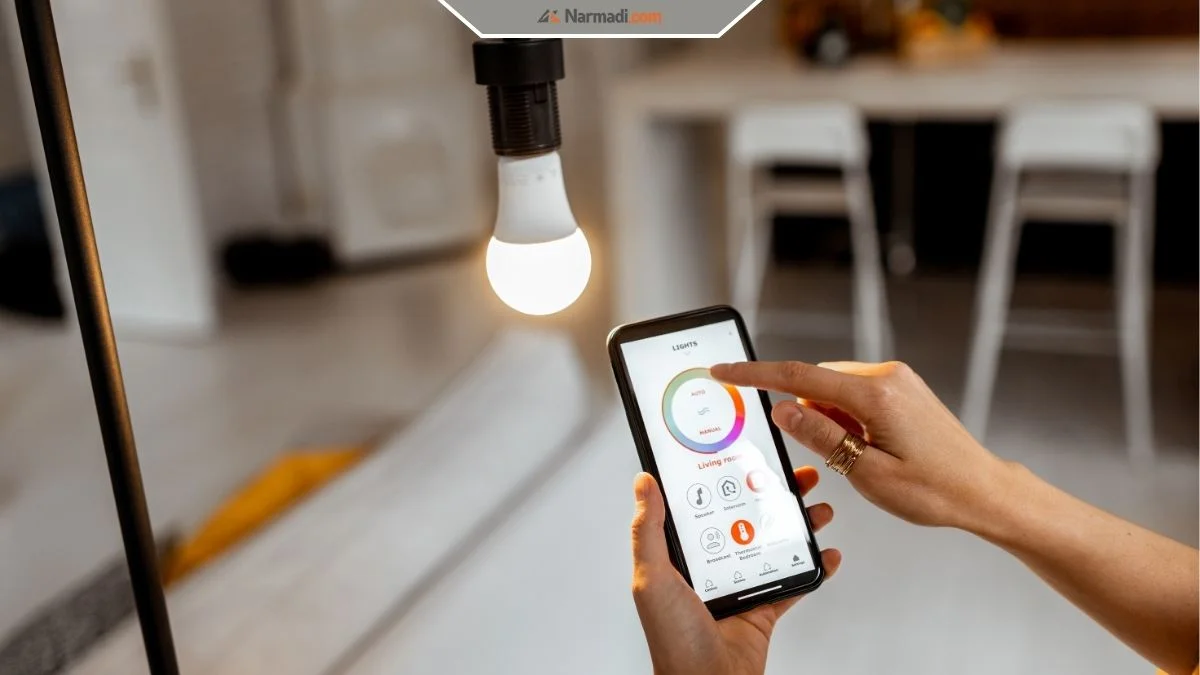
Before we dive into our main topics, let’s recognize what a smart light bulb really is and how it works.
Like we’ve mentioned a little bit earlier, smart light bulbs are an advancement in lighting technology that allow you to control the lights through mobile apps or voice commands.
They not only provide convenience, but can also provide energy efficiency to some extent.
But, how does this fascinating piece of tech work? Unlike regular old light bulbs, smart light bulbs are equipped with built-in wireless technology such as Wi-Fi or Bluetooth.
That wireless tech enables them to communicate with other devices, so you can remotely control them using a smartphone, tablet or voice assistant.
What you need is a compatible smart home hub or bridge which acts as a central hub for all your smart devices.
Once the hub is connected to your Wi-Fi network, use the manufacturer's apps to pair your smart light bulbs with the hub and enjoy its features.
Advantages and Disadvantages of Smart Light Bulbs
1. Advantages
You can have numerous benefits of using smart light bulbs, some of them are:
Remote Control and Automation: The foremost benefit of using them is the ability to control them remotely using a smartphone app. You can turn them on or off, dim or even change their color from basically anywhere in the world!
Energy Efficiency: Most if not all smart bulbs use LED technology which is significantly more energy efficient than standard bulbs. In addition to that, features like scheduling and motion detection can also prevent energy waste.
Personalization: Smart bulbs come in a range of colors and brightness levels. You can personalize them according to your need and mood. Whether you want a nice ambient for movie night, or softly dimmed light for meditation, they can tackle it all.
Smart Home Integration: You can integrate the smart bulbs with other smart home devices to create a more cohesive and efficient smart home ecosystem.
2. Disadvantages
Like many other things in this world, smart bulbs also have their own disadvantages that you should be aware of. Here are some of them!
Initial Cost: Smart bulbs are generally pricier compared to traditional bulbs.
Compatibility Issues: Not every smart light bulb is compatible with all light fixtures and home automation systems. Be sure to check its compatibility and specification!
Security Concerns: It can be prone to hacking if not properly secured due to it using the internet for its main connection.
Lifespan: While LEDs typically last longer than traditional bulbs, the electronics added to smart bulbs can sometimes fail before the LEDs themselves, rendering the bulb unusable.
Tips for Choosing Smart Light Bulbs
Before buying smart light bulbs, a few simple checks can help you avoid problems later.
- Make sure the bulb fits your light fixtures.
- Check whether it works with your smart home hub or voice assistant.
- Decide whether you need color changing or only dimming.
- Choose a brand that offers regular app and security updates.
Tips for Using Smart Light Bulbs Safely
Since smart bulbs connect to the internet, protect your network with a strong password. Keep the app and firmware up to date, and only install apps from trusted sources.
It is also a good idea to start with a few bulbs in the rooms you use most, then add more once you are comfortable with the system.
Frequently Asked Questions
Do smart bulbs need a hub?
Many systems use a compatible smart home hub or bridge that acts as a central hub for your devices.
Can smart bulbs save energy?
Yes. Most use LED technology, and features like scheduling help prevent energy waste.
Can I control smart bulbs when I am away?
Yes. You can turn them on or off from basically anywhere using a smartphone app.
There you go! The advantages and disadvantages of smart light bulbs that you should consider before adding them to your smart home systems!