What is Wireless Identity Theft?
Wireless identity theft is the new way of stealing money. To understand how does it work, you need to know the basic principle of the RFID card…
Wireless identity theft is the new way of stealing money. To understand how it works, you need to know the basic principle of the RFID card first.
Technology has grown so far, especially in the current modern era. This growth is developed massively, touches every aspect of human life, including for the security. Talking about security, this aspect is terribly needed, especially in the monetary system to secure the assets.
Several examples can be seen in many real cases such as high technology safe, protected transaction system, the use of several kinds of monetary card, and others.
But, as the security system is increased by the use of modern technology, the theft action is also increased, by employing modernity too. That’s why we often hear the term Wireless Identity Theft.
What is Wireless Identity Theft?
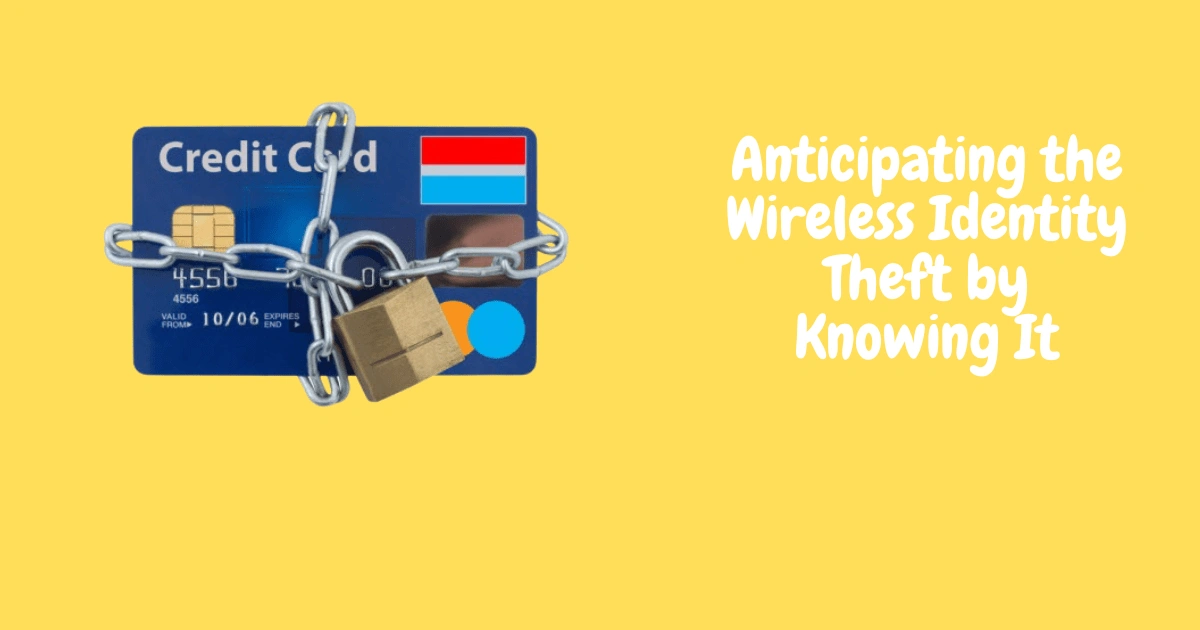
Wireless Identity Theft is the new way used by thieves to steal something, mostly the essential data. Some people call it contactless identity theft since to do the stealing action, the thief doesn’t need to make direct contact with the victim.
This is an action of stealing someone’s personal data information by using wireless mechanics. This illegal action usually targets the essential information stored in the RF-enabled cards such as credit card, ID card, debit card, passport, and others. These are the card that contains RF chip in it, and this chip becomes the target of the theft.
Wireless Identity Theft will target the information contained in this chip. They will use certain Radio Frequency to trigger the chip for responding back with slight altered signal.
This signal will be encoded and translated into many kinds of important information such as phone number, address, name, PIN number, security numbers, and any other kinds of it.
This is of course so threatening for some card holder since this stealing action can be done wirelessly. A wireless identity thief could just access the personal information of someone from a few feet away.
Target
Talking about target, there are many kinds of target that is targeted by Wireless Identity Theft depends. For some public figure for example, their personal information such as name, address, phone number, and others are really matters.
And they use the best way to protect their information from the theft. But, from the usual cases, what becomes the main target is mostly something related to money, such as ATM, Debit, and mostly, credit cards.
The use of credit cards has accelerated since 2013. Banking Corporation around the world even expected that the credit card product can be distributed and used by approximately 70 million people globally.
Most of these cards are chip based card for a better security system than the magnetic striped credit card that is considered more vulnerable. Even so, there are still any gaps for Wireless Identity Theft to do their action.
Chip based card is divided into two kinds. The first chip-based card needs to touch the reader physically to transfer the data. Besides, in reading the data, you also need to enter PIN number.
This is relatively safe since there is no possibility for wireless data transferring. And for the second one, the card contains RFID chip which can send the data through the air, or in other words, wirelessly. This is the kind of chip that is mostly used in credit card, Visa, Mastercard, and others.
This card is relatively risky even when the company claims that issued this card are safe by using several unique encryptions.
This is proven by the success of University of Massachusetts that has been successful in building the skimming scanners. This scanner is able to scan the information inside RFID card wirelessly, without owner permission.
How to Overcome
However, there is always a way in overcoming Wireless Identity Theft. In the traditional way, metal can block the interference signal from the outside. So, covering your card using Aluminum foil can be the alternative ways to protect your RFID chip-based card.
Further, for the more sophisticated option, you can use RFID blocking wallet.
Simple Tips to Protect Your Cards
Besides using aluminum foil or an RFID blocking wallet, there are several other habits that can help protect your RFID-based cards:
- Know which cards have RFID chips: Credit cards, debit cards, ID cards, and passports may contain them.
- Keep cards in one protected place: Avoid carrying them loose in your pocket or bag.
- Be careful in crowded places: Since data can be read from a few feet away, crowds give thieves more chances.
- Check your transactions regularly: This helps you notice any unusual activity sooner.
Frequently Asked Questions
What is another name for wireless identity theft?
Some people call it contactless identity theft.
Which cards are safer?
Chip-based cards that need to touch the reader physically and require a PIN are relatively safer.
Finally, we hope that this article can be informative as a reference. And by reading this article, we hope you will be able to understand deeper how the RFID-based card works. So, you can anticipate the Wireless Identity Theft action to happen on you.