


Radio frequency identification (RFID) comes in various types, each designed to meet specific needs in different applications. There are three primary types of RFID: power source, memory, and radio frequency.
Each type has its own specifications and functions. RFID power supply types, for example, are suitable for applications that require longer reader range and intensive real-time tracking.
In this article, we will provide an in-depth explanation of the RFID power supply types, including their advantages and disadvantages, as well as their applications in everyday life.
RFID Power Supply Types
RFID based on power source refers to the power source used by the tag to operate. Based on this power source, RFID is categorized into three classifications: active, passive, and semi-passive.
The following outlines the three types of RFID power sources, their advantages, disadvantages, and their applications in everyday life.
Active RFID Tags

Active RFID tags are powered by internal batteries, allowing them to transmit radio signals independently. Each type of active tag has a different number and shape of batteries. The batteries are used to transmit signals continuously or at specific intervals.
- Advantages: Long read range of up to hundreds of meters, real-time tracking, and high accuracy.
- Disadvantages: Large size, high cost, limited lifespan due to battery life, and difficulty in producing thin cards.
- Applications: Industry, logistics, real-time traffic management, electronic wireless communication, vehicle access control, etc.
Passive RFID Tag
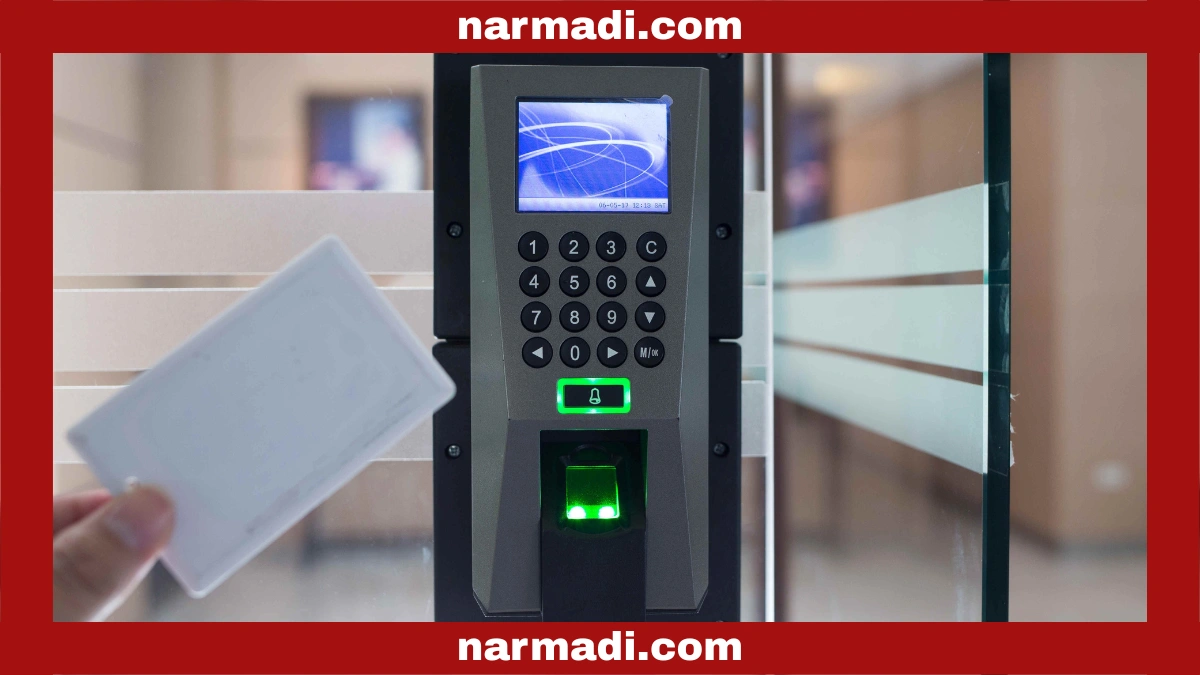
Passive RFID tags do not have batteries. Their operating power is obtained from the RFID reader. When in proximity to the RFID reader, the antenna converts the received electromagnetic wave energy into electrical energy. This activates the chip inside the RFID tag and transmits the data stored within it.
- Advantages: Small size, lightweight, low cost, service life of more than 10 years, maintenance-free, various shapes, and many available applications.
- Disadvantages: Due to the lack of an internal power source, the reading distance is limited. Generally, a high-power RFID reader is required.
- Applications: Security tracking, retail inventory management, access control (key cards), library document tracking, file management, animal tracking, etc.
Semi-passive tag
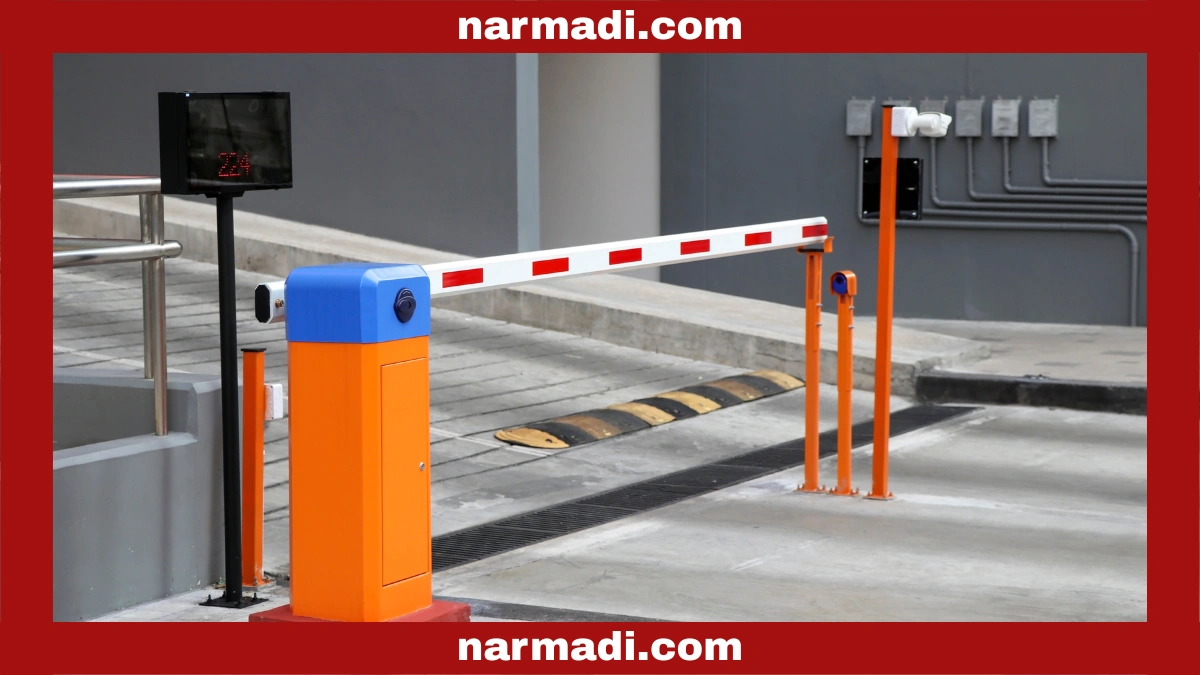
Semi-passive RFID tags combine the advantages of active and passive tags. Semi-passive tags use an internal battery to power their circuits, but still rely on signals from the reader to reflect data.
Under normal conditions, these tags do not operate in an inactive state and do not transmit RFID signals to the outside environment. They only start operating when they enter the range of a low-frequency activator signal, and the label is activated.
- Advantages: Compared to passive tags, semi-passive tags have faster response speeds and better efficiency. Compared to active tags, semi-passive tags consume less power. They have a wider range, lower cost, and are equipped with features such as environmental sensors, making them suitable for applications like cold chain tracking.
- Disadvantages: Limited range and battery life.
- Applications: Access control management, accurate personnel and object positioning, area monitoring, parking management, automatic toll systems, and monitoring of sensitive environmental conditions, among others.
How to Choose RFID Tag Power Supply
Choosing an RFID power supply type depends on several key factors, including read range, cost, and the specific application. Here’s how to choose the right one:
- Determine the read range requirements: For short-range applications, passive tags are more suitable. For long-range applications, active or semi-active tags are more necessary.
- Consider the cost: You can adjust the cost when using these tags. Passive tags are the cheapest, followed by semi-active tags, and active tags are the most expensive.
- Know the usage requirements: For heavy-duty tasks such as monitoring high-value assets, it is best to use active tags. Passive tags are suitable for simple identification.
- Understand the environmental conditions: For use in harsh environments with metal or liquid interference, active tags are better. Passive tags are generally used in controlled, non-metallic environments.
This explains the various types of RFID power supply types, including their advantages, disadvantages, and applications. We hope this article has enhanced your understanding of the multiple types of RFID power supplies and their application in everyday life. [UN]