
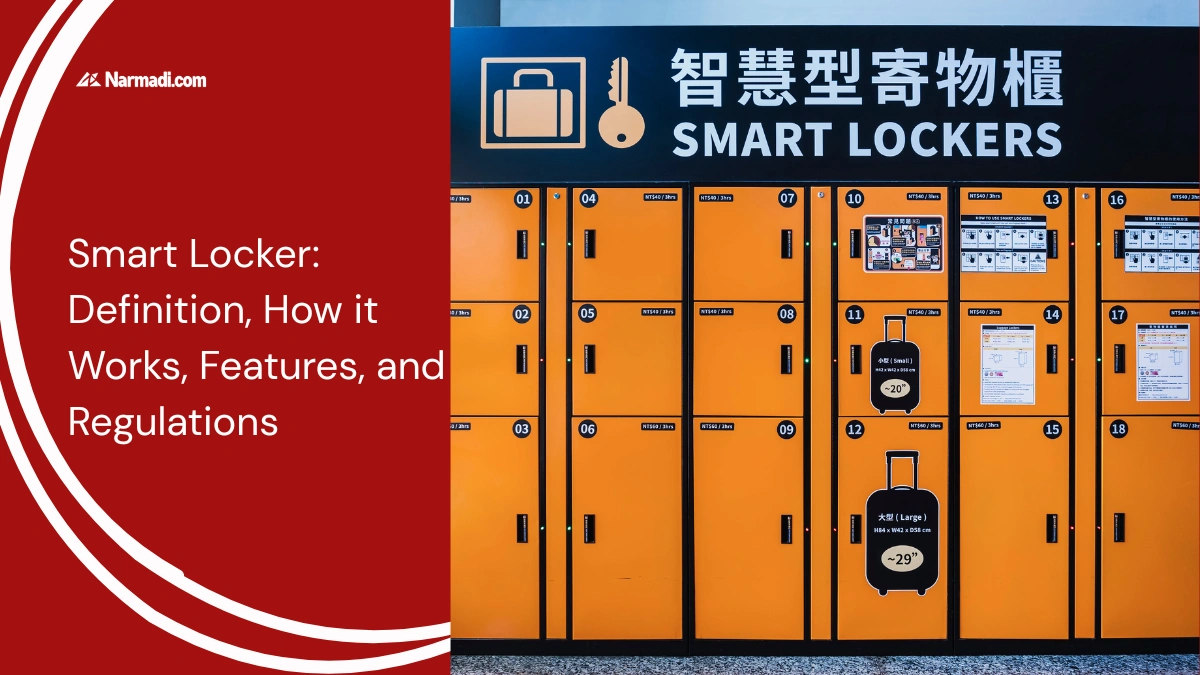

The use of storage spaces in public areas, such as lockers, is crucial. Lockers are commonly found in various locations, including offices, fitness centers, airports, train stations, and warehouses.
With the advancement of digital technology, smart lockers have emerged, offering a range of features that enhance security and convenience. One of the advantages is the ease of real-time remote control.
This article provides an in-depth explanation of smart lockers, covering their definition, operation, and the features they offer. It will even cover the regulations governing their use due to their wireless technology.
What is Smart Locker?
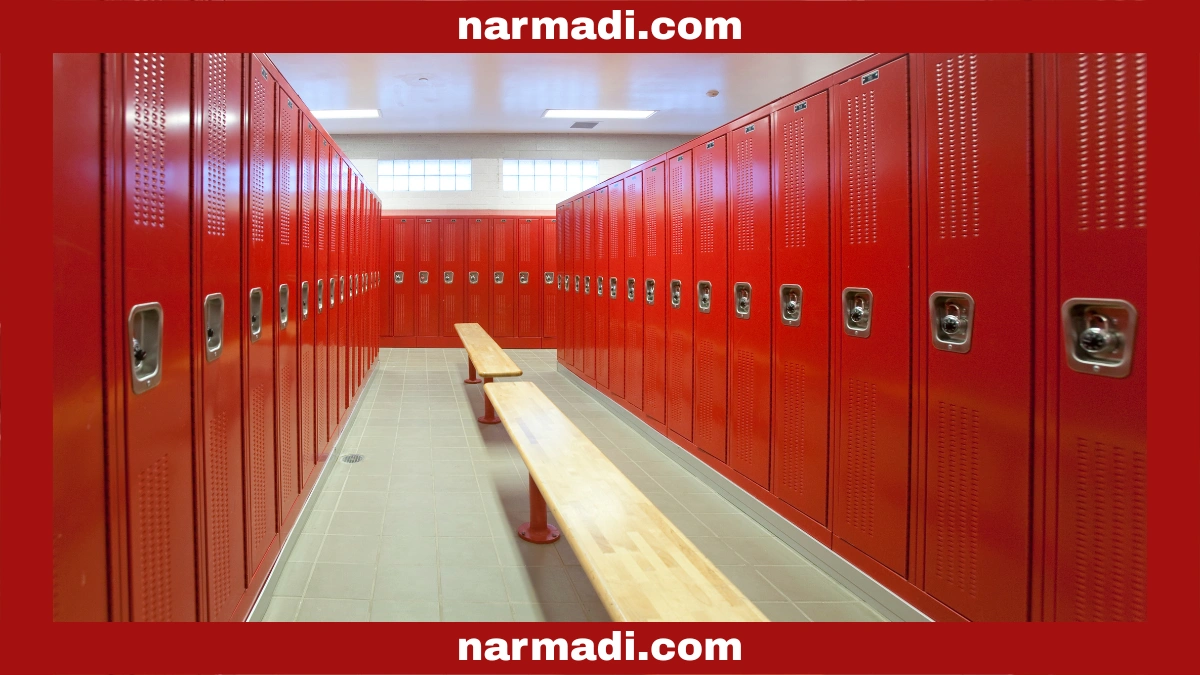
Smart lockers are devices that adopt Internet of Things (IoT) technology equipped with digital locking systems and sensors. This system allows you to store your belongings safely. These devices are connected to the internet, allowing you to monitor their condition in real-time.
Several access options are available for opening this locker, including the use of RFID cards, PINs, QR codes, fingerprints, and facial recognition. These access options certainly have their own advantages because not everyone can access them freely.
Smart lockers have been widely implemented in various locations, including offices, fitness centers, airports, train stations, and warehouses. These lockers are an important facility for employees to store their personal belongings.
How do They Work?
Smart lockers work by combining automation technology, sensors, electronic locks, and wireless networks (such as Wi-Fi or Bluetooth) to provide secure and convenient storage. Here’s how it works in more detail:
- Locker registration: Users register and select a locker through an app or system at the location.
- Access code provided: The system will provide a unique access code, such as a PIN or QR code, via a connected Bluetooth device.
- Access code input: Users enter the code or scan their card/mobile phone to open the locker.
- Item placement: After the item is placed inside, the locker door closes and locks automatically by the system.
- Locker control: The ESP32 microcontroller connected to the network can receive commands from the app, send notifications, and perform automatic controls.
- Item retrieval: Users return to the locker and use the same code or authentication method to unlock it.
Smart lockers can be operated via a touchscreen at the location, a mobile application connected to the cloud, a code scanner, or a biometric sensor. Connectivity such as Bluetooth, NFC, RFID, or WiFi enables integration with logistics management systems, security systems, and real-time control dashboards.
The Features
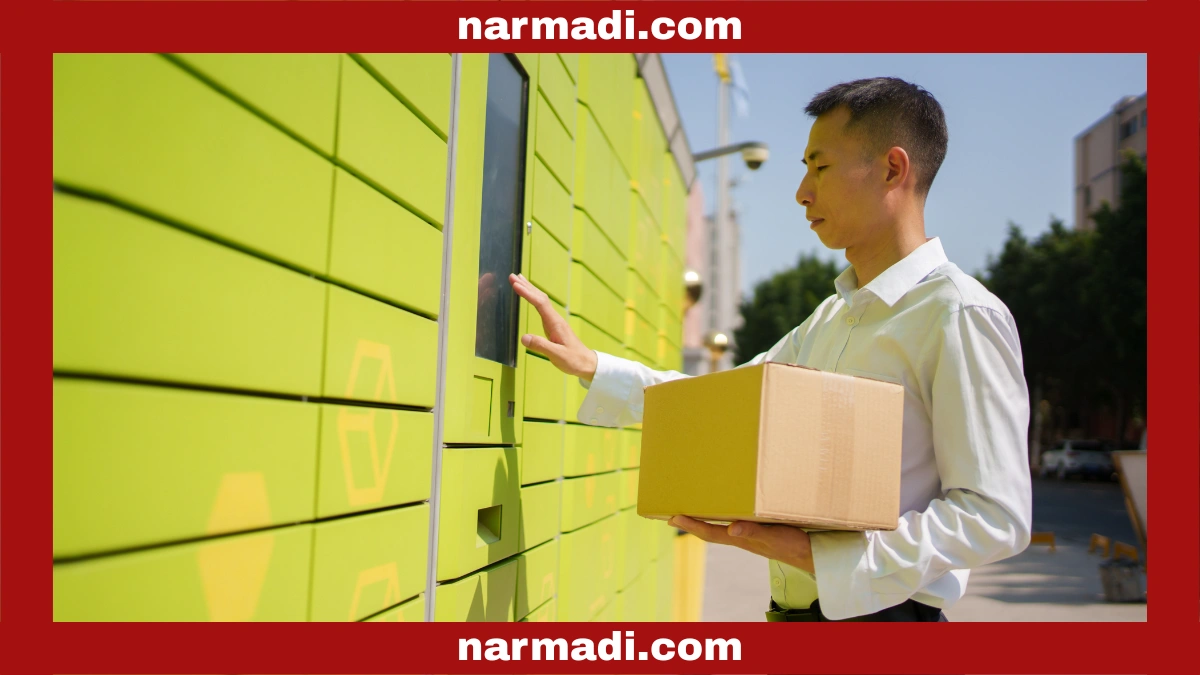
The features of smart lockers are primarily divided into three aspects: authentication and access methods, security, and management. The following are the features in each aspect:
Authentication and access methods:
- Fingerprint
- PIN (Personal Identification Number)
- RFID card
- Mobile app via Wi-Fi or Bluetooth.
- QR code
Security:
- Real-time notifications to your phone when there is activity on the locker
- Records every locker usage activity
- Anti-theft alarm
- Camera (on some models)
- Anti-peeping
Facilities and management:
- Charging ports for electronic devices stored in the locker
- Remote control (manage access, monitor locker status, and troubleshoot)
- Integration with security or management systems
- Reservation system
- Backup power source to remain operational during power outages
The Regulations
A smart locker uses Bluetooth, RFID, NFC, and WiFi technology, which operate within a specific frequency spectrum. In every country, all wireless devices are required to have Radio Frequency (RF) Certification.
Smart locker regulations require all radio frequency-based devices to meet certain technical standards before they can be sold in that country. This certification ensures that products comply with government safety and quality regulations and do not interfere with other communication devices.
Some types of type certification regulations in Asia:
- Indonesia: DJID Certification
- Malaysia: SIRIM Certification
- Thailand: NBTC Certification
- Singapore: IMDA Certification
- Philippines: NTC Certification
- Vietnam: MoST Certification
- Cambodia: TRC Certification
- India: WPC ETA and TEC MTCTE Certification
The certification process involves technical testing, including frequency adjustment, safety checks, and verification of compatibility with the surrounding environment. Once testing is complete, products that pass will be listed in a test report, confirming that they are safe and ready for sale. This report guarantees customers that the product meets technical standards and is secure.
For companies wishing to sell smart lockers, our product compliance services are available to assist with this process. This service includes preparing technical and legal documents, conducting the necessary testing, ensuring regulatory compliance, helping companies streamline the certification process, and providing consumers with confidence in certified products. [UN]