Somewhere in a marketing folder right now, there is a license nobody has reread in months.
It was purchased once, by someone who is probably not on the team anymore. It got forwarded to an editor. It got reused for a campaign nobody remembers approving it for. And at no point in that chain did anyone stop to check what the license actually said, because the label on it did the convincing for them: royalty-free. That word alone felt like enough. It felt like a green light, a box that, once checked, meant the music question was closed.
This year, that assumption cost two companies a lot more than a licensing fee.
Two Lawsuits That Weren't Supposed to Happen
In April, Warner Music Group sued Crumbl, the cookie company, alleging the brand used at least one hundred fifty nine of Warner's copyrighted songs across its TikTok and Instagram promotions without the licensing that use required. Around the same time, major record labels filed a similar suit against DSW, one of the largest shoe retailers in the country, over songs used in social ads and influencer campaigns.
Neither of these companies is a scrappy startup cutting corners to save money. Both have marketing departments. Both almost certainly have legal counsel on staff, or on retainer. And somewhere inside each of those companies, somebody believed the music situation was handled.
It is tempting to read that and assume the lesson only applies to companies operating at that scale, with dozens of campaigns running across national ad budgets. It doesn't. A smaller brand runs fewer campaigns, which means fewer chances to get caught, but the license terms attached to a track do not scale down along with the size of the business using it. The same sixty-second restriction, the same platform scope, the same paperwork requirement applies whether the account posting the video has twelve followers or twelve million. Smaller teams are not exempt from the risk. They are usually just further from the kind of legal attention that surfaces it quickly, which is a very different thing from being safe.
That belief is the part worth sitting with. Nobody at Crumbl or DSW woke up and decided to knowingly infringe on someone else's copyright. The gap wasn't recklessness. It was an assumption that nobody ever circled back to verify. A license got approved once, early, by someone doing their job well enough in the moment, and then that approval quietly became permanent in everyone else's mind. Nobody re-checked it before the fifth campaign. Or the tenth.
Under U.S. copyright law, damages for cases like this can run from seven hundred fifty dollars up to one hundred fifty thousand dollars, per infringed work. Multiply that by a hundred and fifty nine songs, and a rounding error becomes a courtroom number fast.
Why Enforcement Is Getting Sharper
Cases like this were not exactly rare before 2026. What changed is how easily they get caught.
Rights holders spent the last few years building out far more granular catalog tracking, partly in response to AI training disputes that made labels far more protective of exactly which recordings appear where, and under what terms. Platforms improved automated content matching on their end too. A mismatch between a video's declared use and a track's actual license terms used to require someone noticing it manually, usually by accident. Now it is closer to something a system flags on its own, at scale, across thousands of accounts at once.
That shift matters for a simple reason. It means the old strategy of "probably nobody will check" is a much weaker bet than it used to be. The gap between what a license actually covers and what a brand is actually doing with it is no longer hiding behind the sheer size of the internet. It is a lot more visible than it was three years ago, to the exact organizations with the most reason to look for it.
What "Royalty-Free" Actually Promises You
Here is the misunderstanding sitting underneath both of those lawsuits, and probably underneath a license in your own folder too.
"Royalty-free" does not mean "risk-free." It means you are not paying an ongoing royalty every time the track plays. That is the entire promise the term makes. It says nothing about which platforms you are allowed to use the track on. It says nothing about what length of content it covers. It says nothing about whether your specific use case, the one you actually have in mind, falls inside the scope of that license at all.
Even paid, properly licensed music can still trigger a claim if the documentation behind that license was never sorted out correctly, or if the track is registered in a system like YouTube's Content ID and your paperwork does not match what the platform expects to see on file. The music being legitimately licensed somewhere does not automatically mean it is licensed for what you are doing with it right now.
That gap between "licensed" and "licensed for this" is where most of the actual risk lives.
The Trap Hiding in Trending Audio
Here is a specific version of that gap worth knowing, because it catches teams who think they are being careful.
Trending audio inside a platform's short-form library is often licensed only for content under sixty seconds. Take that exact same audio and drop it into a long-form video instead, and you can trigger a claim or a strike, even though the track felt completely free the entire time you were using it. Nothing about the file changed. Nothing about how you found it changed. Only the context did, and the context is exactly what the license was scoped to.
Think about how that plays out for a team building out a content calendar. A short clip using a trending sound performs well. Someone decides to build a longer, more polished version of the same idea for the brand's main channel, and reaches for the same audio because it already tested well and it is sitting right there in the export folder. That instinct is not careless. It is exactly what a good marketer is supposed to do with something that is working. But the license that made the short clip fine never traveled with the file into the new format, and nothing about the interface where the audio was downloaded warned anyone that it wouldn't.
None of this requires bad intent from anyone on your team. It just requires that nobody actually read the scope of the license before it got used somewhere it was never cleared for.
How the Paper Trail Gets Lost
Licenses do not usually fail because someone breaks the rules on purpose. They fail because of drift.
A license gets purchased by one person. It gets forwarded to an editor. It gets reused six months later for a completely different campaign than the one it was bought for. By the third or fourth reuse, nobody left in that chain remembers what the original terms actually said, or whether this new use even resembles the one that was approved.
Picture how ordinary this looks in practice. A social media manager buys a track in March for a single product launch video. The purchase gets logged somewhere, maybe a shared drive, maybe just an email receipt nobody labels clearly. In May, a new hire is building a different campaign, finds the same file sitting in the brand's asset library with no context attached to it, and assumes it is cleared for general use because it is already sitting there. By August, that track is running across four different campaigns on three different platforms, in formats the original March purchase never contemplated. Nobody made a reckless decision at any single step. The file just kept moving forward while the paperwork stayed frozen in March.
The license itself does not expire quietly and vanish. What actually happens is smaller and harder to notice: the assumption around it just drifts further and further from what was actually paid for, one reuse at a time, until the gap between "what we're doing" and "what we're covered for" is wide enough to be a real problem. And because the drift happens gradually, there is rarely a single moment where anyone would have noticed it crossing the line.
Why This Is a Brand Problem, Not Just a Legal One
A claim or a lawsuit is not only a legal cost, and treating it as purely a legal risk undersells what actually happens when one lands.
It disrupts a campaign that was already running, sometimes mid-flight, right when it was starting to perform. It puts your brand's name next to a headline about a copyright dispute, which is not the association any marketing team was aiming for when they greenlit the campaign. And it eats time from people who should be running the business, not responding to takedown notices and forwarding old invoices to a lawyer, trying to reconstruct a paper trail that should have been kept in the first place.
This is one of the quieter reasons custom brand music matters, beyond the obvious creative case for it. When music is written specifically for a brand, there is no license scope to misread. No platform restriction buried in fine print. No ambiguity about whether this particular use case, this particular campaign, this particular platform, was ever covered. The brand owns it outright. It is part of why Dimulti Music builds custom brand music that is fully owned by the brand from the first note, not licensed to it under someone else's terms.
There is a practical upside here too, separate from avoiding a lawsuit entirely. Custom music also solves the platform length problem mentioned earlier, since it is not tied to a short-form license that quietly stops applying the moment a video runs a few seconds past whatever limit was buried in the original terms.
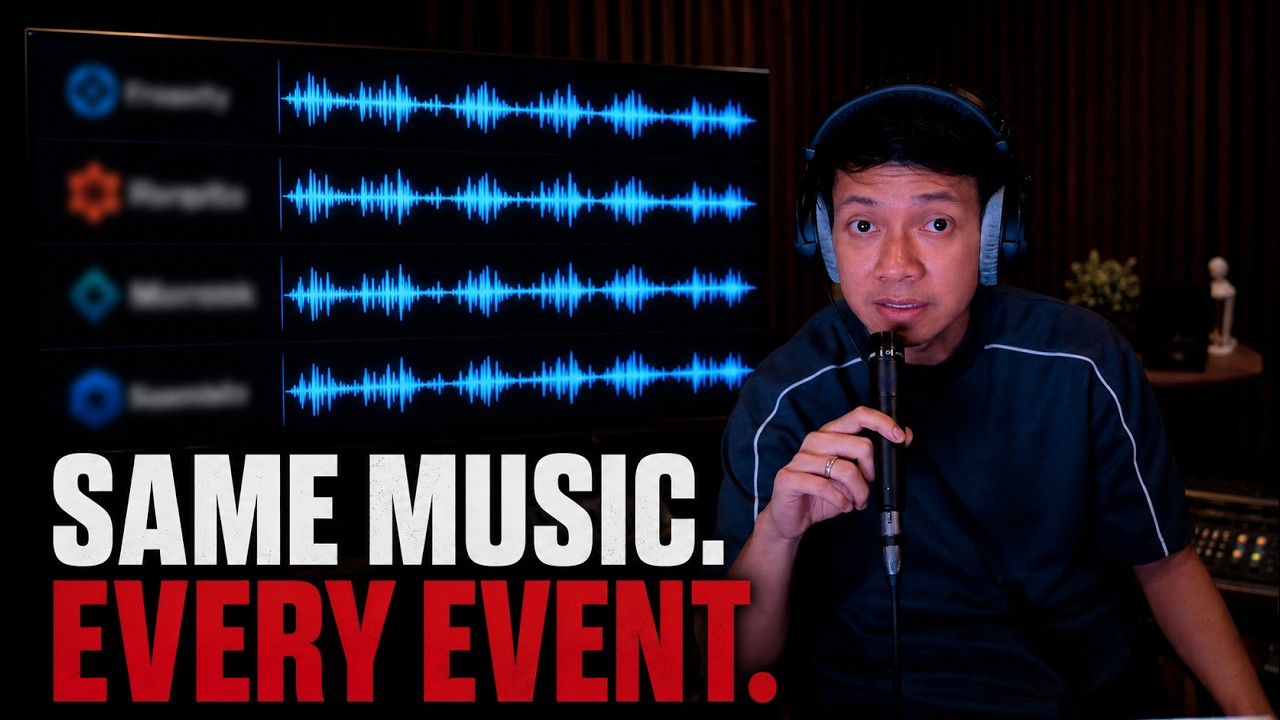
The legal exposure covered here is its own problem, separate from a quieter one we have written about before: what a royalty-free music license actually covers, the same stock track showing up behind a direct competitor's ad because nothing about a generic license stops that from happening. Different risk, same root cause. Nobody actually owns the sound.
What an Audit Actually Looks Like
So here is the practical step, and it takes a lot less time than most teams expect.
Pull up the license for whatever music is currently running across your active campaigns. Check the platform it was actually cleared for. Check the length restriction. Check whether the use case you are running right now genuinely matches what was purchased in the first place, not what you assume was purchased.
In practice this is a short exercise, not a project. Open the folder or the account where music purchases get logged. List every track currently live in an active campaign, across every platform. For each one, find the original receipt or license terms, not the file name, not the vibe of what someone remembers agreeing to. Match the terms against the actual current use: right platform, right length, right campaign type. Anything that does not match cleanly goes on a short list for either a proper relicense or a replacement. Most teams that run this exercise for the first time are surprised by how short that list turns out to be, and by how uncomfortable it feels to realize how long it had been sitting there unchecked.
Most teams have never done this. Not because they are careless, but because "royalty-free" sounded final enough that nobody thought there was anything left to ask. Crumbl and DSW probably assumed the same thing, right up until they didn't.
That folder sitting in your drive, the one with a license nobody has reread since the campaign it was originally bought for... it is worth twenty minutes today. That is a much better trade than finding out what is actually in it from a law firm's letter instead.
What Owning Your Sound Actually Changes
The audit above is worth running regardless of what a brand decides to do next. But it is also worth being honest about what it does not fix.
Even a clean audit today only covers the music already in use. It does not prevent the next reuse, six months from now, by someone who was not in the room for this conversation and never will be. The drift problem does not go away because one snapshot in time came back clean. It comes back the moment a new campaign needs a track and someone reaches for whatever is already sitting in the shared folder.
That is the actual argument for custom brand music, beyond the immediate legal exposure. It removes the reuse problem at the source, because there is no external license terms to drift away from in the first place. The brand is not managing a growing list of tracks, each with its own expiration conditions and platform restrictions to remember. There is one sound, built for the brand, owned by the brand, usable anywhere the brand shows up, for as long as the brand exists. Nobody two years from now has to reconstruct what a purchase from this spring actually covered.
The alternative, long term, is building sound your brand actually owns. Not sound your brand is quietly borrowing under terms nobody double checked.