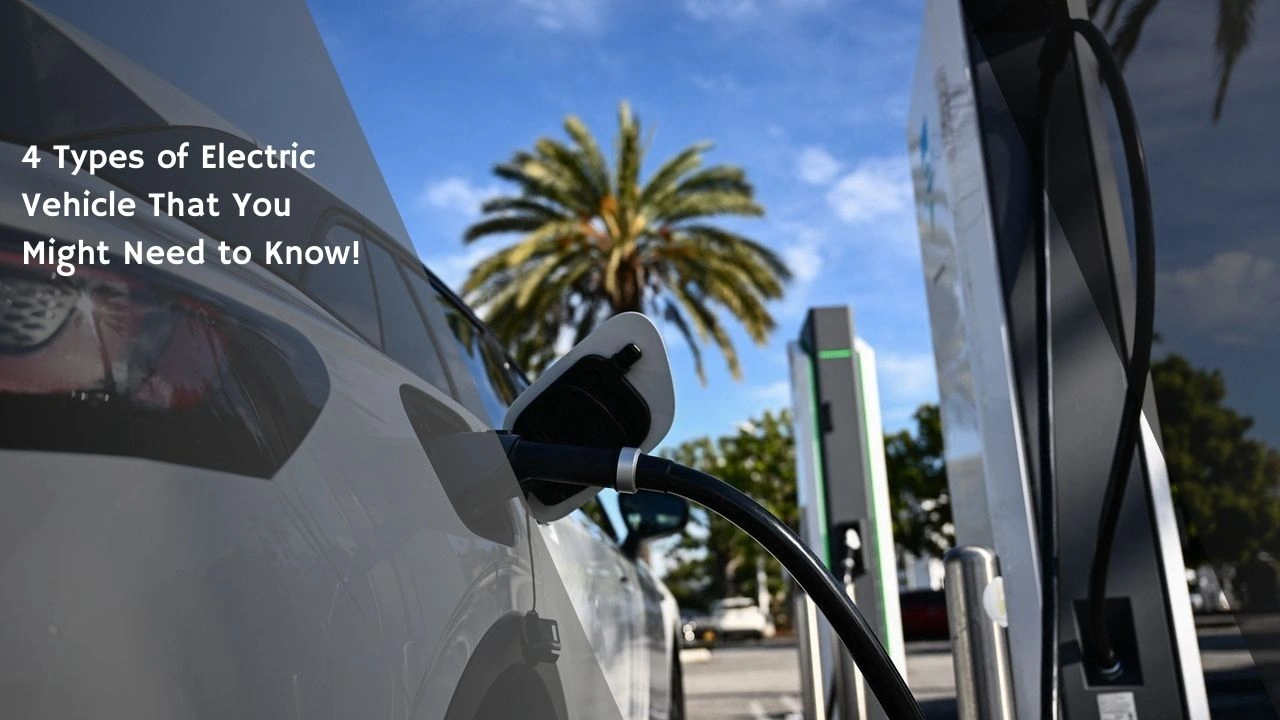
4 types of electric vehicle that you want to check up before deciding to cruise around town with your new EV!
Electric Vehicles are the face of future vehicles, and it’s for the obvious good reason! Eco-friendly, quiet and looks like it's coming from your favorite sci-fi movie!
But with all the different types of EV’s out there, choosing one might be a bit confusing for you especially if it’s the first time for you to choose the EV.
You obviously don’t want your precious bank account that you saved over time to go to waste by buying a different type of EV that you really wanted, right?
No worries, future eco-driver! This guide will break down the most common EVs and help you pick your perfect electric match, so here it is 4 types of electric vehicle!
Types of Electric Vehicle
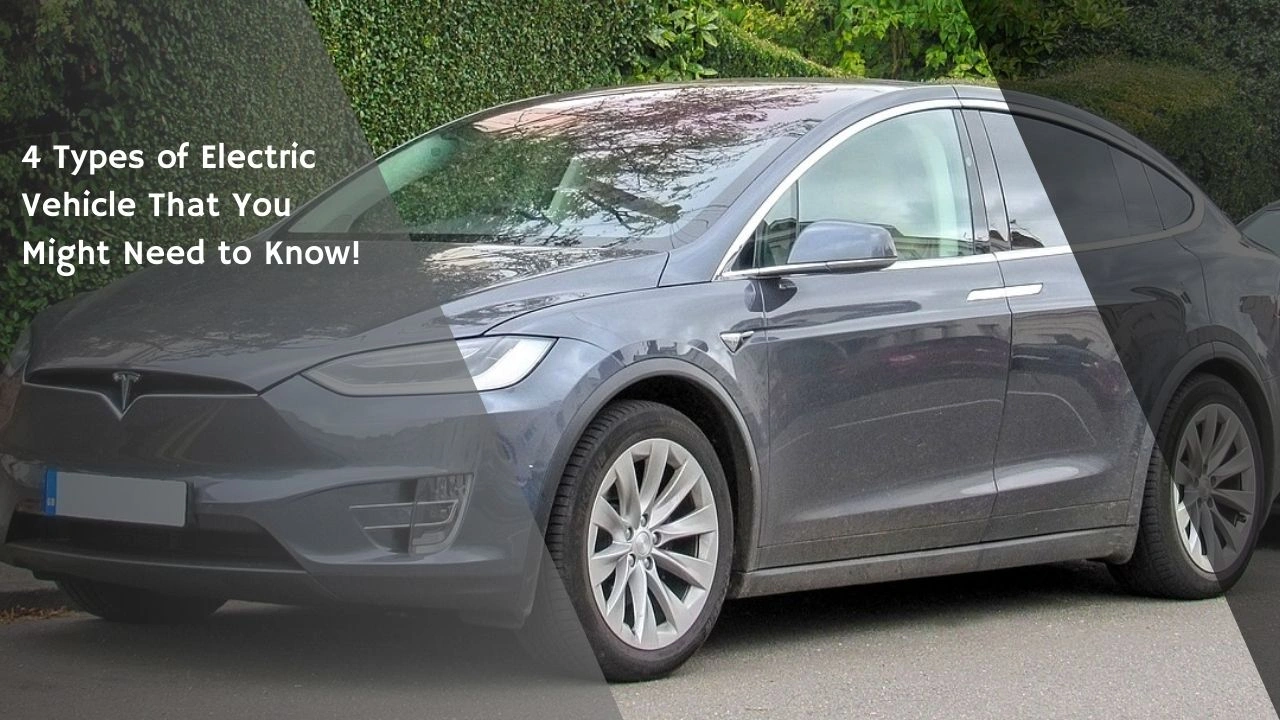
Generally speaking there are 4 types of electric vehicle that are available on the market today.
While it is quite similar, those electric vehicle types are not entirely the same, so let’s find out the 4 types of electric vehicle!
1. Battery Electric Vehicles (BEV)
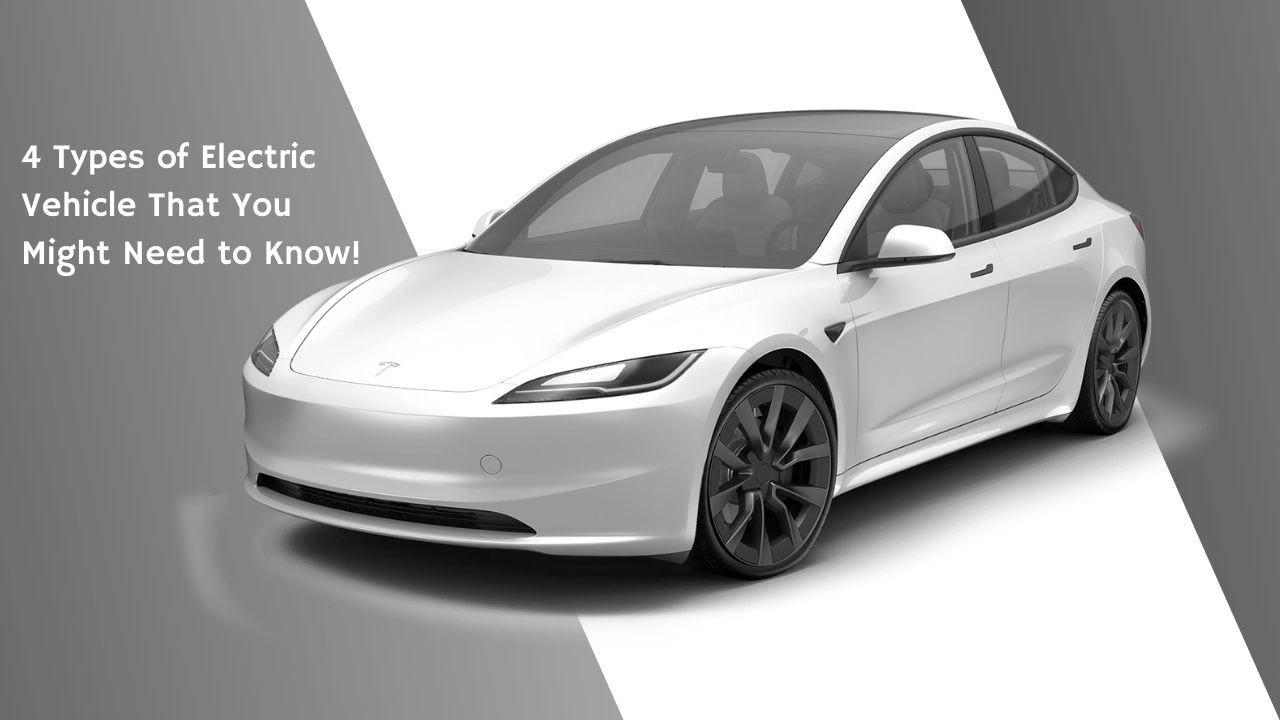
This types of EV is probably the most popular and the most definition you’ll get from people if you asked them “what is electric vehicle”
Battery Electric Vehicle or BEV is an EV that runs purely on electric power, meaning no gasoline, no fumes, and no more trips to the gas station (except maybe for a quick charge).
Car Recommendations:
Tesla Model 3
Hyundai Ionic 5
Audi Q6 e-tron
Chevrolet Bolt EV
Porsche Taycan
Ford F150 Lightning
Pros:
Zeo Emissions
Cost-Effective
Easy Maintenance
Peace and Quiet
Fun to Drive
HOV Lane Privilege
Cons:
Range Anxiety
Lacks of Charging Infrastructure
Long Charging Time
Battery Degradation
More Expensive Than Conventional Car
2. Plug-in Hybrid Electric Vehicle (PHEV)
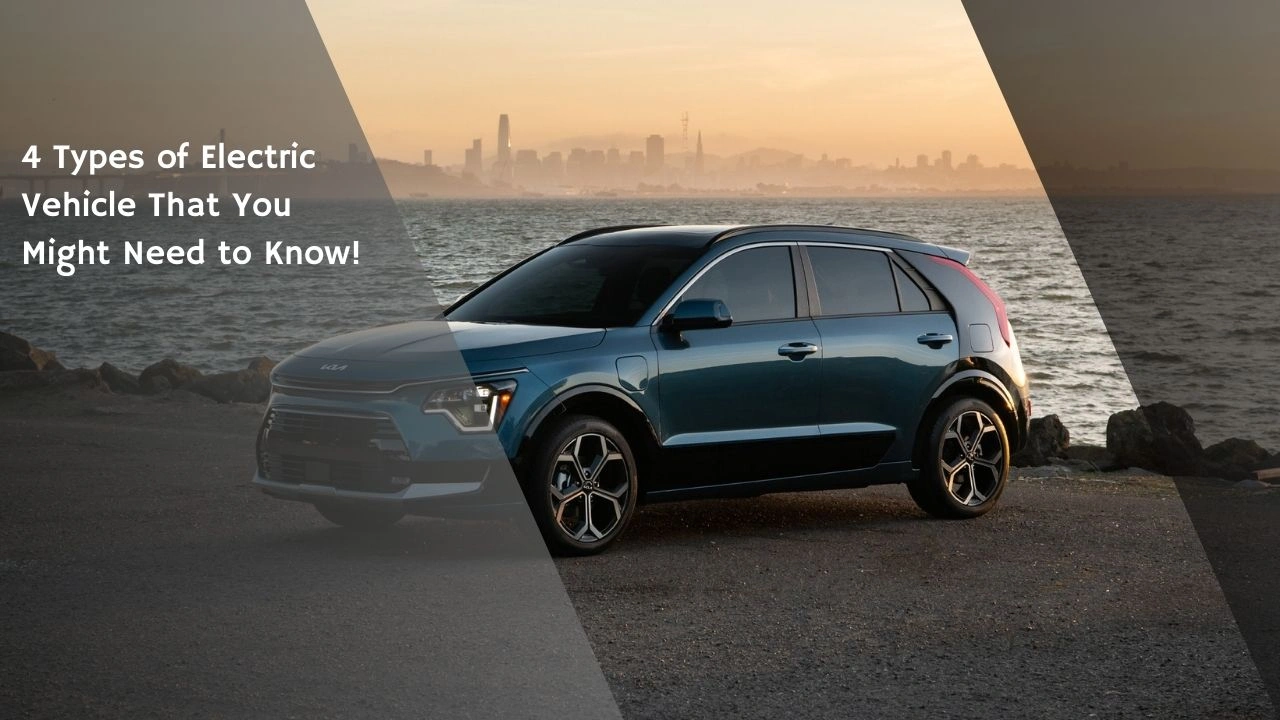
This type of EV is the ultimate fusion of two worlds as they rock both an electric motor and a gas engine, offering the best of both worlds.
You can seamlessly cruise on electric power for shorter trips and then switch to the gas engine for longer journeys.
As they run with both an electric motor and a gas engine, you can plug in your car into a nearby charging station to charge your battery.
Or if you’re short on gas, just cruise around the corner and find yourself a high octane gasoline and just fill her up!
Car Recommendations:
Toyota Prius
Kia Niro
BMW X5 xDrive45e
Ford Escape PHEV
Jeep Wrangler 4xe
Mercedes-Benz S580e
Pros:
Less Fuel Consumption
No Range Anxiety
Lower Emissions
Tax Credits and Incentives
Cons:
Higher Upfront Cost
Added Complexity
Battery Live’s Matters
Limited Cargo Space
3. Hybrid Electric Vehicles (HEV)
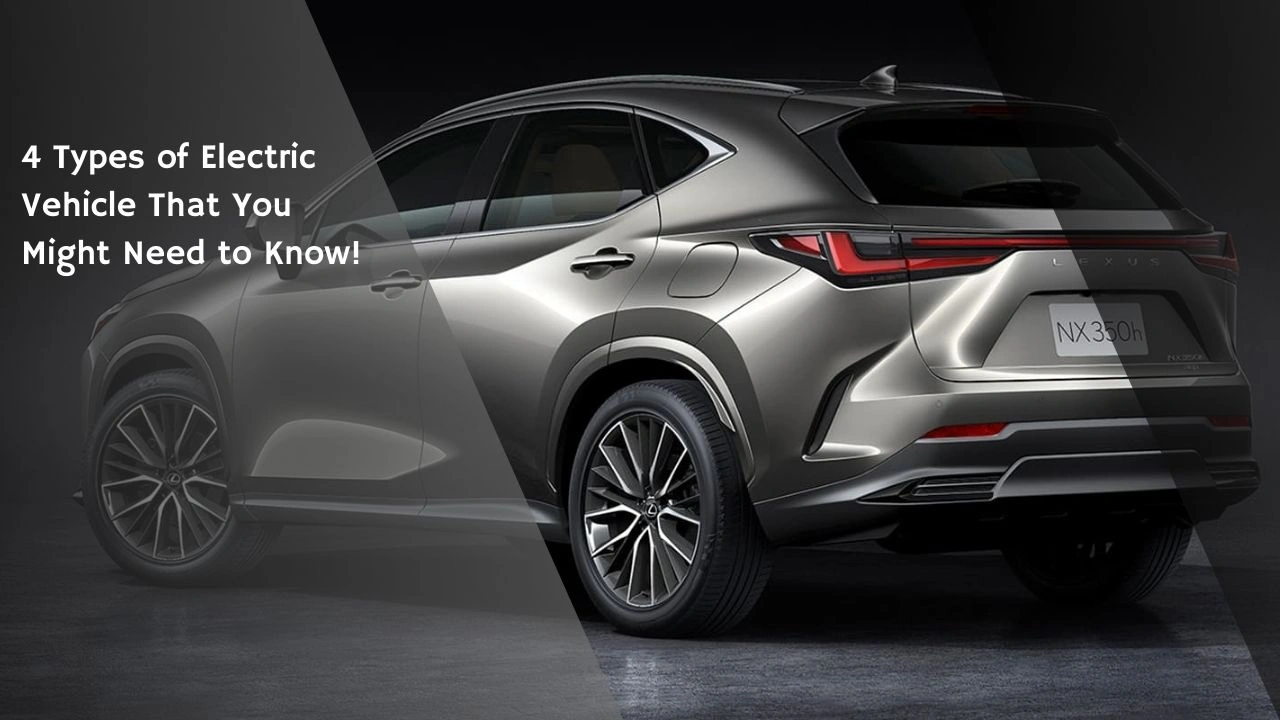
HEV or Hybrid Electric Vehicles are basically a close brother of PHEV with the difference that HEV cannot be plugged in like PHEV.
The same as PHEV, HEV also makes use of a combo of an electric motor and a gas engine, but unlike PHEVs, you can't plug them in to directly charge the battery.
The electric motor featured in this vehicle provides additional power for acceleration and helps improve fuel efficiency, especially during stop-and-go city driving.
And when the brakes is engaged, it captures some of that braking energy and uses it to recharge the battery.
Car Recommendations:
Lexus NX
Toyota Corolla Hybrid
Hyundai Tucson
Kia Niro Hybrid
Toyota Yaris
Honda Civic
Pros:
Reduced Emissions
Smoother and Quieter Driving Experience
No Need to Plug In
Cons:
Higher Upfront Cost
Less Fuel Efficient
Battery Degradation
4. Fuel Cell Electric Vehicles (FCEV)
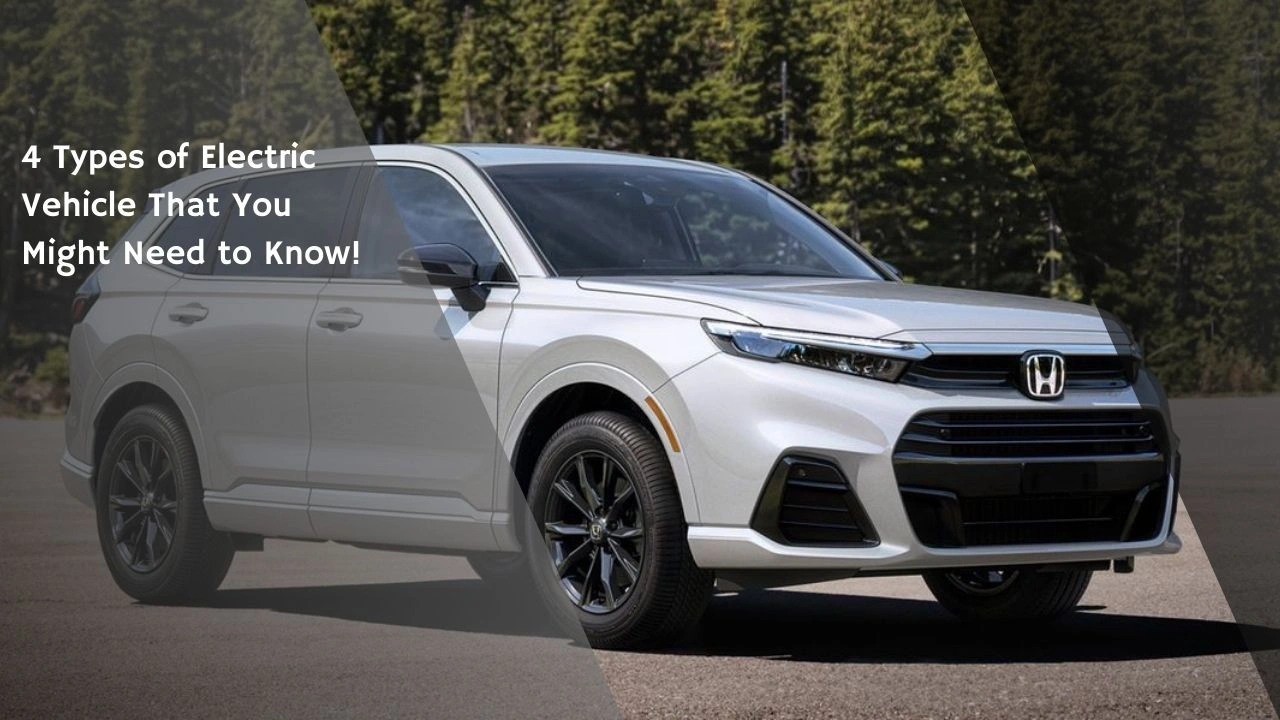
This one is different from the other list that we have covered above. While other EVs are using batteries to generate power thus running the engine, FCEV uses a completely different method.
FCEV use a hydrogen fuel cell and onboard hydrogen tanks to power up its engine.
Through a process called an electrochemical reaction, hydrogen reacts with oxygen from the air and with this reaction produces electricity. This reaction is processed in the magic box called The Fuel Cell.
The reaction that stated above produces electricity, water vapor and heat to power up the electric motor, also the emission that comes after all those processes is just a clean water vapor that comes out of the exhaust pipes, meaning less nasty pollutants to harm our Earth.
Car Recommendation:
Honda CR-V Fuel Cell
Hyundai Nexo
Toyota Mirai
Mercedes-Benz F-Cell
Pros:
Zero Emission
Fast Refueling
Long Range
Cons:
Limited Fuel Station
Less Powerful Acceleration
Still in Development
Here they are, the 4 types of electric vehicle along with its pros and cons and also a recommendation that you might need for your next work-horse.
With all of those things to consider, what do you think are the best EV types that suit you?