A Closer Look to Wireless USB
Wireless USB technology is new USB protocols that allows wireless device to communicate with it. With high practicability, this is a potentials…
Contents
Wireless USB technology is a new USB protocol that allows wireless devices to communicate with it. With high practicability, this is a potential technology.
Now it comes the time when the age of wired connection is about to be considered old-fashioned. It is the time when we are about to leave physical connection line, and move to the new kind of transferring technology that can be done through air.
This is the time when we are going to go “wireless”. Yes, wireless is considered as the future transferring technology.
It’s even believed as the only technology that is relevant to the future concept. And now, we’re going to talk about one example of wireless application called Wireless USB technology.
USB stands for “Universal Serial Bus”. This is an industry standard that was developed in 1990s. Managed by USB Implementers Forum, this technology keeps growing and creating new inventions.
The USB component actually consists of communications protocols, cables, and connectors. These components form a connection bus that is used to transfer power, to connect, or to communicate between one electronic device and another.
With easy and effective connection, USB becomes common connection used in computer peripherals such as keyboards, media players, network adapters, and many others.
Besides, this kind of connection is also used in other electronic devices such as PDA, smartphone, game console, modem, and more.
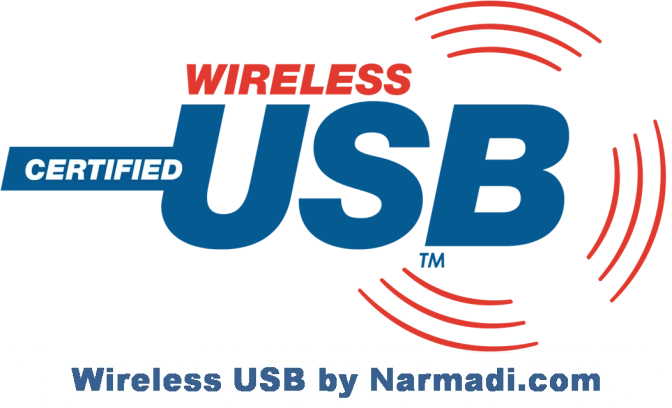
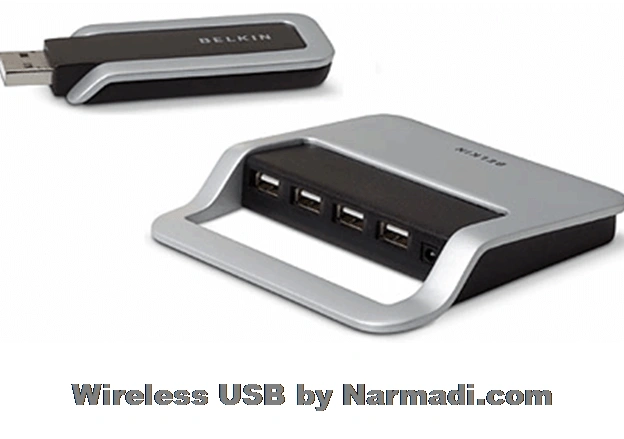
To comply with the current standard, USB Implementers Forum keeps developing their protocols. One result of this development process is Wireless USB.
The announcement of this new wireless technology was aired on September 9th 2013. At that time, the USB Implementers Forum announced the new specification of future USB device.
This is the kind of specification that allows any wireless devices or docking stations to do communications with USB protocols. This kind of connections becomes more interesting without any need of doing physical connection.
By making this connection, the implementers believe that they can leverage current USB infrastructure while at the same time, they are achieving the transfer rate of wireless gigabit.
Then, what kind of wireless that will be the basic foundation of this wireless USB? Surely, it is WiGig. It’s already confirmed that the WiGig Serial Extension (WSE) V.1.2 will be the basic foundation for the realization of Wireless USB technology.
While from the USB side, the current standard USB version 3.0, which is usually called SuperSpeed USB and USB version 2.0 or Hi-Speed USB will be compliant with this technology.
While talking about transfer rate, this kind of USB will be able to transfer about 480 Mbit/s in up to 3 meters of distance. And when the distance is extended to 10 meters, the transfer rate will be 110 Mbit/s.
Issues of Using Wireless USB
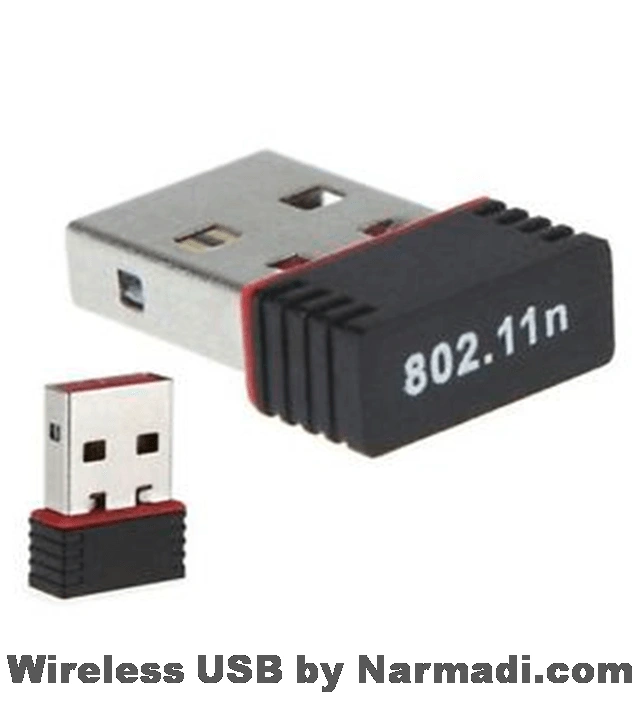
With that transfer rate, the Wireless USB has a high practicability to be applied in several electronic devices.
For example, we can find wireless USB applications in scanners, printers, game controllers, hard disk drives, portable media players, digital cameras, and more. While talking about issues, several issues are surrounding this wireless technology, especially robustness.
Further, corruption and packet loss are also a big issue which is related to the timeout and hardware buffering that usually happen during the connection.
However, wireless USB is something growing. With the further research, this USB will be very potential for the future use. And seeing public enthusiasm toward this technology, we believe that the development of this tech will not just stop.
Benefits of Wireless USB
- No cables needed: Devices can communicate with USB protocols without a physical connection.
- Uses existing USB infrastructure: It builds on the USB standards that many devices already support.
- Wide range of uses: It can be applied in printers, scanners, game controllers, hard disk drives, and digital cameras.
- Tidier workspace: Fewer cables make a desk or room look neater.
Things to Keep in Mind
Like other wireless technologies, Wireless USB still faces some challenges. Robustness, packet loss, and data corruption are among the issues that need attention.
The transfer rate also depends on the distance between devices. Keeping devices closer together helps achieve faster transfers.
Frequently Asked Questions
What does USB stand for?
USB stands for Universal Serial Bus.
Who manages USB technology?
USB technology is managed by the USB Implementers Forum.
What is the basis of Wireless USB?
As explained above, the WiGig Serial Extension (WSE) is the basic foundation of Wireless USB technology.
How fast is Wireless USB?
As mentioned above, it can transfer about 480 Mbit/s at up to 3 meters, and about 110 Mbit/s at 10 meters.
Which USB versions are compatible?
USB 3.0 (SuperSpeed USB) and USB 2.0 (Hi-Speed USB) will be compliant with this technology.
What devices can use Wireless USB?
Scanners, printers, game controllers, hard disk drives, portable media players, and digital cameras.
Well, that’s all of our explanation regarding the Wireless USB. Hopefully this writing will be able to update your technological knowledge.
And, if you have any further questions or idea about wireless USB technology, you can put them in the comment section below.