IoT in the Workplace: Here’s Everything You Need to Know!
IoT in the workplace is slowly changing the way companies operate, improving performance and enabling innovation. This article will dive you into how…
IoT in the workplace is slowly changing the way companies operate, improving performance and enabling innovation.
This article will take you through how IoT can be advantageous, harmful or transformative in the workplace.
IoT in the Workplace: What is That?
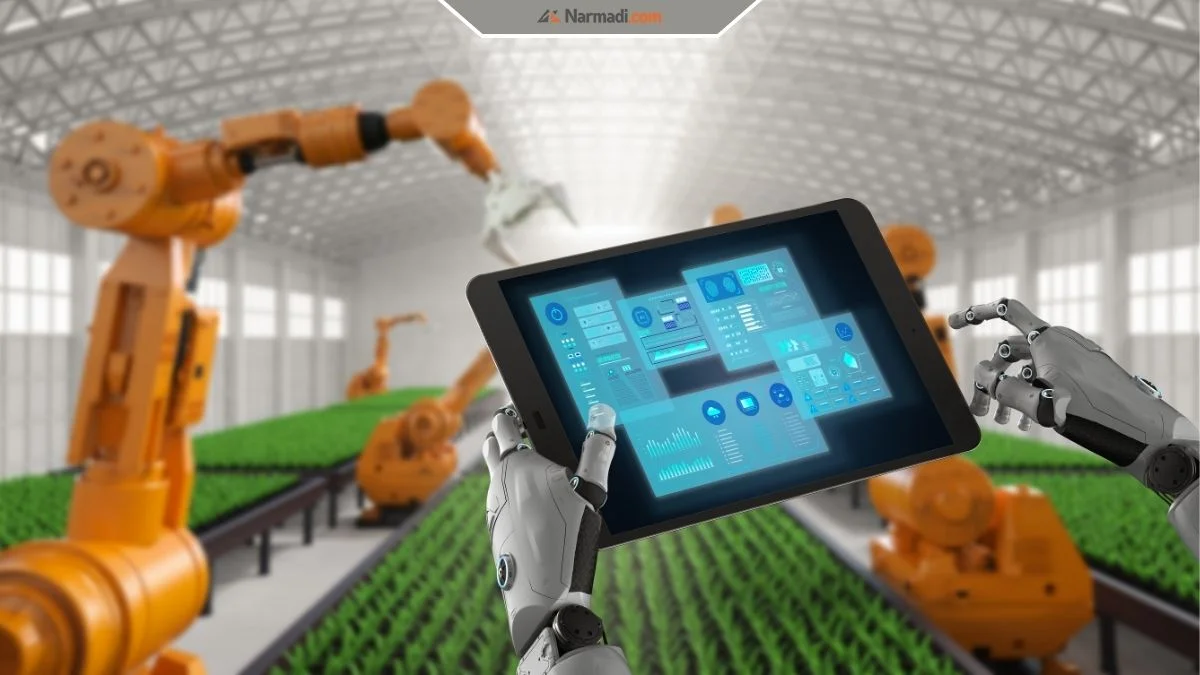
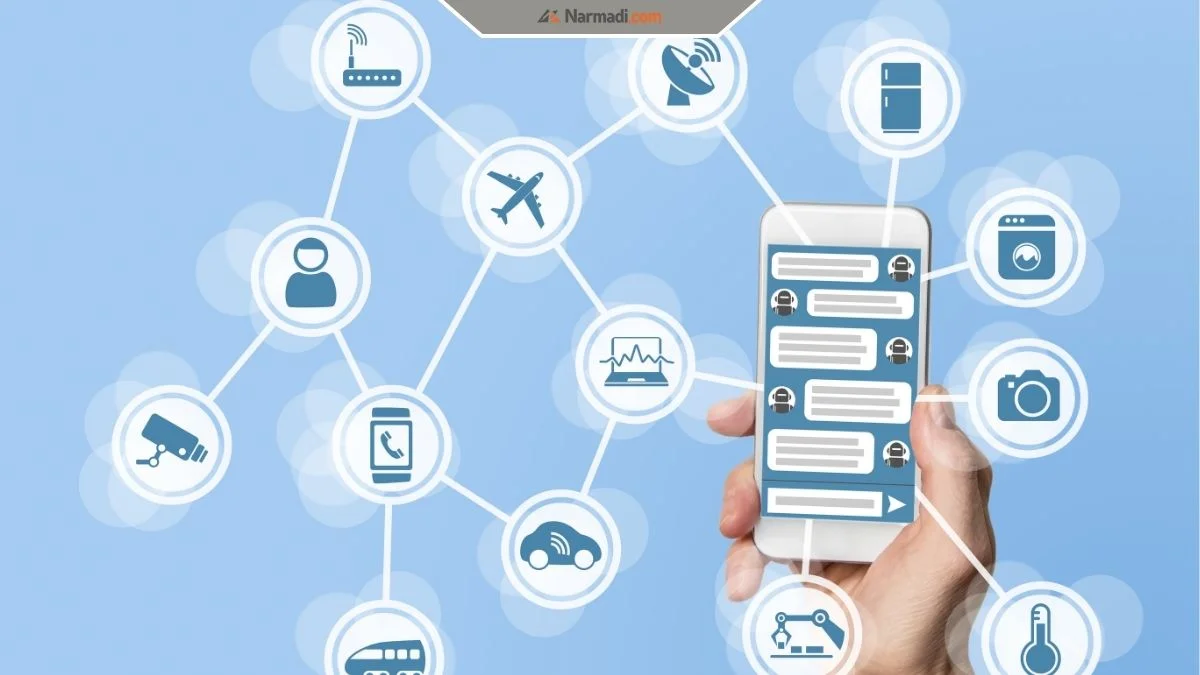
To put it simply, IoT is a network of physical objects that are equipped with sensors, software and connectivity to harvest, share and execute data.
In workplaces, connectivity allows devices, workers and systems to talk to each other more effectively to make better decisions and act based on data which in turn will give a more efficient performance.
Applications
Some IoT applications are as follows:
Smart Offices: The IoT is able to turn offices into smart offices by, for example, implementing lighting and temperature control automation. This not only gives unmatched convenience but also prevents energy waste. You need to read about how IoT works for more insight.
Employee Health Monitoring: By using wearable IoT devices, tracking employee health is no longer a hard task to do which in turn promotes employees’ safety and well-being.
Inventory Management: RFID tags and smart shelves can help warehouses and retail for inventory tracking and management.
Predictive Maintenance: IoT sensors are able to monitor the performance of certain equipment to predict and prevent failures.
The Impact
1. Enhanced Productivity
According to a study by Aruba, 46% of businesses that integrate IoT into their systems reported significant productivity gains.
IoT devices are also able to streamline tasks and automate repetitive processes which in turn allows employees to focus on higher-value activities.
And in addition to that, smart collaboration tools that use IoT are also able to improve remote work capabilities.
2. Improve Employee Engagement and Well-Being
IoT powered tools provide employees with flexibility and a personalized work environment.
A report provided by PwC stated that 57% of employees believe that IoT promotes work-life balance by enabling remote and hybrid working options.
[source: https://www.pwc.com/gx/en/news-room/press-releases/2021/pwc-future-of-work-survey-2021.html]
And in addition to that, smart wearables are able to enhance workplace safety by monitoring environmental conditions and health in real-time.
3. Cost Saving
By optimizing resources, IoT is able to lower operational costs. For example, smart HVAC and lighting systems enable energy consumption reduction by up to 20% in offices.
Other than that, predictive maintenance also reduces unplanned machinery downtime which in turn saves businesses billions annually.
4. Enhanced Security
By employing smart surveillance and access control systems, IoT can also enhance security in offices and warehouses.
Smart security cameras that are connected to IoT networks enable real-time monitoring and alerts to offices and warehouses, thus reducing theft and vandalism.
It doesn’t stop there; biometric access systems also offer great security for sensitive areas within the workplace.
Challenges
While offering a myriad of benefits, IoT in the workplace is not without any difficulties. There are some challenges that businesses must address to fully realize IoT’s potential.
1. Security Risks
The interconnected nature of IoT devices can pose security issues and increase vulnerability to cyber attacks.
A report issued by Kaspersky, one of the giants in the cyber security industry, stated that 43% of companies face IoT-related security breaches annually.
[Source:https://usa.kaspersky.com/about/press-releases/kaspersky-finds-43-of-businesses-dont-protect-their-full-iot-suite]
With that being said, to overcome this challenge companies must implement robust encryption and secure firmware updates.
2. Complexities
Another thing to consider is the nature of IoT that in fact doesn’t have a standard set of connectivity for each device.
This can pose compatibility issues among the diverse IoT devices that can be daunting for companies.
Future of IoT in the Workplace

While there are benefits and challenges with implementing IoT in the workplace, the future of it actually looks promising.
Driven by the advancement in AI, machine learning, and 5G connectivity, here’s what to expect for IoT in the workplace:
AI-driven IoT: The usage of AI will enable more intelligent IoT systems that are able to analyze data in real-time more quickly and also automate decision-making processes.
Edge Computing: IoT devices will increasingly rely on edge computing, which is processing data closer to its location, rather than taking in all of that data to a centralized cloud server. This in turn will reduce latency and enhance performance.
Smart City and Connected Ecosystem: By integrating workplaces with smart city infrastructures, IoT is able to enhance employee mobility and improve resource efficiency.
How to Start Using IoT in Your Workplace
Bringing IoT into a workplace does not have to happen all at once. Here are some practical steps to begin:
- Start with one problem: Pick a clear goal, such as saving energy in the office or tracking stock in the warehouse.
- Run a small pilot: Test a few devices in one area before rolling them out to the whole company.
- Check compatibility: Make sure new devices can work with the systems you already use.
- Put security first: Use encryption, change default passwords, and keep firmware updated.
- Train your team: Employees should understand how the devices work and how their data is used.
Frequently Asked Questions
Is IoT only for large companies?
No. Small offices can also start with simple devices like smart lighting.
What is the biggest risk of IoT at work?
Security, because every connected device can become a target for cyber attacks.
There you have it! Everything you need to know about IoT in the workplace, from its benefits, challenges and what the future might hold.