How IoT Works
The IoT or the Internet of Things may be the one of the dreams that humans have achieved. From science fiction dreams of an automated world, we will…
Contents
The IoT or the Internet of Things may be one of the dreams that humans have achieved.
From science fiction dreams of an automated world, we will now finally be able to bring those dreams into the real world today.
But, what exactly is IoT? And most importantly, how IoT works? Let’s start with the explanation of it to better understand this important innovation!
What is IoT?
Before we dive into our main topic, let’s unveil the definition of the IoT itself, shouldn’t we?
The IoT or Internet of Things is a system of multiple parts, such as computers, machines, mechanical systems or more that is able to send data through a network without any interactions from humans or the computer itself.
See it much like a railroad and its stations. The devices are the stations with the tracks acting like the network and then comes the trains that are the data that travels from device to device and finally the timetable for the trains is the database for the IoT.
In much simpler words, the IoT is a group of objects that are all connected and able to exchange data throughout the created shared system.
The said shared systems can also come together and create larger systems. The projection for the IoT in the future is quite promising too, with the IoT one day may be the only one system that reaches across the world like the Internet today.
How IoT Works
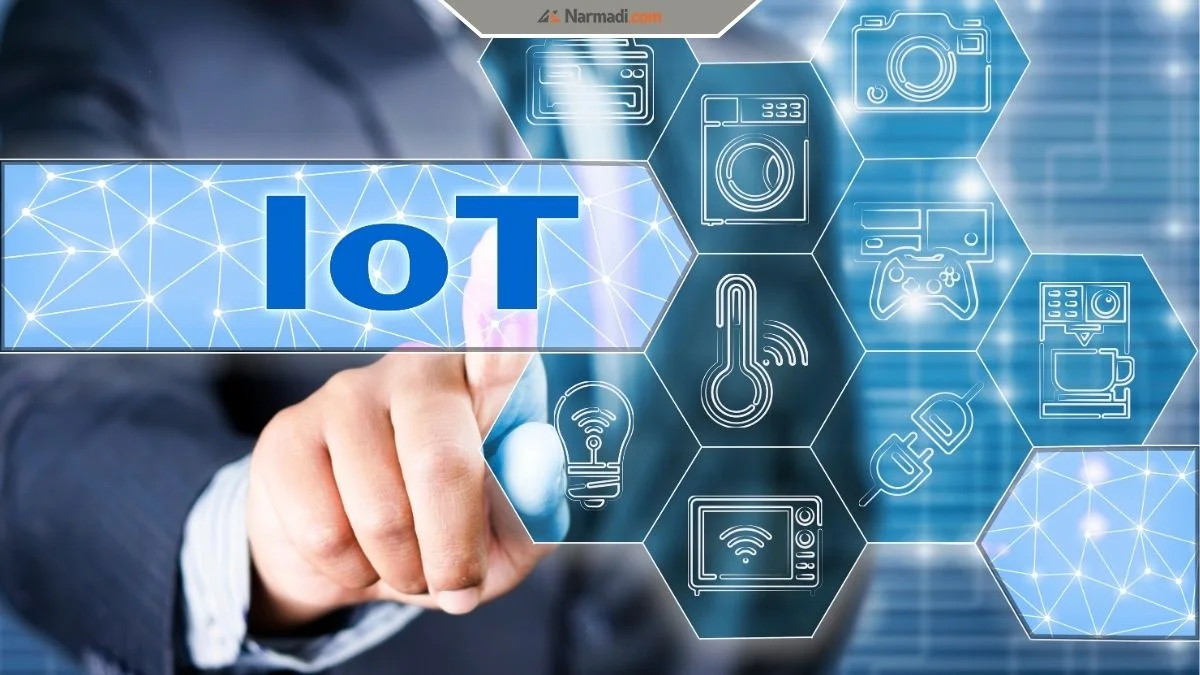
There are 4 key factors that make IoT work which are:
A data collection device
Cloud connectivity
A data processor
A user-facing interface
Here’s the explanation of each component to give you a better understanding about how this technology works.
1. A Data Collection Device
“Data collection devices” sounds fancy, right? Well, it's just a complicated term to define a much simpler meaning.
The data collection devices are things like sensors, smartphones, GPS trackers or other devices that are able to collect data to then send it on to the next step.
These are the “trains” that are also the first step into any IoT system.
2. Cloud Connectivity
The next component of an IoT is the cloud connectivity, or the “railway” that allows the “train” to pass through.
Once the data has been recorded, you need to send it to the cloud. You can choose the data through a variety of choices of clouds that will highly depend on your overall system or your company’s needs.
The most common cloud connectivities are Bluetooth, Wi-Fi, Zigbee or anything that allows network connectivity.
To put it simply this step can be summed in 2 words, “uploading data”.
3. Data Processing
Once you have the data uploaded, the next thing you’ll need is it to be processed by a data processor.
The functions of the devices are performed on this data in order to process the data and send back necessary outputs.
Other than that, this step also incorporates data analysis to identify potential issues before they escalate. With that being said, this step is the most important step in IoT technologies and the analysis must happen at a quick rate to provide better results.
4. User Interface
This is the final step of IoT technology. The data that has been processed then can be presented in an easy to understand format on the graphical user interface (UI).
This is the information that you, as a user, can directly see whether it’s on your smartwatch, smartphone or any other devices.
And one thing to keep in mind is that every IoT device has a different interface as each device has a different task or purpose to accomplish.
Examples of IoT in Everyday Life
The four components above can be found in many things we use every day. Here are some simple examples:
- Smartwatches collect data such as heart rate and show it on a small screen.
- Smart homes use sensors and apps to control lights, doors, and appliances.
- GPS trackers send location data that can be viewed on a smartphone.
- Factories use connected machines to monitor performance and spot problems early.
Why Each Step Matters
Every step in an IoT system depends on the others. Without data collection, there is nothing to process. Without connectivity, the data cannot reach the cloud. And without a clear interface, users cannot understand or act on the results.
Frequently Asked Questions
What are the four key components of IoT?
They are a data collection device, cloud connectivity, a data processor, and a user-facing interface.
Which connections are commonly used in IoT?
Common options include Bluetooth, Wi-Fi, and Zigbee.
Why is data processing important?
It turns raw data into useful outputs and helps identify potential issues early.
Does every IoT device have the same interface?
No. Each device has a different interface because it has a different task or purpose.
Can small IoT systems form larger ones?
Yes. Shared systems can come together and create larger systems.
So there you have it, the explanation of how IoT works!