An Explanation of Short Range Device and Its Application
Contents
With the wide range of usage, short range device has been something important in life. So, to help you understand it, here's the explanation about it.
One of the problems in the technology is that sometimes people don’t really understand about technology they are using. As a result, they know nothing when something unusual happen to their devices.
Indeed, it is actually not really necessary to understand about the technology detail of our device. But, if we know the basic information of it, at least we will understand what we should do when something weird occur. And this is the case that usually happens on the Short Range Device.
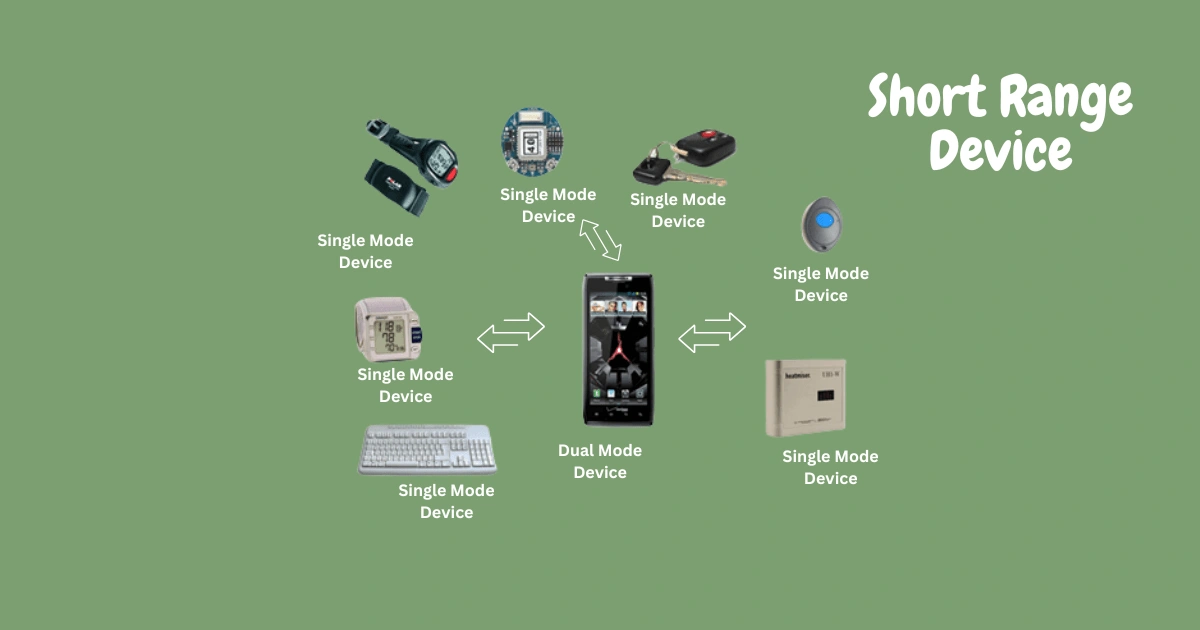
Short Range Device, or usually called SRD is an electronic device which transmits radio frequency for data transmission.
The radio frequency used here should be the one that has low capability to cause interference to the other devices that also work based on the radio frequency.
This kind of device usually employs low power transmitter to avoid such kind of interference. The power typically is ranged between 25-100 mW for ERP (effective radiated power) or less than that.
The amount of this power usually depends on the frequency band used by the device itself. By limiting the range of usage to be only few hundred meters, this device doesn’t need user’s license.
With this specification, Short Range Device module can be applied in several kinds of devices.
Some of them are access control such as gate and door opener, detector and alarm, NFC, Tire Pressure Monitoring System, CCTV, Medical implants, LAN, and telemetry.
Moreover, Short Range Device is also used in several other aspects such as traffic sign, barcode reader, industrial control, car keys, sensor, movement and motion detector, and many others. With the wide range of usage, we can understand that this technology is really important.
Short Range Device Needs to Obtain DJID Type Approval Before Marketed in Indonesia
As we all know, every single post and telecommunication device need to obtain certification when they are about to be distributed in certain country.
And for Indonesian market, DJID type approval is the kind of certification that should be obtained before the post and telecommunication devices are distributed around the nation.
Therefore, every manufacturers that are about to distribute their post and telecommunication devices should obtain this certification before dealing with Indonesian market.
Further, it is generally known that Short Range Device (SRD) employs frequency to get work. In other words, it is classified as the post and telecommunication devices.
And based on the Indonesian Regulation No. 161 Tahun 2019 about telecommunication devices certification, every communication device that still being produced, assembled, used and traded in Indonesian territory, is mandatory to have type approval certification.
Short Range Devices in Your Daily Life
Here's the thing. You probably use Short Range Devices every day without realizing it. Let's look at some examples from the list above.
- At home: door openers, alarms, and CCTV.
- In the car: car keys and Tire Pressure Monitoring Systems.
- At the store: barcode readers and NFC payments.
- At work: access control, LAN, and sensors.
- In industry: industrial control and telemetry.
- In healthcare: medical implants.
Surprising, right? This small technology quietly helps many parts of our daily life.
Why Low Power Matters
As explained above, SRDs use low power transmitters, typically 25-100 mW ERP or less. This keeps their range short and reduces the chance of interfering with other devices. That is also why they don't need a user license.
Tips for Manufacturers of SRD Products
- Know the frequency band your device uses.
- Check the power level against the applicable limits.
- Prepare complete technical documents.
- Plan the certification process before the product launch.
- Choose the certification route that fits your company best.
Frequently Asked Questions
What is a Short Range Device?
An electronic device that transmits radio frequency for data transmission, with low capability to cause interference.
Does an SRD need certification in Indonesia?
Yes. As explained above, it is classified as a telecommunication device, so it must obtain type approval certification before being distributed.
Why don't SRDs need a user license?
Because their range is limited to only a few hundred meters and they use low power.
What are some common uses of SRDs?
Gate and door openers, alarms, NFC, TPMS, CCTV, LAN, telemetry, barcode readers, car keys, and motion detectors.
Small device, big role. That is the Short Range Device.
Knowing the basics helps you understand what to do when something unusual happens to your devices.
In closing, there are several ways in getting DJID Approval. Each of them has their own positive and negative sides. Firstly, manufacturers can process this certification by itself.
Of course, this way will be a little bit complicated. It is because dealing with the local bureaucracy is not something easy.
Therefore, sometimes manufacturer prefer to use the second way, it is by the help of local agent. By using agent, everything will be easy since all of the procedure will be done by the agent.