What is Internet of Things?
What is Internet of Things? For the past few years, Internet of Things or IoT has become one of the most important technologies of the 21st century.
A lot of technological and communication improvements today are thanks to Internet of Things.
The communication devices, and other technology that you use around you are the combination of several systems that are connected with IoT.
So what exactly is Internet of things? How does it ease our daily life? Let’s break it down here!
What is Internet of Things?
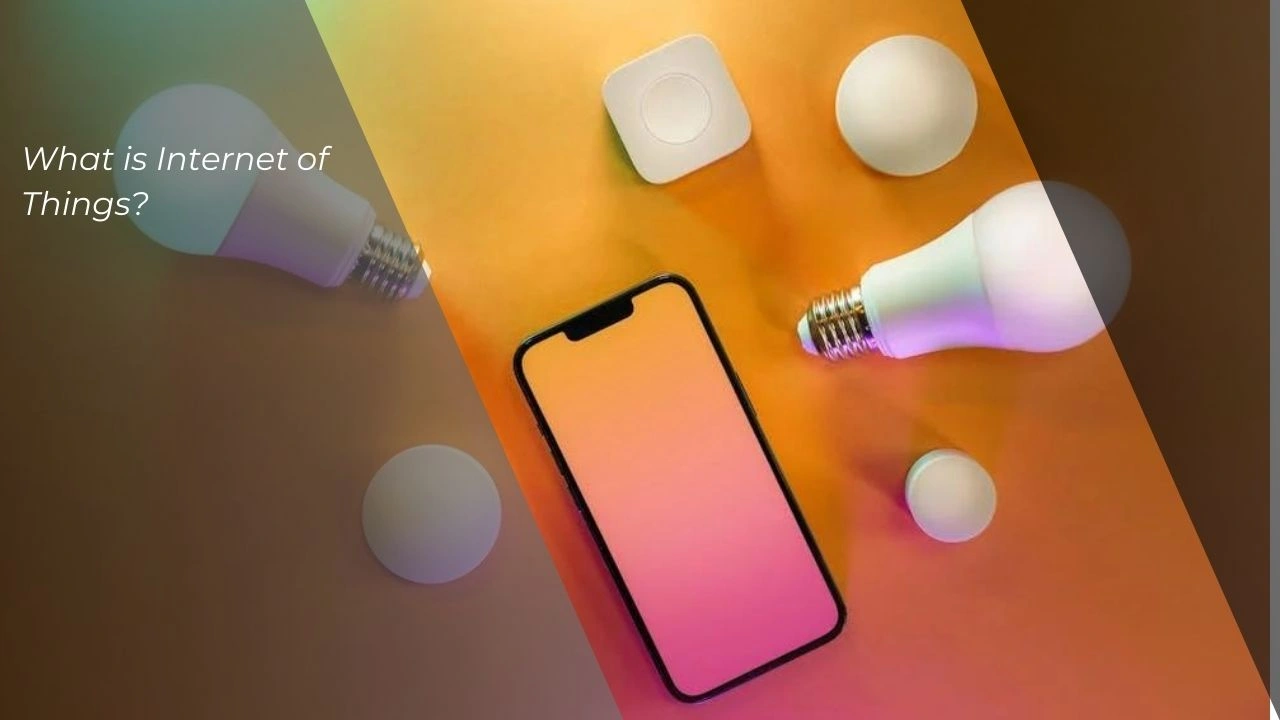
Internet of Things or most commonly known as IoT, refers to a network of devices that are embedded with sensors, software and other technologies.
Those aspects enable them to connect and exchange data with other devices and systems over the internet or other communication networks.
So, to put it simply, imagine Internet of Things as devices that could all chat with each other and the internet.
These devices are often referred to as “smart objects”, and their applications could range from appliances in your kitchen to high-tech machinery in a factory.
How Internet of Things Works?
Basically, IoT works by connecting several components like software and hardware to the internet connection, with 3 key components that make Internet of Things work such as sensor, gateway and cloud.
So here are the basics of how Internet of Things works:
First, The sensors receive the data, think of the sensor as the ears and eyes of the IoT that collects data like pressure, motion, temperature or location that can be further transmitted to be processed and analyzed.
Second, The collected data then needs to talk to each other and also to the central systems and sent to the cloud server that is connected to the internet connection.
Finally, the data that has been analyzed and processed are turned into meaningful insight and can be executed by the user.
Real-World Applications of IoT
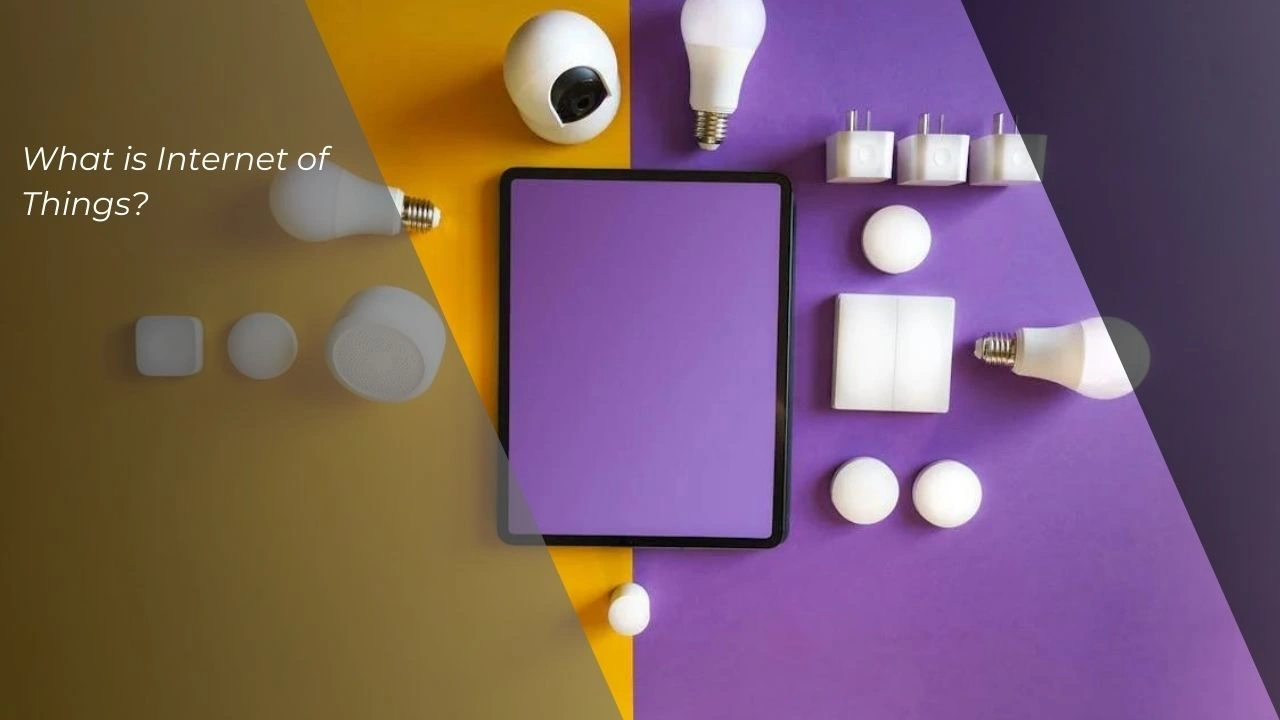
IoT applications are vast and constantly evolving. Here are the real-world applications of IoT:
Household Application: IoT can be used effectively in a smart-home setting. Imagine an automatic door that locks when you leave, or a voice-controlled lighting that’ll turn off with your voice command.
Industrial: The IoT can monitor the performance and productivity in industrial settings. Connected machines can monitor performance, predict maintenance needs, and optimize production processes, thus improving the output and quality control.
Agriculture: Farmers can monitor the soil moisture, managing irrigation systems and tracking the crop health more efficiently and accurately with the use of IoT
Personal: Smartwatch, fitness trackers and other wearable devices that can be used to collect personal data such as heart rate, sleep patterns and more are prime examples of IoT application.
Pros and Cons of IoT
IoT might be useful and convenient but it doesn’t mean that IoT is without any disadvantage, here are things to consider with IoT.
Pros:
Convenience
Efficiency
Safety and Security
Cons:
Privacy Concern
Complexity
Compatibility
Tech Addiction
A Closer Look at the Pros and Cons
Pros
- Convenience: Devices can work automatically, such as lights that turn off with a voice command.
- Efficiency: Machines can predict maintenance needs and optimize production.
- Safety and security: Connected systems can monitor conditions and alert users quickly.
Cons
- Privacy concern: Many devices collect personal data, so it needs to be protected.
- Complexity: Setting up and managing many connected devices can be complicated.
- Compatibility: Devices from different brands do not always work well together.
- Tech addiction: Relying too much on technology can make us more dependent on it.
Frequently Asked Questions
What are the key components of IoT?
The three key components are the sensor, the gateway, and the cloud.
What are smart objects?
Smart objects are devices with sensors and software that can connect and exchange data with other devices.
Where is IoT used?
It is used in homes, industry, agriculture, and personal devices such as smartwatches and fitness trackers.
What does a sensor do in IoT?
The sensor works like the eyes and ears of IoT, collecting data such as pressure, motion, temperature, or location.
How does IoT help farmers?
Farmers can monitor soil moisture, manage irrigation, and track crop health more efficiently.
Do IoT devices need certification in Indonesia?
Since they use radio frequency technology, they are subject to DJID certification.
So here are all the things you need to know about the Internet of Things. With technological advancement, these things can be both your new best friend and also your worst nightmares.
But it all depends on how we see and use this technology to further increase our productivity, skills, and ease our daily life and not turning it upside down and turning us into more tech-dependent people.
With all of these things in mind, we should know that all of the IoT devices are using radio frequency technology to work.
Radio frequency technology is one of the things whose use is strictly regulated by the Indonesian government, through DJID Certification.
If you want to know more about this, go check the post about type approval certification!