
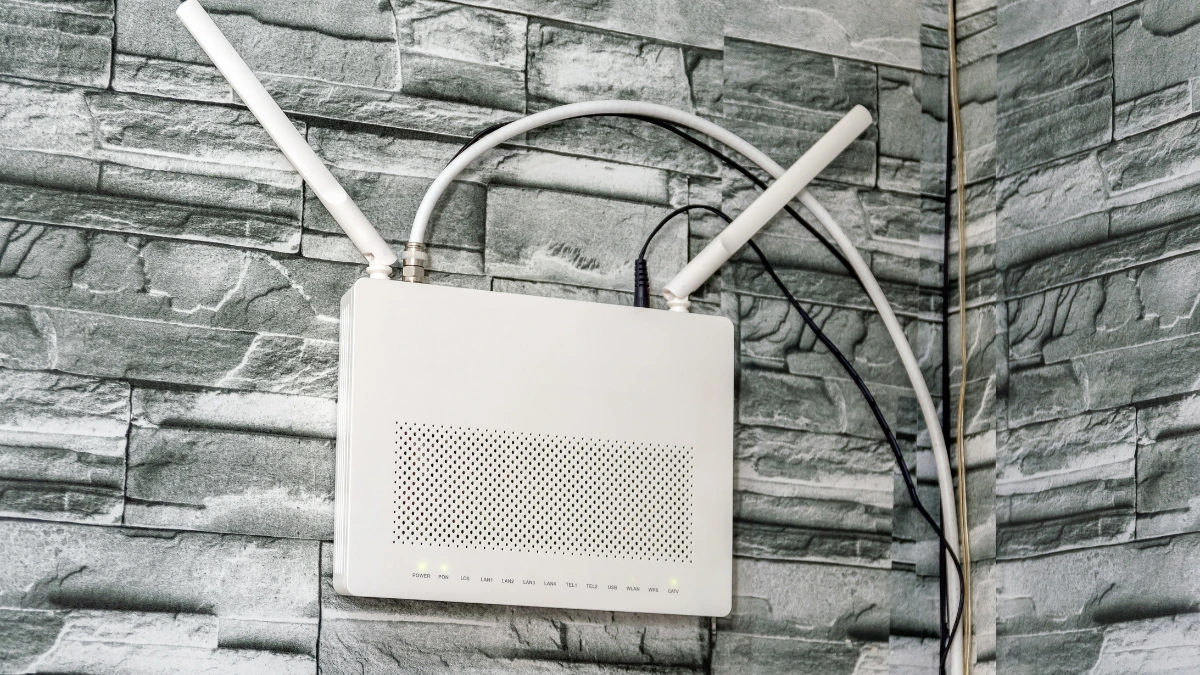

Without realizing it, routers play an important role in everyday life to maintain our digital connectivity.
Without a router, of course, there are many things we cannot do, such as remote work, streaming entertainment, and maintaining family communication.
So, what is a router? How does it work? This article will provide you with a little depth regarding this small device, from the definition, how a router works, its functions, types, and its regulation in Indonesia.
What is a Router?
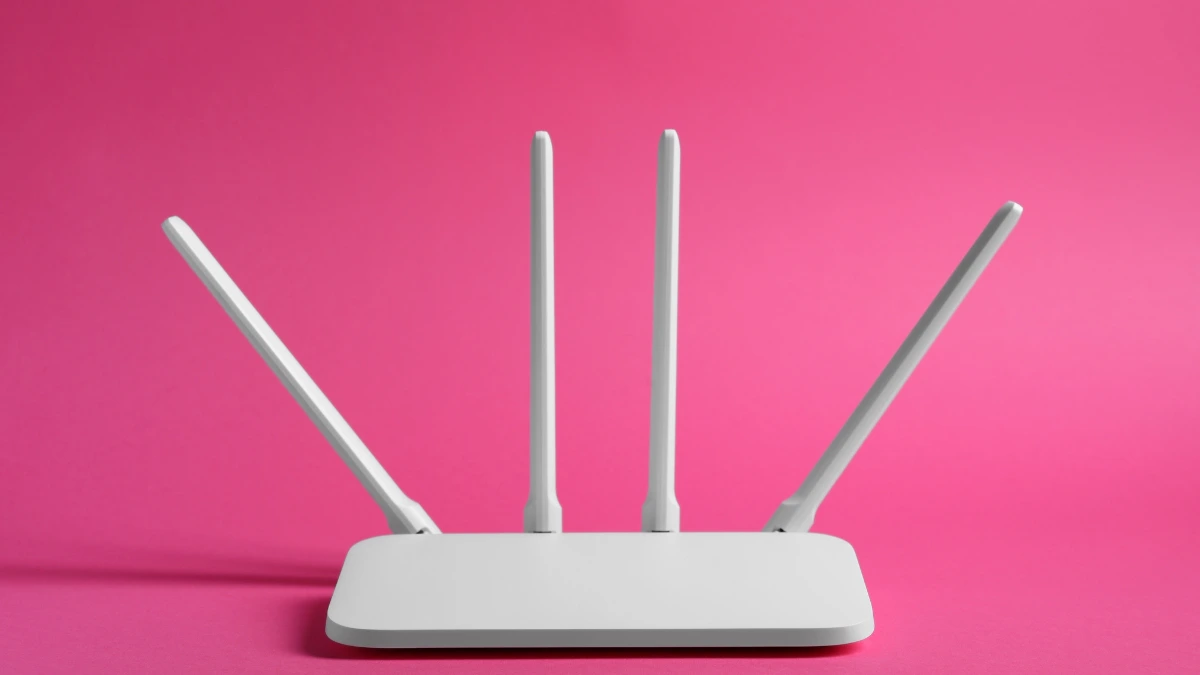
These devices that were first developed in the 1970s. The growing need for communication between computers made this device initially used in military and university systems.
Routers work in managing the data traffic of various devices such as smartphones, laptops, tablets, and so on over the internet. The router functions as a bridge that channels the internet to various devices.
Routers function to receive, analyze, and forward data packets between networks. Multiple devices can be connected to the same internet connection by using a router.
With its capabilities, these devices today are like items that must be used at home or in the office to maximize digital connectivity.
How it Works?
How router works is very simple by receives, analyzes, and forwards the IP addresses of data packets to the correct destination. This process is commonly referred to as routing. Here’s how it works in detail:
- Receives signals: Receives the signal from the connected modem.
- Reads the header of the data packet: The device reads the source and destination IP addresses, the protocol used, and other data.
- Chooses the best path: Uses the routing table to determine the best path to send the data packet to the destination.
- Forwarding data packets: Forwards the data packets to the destination safely and efficiently.
In addition, the device also works to secure the network by filtering data packets and protecting against cyberattacks.
The Functions
The device primarily function to receive, analyze, and forward data packets between networks. But this device also has various additional functions to maximize digital connectivity. Here are some of the main functions of a router:
- Connecting local networks to the internet: Become a link between the network at home or office (internal network) and the internet network (external network).
- Routing data between networks: Choosing the best path to send data so that it reaches its destination quickly and efficiently.
- IP address setting: Assigning IP addresses to devices and communicating between devices connected in the network.
- Internet connection sharing: Sharing an internet connection to several devices at once so that they can connect to the internet simultaneously.
- Securing the network: Protect the network from outside threats with firewalls, Network Address Translation (NAT), and security settings.
The Types
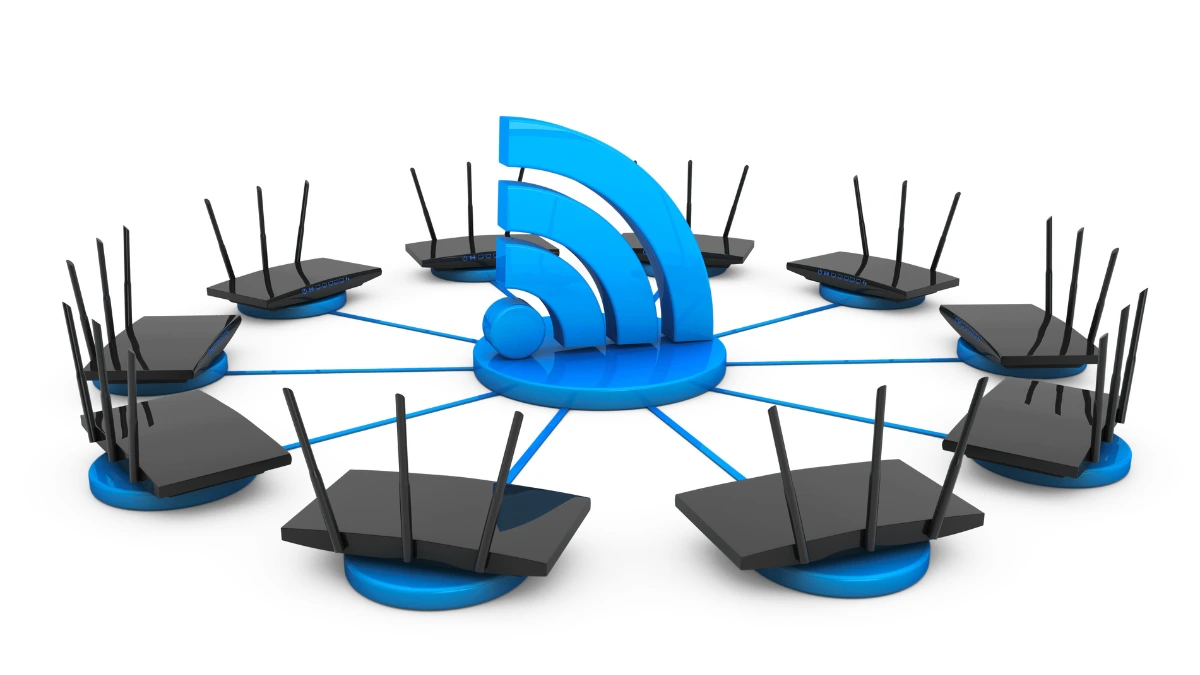
Core
Router cores are used in large network infrastructures to handle the main traffic of the network. These devices are commonly used in large companies to connect the devices inside to a single internet network.
Edge
Edge routers are also used in large enterprises, but are used to manage the connection of a Local Area Network (LAN) to an external network or Wide Area Network (WAN).
Wired
Wired routers are used for home internet users who need a stable and fast connection. This type of router connects devices using a LAN/Ethernet cable.
Wireless
Wireless products are used by small-scale home or office internet users. This type of router connects devices wirelessly by relying on WiFi.
Distribution
Distribution routers are used to distribute edge routers using cables, which will then be transmitted via WiFi to user devices.
Virtual (cloud-based)
Virtual routers are used by large companies and internet service providers. This type of deice is a cloud-based software that provides a network for an internet service.
The Regulations in Indonesia

The product uses communication technologies such as Cellular Networks or WiFi that operate within a specific frequency spectrum. In Indonesia, any Cellular Networks or WiFi-based wireless device is required to have a DJID (Directorate General of Digital Infrastructure) under the Ministry of Communication and Digital (KOMDIGI).
The regulation is based on KEPMEN No. 352 Tahun 2024 for SRD and KEPMEN No. 12 Tahun 2025 for WiFi, which requires all radio frequency-based devices to meet specific technical standards before being sold in the country.
The DJID certification ensures that the product meets government safety and quality regulations and does not interfere with other communication devices. The certification process involves technical testing, such as frequency adjustments, safety checks, and compatibility with the surrounding environment.
Once the tests are completed, products that pass are listed in a Test Result Report, which confirms that the product is safe and ready for sale in Indonesia. This report reassures customers that the product meets technical standards and is secure.
For companies wanting to sell a router in Indonesia, we are available to assist with this process. This service includes preparing technical and legal documents, conducting required testing, ensuring compliance with regulations, helping companies streamline the certification process, and giving consumers confidence in certified products. [UN]