


When building a reliable wireless network, it is important to understand the different types of access points.
Each type of access point has characteristics and advantages designed to meet different network needs. Use in homes, small offices, or large-scale environments will require different networks.
This article will discuss three types of access points to consider when choosing this technology.
The Types of Access Points
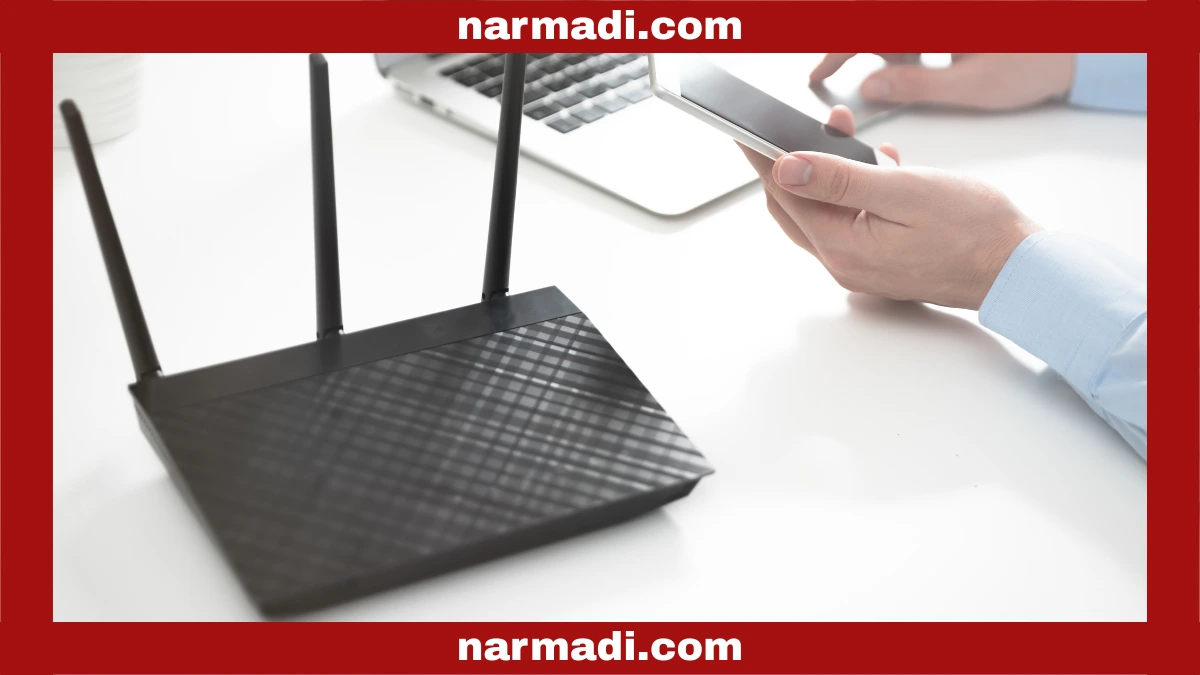
Here are some commonly used types of access points and their explanations:
1. Standalone access point
A standalone access point is a device that operates independently without requiring a central controller or additional network control system. This type is generally used for simple networks that are not too large and do not require many access points.
Suitable for:
- Private homes
- Small shops
- Offices with a limited number of devices
This type consists of only one or two access points. The WiFi network can be extended to all necessary areas.
Since configuration is done directly on the device, network management can be done easily. However, its use will be less efficient if used in large numbers.
Advantages:
- Easy installation
- Relatively more affordable price
- Flexibility in placement
- Improves overall network performance
However, standalone access points are not suitable for environments with many user devices or more centralized management needs.
2. Controller-based access points
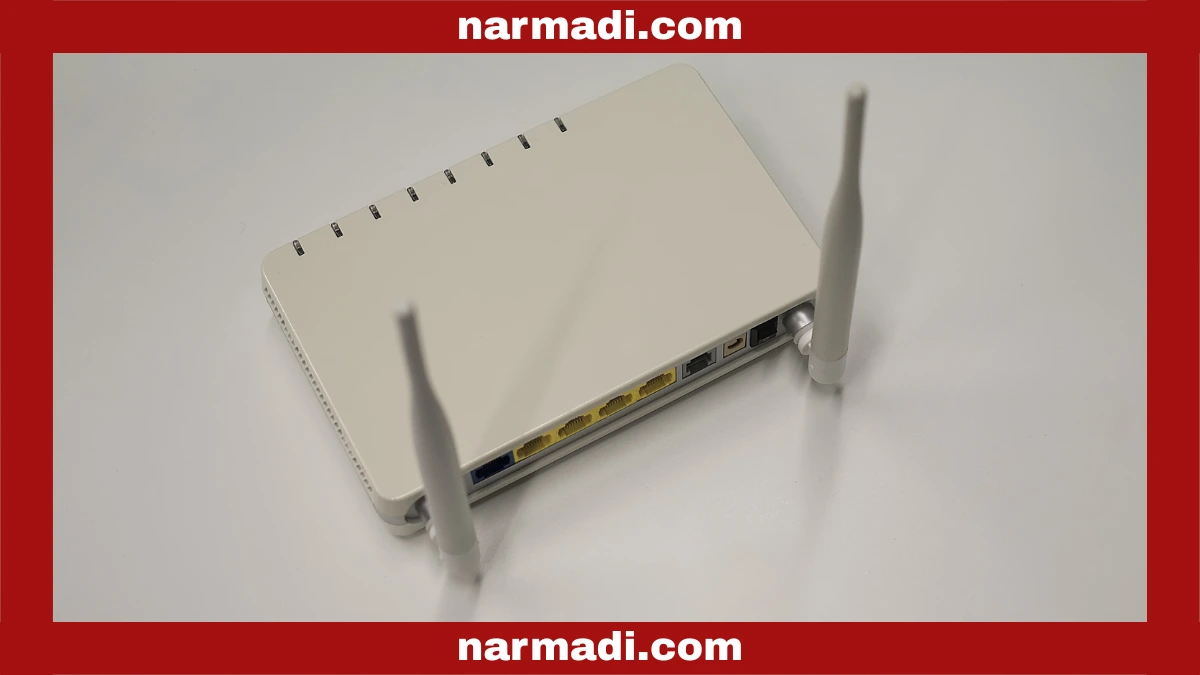
Controller-based access points are designed for use in large, complex network systems. These access points operate independently but are managed by a central device called a wireless controller (WLC).
Examples of use:
- Large companies
- Campuses
- Hospitals
- Government buildings.
This controller centrally organizes, monitors, and manages all access points connected to the network. Network administrators can manage network settings, including security, SSID, bandwidth, and performance monitoring, all from a single central interface.
With this system, network management becomes more efficient, especially when using a large number of access points. In addition, users of this device also benefit from easy firmware updates, centralized security settings, and automatic connection settings when users move locations (roaming).
3. Mesh access points
Mesh access points are part of a mesh network system, which is a wireless network consisting of several access points (nodes). They communicate with each other without requiring a cable connection for each unit.
Each access point in the mesh system works together to form a single, extensive, and stable network. This system is ideal for environments with many physical obstacles, such as thick walls or multi-story rooms, which typically interfere with conventional WiFi signals.
Mesh networks allow signals to move smoothly between nodes. This ensures that connections remain strong and stable throughout the area. The main advantages of mesh access points are the flexibility of device placement and the ease of network expansion.
If there is an area with a weak signal, users can add another node without having to pull new cables. In addition, these systems are usually equipped with smart management features that can automatically switch users’ connections to the node with the strongest signal.
Those are the three types of access points to consider when choosing the device that best suits your network needs, whether for personal or professional use. If you need an access point for a small-scale setup, consider using a standalone access point.
Controller-based access points can be used for those who want centralized controller management on a large scale. Meanwhile, mesh access points can be used to create a connected wireless network for wide coverage. [UN]