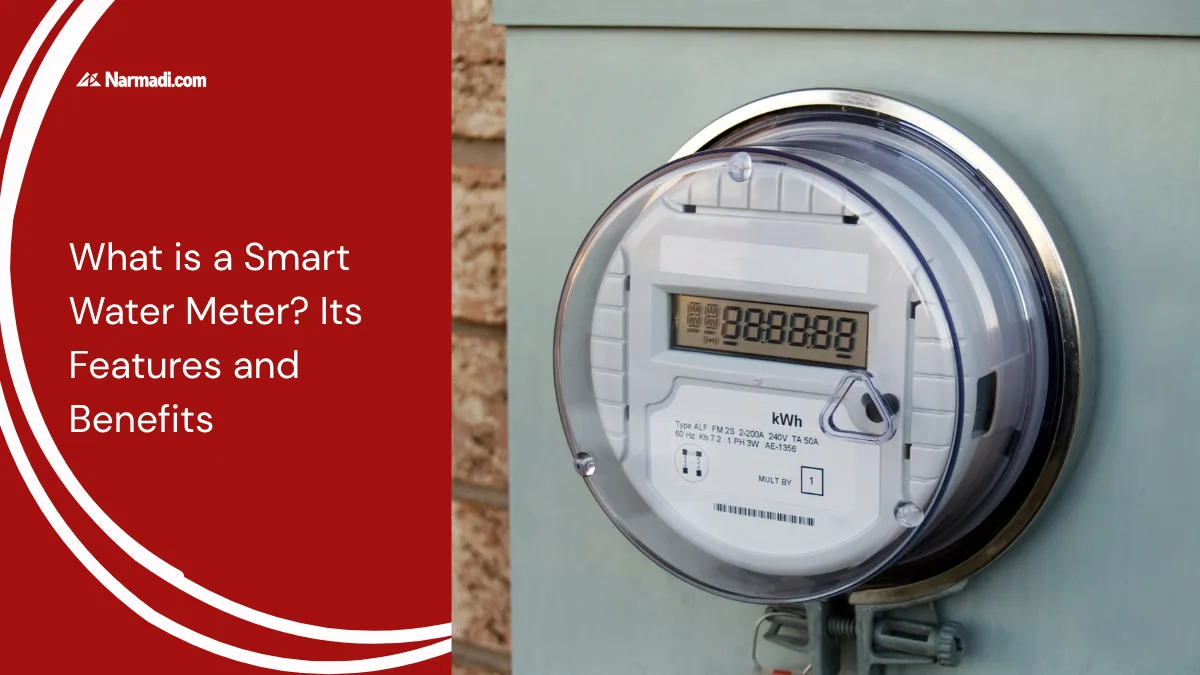

The innovation of the growing Internet of Things (IoT) has penetrated many household tools, one of which is a smart water meter.
Digital technology and IoT connectivity make smart water have functions that benefit our daily activities by making water use more efficient.
Are you familiar with the features and benefits of smart water meters? This article will discuss the definition, features, benefits, and usage regulations of smart water meters.
What is a Smart Water Meter?
Smart Water Meters are just like traditional water meters but equipped to automatically measure, monitor, and transmit water usage data. It is also equipped with digital technology and Internet of Things (IoT) connectivity, enabling real-time, automatic monitoring of water usage and remote access.
How does it work?
In general, smart water meters work the same way as conventional water meters. The impeller inside the meter rotates as water flows tangentially through the inlet.
The number of impeller rotations is continuously recorded. This is tracked via a gear reduction mechanism, allowing the cumulative flow through the water meter to be recorded.
What distinguishes this smart device from conventional ones is its ability to be controlled remotely via a connected app.
Additionally, you can also connect it to various other smart home devices. This enables the automation and modernization of water management.
The features
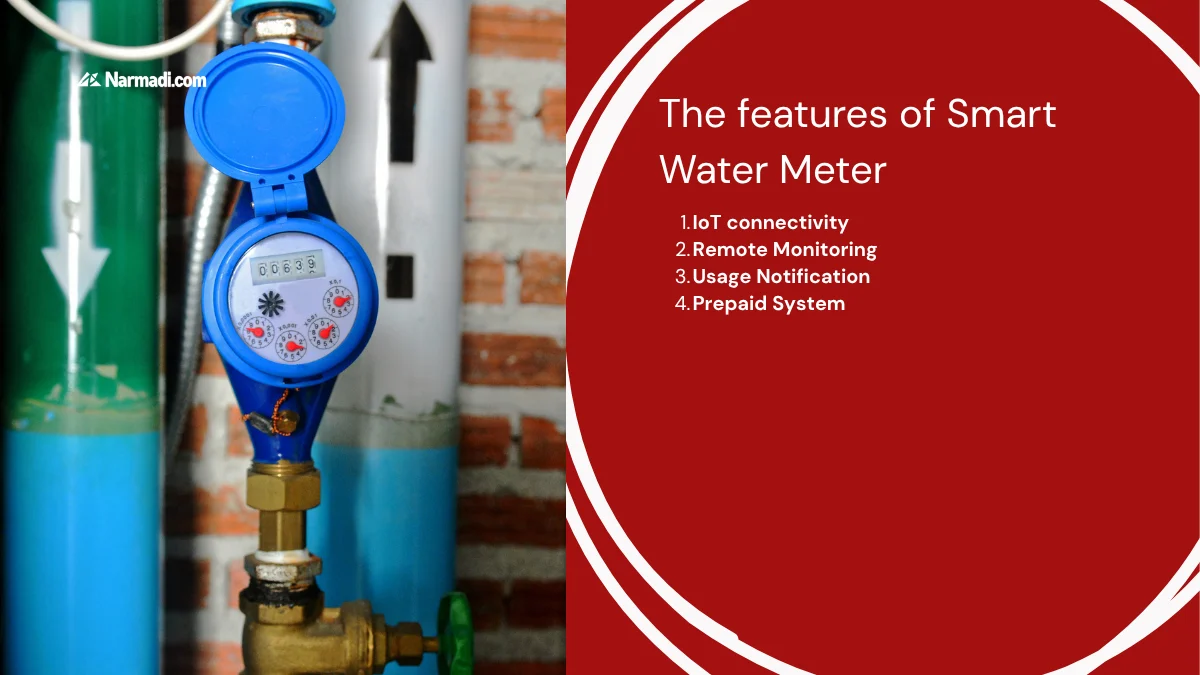
In general, a smart water meter has some main functions such as IoT connectivity, remote monitoring, and usage notification. Here are some features you can enjoy:
- IoT connectivity: The meter is connected to an IoT network, allowing communication between the device and the central system.
- Remote Monitoring: Users can access water usage data through an app or online portal.
- Usage Notification: Users can know if there is an unnatural increase in water usage to detect leaks or wasteful usage through notifications sent to the app.
- Prepaid System: Some devices are equipped with a prepaid system, allowing customers to control their water usage. If the prepaid balance runs out, the valve on the meter will also automatically close.
The Difference Between a Smart and a Conventional Water Meter
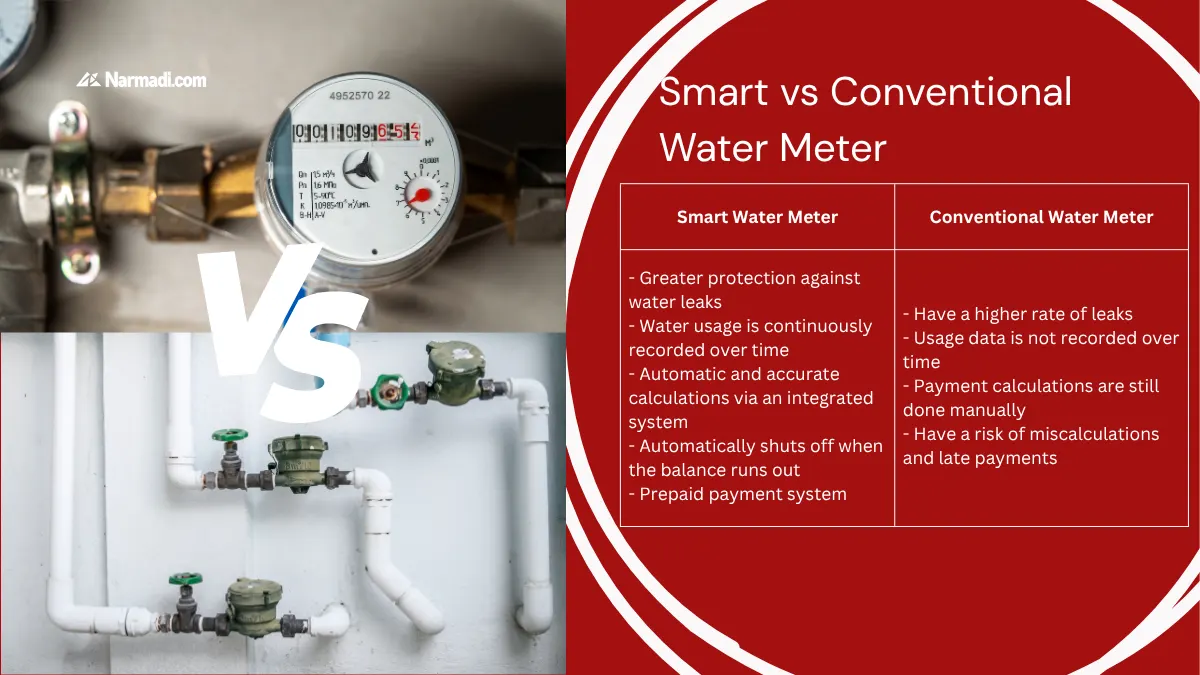
In terms of function, smart and conventional water meters share similarities, particularly regarding water distribution for household use. However, it cannot be denied that there are significant differences between the two.
Smart water meters offer greater protection against water leaks. Water usage is continuously recorded over time through automatic and accurate calculations via an integrated system
The smart water meter’s valve will automatically shut off when the balance runs out. The prepaid payment system also helps you save money and avoid late payments.
Meanwhile, conventional water meters have a higher rate of leaks. This is because usage data is not recorded over time. Payment calculations are still done manually, which increases the risk of miscalculations and late payments.
The Benefits
Using a smart water meter provides quite a lot of benefits, from water use efficiency, reduced operational costs, and accuracy of readings. Here are some of the benefits:
1. Water use efficiency
Water use with smart water meters becomes more efficient because it is equipped with a notification feature that can identify leaks and water usage patterns. So you can take action to reduce waste if there is abnormal water usage.
Smart water meters also make it possible to help optimize water distribution and improve the efficiency of the piping system. By helping to save water and improve efficiency, the device contributes to the sustainable use of water resources.
2. Reduced operational costs
With notifications on smart water meters that can help reduce waste, of course, it makes it possible to control operational costs in water use. Accurate readings of water consumption also, of course, avoid inappropriate bills from water supply services.
You can also pay for water according to usage with a prepaid payment system, helping to reduce payment arrears as well.
3. Reading accuracy
The use of digital technology in smart water meters reduces human error in meter readings. With an automatic reading system on the device, of course, it reduces the need for human intervention, thereby reducing the risk of errors and making measurements more efficient.
Usage Regulations
The smart water meter operates within a specific frequency spectrum. In each country, all Bluetooth or WiFi-based wireless devices must have a Type Approval Certificate.
we are ready to assist in type approval process. Our services include preparing technical and legal documents, conducting necessary testing, ensuring compliance with national regulations, and helping companies streamline the certification process. [UN]