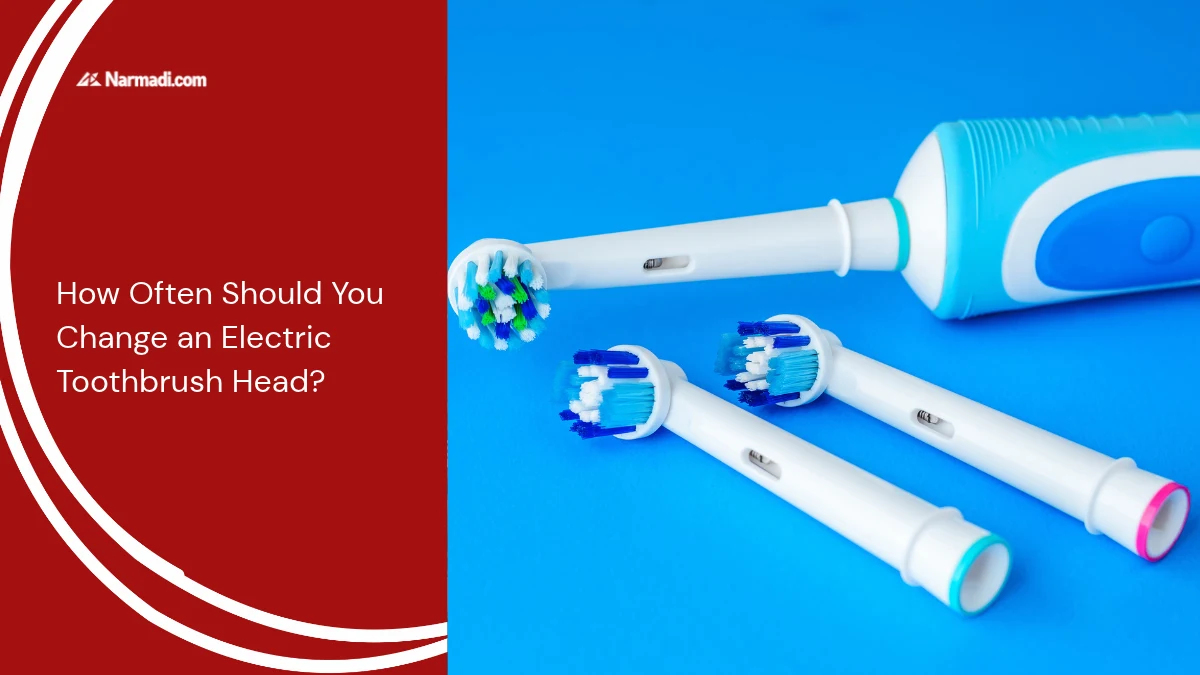
Maintaining the performance of your electric toothbrush is just as important as your daily oral care routine. The bristles will naturally wear down and accumulate microscopic debris over time. Therefore, it’s important to establish a maintenance routine and a replacement schedule to ensure optimal oral hygiene.
How do you care for an electric toothbrush head? How often should the brush head be replaced? And what are the risks of using a worn-out brush head?
This article will explain these points so you understand why routine maintenance has a direct impact on your long-term dental health.
How to Maintain an Electric Toothbrush Head
Proper care will extend the life of your device and ensure hygienic cleanliness with every use. Here are some important ways to care for your electric toothbrush head:
- Rinse the brush head regularly: Remove the brush head from the handle to rinse it thoroughly under running water after each use.
- Soak to sterilize: Soak the brush head periodically in warm water or mouthwash to remove stubborn bacteria.
- Store it upright and clean: Store your electric toothbrush vertically in a dry, well-ventilated place to prevent the buildup of bacteria and mold.
- Keep toothbrushes spaced apart: Leave enough space between multiple family members’ toothbrushes stored together to prevent cross-contamination from bristle contact.
How Often Should You Change the Brush Head?
Maintaining good oral health goes hand in hand with keeping your equipment in top condition. Under normal use, dental experts recommend replacing the head of an electric toothbrush every three to four months.
However, certain situations call for more frequent replacement:
- Every two to three months: Recommended if your usage is notably intense, aggressive, or if you brush more than twice a day.
- Every two months: Recommended specifically for children’s electric toothbrushes, as kids tend to apply uneven pressure or chew slightly on the bristles.
- Immediately after an illness: Replace the brush head right away if you or a family member has recently recovered from a cold, flu, or viral infection to prevent reinfection.
- When structural damage occurs: Replace it immediately if the brush head looks worn out, the plastic shows cracks, or the bristles become noticeably frayed and tangled.
Why Replacing Your Brush Head Matters
You might be wondering why it’s so important to stick to a replacement schedule. The thing to know is that regular brushing causes the bristles to split, become tangled, and lose their flexibility over time.
Clinical studies show that frayed bristles lead to reduced performance. They remove up to 30% less plaque than new bristles.
In addition, toothbrush heads that aren’t replaced regularly become breeding grounds for bacteria and fungi. Replacing them on time ensures that your dental health is maintained and that the toothbrush functions at its best.
The Bottom Line on Brush Head Care
Sticking to a schedule for replacing your toothbrush head will ensure that your electric toothbrush continues to perform at its best. This way, the device can remove plaque as effectively as it’s designed to.
You need to combine proper daily brushing habits with timely replacements. That way, your oral health will be maintained for a long time.ad.