Information and Communication Technology (ICT) products rely on radio waves to operate. That is why Radio Frequency (RF) testing is very important.
RF testing is conducted to ensure that electronic devices function properly, meet safety standards, and avoid interference with other devices.
Navigating international spectrum regulations becomes essential to ensure that ICT products meet market access requirements, minimize operational risks, and comply with regulatory bodies worldwide.
Let’s take a closer look at what Radio Frequency Testing is, so we can understand how important this testing is for ICT products.
What is Radio Frequency Testing?
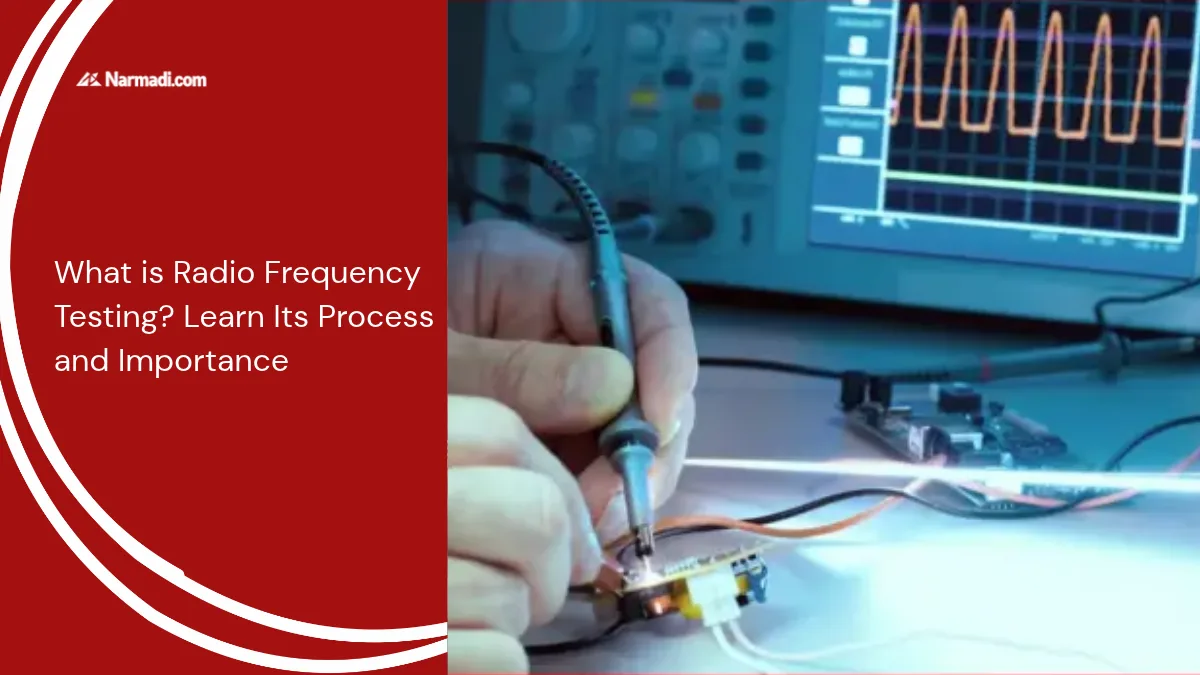
Radio Frequency Testing is a testing process conducted on ICT devices that use radio frequencies. The process involves evaluating the electromagnetic emissions emitted by wireless electronic devices to ensure that they operate in accordance with specified safety standards and regulations.
Additionally, it ensures that the devices do not cause signal interference with other devices and have optimal performance in capturing and transmitting signals. This test is very important for devices that use radio waves for communication, such as:
- Mobile phones and communication devices (LTE, GSM, HSDPA)
- Network devices (routers, modems, WLAN)
- Bluetooth, NFC, and RFID devices
- Smart home devices (smart TVs, smart speakers)
- Medical and security devices
With RF Testing, manufacturers can ensure that their devices meet national and international standards before being marketed. The common standard is CE or FCC. However, each country also has its own standards in this process.
How is the Testing Process?
RF Testing is conducted in an ISO/IEC 17025-accredited laboratory designed to isolate signals from external interference. The testing must confirm the four parameters: frequency range, output power, bandwidth, and spurious emission. This process typically includes:
- Measuring the limits of a telecommunication device’s ability to respond to, generate, or transmit signals at various frequency levels.
- Ensuring that the output power does not exceed the limit set for the specific frequency band in the region.
- Ensuring that each frequency hop falls within the specified frequency range.
- Measuring unwanted emissions from the transmitter outside the frequency band and from the transmitter in the spurious domain, as well as spurious emissions from the receiver.
Why is it Important?
Radio Frequency Testing is important to ensure that devices function properly without harming users or the surrounding environment.
Protecting user safety
Electronic devices have the potential to emit excessive radiation or overheat. This certainly has the potential to harm users. RF testing will prevent these risks early on.
Complying with government regulations
Do you want your devices to be legally distributed? RF testing is a requirement for complying with radio frequency and electromagnetic safety regulations so that devices can be legally distributed in the market. This way, there is no potential for legal sanctions.
Ensuring device quality and performance
Every user wants devices with guaranteed quality and performance. RF testing ensures that electronic devices on the market have more stable connections and better signal quality.
Preventing signal interference
Frequency interference can cause serious problems, such as communication disruptions, poor sound quality, and unstable internet connections. It can even interfere with other devices in the vicinity. RF testing will detect such interference more effectively.
Common Reasons Devices Fail RF Testing
It is not uncommon for well-designed devices to fail RF testing. This may be due to issues that are easily overlooked during the development phase. Based on the certifications we’ve helped manufacturers complete, here are some of the most common causes:
- Antenna design issues: Certain antenna designs can unintentionally activate or amplify harmonics, especially in compact devices with multiple radios sharing the same board.
- Testing a non-representative prototype: Submitting a pre-production sample that differs from the final product can invalidate the test results.
- Exceeding permitted output power: Transmitting above the allowed limit, sometimes unintentionally when a device boosts power to compensate for signal loss.
- Firmware or duty cycle issues: Common in devices using shared or license-exempt spectrum that don’t properly manage transmission timing.
These issues can actually be detected early on through pre-testing before sending samples directly to official testing. That way, you can save a significant amount of time and money compared to finding out about them only after receiving a failed test report.
Want to Pass RF Testing?
Passing radio frequency testing is a mandatory step for manufacturers or importers of electronic devices before marketing their products. Therefore, you need to know how to pass the test.
One of the best solutions to comply with this regulation is to use professional services like ours. This service will help you navigate the testing process quickly, in accordance with regulations in each country, and ensure that your devices meet safety standards. This prevents the risk of your devices being withdrawn from the market due to non-compliance with regulations. [UN]