Maintaining good air quality indoors is certainly something that cannot be underestimated, given the increasing air pollution. Using an air purifier is one of the solutions.
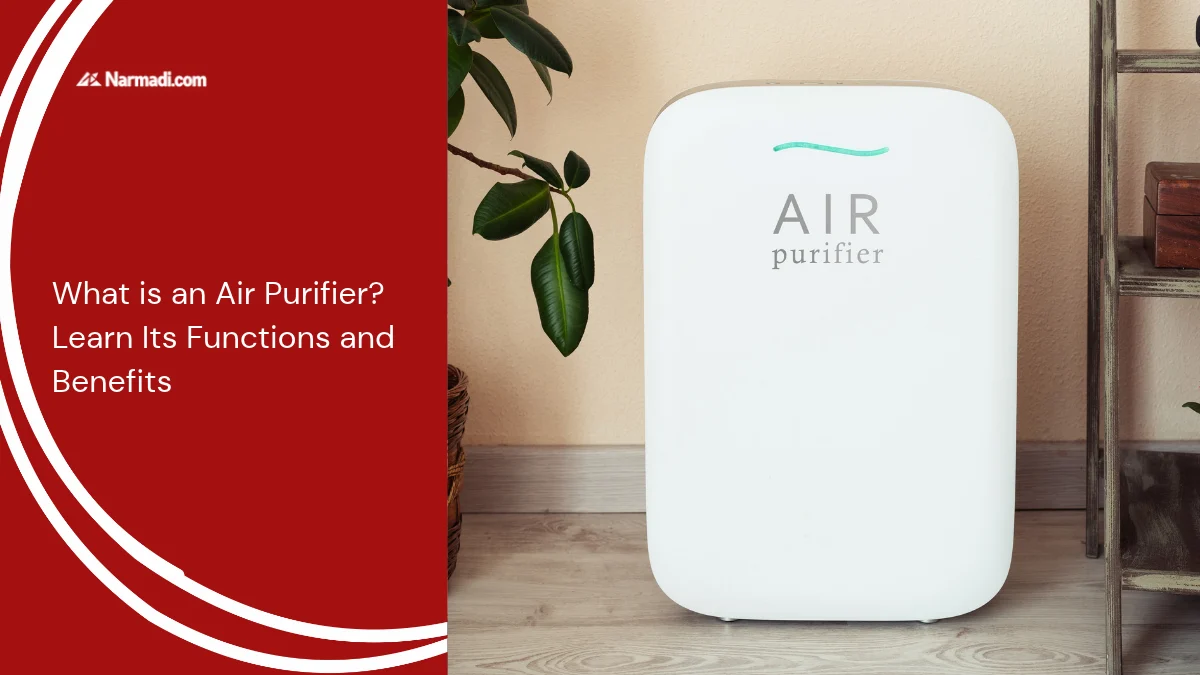
An air purifier is an electronic device that filters out harmful particles and pollutants and releases them back into the fresh air.
Are you familiar with this device? This article will thoroughly inform you about air purifiers, from their definition, working methods, functions, benefits, and global regulatory standards.
What is an Air Purifier?
An air purifier is an electronic device designed to filter and purify air that has been contaminated with harmful particles and pollutants.
The device works by drawing in the air in the room, then filtering it with multiple filters and expelling it back into the room in the form of clean air, resulting in better air quality.
The main focus of the appliance’s work is on providing a gradually better quality of clean air to be breathed indoors.
How Does it Work?
Simply put, an air purifier works by drawing air in, then filtering it with multiple filters, and expelling clean air back out. Here’s how it works in detail:
- Draws in air: The fan on the device pulls dirty air into the filtration system.
- Filtering process: The air will pass through several types of filters that will capture different types of contaminants.
- Discharges clean air: The filtered air is expelled back into the room in the form of clean air.
The Types
Air purifiers are equipped with several filters with different functions depending on the type of contaminant. Here are some of the types of filters commonly found in the appliance:
- Pre-filter: Captures large particles such as dust and hair as the first layer of filtration.
- High Efficiency Particulate Air (HEPA) filter: Removes small particles such as dust, pollen, pet dander, and even some types of bacteria and viruses.
- Activated carbon filter: Removes unpleasant odors, gases, and harmful chemicals such as cooking odors, pet odors, or cigarette smoke.
- UV-C filter: Kills bacteria, viruses, and mold with ultraviolet light.
- Electrostatic filter: Attracts and traps harmful particles from the air using an electric field.
- Ionizer filter: Works to remove positively charged particles by releasing negative ions into the air.
The Benefits
Using an air purifier regularly will provide many benefits, especially for those of you who have certain health problems. Here are some of the main benefits:
1. Ward off outdoor pollution
One of the benefits of an air purifier is its ability to ward off outdoor pollution. This device can be an added protection against exposure to dirty air for those of you who live in pollution-prone big cities or near industrial areas.
2. Reduces indoor smoke
For non-smokers, a room with smoke produced by cigarettes or vapes can be annoying. An air purifier can reduce the smoke and improve the air quality from the tar produced by cigarettes or vapes.
3. Eliminates unpleasant odors
The activated carbon filter in the air purifier is able to help eliminate unpleasant odors. So that odors such as cigarette smoke, cooking odors, pet odors, or odors from the surrounding environment to be filtered properly.
4. Reduces the risk of allergies and asthma
Reducing the risk of allergies and asthma is another benefit of an air purifier. It reduces the risk of allergy flare-ups and helps provide fresh air for asthma sufferers with its ability to filter allergens from the air.
5. Improves sleep quality
The clean air produced by an air purifier can certainly have an impact on the quality of your sleep. You will avoid breathing problems at night and sleep better.
Global Type Approval and Wireless Compliance Standards
Modern air purifiers are now equipped with IoT features such as Bluetooth and Wi-Fi connectivity. With this technology, the devices emit radio frequencies (RF) to connect to smartphones for remote control and automation.
Home appliances that use wireless communication technology must, in practice, strictly comply with global regulatory frameworks. Before these devices can be marketed internationally, they must obtain type approval certification.
The process involves a series of tests, ranging from RF testing to Electromagnetic Compatibility (EMC) testing and electrical safety testing. This ensures that the devices are safe to use and do not interfere with other electronic devices in the vicinity when in operation.
For manufacturers, importers, or distributors, obtaining type approval is a crucial step toward securing access to global markets. It demonstrates compliance with international safety standards and helps build consumer trust.