Nowadays, cameras have become an essential device for capturing precious moments in everyday life. This device has many functions and types according to their uses, from personal documentation, professional, to creative needs.
This article will thoroughly explore everything about cameras, ranging from the types, functions, latest technology, to the usage regulations.
What is a Camera?
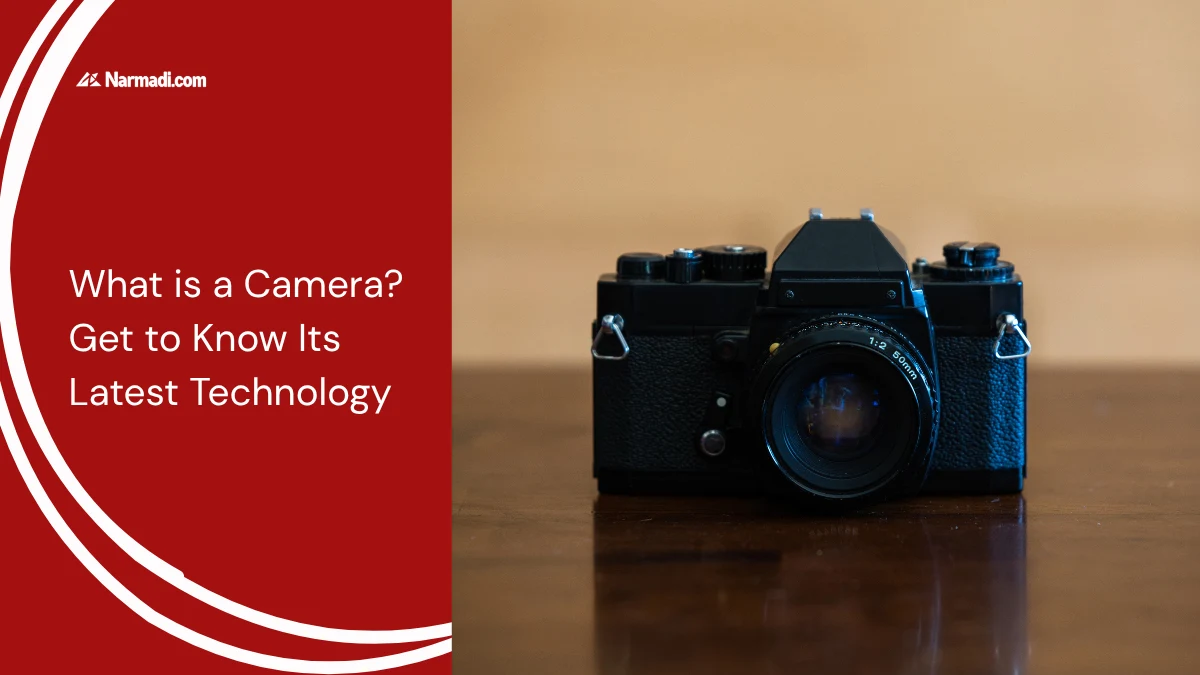
A camera is a device designed to capture images in both still (photography) and moving (videography) formats. Its working principle involves the detection of light and its transformation into a visual representation, which can be digital data captured by an electronic sensor or chemical changes to film.
The Functions
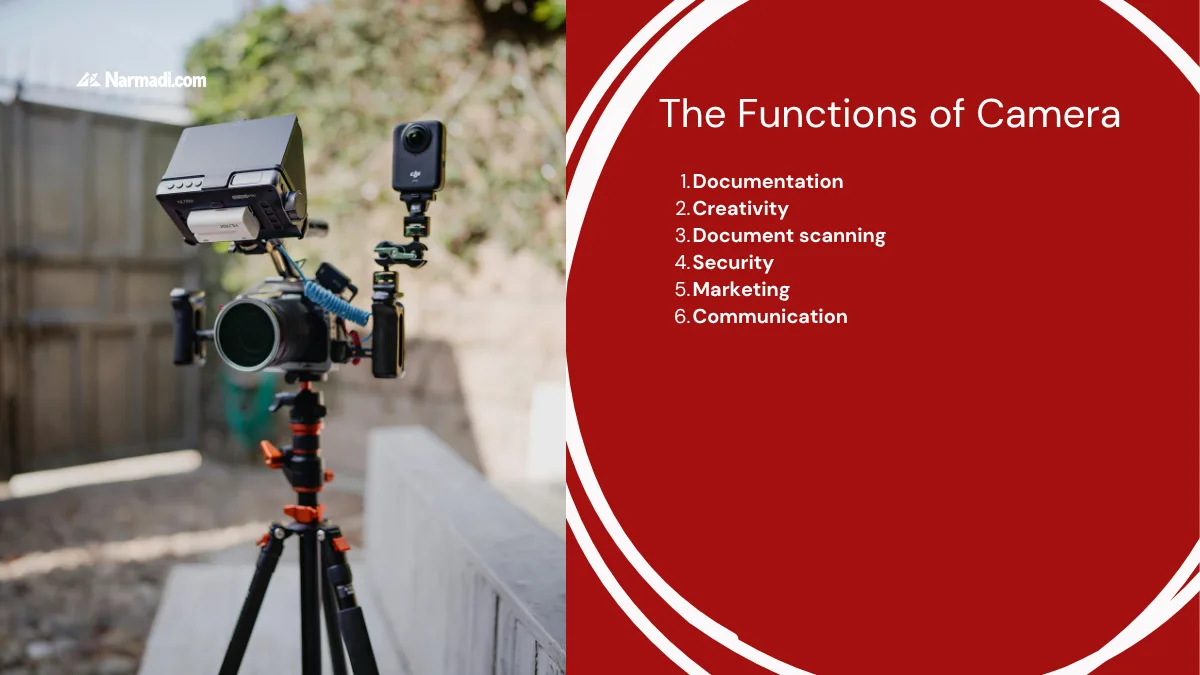
The camera has some functions, from documentation to creativity to communication. Here are the main functions of the device that you need to know:
- Documentation: This device is used to capture important moments in life, such as trips, family events, or other spontaneous moments, through photos or videos.
- Creativity: A medium to channel artistic expression in photography or videography by creating visual effects such as bokeh, dramatic effects, or surreal effects.
- Document scanning: Some devices, especially smartphones, can be used to scan documents.
- Security: Surveillance cameras help keep neighborhoods safe.
- Marketing: These devices are used to create promotional content in the form of product photos or advertising videos.
- Communication: This device, in devices such as smartphones, supports visual communication through video calls.
The Types
There are many types of devices with different uses. Here are some types of devices that you can know:
1. Analog Camera
Film cameras use a roll of film to record images, and the images must be processed in a photo lab before they can be viewed. These devices are usually used for creative and keepsake photography.
2. DSLR
One type of device that is quite popular is the DSLR (Digital Single-Lens Reflex). This device uses a mirror to reflect light from the lens into the viewfinder, allowing the photographer to see the subject being photographed through the viewfinder.
These devices are known for their high image quality, interchangeable lenses, and full manual control. These devices are commonly used for professional photography, event documentation, and art photography.
3. Mirrorless
Similar to DSLR, mirrorless-type cameras also use interchangeable lenses, but lack mirrors and optical viewfinders.
This makes mirrorless cameras lighter and more compact than DSLRs. These devices are commonly used in travel photography, creative content, and videography.
4. Action
Action cameras are designed to record extreme activities such as water sports or bicycling, and usually feature waterproof, impact-resistant, and dust-resistant features.
These devices are usually used for purposes that require high mobility, such as extreme sports, outdoor activities, and vlogging.
5. Compact (Point-and-Shoot)
These cameras are designed for ease of use and usually have non-interchangeable lenses. Compact cameras are suitable for beginners or those looking for a device that is easy to carry and use. Compact (Point-and-Shoot) cameras are usually used for everyday documentation, travel, and family events.
6. Instant
Instant cameras print photos directly after the picture is taken, using a chemical system or special photo paper. This device is usually used for creative photography, special occasions, and keepsakes.
7. Smartphone
Modern smartphones are equipped with increasingly sophisticated cameras that can produce images of fairly good quality, even surpassing some compact cameras. Smartphones are commonly used for daily photography, social media, and quick documentation.
The Latest Technology
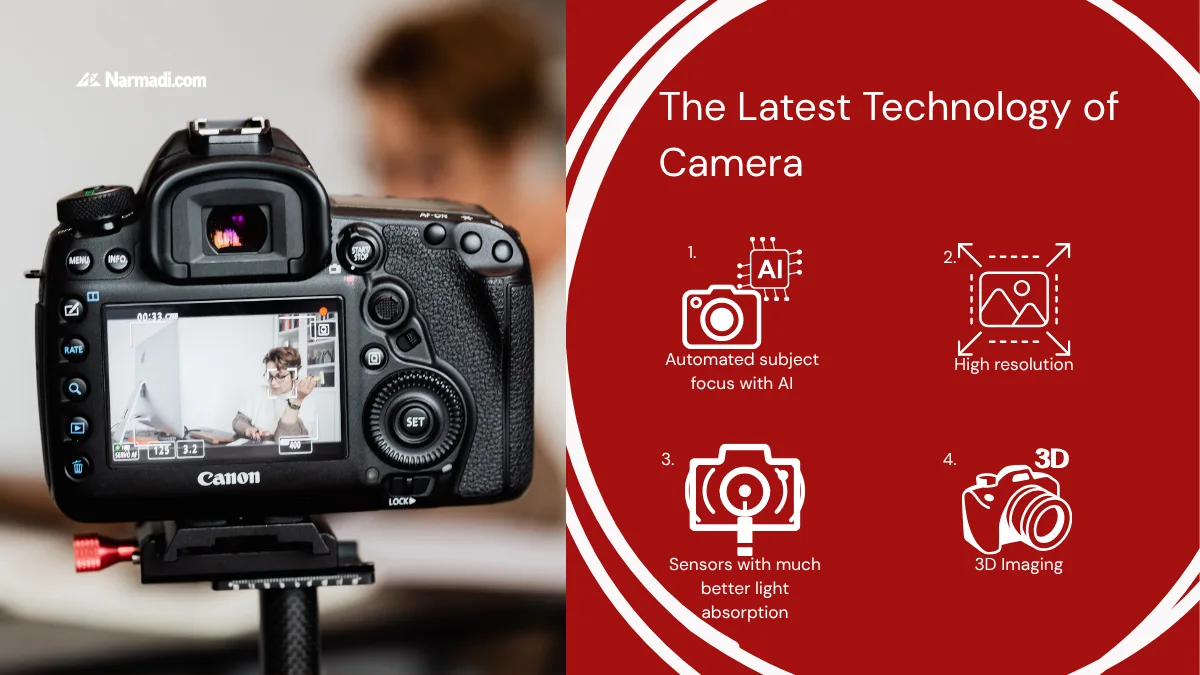
As technology advances, the features of these devices continue to develop rapidly and become increasingly sophisticated. The latest features on today’s devices make things easier for users while improving photo and video quality. Here are some of the latest technologies you can take advantage of:
1. Automated subject focus with AI
It’s no surprise that Artificial Intelligence (AI) has penetrated various electronic devices. In cameras, AI plays a role in automating subject focus.
Without AI, we would need to manually adjust focus to capture the desired subject. This ease of focus automation will be very helpful in professional photography, such as action and wildlife photography.
For personal use, you can create vlogs or personal documentation spontaneously without the need for a dedicated cameraman. Simply adjust the angle to get the best image, then let AI automate the focus on what you capture, such as the object, scene, and important elements in the image.
2. High resolution
Camera resolution is always a topic of discussion because it is related to the quality of the image we see and enjoy.
The higher the resolution, the better the image quality. The latest technology can produce 8K resolution video. This feature can be found on products like the Sony Alpha 1, Canon R5, and RED Komodo.
8K resolution allows for large image cropping without losing quality. This will be especially helpful for creators who want to make films or simply become vloggers.
3. Sensors with much better light absorption
Modern cameras are no longer about megapixel count, but rather how they perceive and capture images.
Sensors are now able to handle light, speed, and data simultaneously. This data readout speed has increased significantly.
This results in smarter autofocus, deeper burst shooting, and smoother video recording.
4. 3D imaging
More vivid photos provide a different image for each viewer. 3D imaging technology adds depth and dimension to an image.
This technology benefits creators and photographers significantly. Creators can manipulate, animate, or re-adjust lighting after the image is taken. Meanwhile, photographers can adjust the depth of field after taking the picture. [UN]