Speakerphones are modern devices that support high mobility in communication. With this device, you can make calls hands-free.
With the functions they have, speakerphones are in great demand for use today, especially for multitasking when making calls or during conference calls.
Are you familiar with this device? This article will inform you about speakerphones, including their definition, function, type, and global compliance.
What is a Speakerphone?
A speakerphone is different from ordinary speakers that only play sound; this device allows two-way conversations in hands-free mode by combining microphone and speaker functions.
By using this speakerphone, users can make and receive phone calls without having to hold a cell phone or main device. So users can communicate while doing other activities, such as driving, meetings, or when they want to talk collectively in one room.
The Functions
Speakerphones as hands-free communication aids have several functions in daily life. Here are some functions you can enjoy:
- Hands-free calling: Allows you to make phone calls without holding the device to your ear.
- Communicate while driving: Speakerphones in cars allow drivers to make phone calls while focusing on the road.
- Conference calls: Allows multiple participants in one room to communicate and have a conversation.
- Multitasking: Allows other activities to be done while having a conversation on the phone.
- Improves accessibility: Makes communication easier for individuals who need hands-free interaction or have limited physical flexibility.
The Types
Speakerphones are divided into several types with different functions and uses according to their shape and connectivity. Here are some types of speakers that are commonly used:
Built-in
This type of speaker is commonly built into devices, such as mobile phones, laptops, or tablets. Activating the hands-free mode on the device is as simple as pressing the “speaker” button during a call.
External
This type of speaker is a separate device that can be connected to another device with a USB cable or Bluetooth connectivity. These external speakers are typically used during conferences or presentations to improve audio quality during calls.
Car
This type of speaker are the type that are specifically designed for use in cars. These devices are usually integrated with the car’s audio system and connected using Bluetooth. Activating the call-taking mode on a car speakerphone usually requires voice commands.
Smart speakers with speakerphone feature
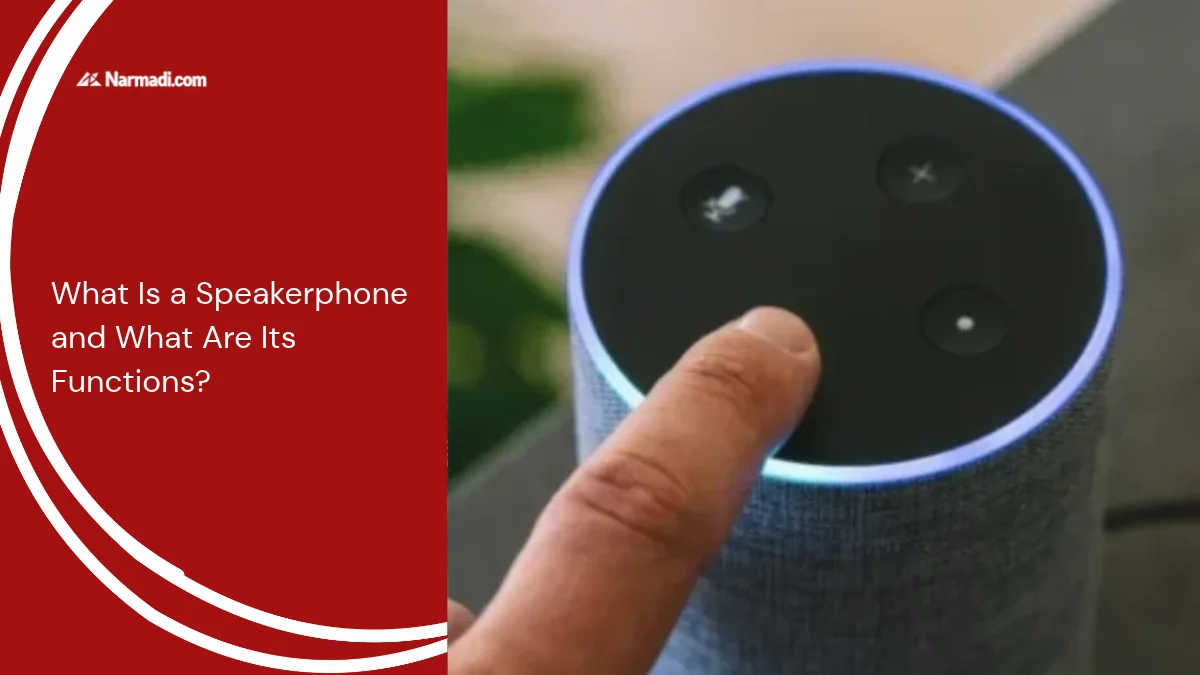
Some smart speakers, such as Google Home or Amazon Echo, already have a speakerphone feature that allows you to make voice calls through the device. So you can use these devices not only to listen to audio content but also to make hands-free calls.
Ensuring Global Compliance and Quality Standards
Speakerphone devices rely on wireless communication technologies such as Bluetooth and the radio frequency spectrum. This makes it necessary to ensure compliance with applicable technical standards so that they can operate smoothly.
Regulatory frameworks around the world require wireless audio equipment to undergo an evaluation process known as type approval certification. During this process, the device undergoes a series of tests covering radio frequency (RF) performance, electromagnetic compatibility (EMC), and electrical safety.
This rigorous type approval process ensures that speakerphone devices operate reliably and do not interfere with other communication systems. For global manufacturers and brands, understanding this international regulatory landscape is a crucial step toward ensuring product performance and building consumer trust worldwide.