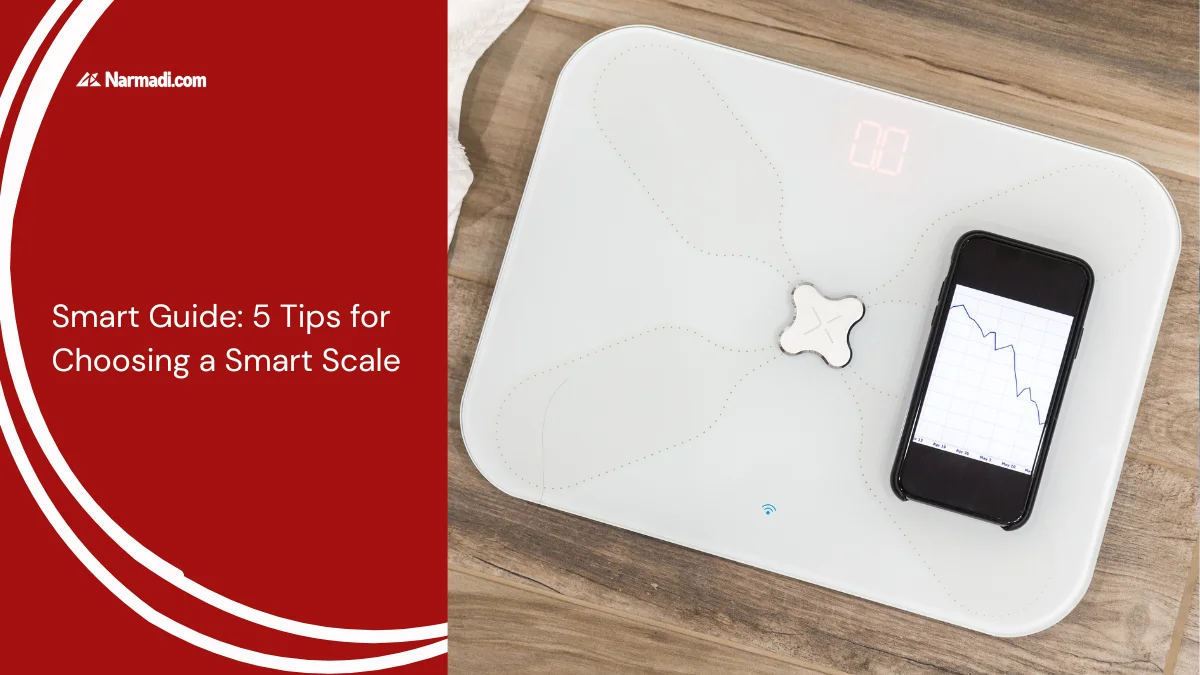
A smart scale is one of the devices that supports public awareness of maintaining health. So, tips for choosing a smart scale are quite necessary to get the best device.
Tips for choosing a smart scale include knowing the features, choosing the type, adjusting the budget, and reading reviews.
In this article, we will give you information on tips for choosing a smart scale that you need to know before buying one.
Tips for Choosing a Smart Scale
Reporting from several sources, here are five tips for choosing a body scale that you can follow:
1. Understand the Features Offered
Modern smart scales have a wide range of features. Make sure you understand exactly which features are included in your chosen model.
The more features there are, the more benefits you’ll enjoy. However, you should also understand how those features work.
Common features typically include Bioelectrical Impedance Analysis (BIA) and advanced monitoring such as visceral fat levels, bone density and heart rate. Understand your needs to choose a model with the right features.
2. Choose the Scale Type According to Your Needs
It is not just the features, but the specifications of the scales that vary depending on the intended user. There are specialised models available for babies, athletes and adults.
For home use, you can choose scales that come with built-in user profiles. This allows different family members to monitor their own fitness trends independently.
3. Balance Features with Your Budget
When choosing the features and model that suit your needs, you’ll naturally need to take your budget into account. Consider which features are truly essential for your daily routine so that you don’t end up spending more than necessary on features you don’t need.
Generally speaking, smart scales are more expensive than standard digital scales because they come with wireless connectivity and BIA sensor technology. The more features they offer, the more expensive they’ll naturally be.
4. Check Maximum Weight Capacity and Precision
Scales have different weight limits, typically ranging from 150 kg to 200 kg. Pay attention to the measurement resolution, for example, an accuracy of 0.05 kg or 0.1 lb.
This is necessary to ensure reliable monitoring of small changes in body composition, so that you can measure it accurately over time.
5. Review Real User Feedback and App Performance
In today’s era of online shopping, it is very easy to see what people who have already bought the product you want have to say. Reading reviews from previous buyers will give you an overall picture of the product.
Understand the build quality of the scales and their mobile app. Also consider the user experience in terms of the speed of Bluetooth pairing, the app’s stability, and the reliability of synchronisation with platforms such as Apple Health or Google Fit.
Data Privacy and Health Metrics Security
An important aspect of smart scales is not only measurement accuracy, but also the security of the device when managing your personal health data.
Smart scales record sensitive physiological data, such as weight trends, body composition and, in some cases, heart rate. This makes the security of the information routinely transmitted via short-range Bluetooth Low Energy (BLE) or Wi-Fi to the app absolutely crucial.
As such, high-quality smart scales employ end-to-end data encryption protocols, such as AES-128 or SSL/TLS. This ensures that personal health data is protected against unauthorised access or interception during wireless synchronisation.
When choosing a device, ensure that the manufacturer provides a transparent privacy policy, secure account authentication and options for managing cloud data storage. Choosing a smart scale that prioritises wireless security will ensure that your personal health data remains confidential.