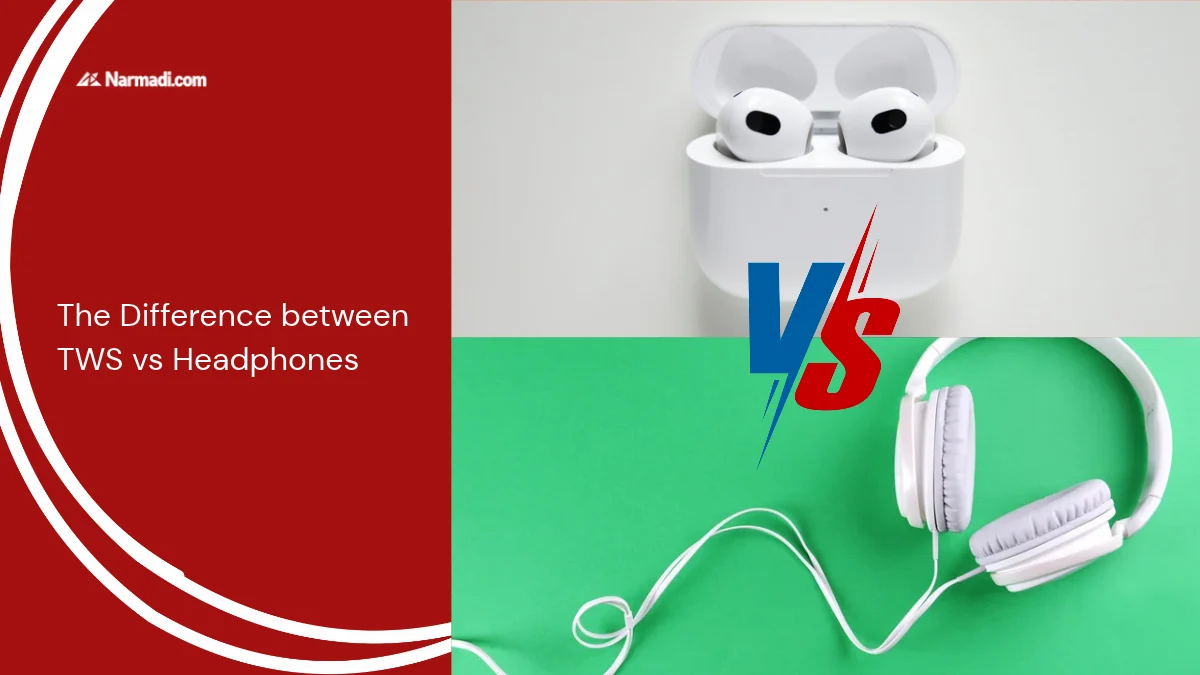
True Wireless Stereo (TWS) and headphones are key to audio technology that we rely on in our daily lives. Although both maximize sound capacity, TWS and headphones have some significant differences.
The differences between TWS and headphones cover several aspects such as connectivity, design, audio quality, battery usage, and price.
This article will delve into the important differences between TWS and headphones to provide a clear understanding of when to utilize each technology.
What is a TWS?
True wireless stereo (TWS) is a wireless audio device that allows wireless use between the two earbuds and a primary device such as a laptop or mobile phone. The TWS connects to the main device using Bluetooth technology that transmits sound directly to the earbuds.
The TWS was first released in 2015, and its emergence was supported by the periodic removal of 3.5mm audio ports from devices. It has been loved ever since for its ability to freely listen to audio, take calls, or play games without annoying wires.
What is a Headphone?
Headphones are audio devices that are designed to be placed over or around the user’s ears for private audio listening. Headphones usually have an over-ear design that provides a more immersive audio experience.
This audio device works by converting electrical signals into sound, which is usually used to listen to music or watch movies. In use, headphones have two models, namely wired or wireless models (with Bluetooth connectivity).
The Difference between TWS vs Headphones
True Wireless Stereo (TWS) and headphones are audio technologies that allow the transmission of sound directly to the device. The main difference between both devices is in the design and how to use them. Here are some of the key differences between TWS vs headphones:
1. Connectivity
- TWS: Connects completely wirelessly, either between earbuds or to the playing device.
- Headphones: Have two connectivity models; one is wireless, but there is also a wired model that connects directly to the device.
2. Design
- TWS: Have a generally smaller and lighter design, making them easy to carry. They have a charging case that facilitates easy charging.
- Headphones: Have a larger design as they usually cover all or part of the ear to provide a more immersive audio experience.
3. Audio quality
- TWS: Have varying sound quality, usually depending on the price. High-end TWS usually offers excellent sound quality.
- Headphones: Better audio quality, especially for wired models because of the direct connection.
4. Battery usage
- TWS: It has an embedded battery that can be recharged periodically. Battery life varies from hours to tens of hours per charge.
- Headphones: Wireless headphones have a built-in battery that needs to be recharged, with battery life varying depending on the model.
5. Price
- TWS: More expensive than wired headphones, especially for models with good features and sound quality.
- Headphones: A wide range of prices, from affordable to premium, depending on features, quality, and brand. Entry-level wired headphones usually have better audio quality than TWS.
Here are the differences in a nutshell:
| Aspect | TWS | Headphones |
| Connectivity | Completely wireless | Two connectivity models (wired and wireless) |
| Design | Smaller and lighter design | Large design to cover the ear |
| Audio quality | Depending on the price | Better audio quality |
| Battery usage | Varies from hours to tens of hours per charge | Depending on the model |
| Price | More expensive | Has a wide range of prices |
Choosing the Right Audio Technology
Choosing between True Wireless Stereo (TWS) and headphones will always depend on your needs and listening priorities.
TWS is the right choice for those who want unmatched mobility, a compact design, and everyday comfort, which are thoroughly outlined in our guide on the advantages and disadvantages of TWS.
On the other hand, traditional headphones are ideal for maximum acoustic immersion, superior sound quality, and long-lasting listening comfort. Understanding these fundamental differences will help you invest in the right personal audio device. So, identify your needs and make your choice.