Smartwatches have recently become a favorite of many people. This technology makes watches more than just accessories; it supports many features that can facilitate your daily life.
One of the most popular smartwatch features is the flexibility of hands-free use to support a healthy lifestyle.
In this article, we will examine smartwatches from their definition, functions, and key advantages to essential hardware requirements for RF emission stability and safety.
What is a Smartwatch?
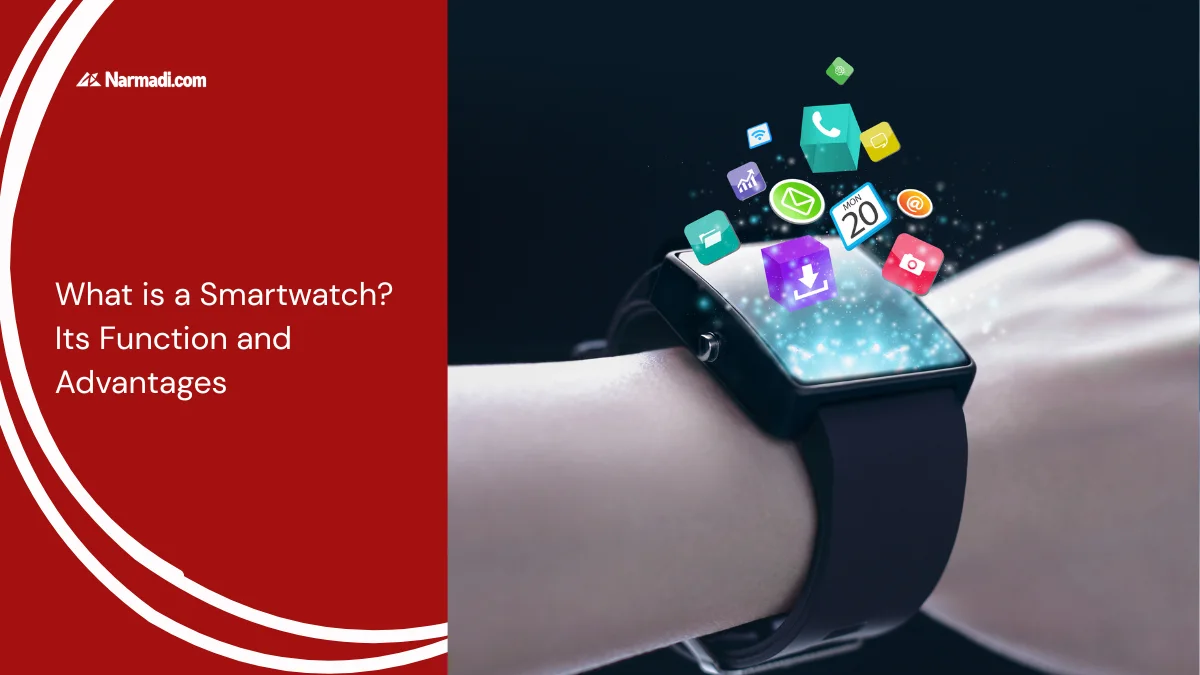
A smartwatch is more than just a timepiece; it has a variety of interesting smartphone-like features and can connect to the internet.
Some of the features you can find through the technology include message notifications, voice calls, and physical activity checks.
The technology is gaining popularity because of its features that support a healthy lifestyle, especially in urban areas where health awareness is increasing.
The Functions
Smartwatches have many functions, from communication to supporting a healthy lifestyle, such as heart rate monitoring and stress monitoring. Here are some of the functions of the technology that you can enjoy:
- Communication: Receive phone calls, messages, and notifications
- Entertainment: Listen to music, watch videos, and play games
- Payments: Perform financial transactions via NFC
- Navigation: Navigate with route directions, weather, news and sports scores
- Alarms: Set reminder alarms
- Fitness: Records steps, distance, and calories burned
- Health: Monitors heart rate, sleep patterns, and nutritional intake.
- Maintain nutritional intake: Suggests the number of calories the body needs
- Stress monitoring: Monitors stress levels based on heart rate and other vital signs
The Advantages
Here are the advantages of a smartwatch that can support your flexibility in using it daily:
1. Simple and futuristic shape
Another smartwatch advantage is that it has a simple shape and is easy to wear on all occasions. So, you don’t need a special place to store it. Just wear it like a conventional watch.
By design, this technology is deliberately made uncomplicated. It tends to be minimalist and futuristic. Of course, that supports its function daily for various activities.
2. Flexibility
The use of smartphones during certain activities is certainly quite limited; for example, when you are exercising, of course, it is rather difficult if you have to check notifications.
With a smartwatch, it makes it easier for you to check notifications and answer messages. So you don’t miss information even though you are doing sports activities and not holding a smartphone.
3. Hand-free
This smartwatch perk makes it even easier for you, as you can reply to messages with voice commands.
Without using your hands, you can open apps via voice assistants, such as Siri or Google Assistant.
4. Connects to several apps
Another smartwatch advantage is that it allows you to access several applications that are connected to your phone.
The technology allows you to access applications such as weather checking, news, and social media just from your wrist.
5. Time management
A smartwatch can keep track of your daily habits, from sleeping to drinking water. This makes the technology able to help you time your activities.
The device will unhesitatingly remind you to start or end your activities. You can also find out your schedule for the day through the device. It’s like having your assistant.
RF Emission Stability and Body-Worn SAR Compliance
Although smartwatches offer tremendous convenience in everyday life, the integration of active Bluetooth, Wi-Fi, NFC and GPS transceivers into a compact wristband presents unique hardware challenges. As these devices are in constant contact with human skin whilst actively transmitting radio signals, it is vital to ensure the reliability and security of the hardware.
Ensuring the reliability and security of smartwatch hardware is of the utmost importance. Consequently, these devices are included on the list of telecommunications equipment subject to mandatory type approval certification.
Testing and certification will ensure the stability of Radio Frequency (RF) emissions and Electromagnetic Compatibility (EMC). Proper hardware optimisation ensures safe use and prevents interference with surrounding electronic devices. Furthermore, assessment of the Specific Absorption Rate (SAR) ensures that radio emissions from devices worn on the body remain within safe limits in accordance with global health standards.
Since 2008, Narmadi Company has been a trusted partner for type approval certification of telecommunications equipment and IoT hardware worldwide. We assist manufacturers, importers and distributors in navigating the certification process effectively and efficiently. This ensures that wearable devices can enter the market smoothly and in compliance with applicable regulations.