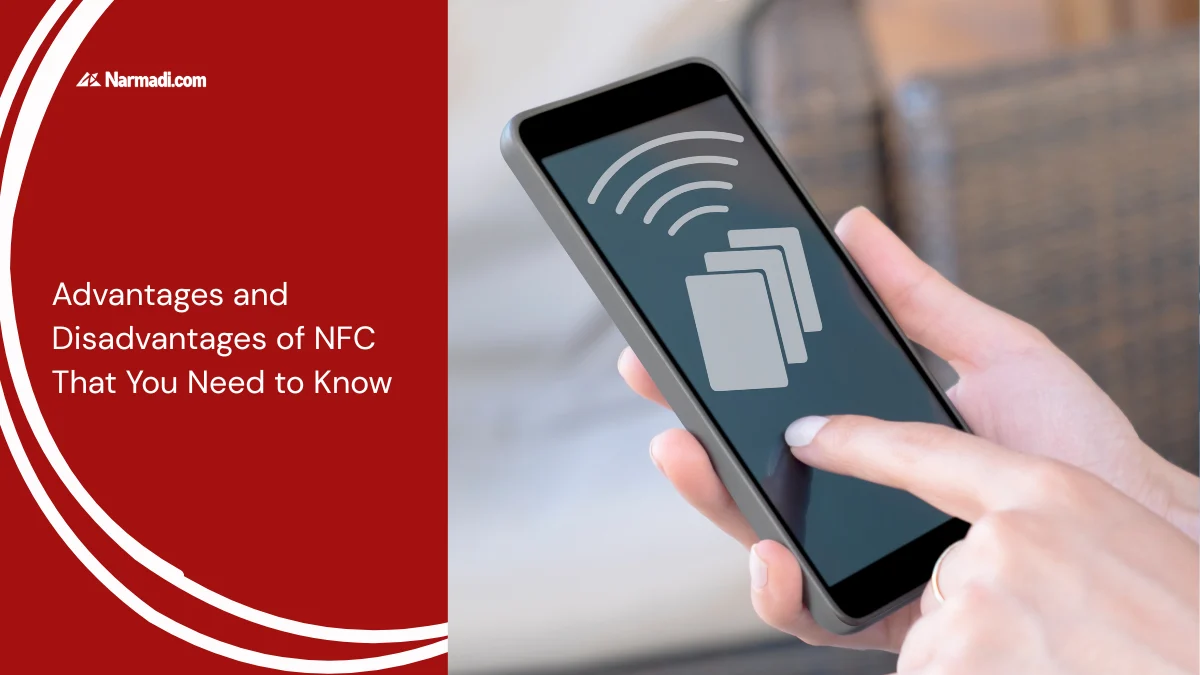

NFC functions on smartphones are quite numerous and help us in several sectors of our daily lives, from making digital payments to transferring data between devices.
However, despite the many benefits of NFC, it turns out that there are still shortcomings in this technology.
Do you know the advantages and disadvantages of NFC? In this article, we will explain the advantages and disadvantages of NFC that you need to know.
Advantages
It cannot be denied that NFC has many advantages that we can take advantage of. Here are the main advantages of NFC:
1. Make daily activities easier
NFC can be used for various daily activities. One of them is being able to carry out transactions instantly and cashlessly, so we don’t need to carry cash.
Just by pressing a few buttons, you can pay for transactions at malls, restaurants, cafes and other places.
Not only that, but NFC can also help in the process of sharing documents and images or videos between many devices.
2. High level of security
NFC is considered very safe because it has a strict security system. When a customer makes transactions at restaurants or other places, the customer’s credit card information will not be leaked anywhere.
So, it could be said that payments using NFC are safer than ordinary credit cards. NFC uses encryption and other security protocols to protect user data.
3. Difficult to tap
NFC does have a limited range, so eavesdropping is more difficult than with other wireless technologies.
However, to maximize security, you have to ensure several things, such as deactivating the NFC feature when not in use and always monitoring financial activities through regular bank statements.
Disadvantages
Of the several NFC functions that we can use, it cannot be denied that NFC still has shortcomings. Here are the disadvantages of NFC that you need to pay attention to:
1. The transaction radius must be close
If you want to carry out transactions such as payments, checks or balance transfers, they must be done in proximity. Because NFC can only operate within a 4 cm radius, it must be done at a very close distance.
2. Implementation Costs for Businesses
Nowadays, NFC chips are indeed a standard feature in most modern smartphones. However, integrating NFC infrastructure into specialised payment systems, POS systems, or security hardware still represents a considerable investment. This is particularly true for small businesses, compared with the simpler QR code solution.
3. NFC Cloning
NFC cloning is one of the main risks of using digital payment features. Attackers can copy or intercept credit or debit card information from your smartphone. If successful, they can use it to carry out illegal transactions.
Ensuring NFC Reliability and Hardware Compliance
Among the shortcomings of NFC, hardware vulnerabilities such as signal interference or encryption weaknesses can still be minimised. This is achieved by conducting thorough radio frequency and electromagnetic compatibility testing before the product is brought to market.
This process is known as type approval certification. Each country has its own standards to ensure that devices meet the established requirements.
This is intended to ensure user safety and to facilitate lawful market access. Devices that have successfully undergone the regulatory testing process will be guaranteed to be legal and safe for use in public spaces.