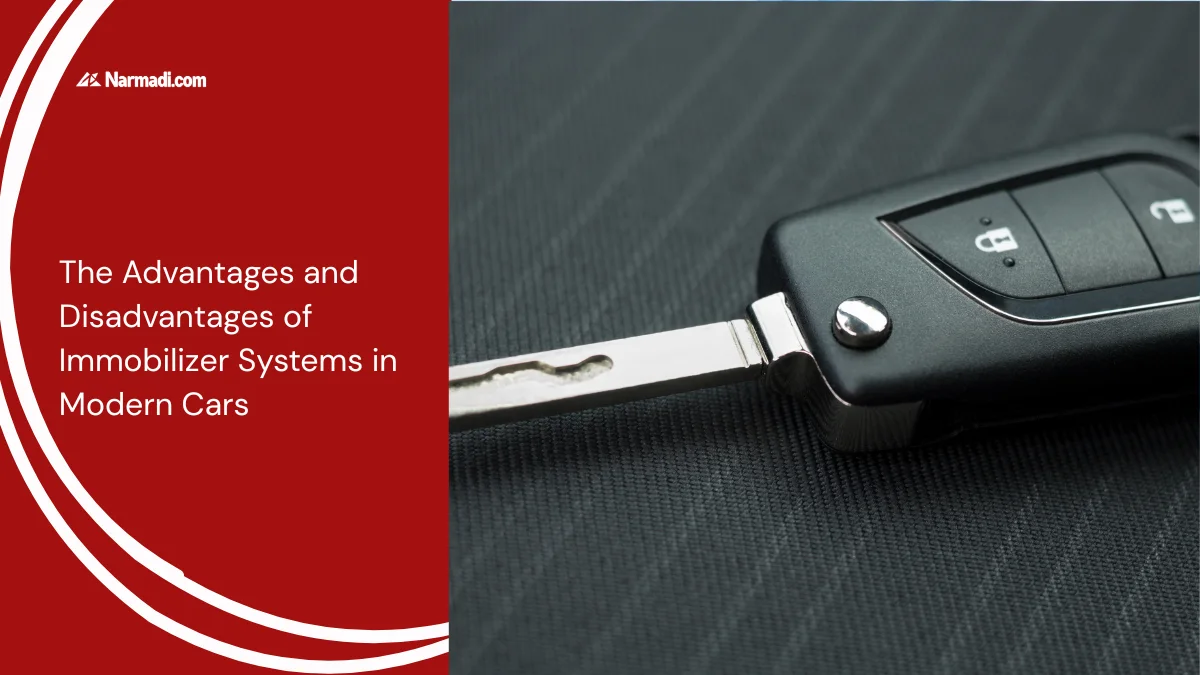

An immobilizer is a feature found in the latest cars. It represents an advancement in automotive technology as a more sophisticated electronic security system. This system is often integrated with a smart keyless entry system.
How does an immobilizer help prevent vehicle theft? This technology works by sending a registration code to the vehicle’s Engine Control Unit (ECU) using Radio Frequency Identification (RFID) technology. A code that matches the ECU’s security register will allow the engine to start. Conversely, a mismatched code will keep the fuel and ignition systems locked.
The advanced security features offered come with certain operational considerations. In this article, we’ll outline the pros and cons of immobilizers.
Advantages of Immobilizer Systems
1. Maximum Vehicle Theft Prevention
This is indeed the main advantage of the immobilizer system. The vehicle is protected against unauthorized engine starts. The engine will not start when it receives a digital signal that does not match the key.
This makes theft much more difficult. Traditional tricks thieves commonly use, such as directly splicing wires, are no longer effective. In fact, even a mechanical duplicate key that successfully turns the physical ignition cylinder won’t start the car.
2. Advanced Anti-Cloning Security
Thieves may improve their skills as security technology becomes more sophisticated. There are attempts to use frequency-intercepting devices to eavesdrop on, record, or clone your car key’s radio signal.
This can still be prevented by modern immobilizer systems that use dynamic security protocols, such as “rolling codes.” Every time the key fob is used, the system generates a new encrypted digital code for the next ignition cycle.
3. Lower Car Insurance Premiums
This is a cost-saving benefit resulting from the enhanced security provided. Insurance companies consider vehicles with immobilizer systems to be low-risk assets.
This is because, statistically, they are far less likely to be stolen. As a result, insurers often offer lower comprehensive insurance premiums or make the immobilizer a prerequisite for theft insurance policies.
Disadvantages of Immobilizer Systems
1. Complicated and Expensive Key Replacement
Strict security measures mean you need to keep your keys under close watch. A lost, damaged, or malfunctioning immobilizer key will cause you significant trouble.
Making a new key isn’t as simple as making a conventional metal key. The new transponder chip must be reprogrammed using specialized diagnostic tools and authorization. Repairs must be handled by a dealer service center or a specialized automotive locksmith, at a significantly higher cost.
2. Vulnerable to External Radio Interference
Immobilizer systems operate using radio frequencies between the key fob and the receiver in the car. The connection can be disrupted by strong external electromagnetic fields.
Don’t be surprised if your car suddenly fails to recognize the key for a short time. This is especially likely when parking near a cell phone base station (BTS), a radio transmission tower, or high-voltage power lines.
3. Dead Vehicle Remote Battery and Code Mismatch
The immobilizer contains a battery that can run out over time (usually three to five years). In some cases, a loss of power can cause the rolling digital code to become out of sync with the ECU.
If this happens, simply replacing the battery won’t solve the problem. You’ll need to have the battery replaced or the system reprogrammed by a professional to restore responsiveness.
What to Do If Your Smart Key Signal Gets Jammed
It has been noted that certain situations may cause the immobilizer to have trouble starting the car. This can certainly be very frustrating. However, these connectivity issues can usually be resolved.
Here are some simple backup procedures that are usually built into most vehicles:
- Use the Close-Range Activation Method: Press and hold the brake pedal, then use the physical key fob to press the engine Start/Stop button directly.
- Emergency Slot Access: Some vehicles are equipped with a special smart key slot, typically located inside the glove compartment, center console, or steering column. Insert the key fob into this slot to establish a direct connection.
- Choose a Certified RF Key Fob: Lack of RF certification can make the key fob susceptible to external interference. Therefore, when you need a replacement key, you must ensure that the replacement has the required certification.
Essentially, signal interference caused by the use of an immobilizer is a problem that can still be overcome. In this regard, it’s important to know a few ways to address this issue.
In particular, be sure to choose a certified device. This will help you avoid using illegal products, ensure safe operation, and prevent interference from other devices.