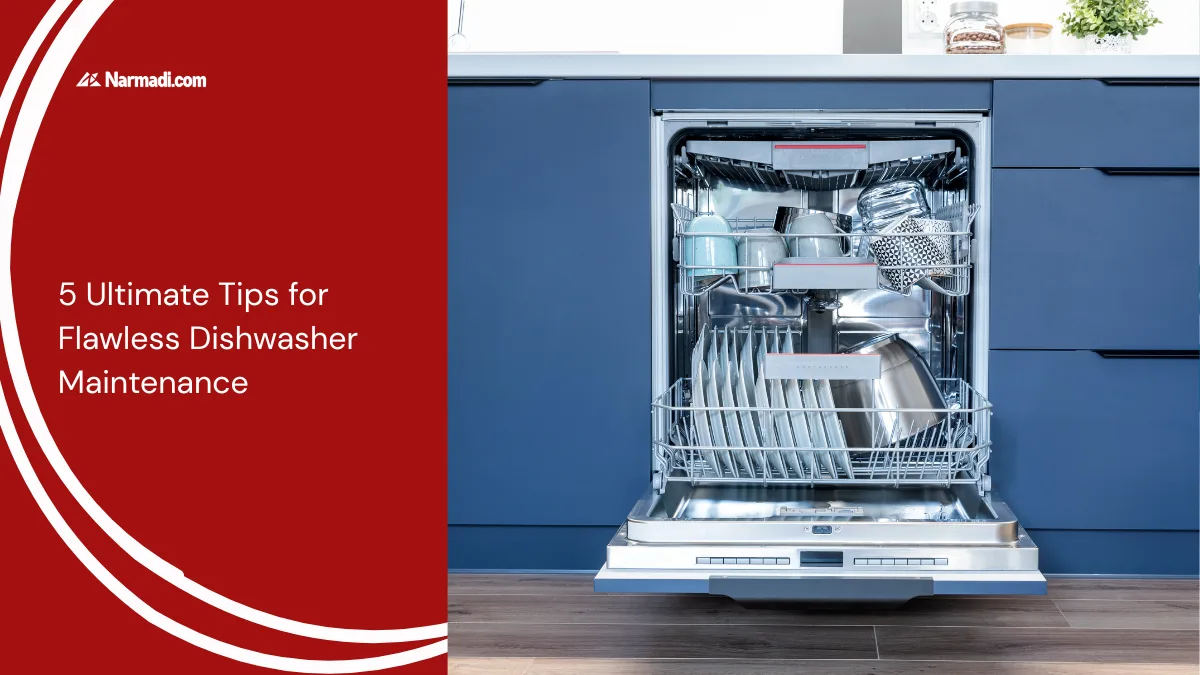

Routine maintenance is essential when you own electronic appliances. This is especially true for frequently used appliances, such as dishwashers.
This appliance, used to clean tableware, also requires regular cleaning. This helps maintain both the cleanliness and performance of the machine itself.
Cleaning your dishwasher is essential regardless of how advanced the model you use is. Whether it’s a smart dishwasher or a conventional one, both need to be maintained to ensure they continue to operate smoothly.
Do you already know how to properly maintain your dishwasher? In this article, we’ll share 5 ultimate tips for flawless dishwasher maintenance.
Steps to Dishwasher Maintenance
Make sure to clean your dishwasher by following these steps:
1. Clean the dishwasher filter regularly
The dishwasher filter is an important part of the appliance. If it isn’t cleaned, dirt will build up and cause unpleasant odors.
To clean it, set aside a few minutes each month. Check the user manual before cleaning to determine the type of filter used.
If your dishwasher uses a manual filter, you’ll need to remove it for a thorough cleaning. The filter is usually located at the bottom of the unit, beneath the lower spray arm.
The filtration system may consist of a flat filter at the bottom and a cylindrical filter at the top. Carefully remove both filters, then wash them by hand with soap and warm water to maintain optimal performance.
2. Clean the dishwasher seal
In addition to the dishwasher filter, another part where dirt residue often accumulates is the rubber seal or gasket around the door. To prevent buildup, you’ll need to clean it as well.
When cleaning the dishwasher gasket, be sure to also check for any dirt buildup in the detergent compartment door. A clean gasket will help keep your dishwasher in good condition at all times.
3. Clean the spray arms
The spray arms on your dishwasher need to be cleaned both on a short-term and long-term basis. In the short term, you should clean them at least once a month using a damp cloth. This is necessary to prevent damage down the road.
For long-term maintenance, you should clean it every six months. During this cleaning, the spray arm must be removed, and any clogs in the nozzles should be cleared using a toothpick.
4. Use dishwasher salt and rinse aid
When cleaning the dishwasher, you need to add salt to control water hardness. In addition, this can also prevent limescale buildup inside your dishwasher.
The salt container needs to be refilled whenever the indicator light signals that it’s time. When refilling, always be sure to use the funnel provided.
Carefully clean up any spilled salt granules or brine inside the machine. This will help protect your dishwasher from potential corrosion.
5. Plan Your Cleaning Routine
We’ve already mentioned the best times to clean your dishwasher. However, this task is often neglected because it’s not exactly fun.
One thing to keep in mind: cleaning your dishwasher is essential to keeping it in top condition for years to come. This should be done regularly, ideally once a month. That way, your dishwasher will perform optimally and have a long service life.
Why Does My Dishwasher Smell Bad Even After Cleaning?
You’ve cleaned your dishwasher, but it still smells? Of course, this is frustrating. By identifying the root cause, you can prevent unpleasant odors from recurring.
Here are some common reasons why a dishwasher may still smell even after being cleaned:
- Food residue stuck in the filter: This is why the step mentioned in point one is so important. You need to remove the filter and clean it thoroughly, making sure no residue remains.
- Dirt buildup inside the drain hose: To clean this part, you’ll need to use dishwasher-safe cleaning tablets. You can also run a wash cycle with vinegar to clean it.
- Mold or mildew on the door seal: Damp folds in the seal are a common source of musty odors. Wiping it dry after each use can prevent this.
- Standing water at the bottom of the unit: Water that doesn’t drain properly can cause a rancid smell. Make sure the drain isn’t clogged and that the unit is level.
If the odor persists after addressing these areas, you should consult your dishwasher’s specific user manual. Your dishwasher model may have a filter or additional components not covered in the general maintenance steps.
Those are the 5 steps you can take to maintain your dishwasher. Doing them regularly will keep it in top condition and help you avoid unwanted problems down the road. So, don’t forget to schedule regular maintenance for your dishwasher!