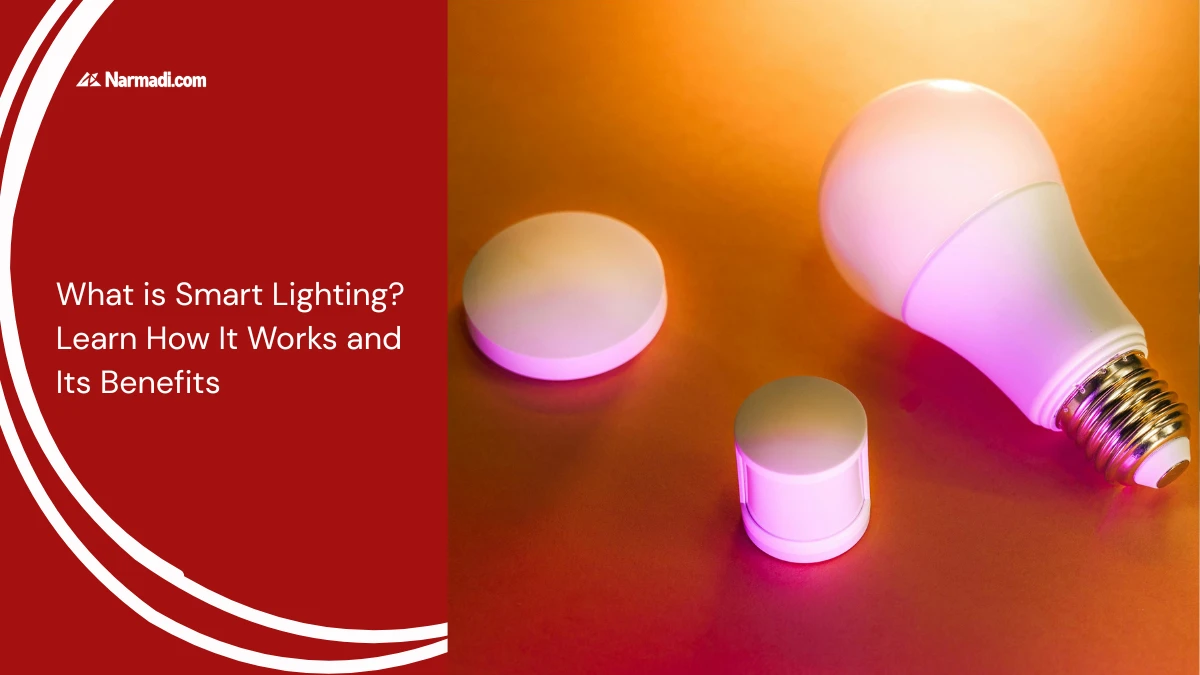

As technology develops and seeks solutions for energy efficiency, Smart Lighting has emerged. This lighting system is the answer to energy-saving technology.
Smart Lighting has many benefits for use in homes, offices, and even smart cities.
But are you familiar with Smart Lighting? In this article, we will review Smart Lighting in terms of its definition, how it works, and its benefits in everyday life.
What is Smart Lighting?
Smart lighting is an intelligent lighting system that can be operated automatically and connected to various other technologies.
This system utilizes sensors and smart devices that allow users to adjust light intensity, color, and time settings according to needs or situations.
This technology can generally be integrated with smartphone applications, remote controls, or even voice commands. The main goal of smart lighting is to provide more comfort, save energy, and make it easier to regulate lighting in various areas.
How It Works
Connection to a Network: Smart lights operate by connecting themselves to a specific network such as Wi-Fi, Bluetooth, Zigbee, or Z-Wave.
Connection with Other Devices: This network allows smart lights to connect and communicate with other devices, be it smart home assistants, applications on smartphones, or even integrated with smart home appliances.
Flexibility of Use: The use of smart lights is very flexible because they can be controlled remotely just by using a smartphone or via voice commands.
Usage Scheduling: Apart from that, smart lights also support a scheduling feature that allows users to set the time when the lights turn on and off automatically.
The Benefits
Smart lighting is not only about ease of lighting management but also about energy efficiency, comfort, and security. The following are the main benefits offered by this smart lighting system:
1. Security improvements
Smart lighting technology also plays an important role in maintaining security. This system can be set so that the lights turn on automatically when sensors detect movement, which can deter potential threats.
Additionally, lights can be programmed to turn on and off randomly at night, giving the impression that the home or building is always occupied, helping to deter criminal activity.
2. Better comfort and aesthetics
One of the interesting advantages of smart lighting is its ability to create the right atmosphere according to the user’s needs. With changeable color settings and brightness levels, users can create the ideal atmosphere for various activities.
For example, bright white lighting to help focus while working or soft lighting with warm colors to create a relaxing atmosphere in the bedroom.
3. Handy remote control
Smart lighting provides more convenience with remote control capabilities via a smartphone application or voice assistant.
Users can turn on, turn off, or adjust the lights from anywhere, without needing to be nearby. This feature is very useful when you are traveling or want to change the lighting without having to get up from your seat.
4. Energy savings
Smart lighting is designed to optimize energy use by utilizing motion sensor technology and automatic scheduling features. The lights only turn on when needed and turn off when there is no activity, thereby reducing energy consumption and electricity bills.
In addition, the light intensity setting feature allows users to adjust the brightness according to their needs, such as bright lighting in the work area and soft lighting in the bedroom, creating a comfortable atmosphere with more efficient use of energy.
Radio Frequency Emission Stability and EMC Compliance
Smart lighting presents a unique hardware challenge. It is capable of integrating active wireless transceivers such as Wi-Fi, Bluetooth or Zigbee directly with the internal LED driver within a compact lighting circuit.
High-frequency switching in the power supply can generate electromagnetic interference. This can cause radio signal disruption or light flickering if not properly isolated.
To ensure the long-term reliability of the hardware, smart lighting devices must undergo type approval certification. These tests and certification procedures are designed to ensure stable Radio Frequency (RF) emissions and robust Electromagnetic Compatibility (EMC).
Smart devices that meet RF and EMC performance standards are safe to use and do not interfere with other electronic devices in their vicinity.
Since 2008, Dimulti has been a trusted global partner for type approval certification of ICT and IoT devices. We assist manufacturers, brand owners and distributors in navigating the process effectively and efficiently. This ensures that your smart lighting products can enter the commercial market seamlessly.