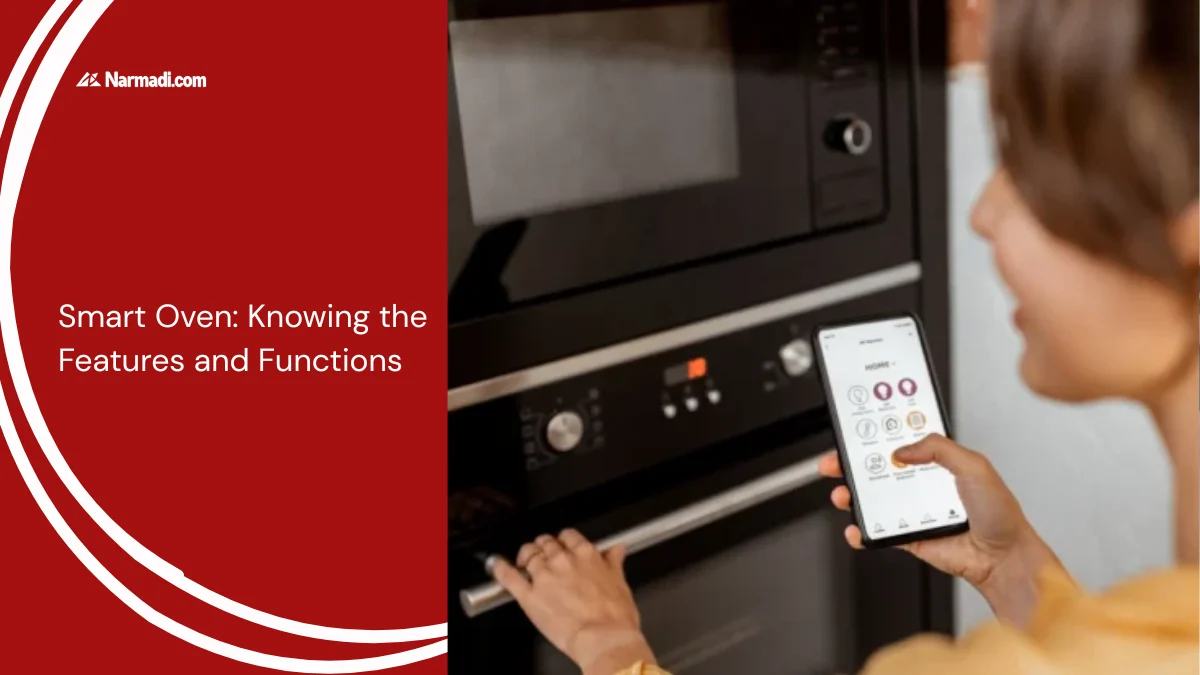

Smart ovens are part of the progress in the development and innovation of smart home devices that are integrated into various household devices.
Smart ovens have benefits beyond just baking; this is what distinguishes them from ordinary ovens. The device also has many features that users can utilize.
This article will discuss more about smart ovens, from their definition, features, and functions, to their regulation in Indonesia.
What is a Smart Oven?
Smart ovens are equipped with intelligent features, such as internet connection and mobile apps, that allow users to control and monitor the oven remotely.
This device can also provide recipe recommendations based on the ingredients available in the fridge, as well as features such as precision cooking using temperature sensors.
The Features
Smart ovens have many advanced features just like other smart home devices. Here are some of the features commonly found in the device:
- Smartphone Control: The device can be controlled remotely using an app on your smartphone.
- Accurate Temperature and Time Settings: Allows for precise adjustment of cooking temperature and duration as needed.
- Automatic Cooking Programs: Many types come with pre-customized cooking modes for different types of food.
- Smart Sensors: Some types are equipped with automatic sensors that adjust settings based on the type of dish being cooked.
- Reminder Feature: Provides notifications to prevent food from overcooking or scorching, as well as alerting when the cooking process is complete.
- Connection to the Internet: Provides access to download recipes, search for cooking tips, and control the oven via the Internet.
- Interactive Touch Screen: Simplifies menu navigation and makes feature selection easy.
- Automatic Rotisserie: Equipped with a rotisserie for even roasting of chicken or meat.
- Low Power Consumption: Designed to be energy efficient and efficient in electricity usage.
- Light and Blower System: Allows you to see the cooking process clearly and helps food cook thanks to even air circulation.
Versatile Cooking Functions
The appliance is called ‘smart’ because it does indeed combine a wide range of capabilities. The same applies to smart ovens, which have numerous functions. Here are their main functions:
1. Precision Baking and Roasting
Smart ovens enable precise heat distribution, making them suitable for baking and roasting. On the one hand, these appliances are ideal for baking delicate foods such as bread, pies and biscuits.
Furthermore, the built-in rotisserie function also allows for the automatic and slow roasting of whole cuts of meat and whole chickens, resulting in a crispy finish and an even golden brown colour.
2. Multi-Stage Automated Cooking
The intelligence of this appliance allows it to manage a sequence of cooking stages within a single cycle. This offers the convenience of a single cooking process, without having to remove the food from the appliance several times.
For example, when frozen food is defrosted at a low temperature, the temperature is then automatically increased for roasting. The cycle concludes with a high-temperature roasting process to ensure the top is crispy.
3. Smart Reheating and Dehydrating
Conventional microwaves can heat food, but they can make it mushy. In contrast, smart ovens can reheat leftover pasta, pizza or roast potatoes whilst retaining their original texture.
This is because the appliance utilises gentle convection heat. The low-temperature setting also allows the appliance to function as a food dehydrator for fruit and herbs.
4. Automated Preheating and Warming
What makes smart ovens so appealing is their ability to be operated remotely and their automation features. The smart scheduling feature allows you to preheat the oven remotely before you arrive home.
The automation feature allows you to keep food at a safe serving temperature without overcooking or burning it. This continues even after the cooking process has finished.
Global Type Approval
Smart ovens use wireless communication technologies such as Wi-Fi and Bluetooth. They therefore fall within the classification of devices equipped with radio functions. Devices in this classification must undergo mandatory type approval certification before being distributed to the global market.
Certification testing covers stable radio frequency (RF) performance, electromagnetic compatibility (EMC), and user electrical safety without causing signal interference. This is a series of processes designed to ensure that embedded wireless modules comply with the applicable technical standards.
Device certification is not just a matter of legal compliance. It also relates to safety during use and ensuring that there is no interference with other electronic devices in the vicinity.
For manufacturers and distributors looking to expand their markets seamlessly, Dimulti offers global type approval services. Since 2008, we have been assisting with certification matters, including the preparation of technical documentation, the coordination of testing, and regulatory compliance, to ensure your smart devices can enter global markets.