
Prevention is always more important. Therefore, to prevent fires, a device called a flame detector is used.
The use of flame detectors is essential for detecting fires, enabling swift action to extinguish them. Not only that, but the importance of using flame detectors extends to other areas, such as early detection and enhanced safety.
This article will provide information about flame detectors, ranging from their definition, how they work, their functions, and applicable regulations.
What is a Flame Detector?
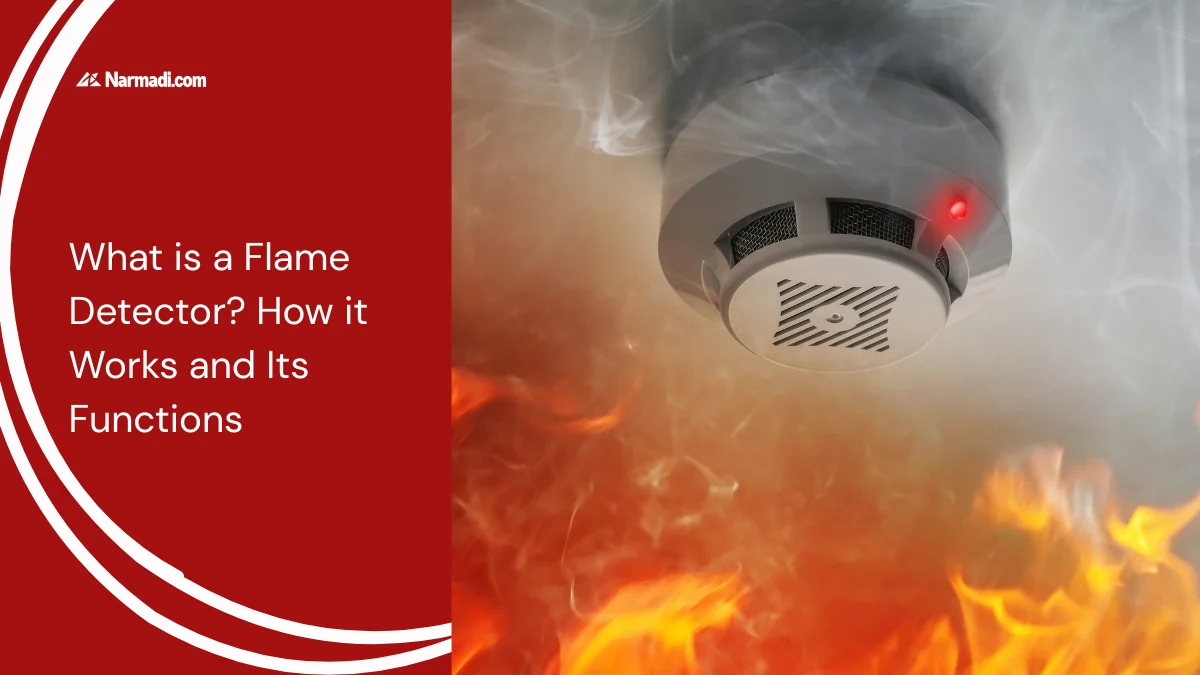
A flame detector is a device specifically designed to detect the presence of a flame. Often integrated into fire alarm systems, this device plays a crucial role in providing early warnings.
Fire detection is achieved by identifying the ultraviolet or infrared radiation emitted by the flame, or by analyzing the visual characteristics of the flame itself.
Flame detectors are essential in environments with a high risk of fire. They are widely used across various industries. In industrial processes, these devices are used in boiler furnaces, chemical plants, and oil refineries. For storage and production, they are used in areas that store flammable gases, solvents, fuels, and textiles.
How does it work?
Flame detectors or flame detectors work by detecting ultraviolet (UV) or infrared (IR) radiation emitted by fire. Here are the details of how a flame detector works:
- Radiation detection: This device is equipped with sensors that are sensitive to IR radiation and UV radiation emitted by fire.
- Signal processing: The sensor captures the radiation signals emitted by the fire and is processed by electronic devices in the device.
- Alarm Triggering: If radiation is detected according to the characteristics of a fire, the device will trigger an alarm in the form of a warning sound, indicator light, or even activation of an automatic fire extinguishing system.
Key Features
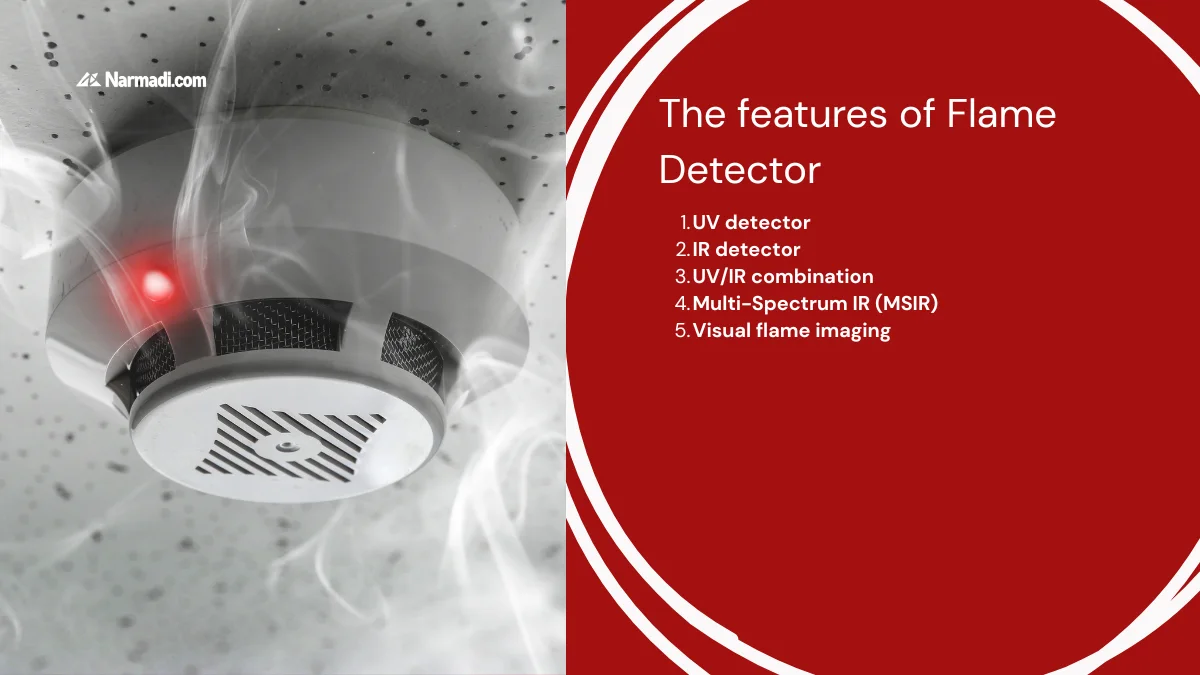
In general, a flame detector has some main features to support detecting the fire quickly. Here are some features you can enjoy:
- UV detector: Detects ultraviolet radiation emitted by flames. Useful for detecting hydrogen or metal fires.
- IR detector: Detects radiation and flames while minimizing false alarms caused by sunlight or artificial light.
- UV/IR combination: A combination of ultraviolet and infrared detectors. Offers higher accuracy, enabling it to distinguish between false and real fires.
- Multi-Spectrum IR (MSIR): Features multiple infrared sensors to analyze fire characteristics. Suitable for installation in dirty or smoky environments.
- Visual flame imaging: Equipped with a camera to process images and recognize fire patterns.
The Functions
Flame detectors serve many purposes, ranging from early detection to fire prevention and enhanced safety. Here is a more detailed explanation of the device’s primary functions:
1. Early detector
One of the primary functions of this device is its ability to detect fires early on. Early signs of a fire, such as rising temperatures or smoke, can be detected sooner.
In fact, these signs can be detected even before the fire is visible. This is certainly very helpful in preventing larger fires.
2. Fire prevention
With its ability to detect fires early, fires can certainly be prevented through appropriate preventive measures. You can carry out an evacuation or extinguish the fire.
This will certainly help you prevent fires through faster and more effective actions, thereby avoiding larger fires.
3. Security improvements
Another primary function of this device is to enhance safety. Early detection and fire prevention efforts naturally improve safety in various environments, such as factories, warehouses, or facilities with a high risk of fire.
With a flame detector, the worst-case scenario of a fire risk in such locations can be better managed, making the environment safer.
How Can You Maximize Its Performance?
To maximize the performance of a flame detector, there are several factors to consider. These include placement, maintenance, and testing.
The device should be placed at a strategic height and angle. The goal is to cover high-risk areas.
To ensure the device remains functional over the long term, proper maintenance is essential. Clean the device’s lens regularly to remove dust, soot, and condensation.
Additionally, the device should undergo periodic manual testing to ensure it is functioning properly. The recommended testing method involves the use of a calibration lamp. [UN]