
Dashboard cameras, often called dashcams, are the answer in the midst of increasing awareness of the importance of safety and evidence when driving.
Dashboard cameras in cars are now one of the most popular devices because of the many functions and benefits they provide. A dashcam is useful for recording trips and being a silent witness when an incident occurs on the road.
This article will help add to your insight regarding dashboard cameras, including their definition, functions, and telematics spectrum approval requirements.
What is a Dashboard Camera?
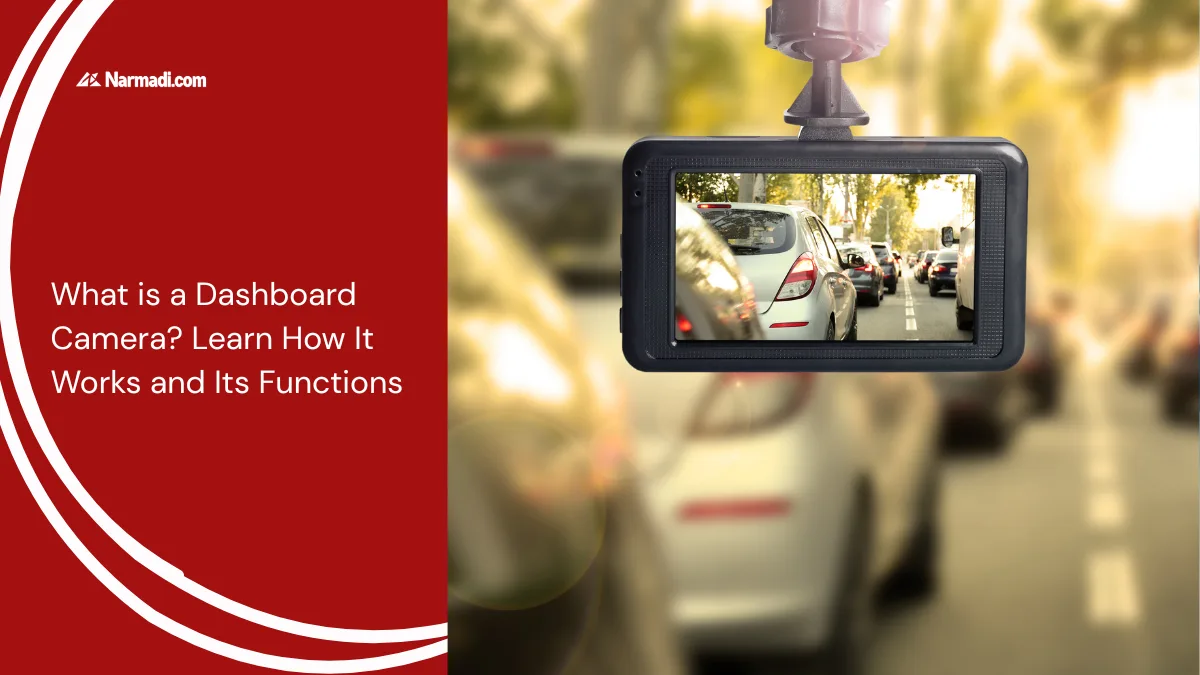
A dashboard camera is a small camera that is usually installed at the front, centre, or rear of the car to record activities around the vehicle while driving.
Its function is to record images and sounds while the vehicle is running. This recording, if needed one day, can be important evidence in various situations, such as accidents or unexpected events.
How it Works
The way the dashboard camera works is quite simple: from the camera turning on when the vehicle is started to storing the video, here’s how the dashcam works in sequence:
- The camera turns on when the vehicle engine is started: The dashcam is connected to the car’s power supply, which will make the camera turn on when the vehicle engine is started.
- Recording video: As long as the car is running, the dashcam will automatically record the entire trip.
- Recordings are automatically saved: The dashcam recordings will be automatically saved to the microSD memory or the dashcam’s internal storage.
The Function
The dashboard camera has several main functions, one of the most important of which is to record the ride as evidence in the event of an accident or traffic violation. Here are some of the main functions of a dashcam:
1. Recording the trip
One of the functions of the dashcam is to record the trip. Everything that happens in front of or behind the vehicle (depending on the installation position) during the trip will be recorded. This is useful for capturing beautiful scenery, funny moments, or as evidence in the event of an accident.
2. Evidence of an accident
When a vehicle accident occurs, it is often not known what the chronology is. With the dashcam, the recordings can be used as evidence in traffic accident cases, both to determine who is at fault and to support insurance claims.
3. Insurance assistance
In the event of an accident, you will, of course, need to make an insurance claim for vehicle repair costs or life insurance. Dashcam footage can be a strong piece of evidence to support your insurance claim.
4. Crime prevention
By installing a dashcam on a car, criminal acts can be prevented. Because the perpetrators know that their activities are being recorded, likely, that criminal acts will not be committed.
5. Protect the vehicle when parked
Some dashcams are equipped with a “parking mode” feature that is active even when the car is off. This is useful for monitoring suspicious events around the car, including the risk of theft or minor collisions when parked.
Telematics Spectrum Approvals for Wireless Dashcams
Modern dashcams are equipped with WiFi, Bluetooth, and mobile IoT telemetry (4G/5G). As such, these devices are capable of streaming live footage to smartphones or cloud-based fleet management portals.
The use of radio frequency (RF) signals means that these smart telematics cameras are subject to strict national telecommunications regulations in every commercial market. These regulations are known as type approval certification.
This is a compliance tool that manufacturers, importers, and suppliers must have before distributing or selling wireless dashcams. The devices will undergo radio frequency (RF), electromagnetic compatibility (EMC), and electrical safety testing to ensure they operate within permitted frequency limits.
Holding this certification indicates that the device has been proven safe to use and does not interfere with other electronic devices in its vicinity. Dimulti is often entrusted with streamlining the certification process, from assisting with the preparation of the appropriate technical documentation until the certification is issued.