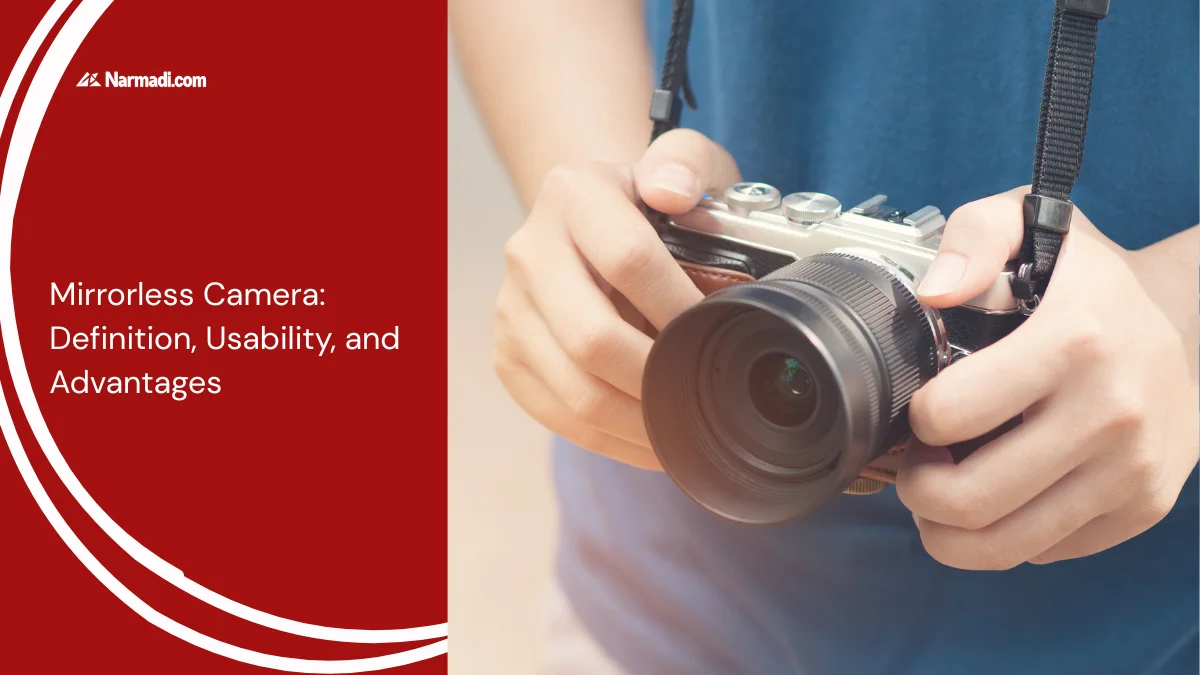

Mirrorless cameras are always compared with DSLR cameras. Both have high-quality results, and they always have a special place in the hearts of photographers. Nowadays, with many types of cameras, mirrorless cameras have become another choice for professional photographers.
If you are interested in knowing more about mirrorless cameras, starting from their definition, usability, and advantages, let’s discuss it together below.
What is a Mirrorless Camera?
Digital cameras without mirrors inside their bodies are known as mirrorless cameras. Unlike DSLR cameras that rely on mirrors to direct light from the lens to the viewfinder, these cameras work by capturing light and producing images directly through their sensors. Consequently, mirrorless cameras are generally more compact in size and weight than DSLR cameras.
The Usability
Mirrorless cameras are commonly used in travel photography, creative content, and videography.
- Travel photography: The smaller size and light weight make mirrorless cameras easy to carry around, making them suitable for travel.
- Creative content: Mirrorless cameras are very useful for creating creative content as they offer flexibility, good image quality, and ease of use.
- Videography: Mirrorless cameras are useful for videography as they offer high video quality, advanced video features, and good portability.
The Advantages
Mirrorless cameras have several advantages, from image quality that is no less superior to DSLRs to an electronic viewfinder. Here are the advantages of mirrorless cameras that you can take advantage of:
1. Image quality that is no less superior to DSLRs
One of the advantages of mirrorless cameras is the image quality that is no less superior to DSLRs. Mirrorless cameras are able to produce images with excellent quality, even equivalent or some brands are better than, DSLR cameras.
What makes this camera have superior quality is the autofocus system and more sophisticated image processing technology.
2. Replaceable lens
Still competing with DSLRs, mirrorless cameras also have the ability to change lenses. Mirrorless cameras allow photographers to customize the lens to the type of photography being done.
3. Smaller and lighter in size and weight
What slightly distinguishes mirrorless cameras from DSLRs is their size and lighter weight. With its small size and light weight, this camera is easier to carry and use, especially when traveling or doing outdoor activities.
4. Advanced features
Another advantage of mirrorless cameras is the various advanced features they come with. Not only does it have the ability to record high-quality videos, but it also features image stabilization and other creative features.
5. Electronic viewfinder (EVF)
Mirrorless cameras use an EVF, which allows the photographer to preview the photo results in real-time, including camera settings that affect the final result. With the EVF, the photographer can immediately tell if there are any flaws in the photo.
Mirrorless vs DSLR Camera: Which One Should You Choose?
Choosing the right camera depends on your workflow preferences, shooting conditions, and portability needs. Mirrorless and DSLR cameras are both popular choices in today’s modern era. However, each has its own advantages and disadvantages that should be considered based on personal preferences.
DSLR cameras excel in terms of the clarity of their optical viewfinders, longer battery life, and ergonomic grips for heavy lenses. On the other hand, mirrorless cameras excel in terms of video recording capabilities, real-time exposure feedback, and lightweight portability.
In recent years, as a type approval certification service, Dimulti has been receiving more requests to handle mirrorless cameras. It seems that the popularity of DSLR cameras has been declining over time.
Mirrorless cameras can be a more versatile modern investment option for you. Especially if you prioritize faster autofocus coverage across the entire frame and a more compact design for everyday use.