
The convenience of using technology is the main thing in today’s practical era. Technological innovations that answer this include devices that no longer use cables, one of which is wireless charging.
The absence of cables in wireless charging makes it more practical, makes the table tidier, and reduces the risk of short circuits.
This article will outline information about wireless charging, from its definition and how it works to its advantages and regulation in Indonesia.
What is the Definition of Wireless Charging?
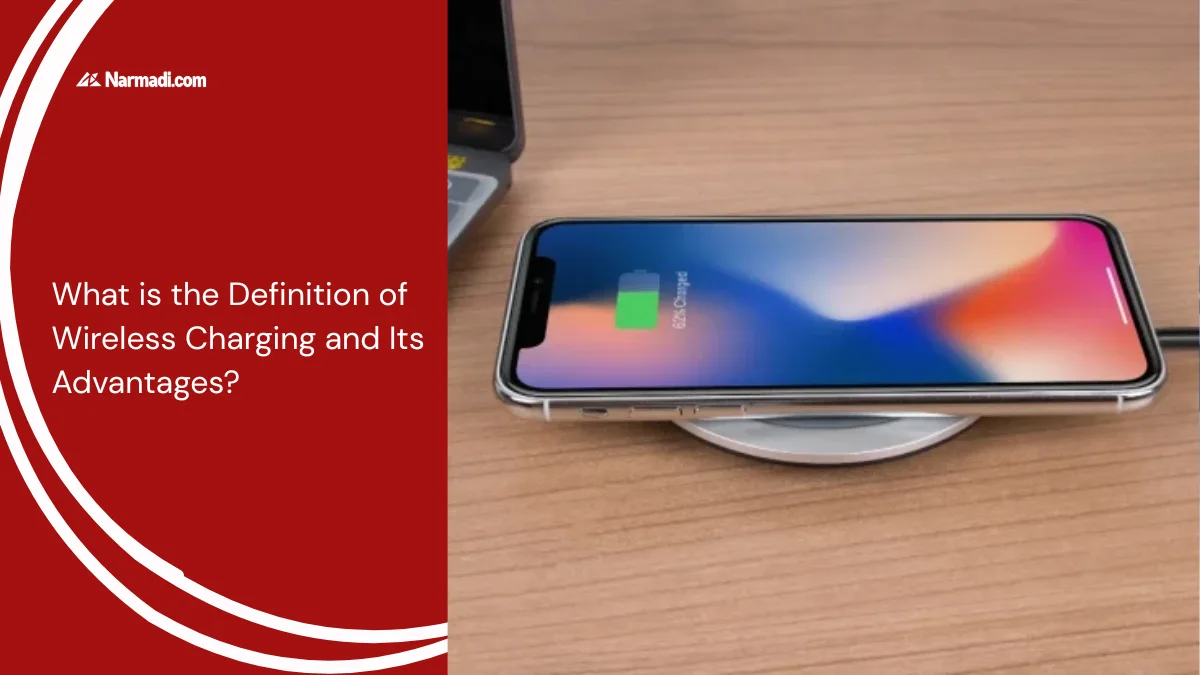
Wireless charging is a modern charging technology that allows electronic devices to charge without using wires. Devices that use this charging are usually smartphones, smartwatches, or earbuds.
This charging uses electromagnetic induction on the receiving device, where electrical energy is transmitted wirelessly from the charging source. This charging allows a neater and more minimalist look because the device is installed without any dangling cables.
How Does it Work?
In principle, wireless charging works by means of electromagnetic induction. This device uses two coils; each coil has a different transmitter between the charging coil and the receiving coil. Here’s how it works in detail:
Charging pad connected to electric current: The charging pad has a coil that is connected to a power source.
The coil emits a magnetic field: The electricity delivered by the charging pad generates an isolated magnetic field.
The receiving coil receives the field: The receiving coil captures the magnetic field emitted by the sender.
The magnetic field is converted into an electric current: The magnetic field captured by the receiving coil is converted into an electric current.
The Advantages
Wireless chargers have several advantages ranging from reducing cable dependency, being able to charge multiple devices at once, to minimal risk of short circuits. Here are the things you need to know:
1. Reduce cable dependency
The advantage of wireless charging is that it reduces cable dependency. With this charging method, only the charging pad is connected to the electricity; the device you want to charge is simply placed on the pad. This makes your work faster and cleaner, with fewer cables.
2. Easy to use
Easy to use is another advantage of wireless charging. With this charging method, you simply place the device on the charging pad, and then the device can charge without the need to plug the cable back in.
3. Charging multiple devices at once
The most amazing advantage of wireless charging is its ability to charge multiple devices at once. Some of the latest wireless charging products allow charging devices such as smartphones, smartwatches, and earbuds simultaneously.
4. Smart Power Management and Battery Protection
Modern wireless charging systems actively communicate with the power management circuitry of the receiving device, thereby optimising the power output. The ability to automatically reduce the power or stop charging once the battery reaches full capacity also protects the device from overheating and overcharging.
5. Minimal risk of short circuit
Another advantage of smart charging is the minimal risk of short circuits. By not using cables, this charging method reduces the risk of electric shock or short circuits due to damaged or chipped cables.
Ensuring Safety and Electromagnetic Compatibility
Signal stability and thermal safety in wireless power devices are of the utmost importance. This is because these devices emit electromagnetic fields to transfer energy.
Non-standardised devices can cause problems, ranging from excessive heat build-up and damage to smartphone battery health to causing radio frequency interference with other devices.
Therefore, wireless charging products must undergo strict Electromagnetic Compatibility (EMC) and safety assessments. These tests form part of the process for obtaining type approval certification, which is a requirement in every country before electronic devices can be marketed and used.
Choosing certified products is a matter that requires careful consideration. In this way, the legality and safety of the devices used are guaranteed and have been thoroughly tested.