
Along with the development of the digital era, computing devices have also experienced an important evolution, namely the presence of handheld computer technology.
For the industrial sector, the use of handheld computers is more necessary than desktops or laptops. With this device, staff are helped in their mobility and work efficiency.
Are you familiar with this device? Read this article until the end to find out about handheld computers, including definitions, functions, types, examples of applications in several industrial sectors, and wireless connectivity and certification requirements.
What is a Handheld Computer?
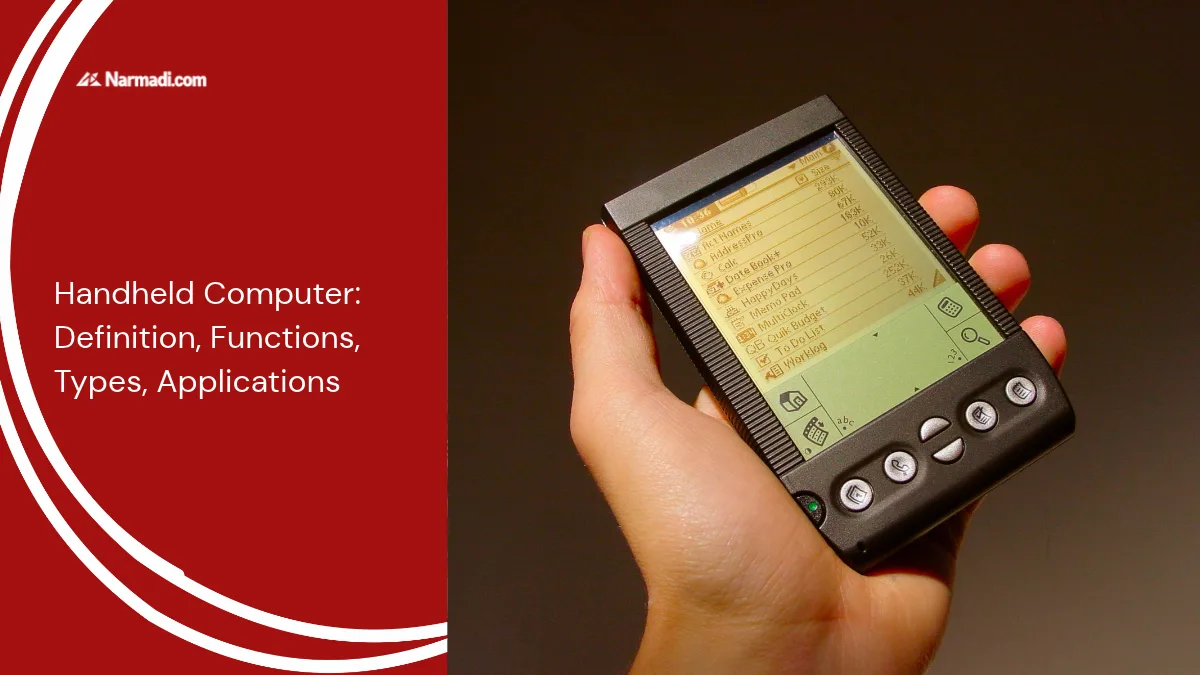
Handheld computers are computers that are small enough to be held and operated with one hand. These devices have specialized operating systems such as Android or Windows Embedded, with some features such as touchscreens, physical keypads, or virtual keypads. These devices can be connected to local networks or the cloud with specific applications to collect data.
Handheld computers are designed to be used in heavy and dynamic work areas because they have a resilient design. Not only is it resistant to impact, but it is also resistant to water, dust, and extreme temperatures.
The Functions
The handheld computer has many functions, especially in collecting data in the industrial sector. Here are some of the functions of a handheld computer:
- Task management: Helps organize tasks, create schedules, and set reminders like a personal digital assistant (PDA).
- Data collection: Collect and manage data in real-time from barcodes on stock items to check inventory.
- Industrial use: This tool is often used in the logistics, retail, and healthcare industries.
- Communication between employees: Enables communication between employees through specific applications.
- Increase productivity: With the convenience and functionality offered, it significantly increases user productivity.
The Types
Handheld computers are divided into several types with different functions and uses according to specific needs in the field. Here are some types of handheld computers that are commonly used:
1. Rugged handheld
Rugged handhelds are handheld computers that have high resistance to extreme weather. These devices are resistant to dust, water, and high and low temperatures, usually marked with IP67 or IP68 certification.
With a robust design, this type of computer can be relied upon for use in heavy industrial areas such as construction sites and mines.
2. Retail handheld
As the name suggests, retail handhelds are used in retail stores such as shopping centers or industrial warehouses. The main function of this computer is to facilitate employees in inputting data in the transaction process or inventory of goods.
With this type of computer, it can help store employees with the speed and accuracy of data input when serving customers. Not only that, but staff can also manage stock items more efficiently.
3. Medical handheld
Medical handhelds are devices that are designed for the needs of users in the health sector, such as hospitals, clinics, and other health facilities. This device helps staff in recording medical data.
This type of computer also has a design that is durable, easy to clean, and safe to use in a sterile environment. So that healthcare staff in the process of managing medical data, manage schedules, and communicate efficiently between staff.
4. Field service handheld
A field service handheld is a computer device commonly used by outdoor technicians such as electricians, HVAC technicians, building inspection officers, and utility operators. This type of computer helps the technician work in recording the results of the report digitally and document the results of the work.
With a field service handheld, it will help the mobility of technicians in the field to be able to work quickly by sending reports directly to the central system.
The Applications
With many functions provided by handheld computers, this tool is applied in several sectors such as logistics, retail, health, factory, and manufacturing. The following are examples of the application of handheld computers:
- Logistics: Goods data input, shipment tracking, and inventory management.
- Retail: Price checking, stocking, and cashier transactions.
- Healthcare: Recording patient medical records, managing work schedules, and internal communication.
- Factory and Manufacturing: Production documentation, quality control, and asset management.
Wireless Connectivity and Certification Requirements
Handheld computers operate by integrating various wireless technologies, such as Bluetooth, NFC, RFID, and Wi-Fi. These technologies are used to synchronize data and communicate in real time in industrial environments.
To be commercially distributed and used by consumers, these devices must meet specific global standards. Compliance is demonstrated through type approval certification.
During the certification process, the device is tested to ensure it operates within the specified frequency bands, does not cause electromagnetic interference, and meets electrical safety requirements. This is verified through Radio Frequency (RF), Electromagnetic Compatibility (EMC), and Electrical Safety testing.
Obtaining this certification serves as official proof that the handheld computer meets safety standards and does not cause interference when in use. As a result, the device can enter the international market without any issues.