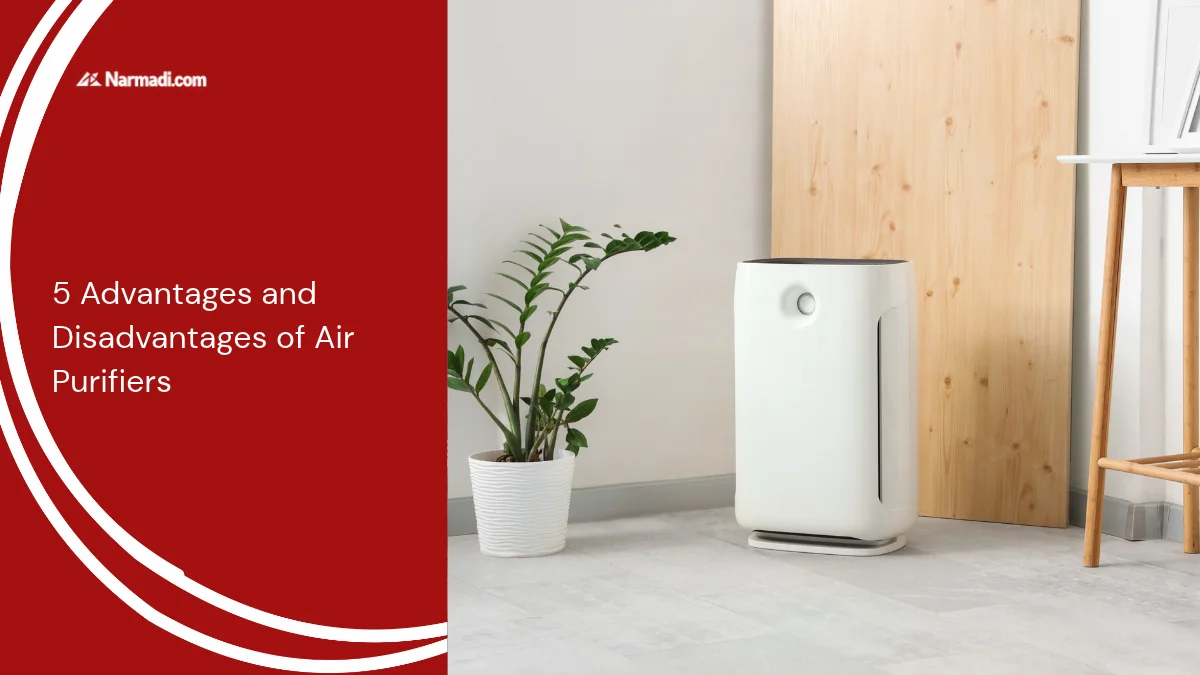
An air purifier provides many benefits, especially the ability to filter and purify air that has been contaminated with harmful particles and pollutants. However, the advantages and disadvantages of air purifiers cannot be easily separated, even though the benefits are evident.
The advantages and disadvantages of air purifiers include improving air quality, helping reduce the risk of allergies and asthma, and even helping improve sleep quality, while the disadvantages include regular maintenance and care, effectiveness depending on placement, and even the potential to produce ozone.
This article will inform you about some of the advantages and disadvantages of air purifiers that you can consider.
Advantages of an Air Purifier
Here are some advantages of an air purifier:
1. Improve air quality
With the air purifier’s ability to filter air that has been contaminated with harmful particles and pollutants, indoor air quality is improved. You don’t have to worry about bad air.
2. Filter out harmful particles in the air
Fine particles such as dust, pollen, pet dander, and mold spores that are harmful to heart, lung, and brain health can be filtered out with an air purifier. With the HEPA (High Efficiency Particulate Air) filter in this device, 99.97% of small harmful particles can be captured.
3. Helps reduce the risk of allergies and asthma
One of the advantages of an air purifier is its ability to help reduce the risk of allergies and asthma. This is done by its ability to remove allergens from the air. So those with a history of allergies or asthma don’t need to worry about being in the room for a long time.
4. Helps maintain long-term health
The ability of air purifiers to draw in dirty air and filter it into clean air certainly increases the amount of clean air we breathe. With less dirty air that we breathe, it will help maintain long-term health, especially by reducing the risk of respiratory problems.
5. Helps improve sleep quality
The clean air produced by an air purifier can certainly have an impact on the quality of your sleep. You will avoid breathing problems at night and sleep better.
Disadvantages of an Air Purifier
Here are some disadvantages of an air purifier:
1. Regular maintenance and care
One of the drawbacks of air purifiers is that they require regular maintenance and care. The filters on these devices must be replaced regularly, as dirty filters will cause new problems as a source of pollutants, so there will be maintenance costs in the long run.
2. Doesn’t remove all pollutants
Although it does its best to remove dirty air, not all pollutants can be removed with an air purifier. Fully gaseous air, such as carbon monoxide or formaldehyde from certain household products and direct pollution sources, cannot be treated with this device.
3. Effectiveness depends on placement
Another drawback of air purifiers is that their effectiveness depends on placement. This device cannot be carelessly placed. If you place the device incorrectly, its effectiveness will not be maximized.
4. Range limitation
Range limitation is also a drawback of air purifiers. The size of the room and the level of air pollution affect its effectiveness. A room that is too large may not be effectively cleaned if a small air purifier is used.
5. Potential to produce ozone
Some air purifier models use UV technology that can produce ozone, which can cause new problems that are harmful to health. Make sure you choose a device that suits your needs.
Weighing Costs and Long-Term Value
Weighing the advantages and disadvantages of an air purifier ultimately comes down to its total cost of ownership. On the one hand, this device offers significant health benefits from breathing filtered, allergen-free air. On the other hand, users must factor in ongoing expenses.
Replacing HEPA filters, periodically changing carbon filters, and electricity consumption will all affect your operating costs. In addition to cost considerations, you also need to consider proper placement.
Paying close attention to room dimensions and strategic placement will maximize the air purifier’s value. You need to choose a device that is the right size for the room to achieve optimal air filtration.
These two considerations must be balanced from the start. That way, you can commit to your investment in improving indoor air quality while being prepared for any operational challenges that may arise.