
The advancement of technology is undeniable. It has even penetrated household appliances, including a robot vacuum cleaner.
With a robot cleaner, we don’t need to push the vacuum to all corners of the room to clean dust; this device can move independently throughout the room to do so.
Are you wondering how a robot vacuum cleaner can move on its own and avoid various obstacles that hinder it? Then do you already know what advanced features a robot cleaner has?
This article will review the robot vacuum cleaner, from understanding how it works to the advanced features it has.
What is a Robot Vacuum Cleaner?
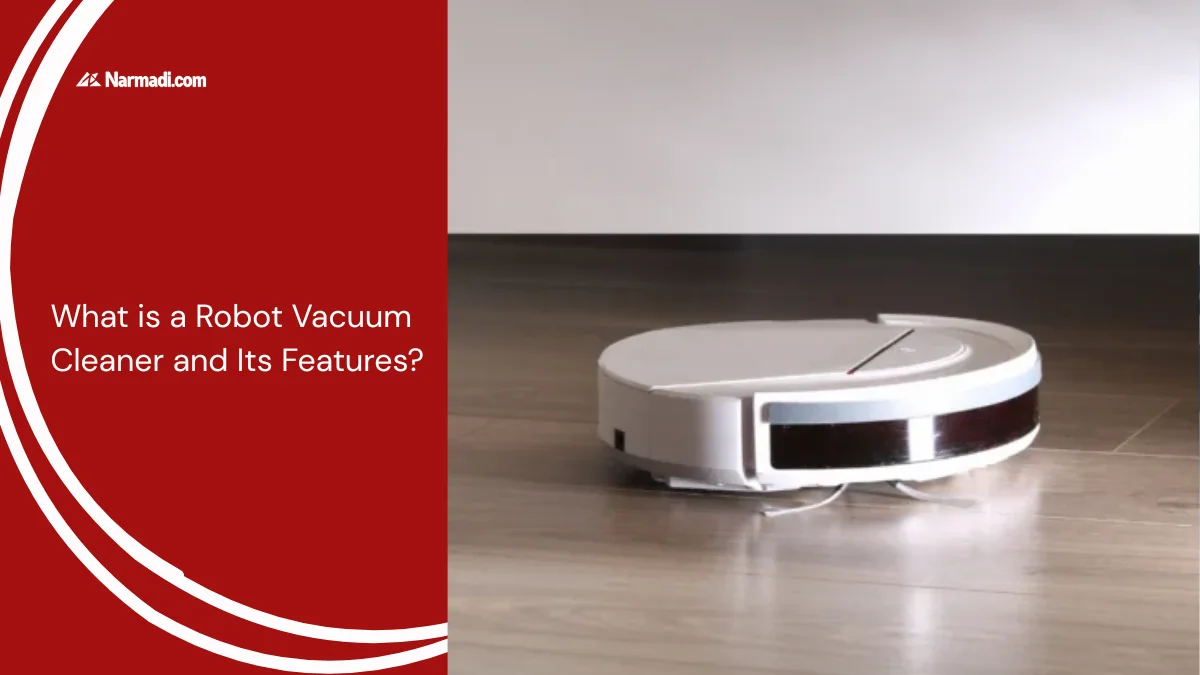
A robot vacuum cleaner is a smart device specifically designed to clean the house with tasks such as sweeping and mopping.
The main difference between a robot vacuum and a conventional vacuum cleaner lies in the automatic way it works. Just by pressing one button, this device will start moving and cleaning the house independently.
One of the advantages of a robot cleaner is its navigation technology. This technology allows the device to move itself according to the layout of the house. Some models are also equipped with cameras and even AI (artificial intelligence) technology to improve their performance.
How It Works?
How to use a robot vacuum cleaner is quite easy: just place it on the floor and press the power button, then the robot will move to suck up the dust.
Are you curious about how a robot cleaner works to clean dust and dirt automatically? Here’s how a robot cleaner works:
- Utilizing advanced technology: Robot vacuum cleaners are equipped with navigation, infrared, WiFi, camera, sensors, and AI technology. This allows the robot vacuum to clean automatically.
- Brush that attracts dust: This tool is equipped with several types of brushes, such as rollers and spinners that stir up dirt, then pull it into the storage space in the robot vacuum as an internal trash can.
- Using batteries as a power source: Powered by batteries with sufficient capacity for cleaning activities. The battery can be recharged using a certain charger when the battery runs out.
The Features
1. Navigation sensors
Most robot cleaners are equipped with laser and infrared-based navigation sensors to map out the room and plan the cleaning route for directed and efficient movement.
There are also object detection sensors, which help the robot avoid wires, furniture, walls, and even pets from crashing during the cleaning process. Some robot vacuum cleaners are also equipped with anti-drop sensors, which prevent them from falling down stairs.
2. Smart home integration
Robot vacuums can generally be controlled remotely using an application installed on a smartphone. This allows them to be integrated with smart homes and other advanced systems, providing a fully automated experience.
3. High suction power
All vacuum cleaners have suction power, which allows them to suck up dirt on the floor. A robot vacuum cleaner with strong suction power will make its performance in cleaning the floor more efficient. The suction power of devices on the market today usually ranges from 2,500 to 6,000 Pa.
4. Air filter
When a floor cleaning robot sucks up dirt, air enters and will be expelled again. Before being expelled, the air passes through a filtering system or filter.
The filter will trap dust and allergens so that the air released back becomes fresher, healthier, and free of allergy-causing particles. A good filter standard is to use a HEPA filter, which is known to capture more than 99% of allergy-causing particles.
RF Reliability and LiDAR/Wi-Fi Safety
Modern robot vacuum cleaners rely heavily on integrated Wi-Fi modules, Bluetooth and radio-frequency (RF) LiDAR sensors. It is this technology that enables them to map living spaces and transmit data in real time to smart home apps.
As this device transmits and processes wireless signals, it must undergo a type approval certification process before it can be marketed and used. This is necessary to ensure the safe and reliable operation of its wireless and RF components.
Through testing and certification, the device will undergo rigorous evaluation in relation to Radio Frequency (RF), Electromagnetic Compatibility (EMC) and thermal safety. This process ensures that the robot’s mapping signal remains stable, operates within the specified frequency band and does not cause interference with other household electronic devices.
As an experienced partner in the field of technical compliance for type approval since 2008, Dimulti assists manufacturers, distributors and importers in navigating the certification process. We handle all telecommunications equipment, including autonomous household appliances. This ensures that your robotic vacuum cleaner meets all technical standards and is fully ready for the market.