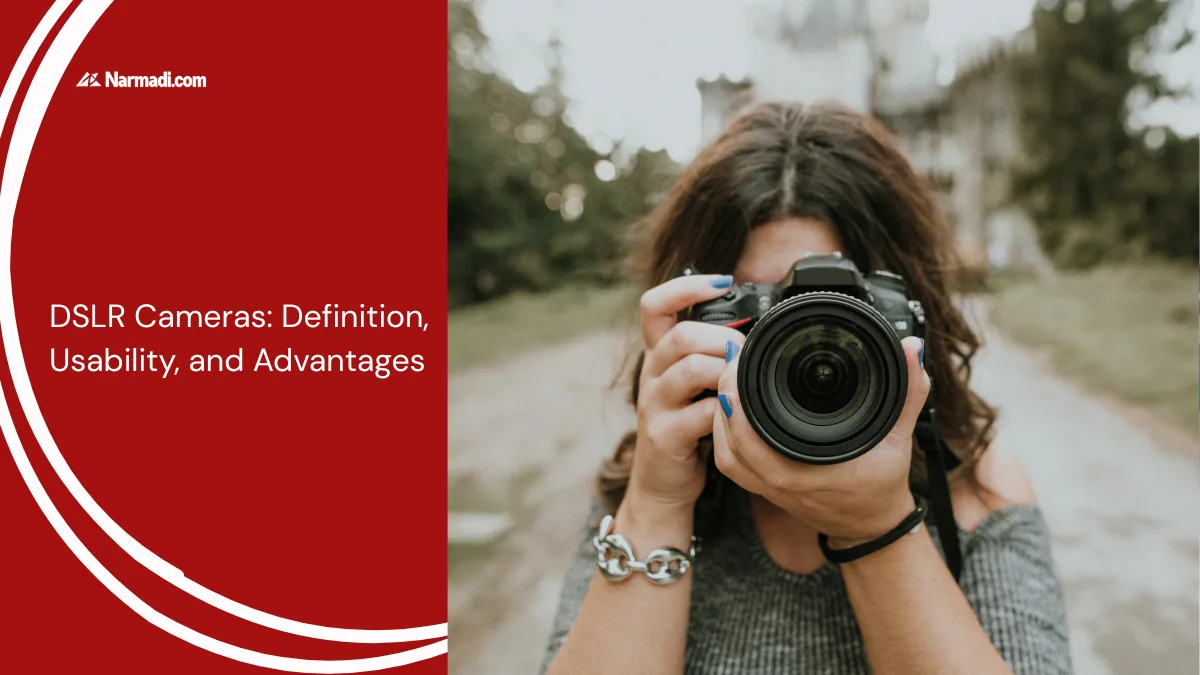

DSLR cameras, with their high-quality results, have always had a special place in the hearts of photographers. Nowadays, with many types of cameras, the DSLR camera is still a good choice for a professional photographer.
If you are interested in knowing more about DSLR cameras, starting from their definition, usability, and advantages, let’s discuss them together below.
What is a DSLR Camera?
One type of camera that is quite popular is the DSLR (Digital Single-Lens Reflex) camera. These cameras use a mirror to reflect light from the lens into the viewfinder, allowing the photographer to see the subject being photographed through the viewfinder.
This mirror allows the photographer to look directly through the lens before shooting. DSLR cameras are also known for their high image quality, interchangeable lenses, and complete manual control capabilities.
The Usability
DSLR cameras are commonly used for professional photography, event documentation, and art photography.
Professional Photography: DSLRs are widely used by professional photographers because of their high-quality results that can be used in various print and digital media.
Event Documentation: Currently, a lot of event documentation is the result of photos from DSLRs that can be taken in various conditions, both indoor and outdoor.
Art Photography: With the many settings available on a DSLR, it can be adjusted for any needs, including art photography.
The Advantages
DSLR cameras have several advantages, from superior image quality to durable construction. Here are the advantages of DSLR cameras that you can take advantage of:
1. Superior image quality
One of the most emphasized advantages of DSLRs is their ability to produce superior image quality. Large sensors and the ability to use a variety of lenses allow DSLRs to produce images with sharp details, wide dynamic range, and better control of depth of field.
2. Manual control
With manual control, DSLRs allow users to adjust exposure with precision and create creative effects with settings such as aperture, shutter speed, and ISO.
With the user’s creativity in adjusting the manual controls, the DSLR results are more attractive and interesting to look at because they are not monotonous with the camera’s default settings.
3. Ability to change lenses
Another advantage of a DSLR is the ability to change lenses. Various lenses can be used on DSLRs, allowing photographers to capture a variety of subjects ranging from portraits to landscapes.
4. Better autofocus
Compared to point-and-shoot cameras, the autofocus system on DSLRs is more responsive and faster. The better autofocus allows for easier shooting of moving subjects.
5. Durable construction
Another important advantage that DSLRs have is their durable construction. Many DSLRs are designed with robust construction, making them a good choice for photographers who are often outdoors.
DSLR vs Analog Camera: Which One Fits Your Needs?
Choosing a type of camera will depend entirely on your workflow preferences and stylistic goals. Digital cameras, such as DSLRs, and analog cameras each have their own advantages and disadvantages.
DSLR cameras offer instant digital previews, high-speed shooting capabilities, and no ongoing film costs. However, they lack the authentic, tangible aesthetic of film photography that some creators still prefer.
Analog cameras allow you to explore the classic film process, chemical development, and vintage grain textures. However, you’ll need to consider their maintenance and operating costs.
Understanding the features, ease of use, and advantages of DSLR cameras will help you decide whether to choose one. With unmatched manual controls, lens flexibility, and a sturdy build, DSLR cameras are indeed an attractive option to support your photography.