AI-Generated Jingles: The Copyright Paper Trail Nobody Checks
An AI-generated jingle rarely comes with a record of where its sound actually originated. Here is why that missing paper trail, not the music itself, is the real liability.
An AI-generated jingle rarely comes with a record of where its sound actually originated. Here is why that missing paper trail, not the music itself, is the real liability.
A useful audio logo must survive every place a brand appears. Here is why three seconds is a deployment advantage, not a creative limitation.
A product team can spend weeks debugging a re-engagement campaign that underperforms, checking copy, timing, and segmentation, and never once touch the one variable that reaches the user before anything else does: the notification sound.
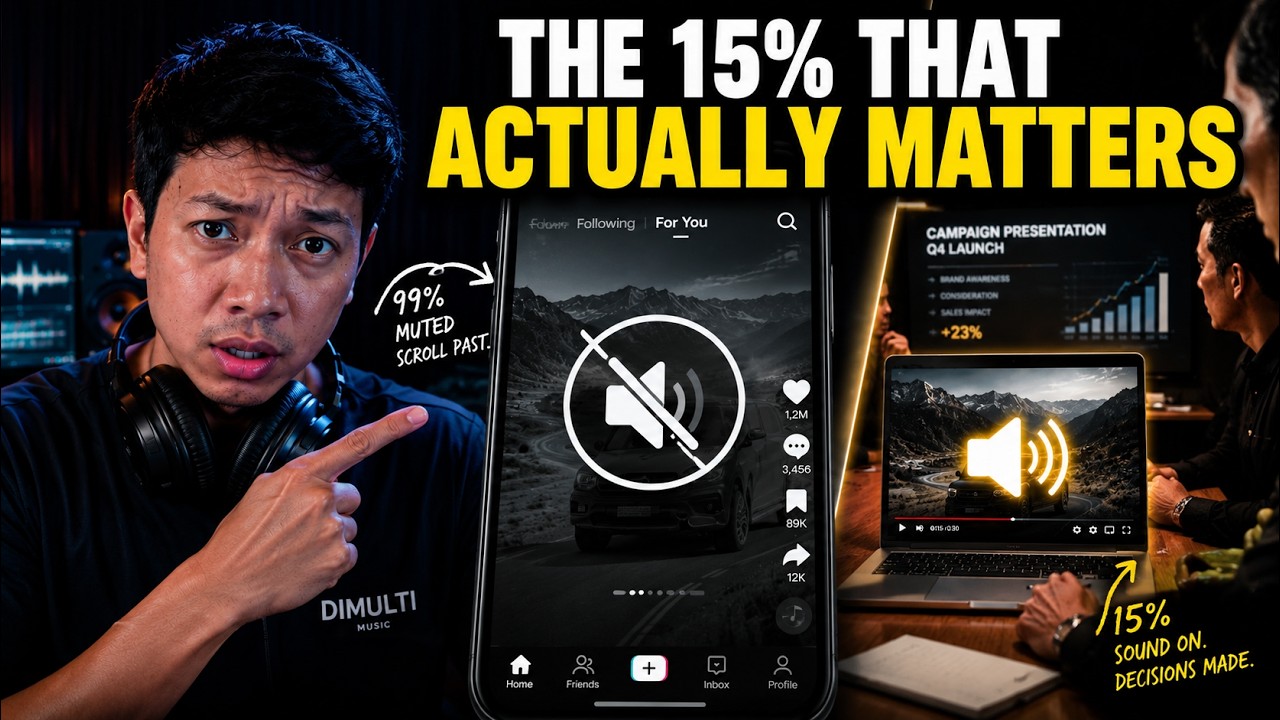
Marketing built your ad for a muted feed. Then a salesperson pulled it up on a laptop, sound on, in front of the one person who actually decides. Nobody planned for that moment, and most brands fail it.
Every AI voice rollout dashboard tracks speed to launch, cost per call, and deflection rate. None of them track what the voice actually sounds like.
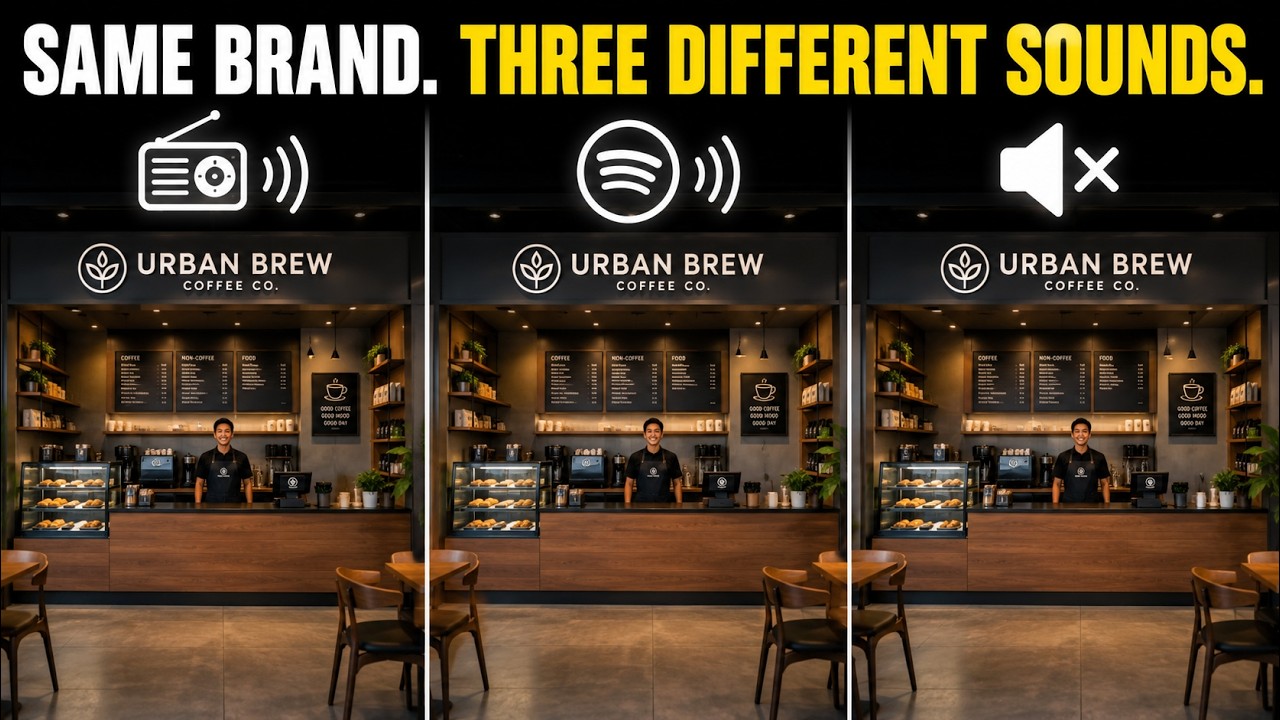
Franchise audits measure logo placement down to the pixel and signage down to the inch. Almost none of them ever press play on anything.
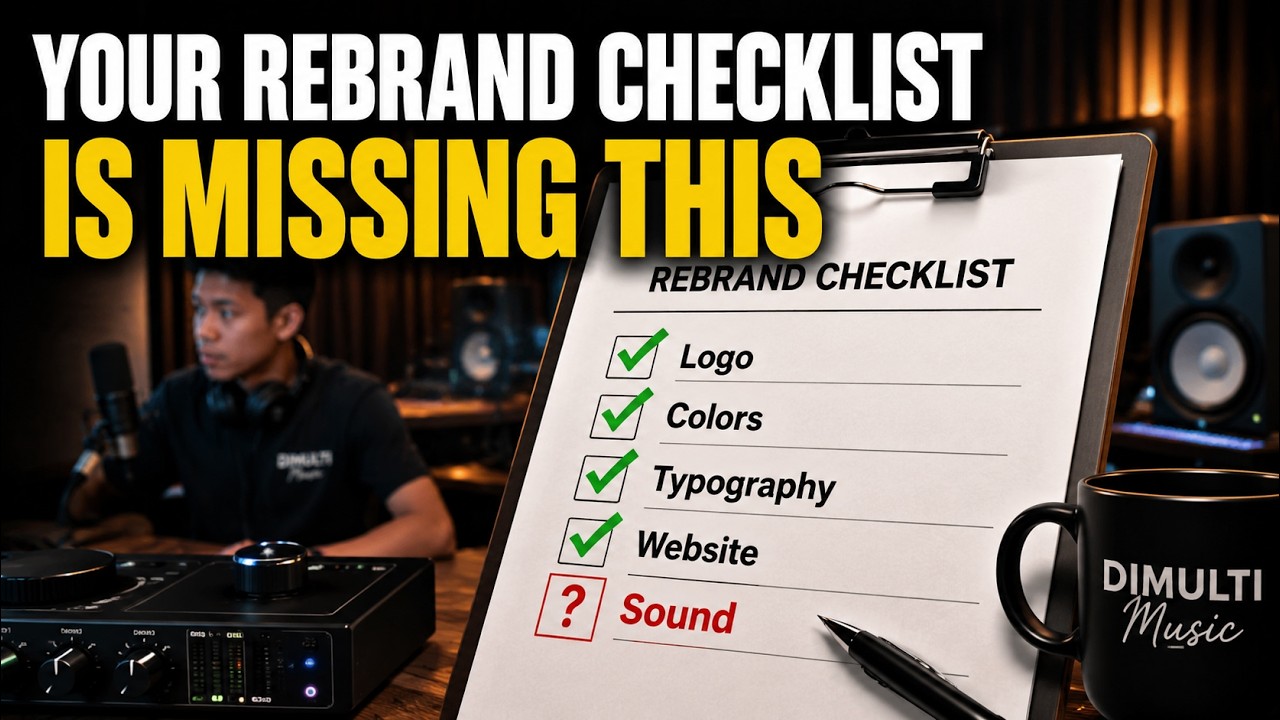
Rebrand decks plan the new logo, the new colors, the new typography. Almost none of them plan what happens to the sound, and that gap gets expensive fast.
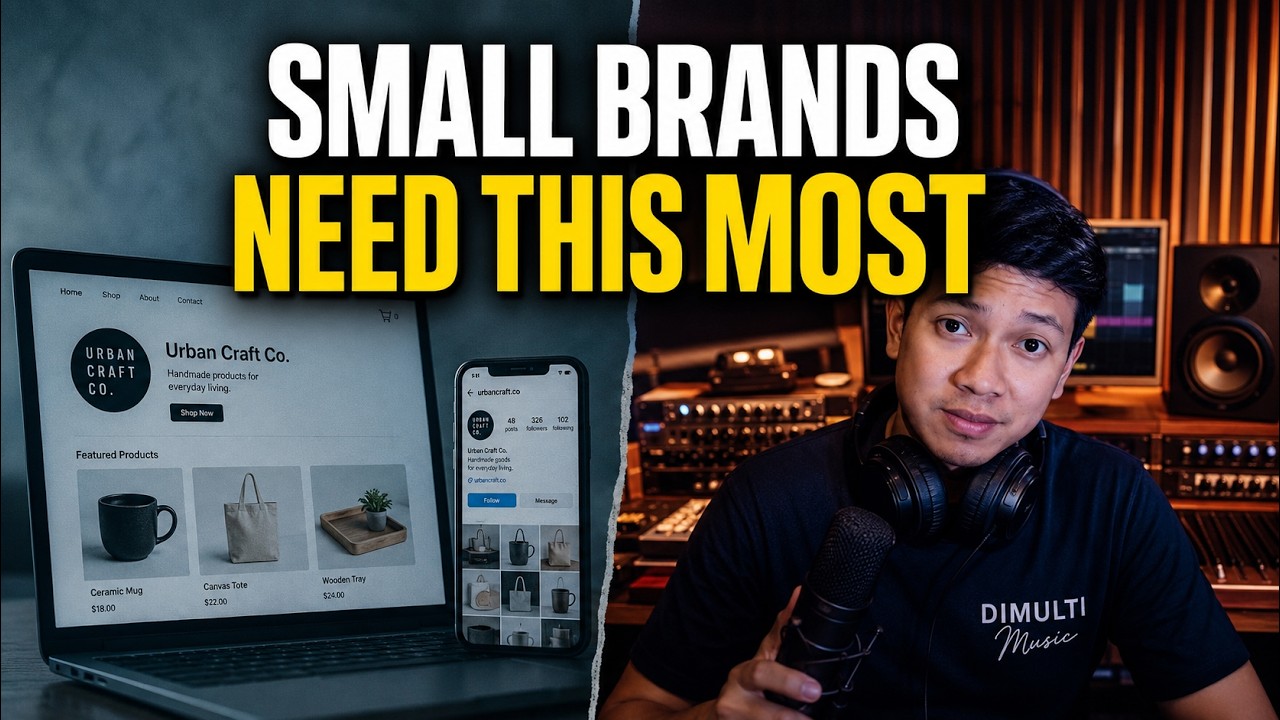
Growing brands treat sonic identity as a luxury for later. The math says the opposite, and every month of waiting makes catching up more expensive.
Your website went through rounds of design review, every color and headline debated. Almost nobody ever asks what it sounds like. Here's why that gap matters.
Your pitch was custom, your proposal was custom, and then the prospect got put on hold. Here is why that thirty seconds might be costing you the deal.