Author: Muhammad Rifqi Rihza Rahman

  • What is Wireless? Learn Its History, Types of Technology, and The Newest Innovations

    What is Wireless? Learn Its History, Types of Technology, and The Newest Innovations

    Without realizing it, we are currently enjoying many benefits of wireless technology. But how much do you know about this technology?

    Since its invention in the 19th century, wireless communication has continued to develop and penetrate various aspects of our lives. This technology also offers benefits in mobility, time efficiency, and global connectivity in everyday life.

    This article will provide information about wireless technology, including its definition, history, benefits, types of technology, and the newest innovations. This way, you can learn more about Radio Frequency (RF) technology.

    What Is Wireless?

    Wireless is a communication technology that enables the transmission of data, voice, or video without the use of physical cables. Instead of wires, this technology utilizes electromagnetic waves such as radio signals, infrared, or even microwaves to transmit information.

    An example is when you access the internet via WiFi at home; you are using a wireless network. This process enables your device to connect to the internet without requiring a cable to the router.

    A Brief History

    Exploring wireless technology also requires an understanding of its origins. This technology began in the 1860s when James Clerk Maxwell predicted and proved the existence of electromagnetic waves. 

    Heinrich Hertz followed suit by experimentally confirming the existence of electromagnetic waves in 1888. This discovery was the first step in the world of wireless communication. By the late 1970s, IBM and HP were testing Wireless LAN (WLAN) technology with data speeds of around 100 Kbps, which did not yet meet the IEEE 802 standard for LAN (1 Mbps). 

    In 1999, the first laptop with WiFi was launched. This marked the beginning of the widespread adoption of this technology in portable devices.  Subsequently, home routers were introduced in the early 2000s. This sparked the popularity of WiFi in homes and public places, allowing many users to connect to the internet wirelessly. 

    By 2014 and beyond, WiFi had become ubiquitous. Almost every location had a hotspot, and many modern devices, such as smartphones, tablets, and gaming consoles, came equipped with WiFi capabilities. Today, wireless technology exists in various forms, such as Bluetooth and 5G, which form the backbone of modern devices.

    How Does it Work?

    This technology works by transmitting data into electromagnetic waves, broadcasting them into the air, and having the receiving device capture the signal by converting it back into data. This process occurs in several stages and involves key elements that work in synergy.

    Here is a detailed explanation of how it works:

    • Modulation process: The transmitter converts digital data into electromagnetic waves.
    • Signal transmission process: The process of electromagnetic waves being emitted through an antenna into the air. 
    • Reception process: The process of the receiving device capturing the emitted electromagnetic signals. 
    • Demodulation process: The process of converting the received electromagnetic wave signals back into digital data. 

    Benefits in Everyday Life

    This technology offers many benefits that make it indispensable in the modern era. Here are some of them:

    • Easy mobility: Enables you to connect to the internet from anywhere. Smart devices can connect without cables. And mobility is increased without being tied down by wires. 
    • Time efficiency: Data transfer, streaming, and communication become faster and easier.
    • Enhanced comfort: Eliminates messy cables, thereby increasing comfort.
    • Global connectivity: With wireless networks the world feels closer because you can connect with anyone around the globe.

    Types of Wireless Technology

    Various types of wireless technology have been applied in various fields of life. Here are some of them:

    1. WiFi

    WiFi (Wireless Fidelity) is one of the most common examples of connectivity technology. Wireless networks allow devices such as laptops, smartphones, and tablets to connect to the internet with a radio signal.

    WiFi is used in homes, offices, and public places, making it the ultimate solution for connectivity needs.

    2. Bluetooth

    Bluetooth is a connectivity technology designed for short-distance connections, usually less than 10 meters. Examples include connecting headphones to a cell phone or a keyboard to a laptop. It is a practical answer to radio signal device communication needs.

    3. RFID and NFC

    This technology is used in various everyday applications. Radio Frequency Identification (RFID) is a connectivity technology that can identify specific targets or objects, as well as read and enter data via radio signals. Wireless networks is often used to track goods.

    Meanwhile, NFC (Near Field Communication) is a technology that enables short-range wireless communication between two devices. RF technology is often used to make digital payments or transfer data between devices at a very close range.

    4. Zigbee and Z-Wave

    Zigbee and Z-Wave are connectivity technologies designed to efficiently connect smart home devices such as smart lights, door locks, and sensors. Zigbee and Z-Wave form a mesh network for communication between devices. 

    The difference between the two is that Zigbee uses open standards and operates at a frequency of 2.4 GHz. Meanwhile, Z-Wave uses closed (proprietary) standards and operates at lower frequencies that vary in each region.

    Latest Innovations in Wireless

    The demand for speed, reliability, and connectivity from wireless technology has led to continuous innovation.  Here are some innovations that demonstrate the development of this technology:

    WiFi 7

    WiFi 7 is a technological advancement that expands the 6GHz frequency range, allowing devices to send and receive data simultaneously across multiple frequency ranges.

    This innovation enables ultra-fast data transmission for home and enterprise networks. It supports use in high-density environments such as offices, airports, and stadiums.

    For those who need real-time applications such as 8K streaming, AR/VR devices, and gaming, WiFi 7 will provide a smoother experience.

    Bluetooth Auracast

    Bluetooth has introduced an innovation called Bluetooth Auracast, which allows one device to broadcast audio to multiple receivers simultaneously.  

    Unlike traditional Bluetooth, which can only be paired with one device at a time, Auracast uses a one-to-many broadcasting architecture. 

    Introduced in Bluetooth 5.3, this audio broadcasting technology will revolutionize how users share sound in public spaces, from museums to airports and fitness centers. You will be able to listen to public announcements or audio from TV screens in public spaces directly on your personal device.

    Ultra-Wideband (UWB)

    Another major leap forward is Ultra-Wideband (UWB) technology, which is a short-range, high-bandwidth connectivity technology. UWB operates with very short radio pulses for fast and highly precise data transmission.

    UWB technology provides centimeter-level accuracy in spatial awareness. Its current applications include smartphones and smart trackers as high-precision location detectors for car keys, asset tracking, and AR navigation.

    IoT Connectivity  

    Internet of Things (IoT) connectivity is the latest innovation in wireless technology. IoT is a system that enables smart physical devices such as sensors, cameras, and household appliances to connect and communicate with each other.

    Devices will automatically send, receive, and exchange data via Zigbee and Z-Wave networks for smart homes. Meanwhile, larger automation projects such as smart city monitoring and large-scale industries are supported by Low-Power Wide-Area Network (LPWAN) networks such as LoRaWAN and Sigfox.

    Wireless charging  

    Wireless charging is the most modern charging technology. Power is transferred using electromagnetic induction to charge devices such as cell phones, earbuds, and electric vehicles. Wireless charging offers convenience and ease, especially in the era of portable devices.

    Challenges in Using Wireless

    Although useful, wireless technology has several challenges:

    • Data security: Wireless signals are vulnerable to hacking if not secured with strong encryption.
    • Signal interference: Electromagnetic waves can be interfered with by other devices or physical obstructions such as thick walls.
    • Distance limitations: Some technologies such as Bluetooth are only effective over short distances.

    However, with continued innovation, many of these challenges already have solutions, such as the use of the WPA3 security protocol for WiFi.

    Wireless Network Implementation

    Examples of wireless network implementations are WiFi, Bluetooth, Tethering, RFID and NFC, Radar, WSN, and IoT. The following is an explanation regarding the implementation of wireless networks in everyday life:

    1. WiFi

    Wireless networks are divided into four types, namely Wireless Personal Area Network (WPAN), Wireless Local Area Network (WLAN), Wireless Metropolitan Area Network (WMAN), and Wireless Wide Area Network (WWAN). 

    Examples of use

    • WPAN: Connecting wireless headphones to a smartphone
    • WLAN: WiFi networks at home and at work
    • WMAN: Internet access throughout the city
    • WWAN: Internet connection on mobile phones and tablets

    2. Bluetooth

    Bluetooth is an example of the application of a Wireless Personal Area Network (WPAN) type of wireless network. It is used to connect short-range wireless devices, usually within a few meters, which are very popular for personal devices.

    Examples of use

    Bluetooth has been implemented in headsets, computer accessories, and IoT devices at home. In addition, this wireless network can transfer files between devices, such as sending photos from a cell phone to a computer.

    3. Tethering

    Tethering is a feature that allows you to share your mobile device’s internet connection with other devices. This is an example of wireless networking between devices. 

    This feature can be used by connecting a device that has an internet connection to another device that needs it.  Connectivity can be via a WiFi hotspot, USB, or Bluetooth. This is a solution when you need an internet connection on another device. 

    Example of use

    Connecting a laptop or computer that does not have an internet connection to a personal smartphone. The internet connection on the smartphone will be shared with the laptop or computer, so that it can connect without the need for another external WiFi.

    4. RFID and NFC  

    An example of NFC usage is when paying for groceries at the cashier by simply placing your smartphone near the EDC (Electronic Data Capture) machine. Meanwhile, an example of RFID is tracking products in a warehouse using RFID tags for more efficient inventory management.

    5. Radar

    The next example of wireless network implementation is radar, or Radio Detection and Ranging. This is a system that uses radio waves to detect, locate, track, and identify objects of various materials at considerable distances.

    Radar communication uses electromagnetic wave radiation that does not require cables. The waves hit a target, allowing the radar to determine the distance, position, and speed of the object. 

    Examples of applications

    Radar is used for navigation, weather forecasting, and military purposes. In addition, this technology is also applied to archaeological, geological, environmental, and agricultural research. 

    6. Wireless Sensor Network (WSN)

    A Wireless Sensor Network (WSN) is an example of a wireless network implementation designed to automatically monitor and collect data from the surrounding environment. This technology consists of a small sensor network comprising many sensor nodes that are connected wirelessly and capable of transmitting data to a control center or server for further analysis.

    This network enables instant condition monitoring. Installation is also easy and can be expanded across various areas. With WSN, you can save energy and use renewable resources. 

    Examples of use

    WSN is used for environmental monitoring, smart agriculture, health, security, industry, and smart cities. Its function is to collect data from the physical environment wirelessly for various purposes such as condition monitoring, tracking, automatic control, and improving operational efficiency. 

    Challenges in Implementing Wireless Networks

    As with many other technologies, there are several challenges in implementing wireless networks so that they can be used in everyday life. The following are challenges that need to be anticipated.

    • Unstable performance: Wireless network speeds and bandwidth are often less stable than wired networks.
    • Interference from other electronic devices: Similar radio frequencies from other devices can interfere with the signal.
    • Slowdowns in crowded areas: Networks can experience congestion in areas with a high density of users, causing speeds to decrease.
    • Regulatory compliance requirements: Before wireless devices can be marketed or used, they must meet RF certification regulatory requirements.

    The last challenge must be addressed by importers and manufacturers. The goal is to ensure that devices used in the market are safe and have the appropriate frequencies. 

    The wireless network implementation has indeed had a major impact on everyday life. By understanding the various types of wireless technologies and the challenges of using them, we can see the significant role played by wireless networks in facilitating activities, improving work efficiency, and opening up opportunities for innovation in various fields.
  • What is Continuous Glucose Monitoring? Learn Its Benefits

    What is Continuous Glucose Monitoring? Learn Its Benefits

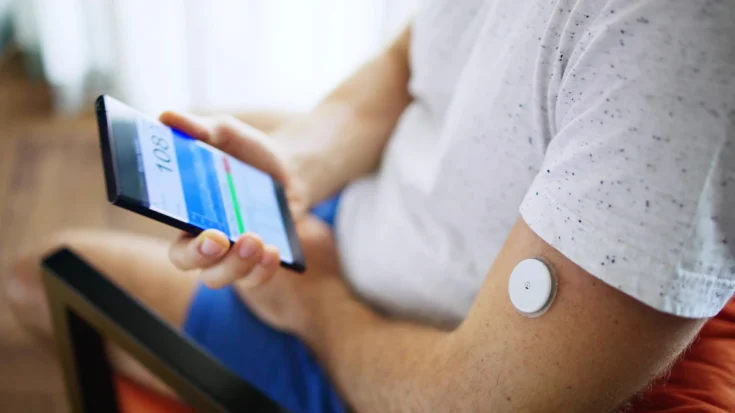
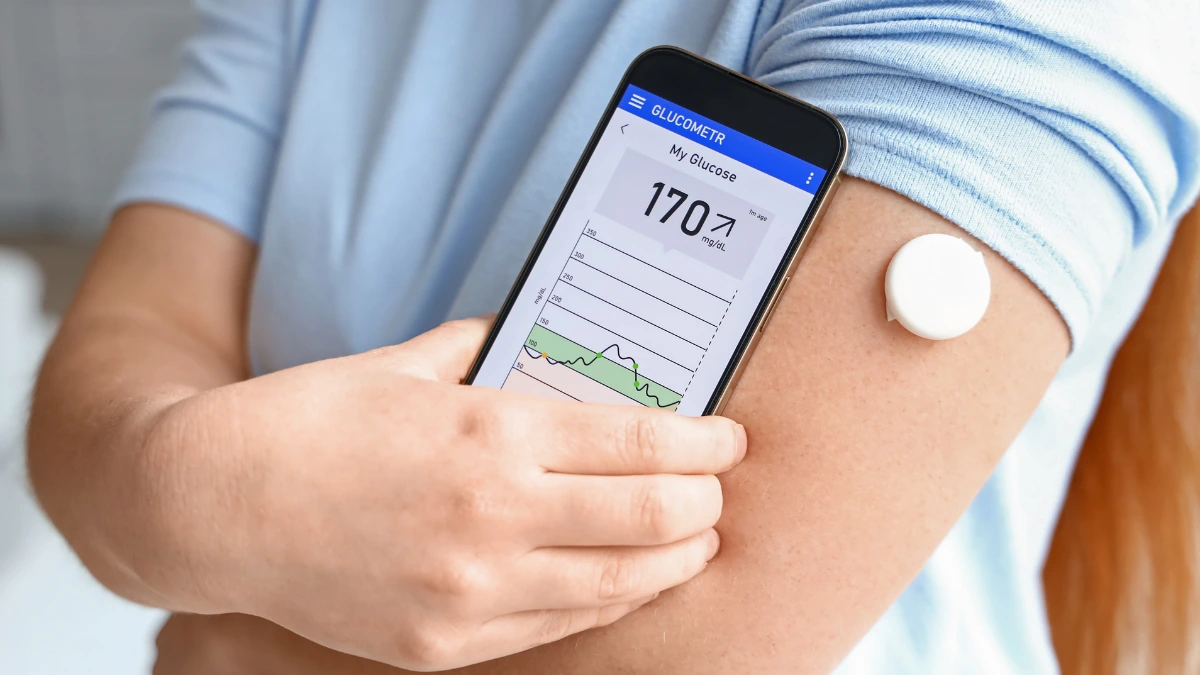
    One of the developments of wireless power transmission (WPT) technology in the health sector is Continuous Glucose Monitoring (CGM).

    Continuous Glucose Monitoring is a technology that changes the way diabetes is managed, by offering real-time glucose monitoring.

    Continuous Glucose Monitoring by utilizing WPT technology makes it possible to continuously monitor glucose levels throughout the day and night, unlike the traditional method that requires a needle prick to measure blood sugar.

    This article will inform you about what Continuous Glucose Monitoring is, how it works, and its advantages and disadvantages.

    What is Continuous Glucose Monitoring?

    Continuous Glucose Monitoring is a medical device that measures glucose under the skin (interstitial sugar) to help patients stabilize their blood sugar levels.

    Most CGMs measure blood sugar levels every few minutes, 24 hours a day. The sensor sends data to a reader, smartphone, or computer that displays blood sugar levels minutes after they are measured.

    CGMs help people with diabetes to stay within a target range of blood sugar levels, which is based on age and underlying medical conditions.

    How it Works?

    Get to Know Continuous Glucose Monitoring 2

    CGM systems usually consist of a small sensor inserted under the skin, often on the abdomen or arm. It measures glucose levels in the interstitial fluid fluid that surrounds cells few minutes. This data is then transmitted to a receiver or smartphone app, where users can view their glucose levels in real-time.

    In addition to providing current glucose readings, CGM systems also display trends and patterns and provide alerts when glucose levels are too high or low. Some more advanced CGM systems can even communicate with insulin pumps, automatically adjusting insulin delivery based on glucose readings.

    Benefits

    Better Glycemic Control: Continuous monitoring allows for more precise insulin dose adjustments, leading to better glycemic control and reduced HbA1c levels over time.

    Early Detection of Hypoglycemia: The CGM framework can alarm clients of approaching hypoglycemia time recent indications show up, hence empowering speedy mediation and anticipating extreme scenes.

    Data-Driven Decision Making: With nitty gritty glucose patterns, clients can make more educated choices almost eating less, working out, and affront administration.

    Reduced Finger Pricks: Whereas a few CGM frameworks may still require intermittent calibration, most essentially decrease the requirement for visit finger pricks.

    The Advantages and Disadvantages

    Get to Know Continuous Glucose Monitoring 3

    The Advantages

    • Shows a more exact picture of glucose levels throughout the day and overnight
    • Shows current glucose level and predicts heading that glucose is heading and rate of alter
    • Allows quiet to evaluate glycemic designs and glycemic inconstancy
    • Can avoid hypoglycemia and hyperglycemia
    • Provides cautions when the glucose level is as well moo or as well tall
    • Shows how the way of life choices and other components influence glucose
    • Ability to share glucose levels with a family part and/or healthcare group
    • Ability to alter affront dosing based on numbers and drift bolts
    • When coordinates with an affront pump, able to stop and/or alter affront conveyance in reaction to changes in glucose levels

    The Disadvantages

    • Cost, particularly if not secured by protections
    • Insurance scope or capabilities for scope may be an issue
    • May require calibration with fingerstick glucose
    • Need to keep in mind to check an intermittently-scanned gadget
    • Can be complicated to learn, up front learning bend
    • Information over-burden
    • Alarm weakness – the condition in which gadget clients are more than once bothered by visits and/or wrong alerts
    • Constant nearness of sensor on/in the body
    • Skin aggravation, unfavorably susceptible responses, and attachment issues

    That’s the information related to Continuous Glucose Monitoring that utilizes WPT. Now you know how it works to the advantages and disadvantages of CGM. Hopefully, this information can be useful for you to find out more about the CGM function. [UN]

  • Wireless Charger for Smartphones Advantages and Disadvantages

    Wireless Charger for Smartphones Advantages and Disadvantages

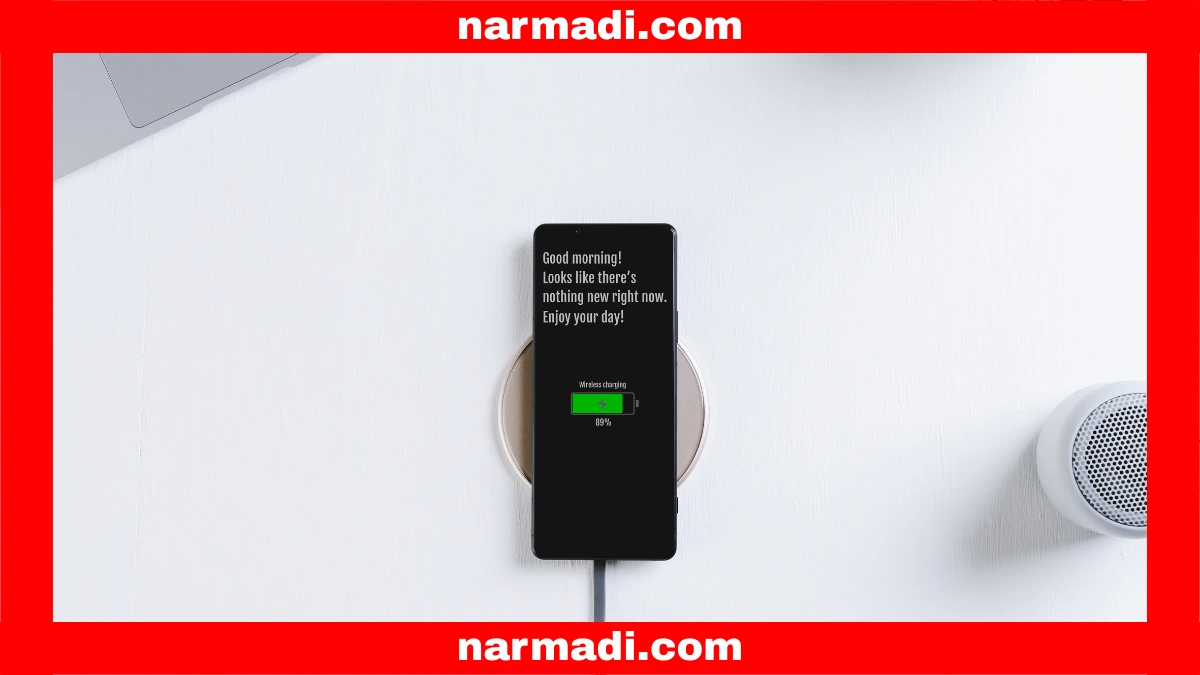
    Wireless charger for smartphones enables efficient charging without the need for cables connected to devices and power outlets. However, their advantages and disadvantages cannot be easily separated, even though their benefits are clear.

    The advantages and disadvantages of wireless charger for smartphones include modern and stylish designs, reduced cable clutter, higher power consumption, and more expensive prices.

    This article provides information about the advantages and disadvantages of wireless charger for smartphones that you should consider.

    The Advantages and Disadvantages of Wireless Charger for Smartphones

    Like other electronic devices, wireless charger for smartphones have several advantages that can be utilized and disadvantages that need to be considered. The advantages include compatibility with many devices, practicality, ease of use, and reduced damage to ports.

    On the other hand, the disadvantages of a wireless charger for smartphones include the need for a separate charging station, higher power consumption, and a higher price. The following are the advantages and disadvantages of smart cycling helmets:

    The Advantages

    Here are the advantages of a wireless charger for smartphones:

    1. Compatibility with many devices

    Wireless Charger for Smartphones The Advantages and Disadvantages - Update 2

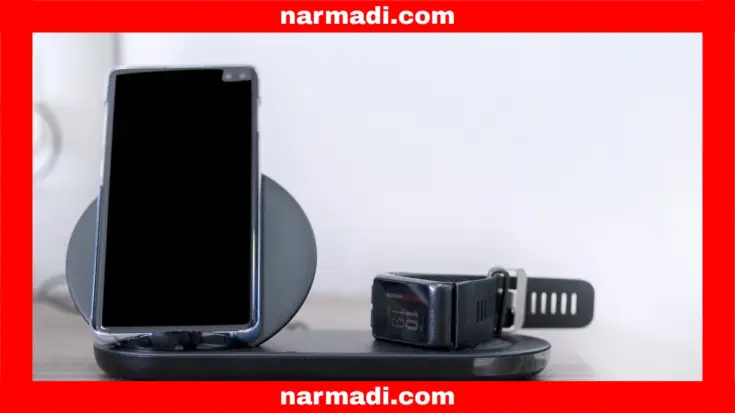
    Although it is called a wireless charger for smartphones, this device also supports charging various other devices. For example, you can also charge earbuds and smartwatches. 

    This means you can use a single charger for multiple gadgets without needing to purchase separate chargers for each one. Some models even support charging multiple devices simultaneously.

    2. Modern and stylish design

    Wireless chargers are designed to look cool and modern. Not only do they make your desk tidier by eliminating messy cables, but they also look like attractive accessories.

    This makes them the perfect addition to your home or office decor. Of course, this is ideal for those who love a futuristic look for their home.

    3. Practical and easy to use

    In today’s digital age, devices that meet the needs for practicality and ease of use are essential. Wireless chargers for smartphones are here to fulfill those needs.

    This charger is convenient because all you need to do to charge your device is place your smartphone on it. The charging process will then begin automatically. You no longer have to bother plugging in cables.

    4. Reduces cable clutter

    This device can be a solution for those who dislike seeing messy cables on their desk. By using a wireless charger, your work desk or nightstand will look neater and more minimalist. 

    The absence of cables also reduces the risk of short circuits or damage caused by cables. This makes it safer to use than wired chargers.

    5. Reduces damage to ports

    Frequently plugging and unplugging cables can quickly damage your device’s charging port. With a wireless charger, you don’t need to use the port as often, so the charging port on your phone lasts longer. This will reduce the cost of servicing the charging port on your phone.

    The Disadvantages

    Here are the disadvantages of a wireless charger for smartphones:

    1. Cannot be used while charging

    Wireless Charger for Smartphones The Advantages and Disadvantages - Update 3

    Wireless charger for smartphones require the device to remain on top of the charger. This means you cannot use them freely as you would with a wired charger. This can be a problem if you often use your device while it is charging.

    2. Must be positioned correctly

    To charge effectively, the device must be positioned correctly on the charger. If it is not positioned correctly, charging may stop. This can be inconvenient, especially if you frequently move your device around.

    3. Higher power consumption

    Wireless chargers typically consume more electricity than wired chargers. Therefore, if you are concerned about energy efficiency, this may be a factor to consider.

    4. Slower charging speed

    One of the main drawbacks of wireless chargers is that they typically charge at a slower rate than wired chargers. Therefore, if you require fast charging, a wireless charger may not be the best option.

    5. Higher price

    Wireless chargers tend to be more expensive than regular wired chargers. Therefore, if you have a limited budget, you should consider this carefully before deciding to purchase one.

    Those are the advantages and disadvantages of wireless charger for smartphones that need to be considered before deciding to use them. Despite their limitations, wireless chargers offer compatibility with many devices, a modern and stylish design, and practical, easy use, reducing cable clutter and damage to ports. [UN]

  • Advantages and Disadvantages of Wireless Charger Car

    Advantages and Disadvantages of Wireless Charger Car

    Wireless car chargers are one of the innovations in wireless smartphone charging that utilize wireless power transfer (WPT) technology.  Although the benefits are clear, the advantages and disadvantages of this device cannot be easily separated. 

    The advantages and disadvantages of wireless charger car include longer-lasting charging ports, more safety, devices that become hotter, and limited device access, which may be factors to consider when deciding whether to use this device.

    This article will tell you about some of the advantages and disadvantages of wireless charger car that you can consider.

    The Advantages and Disadvantages of Wireless Charger Car

    Like other electronic devices, wireless charger cars have several advantages that can be utilized and disadvantages that need to be considered. The advantages include being easy and practical to use, allowing them to be used with multiple devices while maintaining the car’s interior appearance.

    On the other hand, the disadvantages of a wireless charger car include slow charging, limited usage, and vulnerability to obstructions. The following are the advantages and disadvantages of a wireless charger car:

    The Advantages 

    Here are the advantages of the wireless charger car:

    1. Easy and practical

    Advantages and Disadvantages of Wireless Charger Car

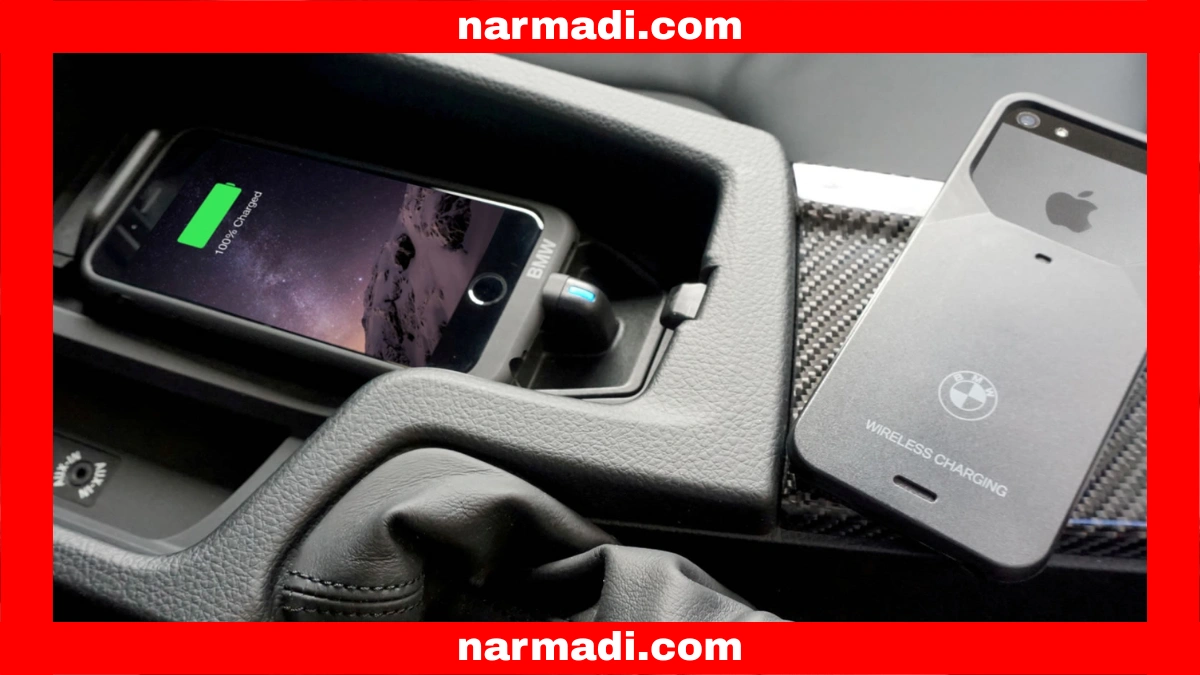
    The main advantage of a wireless car charger is its ease of use. You don’t have to bother connecting a cable to your device every time you want to charge it. Place the device on the charging pad (usually located on the dashboard, center console, or armrest), and charging will start automatically.

    2. Longer-lasting charging ports

    By using a wireless charger, you can extend the life of your device’s charging ports. This is because the charging process does not require cables that need to be plugged in and unplugged repeatedly.

    This way, your device can remain in optimal condition in the long term while reducing port damage due to excessive use.

    3. Can be used on multiple devices  

    One of the advantages of wireless chargers is their ability to charge multiple devices at once, especially if you use a model with a wide base.

    With this feature, you can charge your smartphone, smartwatch, or other devices simultaneously without the need for additional cables.

    4. More safety

    Wireless car chargers also offer good safety during the charging process. By eliminating the need to connect cables directly, you can reduce the risk of short circuits or damage to the charging port. 

    5. Maintains the appearance of the car interior

    Wireless car chargers reduce the clutter of cables hanging in the car. The absence of wires makes the car interior look neater.

    You and your passengers will also be separated from being bothered by cables that can interfere with movement. This allows for more freedom of movement inside the car. 

    The Disadvantages

    Here are the disadvantages of the wireless charger car:

    1. Slow charging

    Wireless Charger Car The Advantages and Disadvantages - Update 3

    The disadvantage of wireless chargers is that charging takes longer than with fast chargers that use cables. Because charging is done through electromagnetic induction, power does not flow directly to the device. 

    This means that charging takes longer, which can be a problem if you need to charge your device quickly.

    2. Devices become hotter

    One disadvantage of wireless chargers is that devices become hotter during charging. This occurs because wireless charging systems use electromagnetic induction, which can cause the device’s temperature to rise.

    In some devices, this overheating can have a long-term impact on battery health, potentially reducing battery life.

    3. Limited use

    Another disadvantage of wireless chargers is that their use is limited to certain devices. Not all devices support wireless charging, so ensure your device is compatible with this type of charger before purchasing.

    If your device does not support wireless charging, you will not be able to use this feature and must use a wired charger instead.

    4. Limited device access

    Another disadvantage of wireless chargers is limited access to the device while it is charging. This is because the device must be placed on the charging pad for the charging process to take place. Charging will stop if the device is lifted from the pad, making it less flexible for activities.

    5. Vulnerable to obstructions

    Wireless charging is vulnerable to obstructions. You cannot use a phone case that is too thick or have other objects between the phone and the charger. This can interfere with or slow down the charging process.

    Those are the advantages and disadvantages of wireless charger cars that need to be considered before deciding to use them. Despite their limitations, wireless charger cars offer easy and practical use, allowing them to be used with multiple devices while maintaining the car’s interior appearance. [UN]

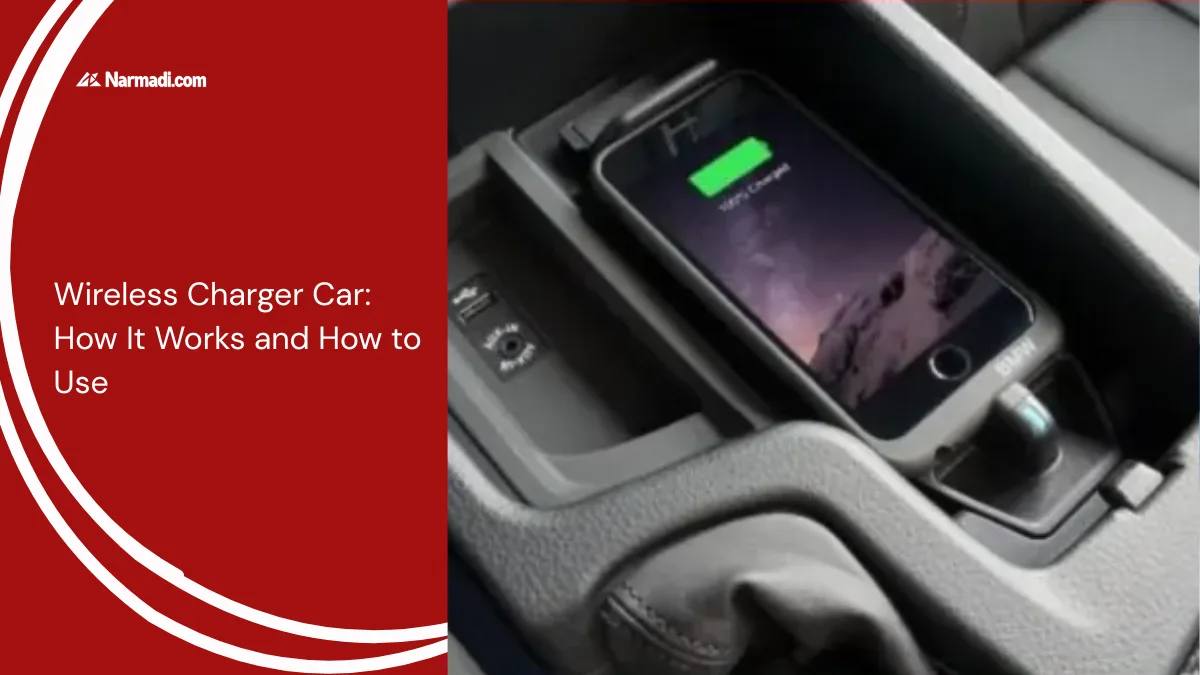
  • Wireless Charger Car: How It Works and How to Use

    Wireless Charger Car: How It Works and How to Use

    With the advancement of digital technology, wireless power transmission (WPT) is increasingly utilized for various applications. One of them is the wireless charger car.

    Having a long-lasting and durable battery is a challenge for smartphone users. Wireless charger car technology is a feature in vehicles that enables easy charging of smartphones without the need for cables.

    For those of you who are busy every day, a wireless charger car will certainly make your life easier. This device will keep you connected to your smartphone without worrying about running out of battery while driving.

    The Features of Wireless Charger Cars

    The feature of wireless charger cars allows you to charge your smartphone wirelessly inside the car. This feature uses wireless charging technology that works based on the principle of electromagnetic induction.

    The principle of induction is to transmit power from the transmitter to the receiver in the smartphone. This smart feature can be found in some of the latest smartphones and cars.

    This feature is considered safer because it eliminates the potential for cables to interfere with concentration while driving. Using wireless charging in a car is very convenient; you only need to place your phone in the designated area to start charging.

    Some car models also come with additional features such as automatic clips to hold the phone in place. Others can connect to the head unit so that notifications appear on the screen when the battery is charging.

    How Does It Work?

    In-car wireless chargers work by utilizing the principle of electromagnetic induction. An electric current is generated in response to a changing magnetic field. 

    To connect to the vehicle’s electrical system, the in-car wireless charging pad is equipped with a coil. When the pad is activated, a magnetic field is generated around the coil. 

    Next, the receiving coil inside the smartphone will detect that magnetic field. This induction generates a current, allowing the smartphone’s battery to charge wirelessly.

    Not all electronic devices can use a car’s wireless charging feature. Only electronic devices capable of receiving electrical energy through a magnetic field can take advantage of this feature.

    How to Use

    Using the wireless charging feature in your car is actually as simple as placing your phone on the designated charging pad. However, we’ll explain the steps in more detail.

    First, make sure you have a smartphone that supports wireless charging. If your device isn’t compatible, the power won’t connect to it.

    Second, you need to start the car to activate this feature. When the car is turned off, this feature is automatically deactivated.

    Third, place your smartphone on the charging pad. The charging pad is usually located on the dashboard, center console, or armrest. Position it parallel to the charging pad so that the charging receiver aligns with the transmitter coil.

    Fourth, check for an indicator light on the pad or a charging symbol on your smartphone’s screen. If the indicator light or charging symbol appears, it means the charging process has begun.

    Fifth, remove your smartphone from the charging dock once the battery is fully charged.

    What to Look for When Buying a Car with Wireless Charging

    Most modern cars now come fitted with wireless charging. If you’re considering buying a vehicle with this feature, there are a few things you need to check.

    • Qi compatibility: Ensure that the car’s charging pad supports the Qi standard and check that your mobile phone supports it too.
    • Size and position of the charging pad: Choose a pad that fits the size of your mobile phone and ensure that it is within easy reach while driving.
    • Cooling features: Choose a car unit equipped with an active cooling fan to reduce heat generated by wireless charging.
    • Phone holder or clip mechanism: Make sure the phone holder is sturdy or has a clip mechanism to keep the charging connection from being interrupted when driving over bumpy roads or through curves.
    • Integration with the main unit: Some systems display charging status or notifications on the car’s infotainment screen, so you don’t have to check your phone to see them.

    In addition to the considerations mentioned above, as a type approval certification service provider, we recommend that you ensure your vehicle’s wireless charging device is certified. Although it is part of the vehicle, the wireless charging device requires its own specific certification.

    You can inquire about this when making your purchase. Well-known car brands should already have this in place, as is the case with several of the car brands we work with. 

    Ensuring that a car’s wireless charger is certified will ensure that users are safe and that it does not interfere with other devices. 

    At the end of the day, technological progress is inevitable. This is certainly true of WPT technology, which is now a standard feature in vehicles. Wireless car chargers give the car a modern look, make it easier to charge your smartphone while driving, and improve driving safety by eliminating tangled cables.

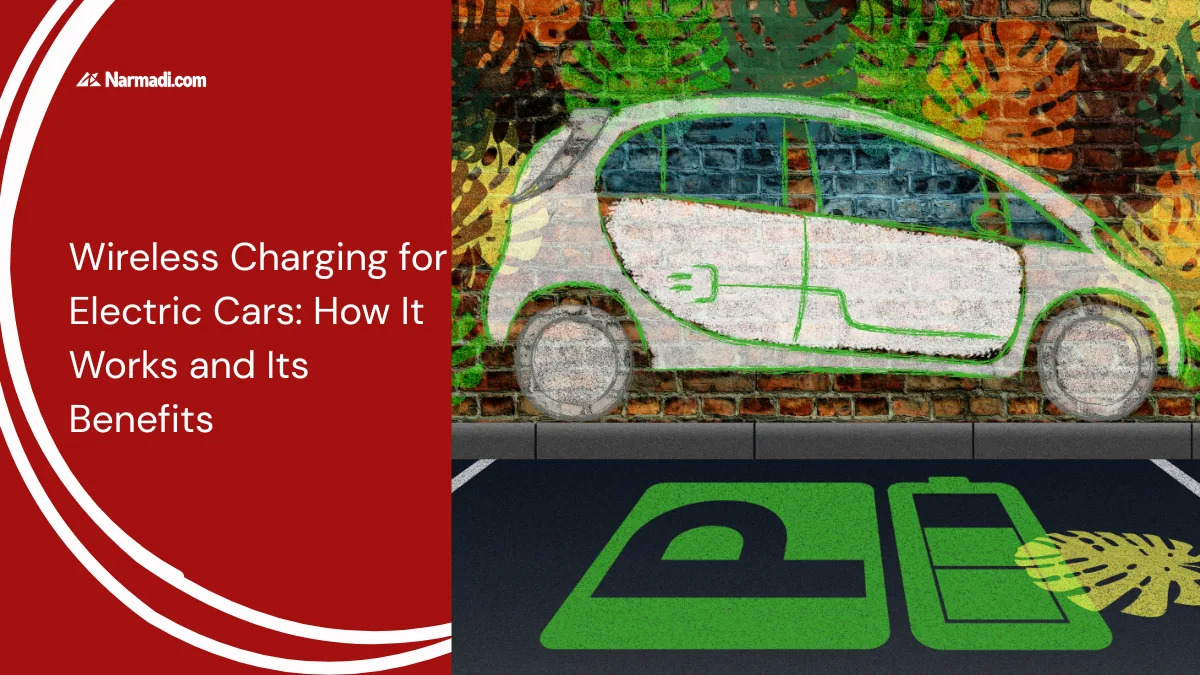
  • Wireless Charging for Electric Cars: How It Works and Its Benefits

    Wireless Charging for Electric Cars: How It Works and Its Benefits

    Wireless charging for electric cars is one of the most promising applications of wireless power transmission (WPT) in the automotive industry. 

    This technology provides a highly practical solution for electric vehicles, positioning them as a key driver of future transportation. 

    By allowing drivers to charge simply by parking over a dedicated station, it makes power transfer effortless and increasingly desirable.

    This article will introduce the use of wireless power transmission in wireless charging for electric cars, from how it works to its benefits.

    How Wireless Charging Works for Electric Cars

    Wireless power transmission in EV charging allows energy to be transferred from the charger to the vehicle battery without using cables. This technology works based on the principle of electromagnetic induction, where electrical energy is converted into an electromagnetic field.

    This field then generates an electric current in the coil or receiver on the vehicle. In this way, electric cars can be charged simply by being on or near a charging pad, without the need for a physical cable connection.

    Most modern EV wireless charging systems follow the SAE J2954 standard, the leading industry specification for this technology. Under this standard, charging typically takes place across an air gap of around 10 to 25 cm between the charging pad and the vehicle’s receiver coil, at an operating frequency in the 79-90 kHz range, with real-world efficiency of around 85%.

    Development of WPT Technology for Wireless Charging

    Over time, wireless power transmission (WPT) for EV charging has grown and now offers a more efficient, faster, and safer solution. One of the important advances in wireless charging technology is the increase in power capacity and charging speed.

    Wireless charging technology in electric cars can now charge faster than just a few years ago. Current systems can transfer anywhere from 3.3 kW up to 11 kW, which is enough to fully charge many EVs overnight and is comparable to a typical Level 2 wired home charger, even though it still generally trails the fastest wired DC fast-charging systems available today.

    Wireless charging is also increasingly adaptable to the needs of electric car drivers. Beyond static charging pads, researchers are also exploring dynamic wireless charging, where vehicles could charge while driving over specially equipped roads. While this is still mostly in the research and pilot phase, it points to where the technology may be headed, opening up possibilities for charging in public parking areas, private garages, and eventually along certain roadways.

    Wireless vs Wired EV Charging: Which is Better?

    Here’s a quick comparison to help you understand how the two options stack up:

    AspectWireless ChargingWired Charging
    ConvenienceNo cables to plug in; charges automatically once parkedRequires manually plugging in each time
    Charging Speed3.3–11 kW, comparable to Level 2 wired chargingFaster overall, especially with DC fast charging
    EfficiencyAround 85%, due to energy loss across the air gapGenerally higher, with minimal energy loss
    CostHigher upfront cost for pad and receiver hardwareCheaper and more widely available
    AvailabilityStill limited to specific vehicle models and locationsMature and widely available today

    In short, wired charging remains the more practical choice for most drivers today, especially where speed or cost matters most. Wireless charging is worth considering for its convenience, particularly as the technology matures and becomes more widely available.

    Benefits of Wireless Charging

    Wireless charging is a wireless charging technology that utilizes wireless power transmission to provide several benefits for electric cars. Some of the key benefits of using this technology include:

    1. Improved mileage

    Wireless charging also helps to overcome the constraints related to electric car mileage. With more charging points available, drivers can plan long trips without worrying about finding a charging station, providing more safety and flexibility while driving.

    2. User convenience

    With wireless charging, electric car drivers no longer need to connect cables every time they want to charge. Simply park above the charging area, and the charging process can be done automatically without the need for manual intervention, providing more convenience for drivers.

    3. Reduction of physical infrastructure

    One of the advantages of wireless charging is its ability to reduce reliance on cables and physical connectors. This has the potential to expand the network of charging locations, facilitate access for electric car users in various places, and accelerate the spread of electric cars more evenly.

    With all the conveniences and benefits offered, utilizing wireless power transmission in wireless charging for electric cars is a promising solution for the future.

    Wireless charging for electric vehicles marks a major shift towards hassle-free, autonomous mobility. At present, wired systems do indeed still have the edge in terms of speed and cost. 

    With increased power capacity and dynamic charging, wireless technology shows great promise. It is likely to become an important part of the future electric vehicle ecosystem.