Author: Muhammad Rifqi Rihza Rahman

  • Advantages of DECT Technology in Cordless Telephones

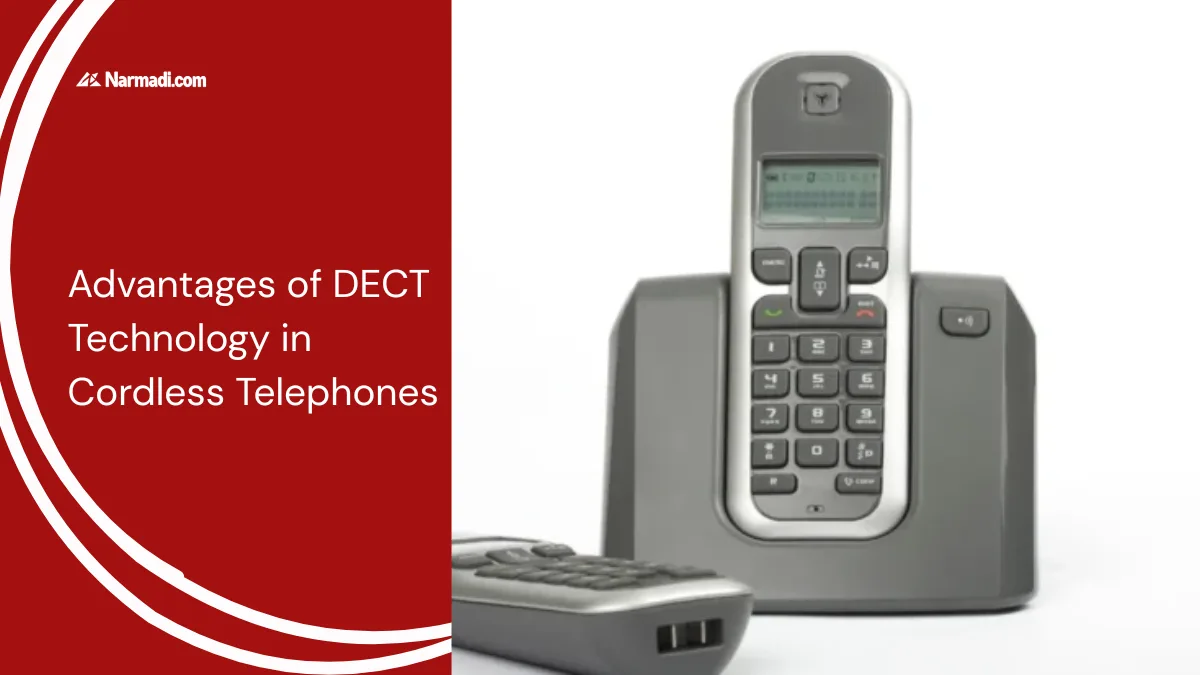
    Advantages of DECT Technology in Cordless Telephones

    Advantages of DECT Technology in Cordless Telephones

    If you’ve ever wondered why DECT technology remains so popular across modern offices and homes, the answer comes down to its unmatched reliability. This is why these devices are commonly found in homes, commercial offices, industrial warehouses, and healthcare settings. 

    Based on the certifications we handle, most companies’ interest in using DECT devices stems from their exceptional range and multi-handset capabilities. 

    To learn more about the basics of DECT, you can read our other article titled “Understanding DECT Technology.” In this article, we’ll focus on the advantages and practical tips for choosing devices that meet your needs.

    Advantages of DECT Technology in Cordless Telephones

    DECT isn’t just another wireless standard. It delivers distinct operational advantages that keep it ahead of alternative phone systems:

    1. Wide Range

    DECT technology provides a much wider operational range. Phones equipped with this technology can have a signal range of up to 50 meters indoors. Under optimal conditions outdoors, they can also reach up to 300 meters.

    This advantage makes DECT the ideal solution for those who need flexible mobile communication without physical cables. It is ideal for large homes, multi-story offices, or spacious manufacturing warehouses.

    2. Enhanced Signal Security

    The biggest weakness of conventional phones is the lack of security guarantees. DECT is equipped with digital encryption standards. As a result, voice communications are kept safe from unwanted listeners

    This makes it ideal for private conversations that require a high level of confidentiality. This is particularly important for corporate entities, financial institutions, and medical facilities.

    3. Low Power Consumption

    DECT devices (both handsets and base units) are more energy-efficient compared to alternative wireless communication protocols. Using these devices allows for longer talk time and reduces the need to recharge the handset.

    This will certainly have an impact on your operations. In terms of communication, calls can last longer without being interrupted. In terms of administration, operating costs are reduced because charging is less frequent.

    4. Clear and Stable Call Quality

    In addition to its extensive network coverage, clear and stable call quality is DECT’s most notable advantage. The quality is far superior to that of traditional analog phones or consumer wireless systems

    This is because DECT operates on radio frequencies between 1.8 GHz and 1.9 GHz, making it immune to interference from household appliances. As a result, users can enjoy stable call quality without noise or dropped calls.

    5. Multi-Handset Capability

    This is what makes DECT popular for use in offices or homes with multiple rooms. This phone system supports multiple handsets connected to a single base station. 

    This system can connect multiple extensions without the need to install additional phone cables or wall jacks. As a result, there are no additional costs involved.

    6. Seamless Integration with VoIP Systems

    DECT devices are designed to support the ongoing shift toward digitalization. Modern devices are equipped with Voice over IP (VoIP) network integration. 

    This allows them to route calls over high-speed internet connections. This advantage enables companies to reduce long-distance communication costs without having to eliminate traditional cordless phones.

    Why Choose DECT Over Wi-Fi Phones?

    When it comes to device usage, it all comes down to your needs. However, in this case, DECT cordless phones have the edge due to their superior dedicated voice channels. DECT technology no longer requires a Wi-Fi network, unlike Wi-Fi-based VoIP phones, which are becoming increasingly common in modern digital workplaces. 

    DECT’s dedicated frequency band ensures uninterrupted, prioritized voice channels. This eliminates bandwidth congestion caused by data-intensive office applications, latency, or dropped calls. 

    Additionally, DECT offers lower battery consumption and seamless signal roaming between base stations across large facilities.

    DECT technology is the obvious choice as the ideal wireless communication solution for modern domestic and commercial environments. This is due to its advantages in delivering crystal-clear voice quality, a wide range and low power consumption.
  • What is DECT Technology? How It Works and Its Application

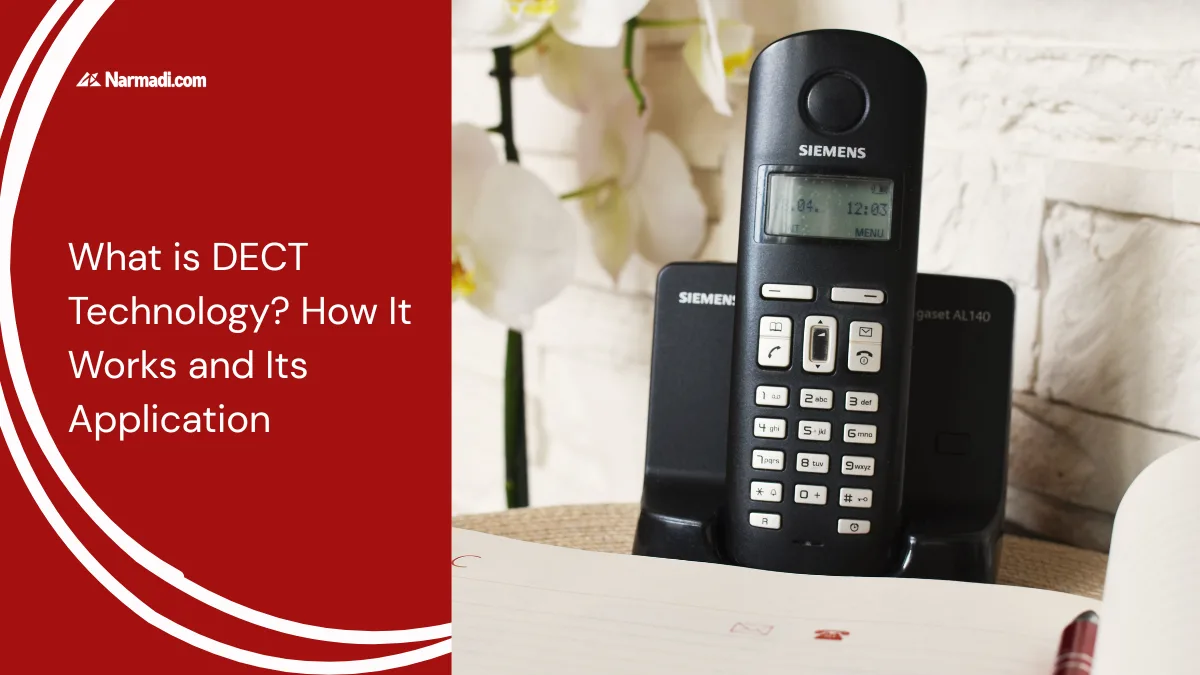
    What is DECT Technology? How It Works and Its Application

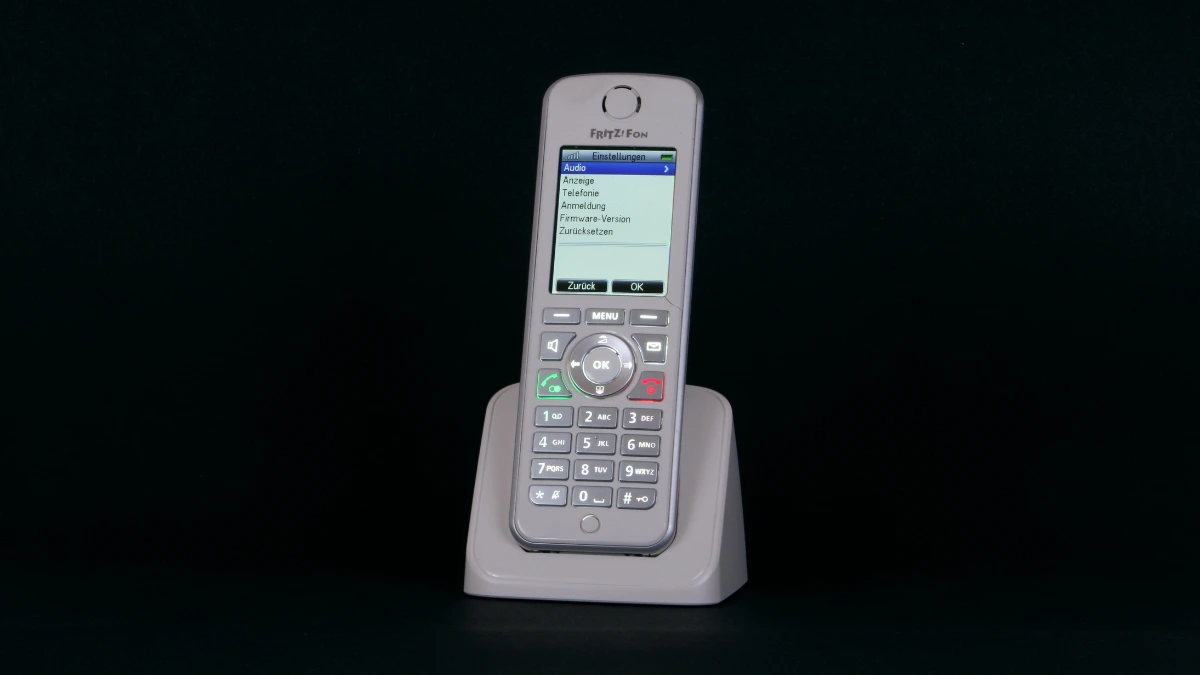
    Since its introduction, Digital Enhanced Cordless Telecommunications (DECT) has become an integral part of modern, everyday wireless telephone communication. This technology is widely sought after because it offers clear voice quality, security through digital encryption, energy efficiency, and a wider range.

    Today, DECT remains the go-to wireless phone technology in many countries, including Indonesia. In fact, it has become the top choice for wireless communication at home and in the office.

    In this article, we’ll discuss DECT technology as it applies to cordless phones—from the basics and how it works to its applications in everyday life.

    Understanding DECT Technology

    Digital Enhanced Cordless Telecommunications (DECT) represents an advancement in wireless communication technology. This technology uses radio frequencies in the 1.8 GHz to 1.9 GHz range, enabling clear voice communication free from interference from other devices such as Wi-Fi or Bluetooth.

    The result is improved call quality and range compared to conventional telephone systems. DECT offers better connection stability, wider coverage, and higher communication security.

    This is why this modern telephone technology is in high demand. Its use is widespread in communication systems in homes, offices, and industrial settings.

    How it Works?

    A DECT system consists of (at least) two parts: the base station and the mobile phone. These two parts are in constant communication with each other.

    The base station receives data (such as incoming calls) and sends it to the handheld. When you speak into the mobile phone, this data is transferred back to the base station and so on from there.

    Several base stations can be linked together in a network to cover a larger area, for example, in large buildings.

    When information is transmitted from the mobile phone to the base station, there may be an average delay of 10 ms, which in practice is much better than transmission via Wi-Fi or Bluetooth.

    Today, DECT devices must be Generic Access Profile (GAP) ready. This is a standard that allows DECT devices from different manufacturers to communicate and work together. 

    However, the GAP standard only covers basic phone functions. Therefore, mobile phones from other manufacturers may not be able to perform all the functions described when used together with other manufacturers’ mobile phones.

    DECT Applications in Daily Life

    The modernization and advantages offered by DECT technology have led to its widespread use for both personal and business purposes. Some common applications of DECT phones include:

    • Households: Used for communication at home to help reach areas with poor cellular signal.
    • Offices and small businesses: Used for communication among staff, eliminating the need to rely on mobile devices.
    • Industrial or warehouse environments: These settings are ideal because they require long-distance communication without the hindrance of cables.
    • Medical settings: Similar to offices and small businesses, hospitals and clinics use DECT phones for communication among medical teams.

    What to Look for When Buying a DECT Cordless Phone

    Now that you know how DECT phones are used in everyday life, you might be interested in using one. However, before you decide to buy one, there are a few things you should keep in mind. 

    • GAP compatibility: To access certain features, make sure that both the handset and the base station from different brands are GAP-certified.
    • Range and Coverage: Look for models that support multi-base station networks to maintain stable range and coverage in large offices or multi-story buildings.
    • Battery Life: Compare the talk time and standby time specified by the manufacturer with your actual daily usage.
    • Number of supported handsets: Determine whether you’ll need additional units.
    • Regulatory compliance: Ensure the device has passed type approval in the country where you’ll be using it to guarantee safety and prevent interference with other devices during use.

    From this, we learn how DECT technology works and how it is applied in cordless phones. We also learn how it is used in everyday life.

    Using technology that is constantly being updated is one way we can keep up with the times. However, don’t forget to use devices that are legal and meet a country’s certification standards.

  • What is Cordless Telephone? Learn Its History and Features

    What is Cordless Telephone? Learn Its History and Features

    Since wireless technology penetrated the telecommunications industry, one of the things that has changed is the telephone. Cordless telephone is an innovation that has been experienced by telephones with wireless technology.

    This device allows users to move within a certain distance without being connected to a cable. Since the 1980s, cordless telephone has become popular among telephone users.

    With its cordless form making mobility when used more freely, making cordless telephone a practical choice for many users, both at home and at work.

    This article will tell you everything you need to know about cordless telephone, from their history, and features, to their regulation in Indonesia.

    What is Cordless Telephone?

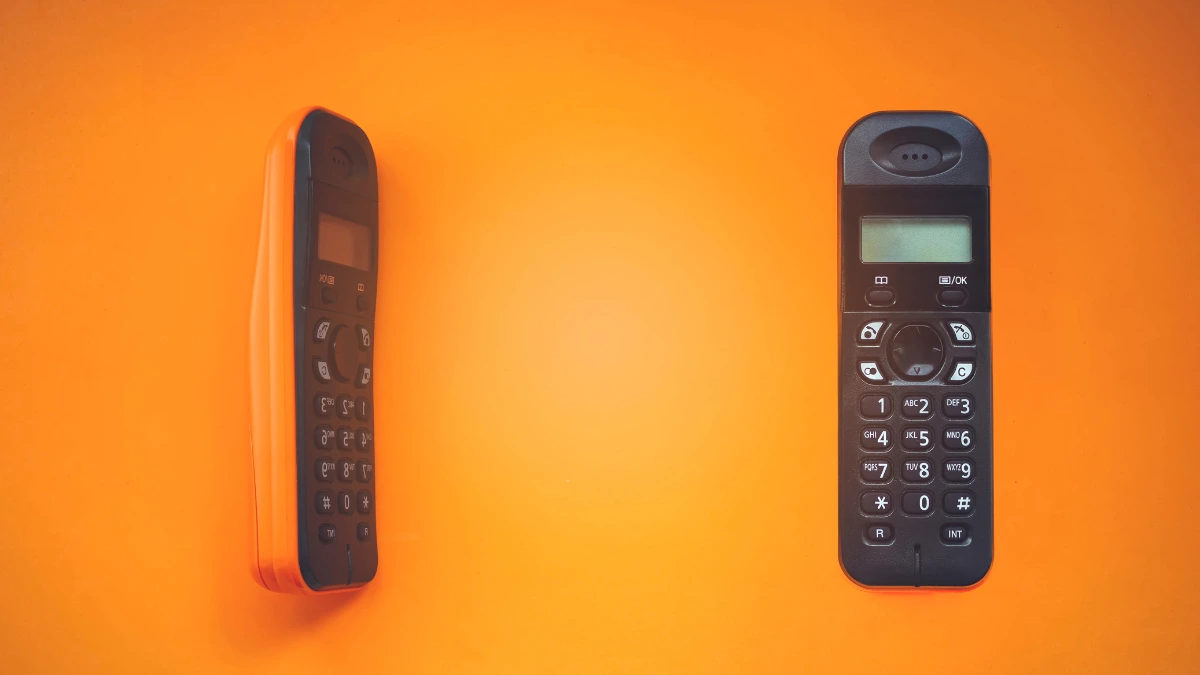
    A cordless telephone is a telephone device that allows users to make calls without the use of wires, thus providing freedom of movement as long as it is within the range of a base station.

    Unlike conventional corded phones, this telephone device use radio frequencies to transmit signals between the handset and the base station that is directly connected to the landline network.

    History

    Cordless Telephone History, Feature, and Regulations in Indonesia 2

    The history of cordless telephone began in the late 1970s with simple analog technology operating at low frequencies of around 27 to 49 MHz.

    In the 1980s and 1990s, the technology began to improve with the use of higher frequencies, such as 900 MHz, which offered greater coverage and better voice quality.

    In the late 1990s and early 2000s, cordless telephone began to switch to 2.4 GHz and 5.8 GHz frequencies, bringing improvements in voice quality and reduced interference.

    A major development came with the introduction of DECT (Digital Enhanced Cordless Telecommunications) as the modern cordless telephone standard.

    DECT technology, which uses the 1.9 GHz frequency, delivers crystal clear voice quality, and security through digital encryption, power efficiency, and greater coverage, making it the top choice for cordless communication in homes and offices.

    Until now, DECT has been the mainstay of cordless telephone technology in many countries, including Indonesia, where its use is regulated so as not to interfere with other frequencies.

    The Main Feature

    Cordless Telephone History, Feature, and Regulations in Indonesia 3

    Cordless telephone have many features that you can customize to suit your needs. Here are the main features of cordless telephone:

    1. Signal range

    This telephone device coverage may vary. Make sure to choose a product with a signal range that is suitable for the area of use, especially if it will be used in a large room or environment.

    2. Security and encryption

    On digital and DECT models, the signal encryption feature can maintain the privacy of your conversations, providing additional security in communication.

    3. Battery life

    Choose a cordless telephone with a long-lasting battery, especially if you often make long calls. A long-lasting battery will ensure that the phone is ready to use at any time.

    4. Answering machine and caller ID

    The answering machine and caller ID features are very useful for users who need message management and caller identification, helping you stay organized and not miss important calls.

    5. Sound quality and noise reduction

    Noise and interference reduction features are essential, especially on analog models, to ensure clear sound quality.

    Cordless Telephone Compliance and Regulations in Indonesia

    Cordless Telephone History, Feature, and Regulations in Indonesia 4

    Every cordless telephone circulated or sold in Indonesia must be certified by the Directorate General of Digital Infrastructure (DJID).

    This certification aims to ensure that the device meets the safety and quality standards set by the government and does not interfere with other communication devices in the vicinity.

    The certification process is overseen by the relevant authorities and includes technical testing, such as frequency adjustment, safety of use, as well as device compatibility in the surrounding environment.

    After all tests are completed, devices that pass will be recorded in a Test Result Report (LHU) as the basis for eligibility to obtain a distribution license in Indonesia.

    This LHU guarantees that the device meets technical specifications and is safe for use by consumers while increasing confidence in the product in the market.

    For companies wishing to market cordless telephone in Indonesia, our Type Approval Service are available to assist with this process.

    This service covers the preparation of technical and administrative documents, testing of cordless telephone according to applicable standards, and administrative completion to ensure the device is ready for market.

    By using this service, companies can ensure that the entire process is more efficient, while certified products provide a sense of security and convenience for consumers. [UN]

  • Comparison between UWB and Bluetooth Low Energy

    Comparison between UWB and Bluetooth Low Energy

    Wireless technologies often share similar characteristics. This is also true of Ultra-wideband (UWB) and Bluetooth Low Energy (BLE), from their operating principles to their applications.

    This does not mean that the two are the same. UWB and Bluetooth Low Energy differ in several key aspects. This article will provide you with the information you need regarding a comparison between UWB and Bluetooth Low Energy.

    Comparison between UWB and Bluetooth Low Energy

    Ultra-wideband (UWB) and Bluetooth Low Energy (BLE) are both forms of wireless communication technology. Although they may appear similar at first glance and many people are unaware of the differences between them, they have distinct characteristics, uses and technical specifications.

    The following table summarizes the comparison between UWB and Bluetooth Low Energy:

    FeatureUWBBLE
    Operating Frequency3.1–10.6 GHz2.4 GHz ISM band
    AccuracyCentimeter-level (10–30 cm)Meter-level (1–5 meters)
    RangeShort to medium (up to 100 m)Medium to long (up to 100 m+)
    Data RateHighLower
    Power ConsumptionHigherLower
    Interference ResistanceLow interferenceHigher susceptibility to interference
    ApplicationHigh-precision trackingGeneral asset tracking, beacons

    Here is a more detailed comparison between UWB and Bluetooth Low Energy:

    How They Work

    UWB: Uses a wide frequency range (between 3.1 and 10.6 GHz) to transmit data. This technology sends data briefly and precisely over a wide bandwidth. As a result, high-precision location tracking is possible.

    BLE: Uses narrowband radio frequencies in the 2.4 GHz ISM band. This technology is designed for low power consumption. This makes it well-suited for battery-powered devices.

    Accuracy

    UWB: Offers high accuracy, reaching 10–30 cm. This makes it ideal for applications requiring precise location tracking.

    BLE: Offers moderate accuracy within a range of 1–5 meters. This makes it sufficient for many consumer applications.

    Range

    UWB: Has a short- to medium-range coverage of up to 100 meters in open areas, with accuracy tending to decrease at greater distances.

    BLE: Offers a medium- to long-range coverage of over 100 meters in open areas with several range modes.

    Data Rate

    UWB: Supports high data rates, making it suitable for applications requiring fast transmission of large amounts of data.

    BLE: Supports lower data rates, making it sufficient only for periodically transmitting small amounts of data.

    Power Consumption

    UWB: Generally consumes more power, especially in continuous tracking scenarios.

    BLE: As the name suggests, it is designed to be energy-efficient, making it ideal for applications that require long battery life.

    Interference

    UWB: Has low interference due to its wide frequency range and short pulse duration. This makes it less susceptible to interference from other wireless technologies.

    BLE: Is more susceptible to interference because it operates in a crowded frequency band. This results in greater vulnerability to interference from other devices.

    Applications

    UWB: Suitable for high-precision tracking, indoor navigation, collision avoidance systems, asset tracking in industrial environments, and secure access control.

    BLE: Suitable for fitness trackers, smart home devices, proximity-based services, asset tracking in retail environments, and health monitoring.

    Which Should You Use: UWB or BLE?

    If the question is about which technology to use, the answer depends on your application’s needs. If you require accuracy, precision, and real-time performance, then UWB is the right choice. For applications requiring low power consumption, you can use BLE.

    For manufacturers of secure digital car keys, collision-avoidance systems, or precise object localization, UWB is the right choice. For fitness trackers, smart home triggers, or retail beacons, BLE is the better option.

    These two technologies are also widely used together. They are commonly found in modern devices such as smartphones. BLE is used for everyday short-range detection, while UWB is used for precise positioning, such as when unlocking a car.

    Ultimately, the differences between UWB and BLE do not diminish the sophistication of each technology. In fact, the two can complement each other when implemented in a single device.

    The use of technology is often no longer a matter of comparison, but rather a matter of how it is applied to meet specific needs.

  • 5 Benefits of UWB in Smartphones that Use in Daily Life

    5 Benefits of UWB in Smartphones that Use in Daily Life

    Ultra-wideband (UWB) technology is now widely available in various electronic products, including smartphones. UWB in smartphones offers benefits, including enhanced location tracking with GPS and increased security.

    The benefits of UWB in smartphones will be apparent once you understand what this technology is used for. You will look very futuristic if you can effectively utilize this technology. That way, you can enjoy connectivity across multiple devices and integration in your smart home.  

    Are you curious to know the benefits of UWB in smartphones? Here are 5 benefits of UWB in smartphones that you can use in your daily life.

    Benefits of UWB in Smartphones

    UWB in smartphones not only provides tracking and security but also offers numerous other benefits. Here are some of the benefits in detail:

    1. Easy connectivity and sharing

    5 Benefits of UWB in Smartphones that You Can Use in Your Daily Life - Update 2

    UWB technology on smartphones can be used to connect and share with other devices. All you have to do is point one device at another.

    A real-world example of this technology is Apple’s AirDrop feature. Android also enables seamless file sharing between devices through its Nearby Share or Quick Share features. With these features, you can easily transfer files to other users automatically.

    2. As a digital key

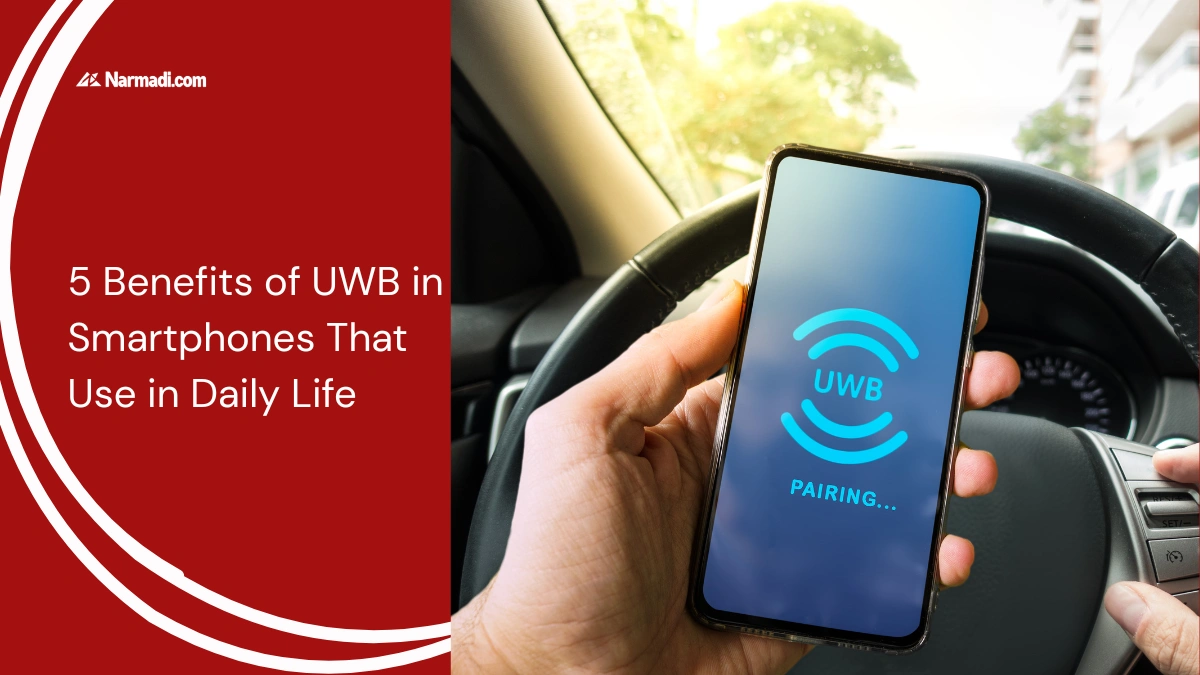
    UWB technology on smartphones enables you to unlock your car or house door without needing to touch the door, unlike NFC, which typically requires contact. You don’t even need to take out your phone. UWB can detect your exact location, ensuring that only you have access to it. 

    In cars, this futuristic concept has been implemented by car manufacturers such as BMW, Hyundai, Audi, and Kia, among others, who have launched UWB digital keys in their latest products. If UWB technology on smartphones is maximized, it could be the future of keyless access for cars and homes.

    3. Tracking and navigation 

    UWB, as a location tracking device via GPS, offers exceptional accuracy in determining precise locations. UWB on smartphones can be used to find connected items.

    With UWB technology, you can leave the tracker in your car, finish shopping, and find your vehicle in a crowded parking lot. Your smartphone knows exactly where you parked your car, down to the exact spot.

    In addition to tracking, UWB on smartphones can also be used for indoor navigation. Your smartphone will provide highly accurate location guidance inside buildings. So you won’t get lost in places like shopping malls or airports.

    4. Smart home integration

    5 Benefits of UWB in Smartphones that You Can Use in Your Daily Life - Update 3

    Home automation is growing every day. UWB-enabled smartphones offer many opportunities for your smart home.

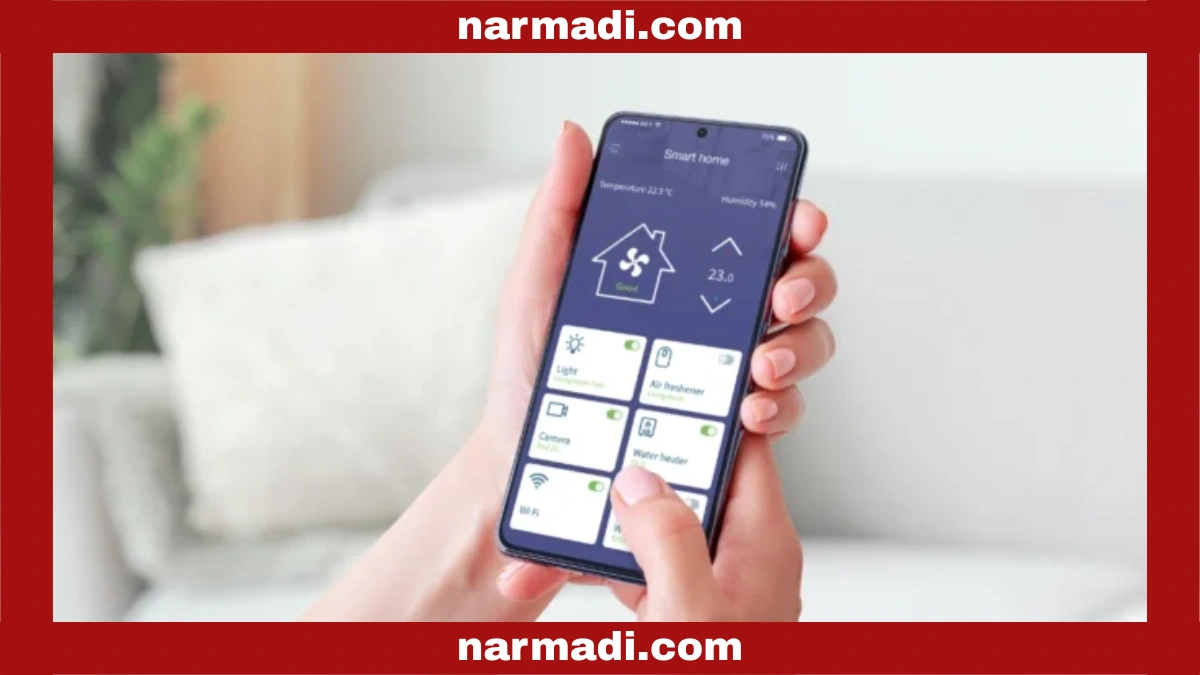
    With UWB on your smartphone, you can set lights to turn on automatically, play your favorite playlist in the living room, and adjust the room temperature to your liking. As more smartphones and smart home devices adopt UWB, homes will become truly responsive smart spaces tailored to your needs and preferences.

    5. Enhanced security

    UWB has security built into its basic design, which is even more secure than other wireless technologies such as Bluetooth and NFC. UWB measures the time it takes for signals to travel between devices, allowing it to determine the direction of the signal and maintain encrypted communications.

    For example, when a thief tries to mimic your smartphone signal to trick a car into unlocking, the vehicle can detect that the signal is taking longer than it should to arrive and refuse to proceed with the action.

    UWB vs Bluetooth Smartphone

    5 Benefits of UWB in Smartphones that You Can Use in Your Daily Life - Update 4

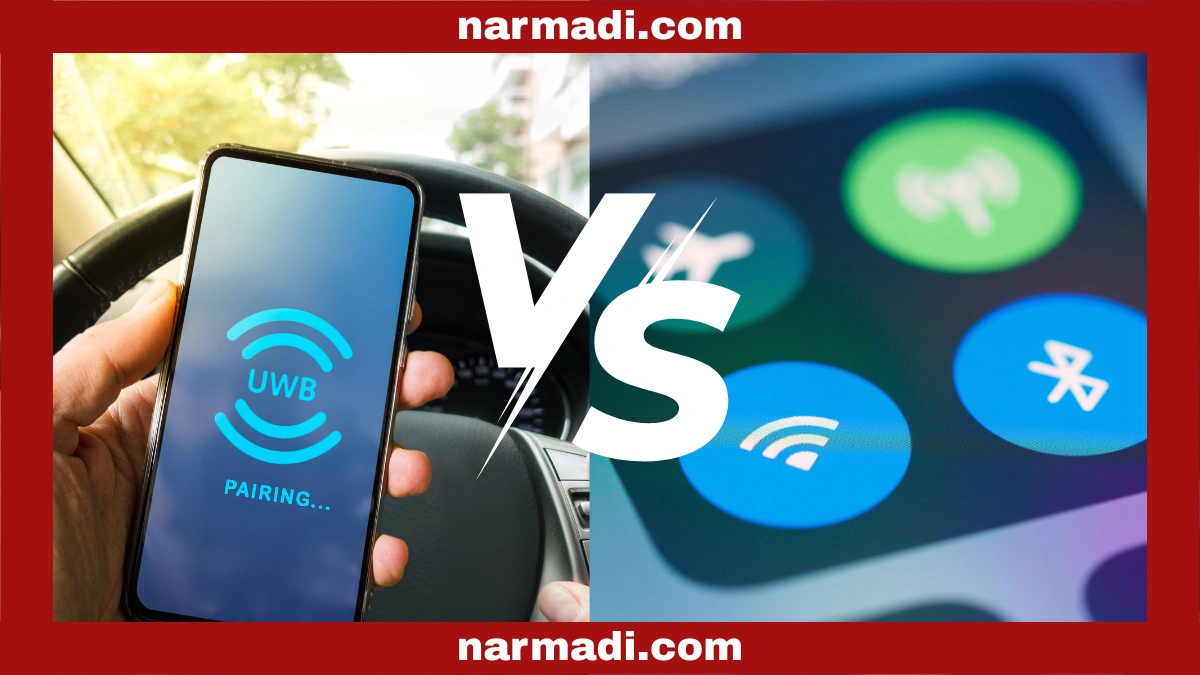
    What is the difference between a UWB and a Bluetooth smartphone? Both differ in several aspects, including location accuracy, data speed, security, and range. Additionally, both have different compatibility and power consumption.

    UWB

    It offers very high location accuracy, with an accuracy of several centimeters, and data speeds of up to 480 Mbps. Has stronger security with cryptography and random data features. 

    The UWB range can reach up to 300 meters, although compatibility is limited to specific smartphone models and specialized devices. UWB has higher power consumption than Bluetooth. 

    Bluetooth

    Has lower location accuracy based on signal strength, particularly at lower speeds. Has weaker security compared to UWB.

    The Bluetooth range is typically around 10 meters, with broad compatibility across most modern smartphones. Bluetooth has more efficient power consumption, especially for Bluetooth Low Energy (BLE). 

    UWB technology aims to revolutionize the way we interact with our devices and the world around us. This will no longer be hindered when all smartphones have UWB technology.

    In the future, UWB in smartphones can continue to be developed so that its benefits in everyday life can be more readily felt. [UN]

  • UWB Application in Daily Life in Various Sectors

    UWB Application in Daily Life in Various Sectors

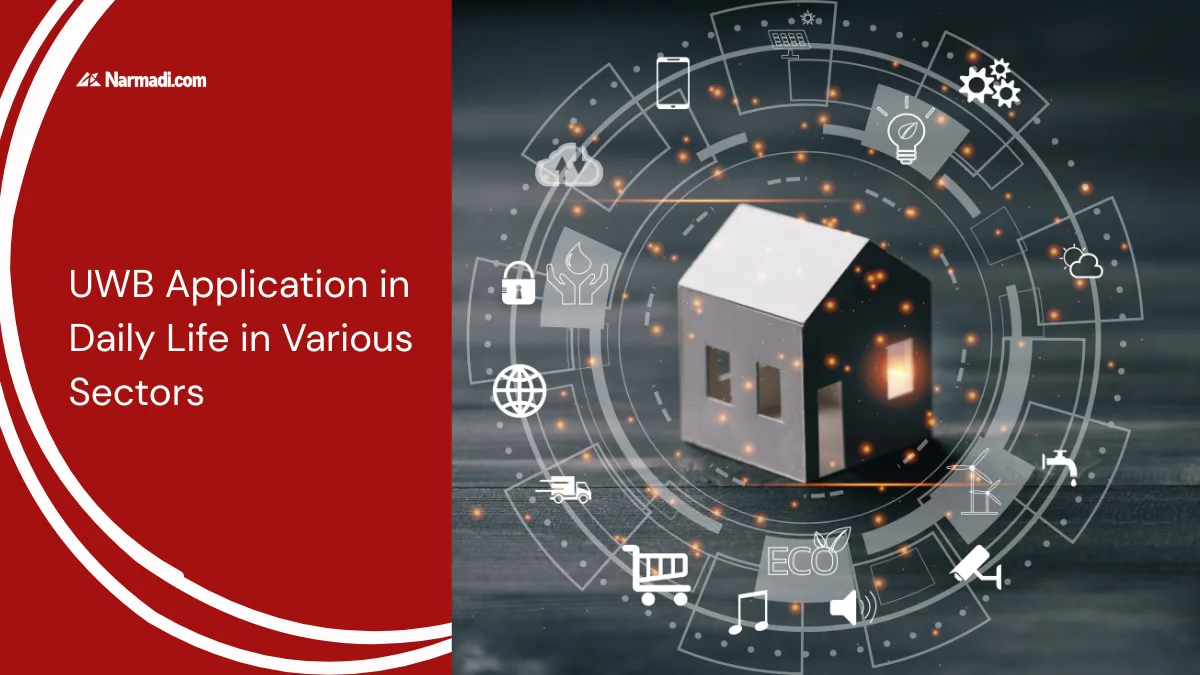
    Ultra-wideband (UWB) has become one of the most talked-about technologies with continuous development and innovation. Currently, there are many UWB applications in daily life.

    Modern technologies such as device tracking, smart homes, or even super-fast short-distance communication are some examples of UWB applications in daily life.

    You will often come across UWB applications in everyday life, ranging from security systems to the healthcare sector. This article will discuss more about the application of UWB in daily life.

    What is UWB and How Does It Work?

    Before discussing the use of UWB in everyday life, you need to know what sets it apart from other wireless technologies.

    Ultra-wideband (UWB) is a short-range wireless communication technology that transmits data using low-power radio waves. It utilizes radio waves in the frequency range between 3.1 GHz and 10.6 GHz. 

    This is what sets UWB apart from Bluetooth or Wi-Fi, which operate on a single narrow frequency band.

    UWB works by transmitting signals with precise time synchronization. This technology calculates distance and location with centimeter-level accuracy. As a result, it is much more difficult to spoof or intercept.

    More than just a wireless connection, UWB excels at determining a device’s exact location with high precision. That’s why it’s used in so many everyday applications.

    UWB Applications in Daily Life 

    You may not realize that UWB technology is already widely used. It can be found in many aspects of daily life. Here are some examples of its applications:

    1. Security and access control systems

    In addition to RFID, which is used in security and access control systems, many companies are adopting UWB for these systems. With UWB, users can gain automatic access using an access card or their smartphone.

    2. Device tracking in smart homes

    These days, smart home appliances are ubiquitous. This is where UWB comes into play. It’s used in smart home devices such as speakers, cameras, and sensors. 

    This technology allows these devices to track the user’s location within the home. Not only that, but you can customize the services provided, such as turning on lights or adjusting the temperature based on the user’s presence.

    3. Indoor navigation

    At airports or shopping centres, UWB is used for indoor navigation. This technology enables users to navigate their way around indoor spaces, making the user experience more interactive and informative.

    4. Digital car keys

    UWB technology allows users to unlock and start their vehicles using just their smartphone. The distance between the phone and the car can be measured with high accuracy, making access more secure.

    5. Contactless Payment Systems

    UWB technology can be used to create contactless payment systems that are more secure and reliable than current solutions.

    This technology is capable of transmitting payment information between mobile devices and payment terminals, making the process more secure and minimizing the risk of fraud.

    6. Industrial automation

    UWB technology can be used in industrial automation applications to enable more precise and reliable communication between devices.

    For example, it can be used to transmit information between robots and other industrial equipment, allowing them to work together more efficiently.

    7. Applications in the healthcare sector

    UWB has great potential for applications in the healthcare sector. One such application is tracking the movements of patients or medical equipment in hospitals.

    This technology is capable of determining precise positions, making it an ideal choice for monitoring the location and condition of assets.

    Those are some examples of UWB applications in everyday life. In the future, the adoption of UWB is expected to continue expanding as the number of smartphones, vehicles, and smart home devices grows.

    This will lead to UWB becoming a standard feature. As a result, you’ll enjoy a more accurate, secure, and seamless experience across various sectors, such as retail, logistics, and public infrastructure.