Author: Muhammad Rifqi Rihza Rahman

  • Smartphones with NFC That Have Qualified Specifications

    Smartphones with NFC That Have Qualified Specifications

    Smartphones with NFC or Near-Field Communication currently seem to be a factor in buying a smartphone in 2025.

    Smartphones with NFC have uses such as for mobile payments, opening certain applications, and performing data transfer processes with extra-fast processes.

    It could be that smartphones with NFC in the future will become commonplace. Moreover, currently, there are many smartphones with NFC at a fairly cheap price.

    Not only has the NFC feature, but the latest smartphones are now also supported with qualified specifications.

    If you are looking for the latest smartphones in early 2025, this article can help you to provide recommendations for smartphones with NFC that have qualified certifications.

    Smartphones with NFC That Have Qualified Specifications
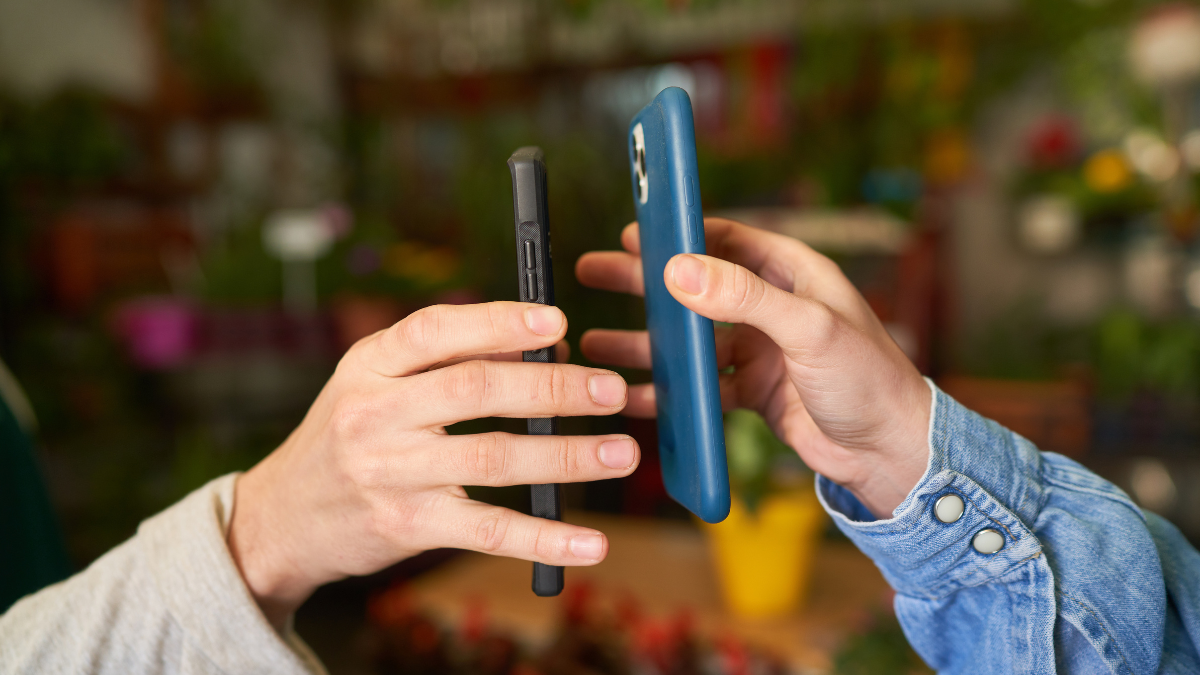
    Smartphones with NFC 2

    1. POCO F6

    The POCO F6 also supports NFC features that can detect e-money cards quickly. When charging the balance all notifications will appear on the 6.67-inch AMOLED screen, Full HD+ resolution, and 120 Hz refresh rate.

    In the camera sector, there is a 50 MP main lens (Sony IMX882 sensor) and an 8 MP lens complete with a 20 MP front camera.

    The phone is powered by a Snapdragon 8s Gen 3 processor with options of 8 GB of RAM and 256 GB of internal storage and 12 GB of RAM with 512 GB of internal storage.  The POCO F6 also has a 5000 mAh battery that features 90W charging.

    2. Redmi Note 13 Pro+ 5G

    Redmi Note 13 Pro+ 5G has the main strength in its camera which has a resolution of 200 MP complete with Optical Image Stabilization (OIS) features.

    The display is stylish with the use of a 1.5K AMOLED curved screen, 800 nits brightness level, and 120Hz AdaptiveSync refresh rate.

    Performance is powered by a MediaTek Dimensity 7200-Ultra processor with 12GB of RAM and 512GB of internal storage. The battery is 5000mAh which supports 120W hyper charging and IP68 certification.

    3. OPPO Reno12 Pro 5G

    This phone is packed with a 6.7-inch display with 1080 x 2412 pixels Full HD+ resolution. The refresh rate also reaches 120 Hz, providing clear visuals without lagging issues.

    For the performance part, the OPPO Reno12 Pro 5G has a MediaTek Dimensity 7300 Energy (4 nm) chipset. The chipset delivers high performance so you can complete a wide range of basic daily tasks.

    The phone is also durable as it is backed by a powerful 5000 mAh battery that has 80W SuperVOOC Fast Charging technology.

    4. vivo V30e

    In addition to NFC, the vivo V30e features a camera that uses a Sony IMX882 sensor with a resolution of 50 MP and an 8 MP ultra-wide camera.

    In addition, this phone also has a resilient body because it is equipped with Tough Body Armor and IP64 Dust & Water Resistance certification for water and dust resistance.

    For performance, it is powered by a Snapdragon 6 Gen 1 (4nm) processor supported by two memory variants, namely 8 GB/128 GB RAM and 8 GB/256 GB RAM.

    For charging, it uses a 5500 mAh battery with 4-year Battery Health to ensure consistency and optimality of battery performance for up to four years of use.

    5. Samsung Galaxy S24 FE

    Samsung Galaxy S24 FE can be an option for the best NFC smartphones with qualified specifications. Besides being equipped with an NFC feature that makes it easy to just top up the e-money balance, this smartphones is also crammed with neat features.

    Just look at the 6.7-inch Dynamic AMOLED 2X type screen, Full HD+ resolution, and 120Hz refresh rate. Surely we will be made comfortable when on the move.

    Then there are 50 MP (wide), 8 MP (telephoto), and 12 MP (ultra-wide) cameras and a 10 MP selfie camera. The performance of the Galaxy S24 FE is powered by an Exynos 2400e chipset supported by 8 GB of RAM with 128 GB and 256 GB storage options.

    Samsung also embeds a 4,700 mAh battery supported by a 25W charger that will charge 50% in 30 minutes.

    For other features, it has IP68 certification which makes it waterproof up to 1.5 meters in fresh water for up to 30 minutes.

    Those are 5 smartphones recommendations with NFC that have qualified certifications. Hopefully, it can help you to determine your new smartphones at the beginning of 2025. [UN]


  • Smartwatches That Already Have the NFC Feature

    Smartwatches That Already Have the NFC Feature

    The advantages of NFC are known to many people, making many products try to innovate with the NFC feature, one of which is a smartwatch.

    Smartwatches with NFC are now the target of smartwatch users. Many users are looking for smartwatches not only for sports but also to take advantage of its transaction features to support daily activities.

    For transactions, smartwatches that have the NFC feature can be used to make various payments with electronic money.

    What smartwatches have the NFC feature on their devices? Below are recommendations for 5 smartwatches that already have the NFC feature to be your choice.

    5 Smartwatches That Already Have the NFC Feature

    Smartwatches That Already Have the NFC Feature 2

    1. Apple Watch Ultra 2

    One recommendation for a smartwatch with NFC that you can consider is the Apple Watch Ultra 2.

    This smartwatch has a 1.9-inch OLED Retina screen with a resolution of 410 x 502 pixels which is capable of producing a very clear and smooth visual display.

    The screen it carries also has a maximum brightness level of 3,000 nits which is considered very bright in all lighting conditions.

    Moreover, the Apple Watch Ultra 2 also supports the S9 SiP chip which provides more responsive and smooth performance than its competitors.

    This is also accompanied by an internal storage capacity of 32 GB so you can store more applications and health feature data every day.

     The presence of the NFC feature on the Apple Watch Ultra 2 will certainly make the process of data transfer and contactless payments very easy.

    2. Samsung Galaxy Watch 6

    One of the recommendations for the next smartwatch with NFC that is no less sophisticated is the Samsung Galaxy Watch 6.

    This smartwatch has a 1.31-inch wide screen with a resolution of 432 x 432 pixels which is quite capable of producing a clearer and smoother visual display for all your activities.

     Moreover, the frame material which relies on aluminum armor can provide a level of durability that is sufficient for heavy activities throughout the day.

    Apart from that, the Samsung Galaxy Watch 6 is also equipped with a 5 nm fabricated Exynos W930 chipset which has a speed of 1.4 GHz to provide support for more agile work activities and without lag problems.

    This is also combined with a RAM capacity of 2 GB with 16 GB ROM storage which is quite large for daily productivity needs.

    3. Huawei Watch Buds

    Huawei Watch Buds are a very interesting choice if you are looking for a smartwatch that has NFC.

    Huawei Watch Buds themselves are a combination of smartwatches and earbuds that are able to offer comfort and functionality in one device.

    This smartwatch has a 1.43-inch AMOLED screen with a resolution of 466 x 466 pixels to support the need for a smooth and clear visual display.

    Huawei Watch Buds also have IP54 certification which proves they can survive water and dust.

    Apart from that, the presence of the NFC feature on this smartwatch is also able to support contactless payment transactions.

    Moreover, this smartwatch also supports GPS features to carry out precise and accurate location tracking.

    4. Mobvoi TicWatch Pro 5

    Looking for the best NFC smartwatch device that has a long usage time? Mobvoi TicWatch Pro 5 should be in your reference.

    This device uses a 627mAh battery which is claimed to last up to 80 hours. Of course, there is no need to worry when you have to make transactions when your cell phone is off.

    Apart from that, Mobvoi also promises toughness by embedding Corning Gorilla and meets US-MIL-STD 810H testing which is said to withstand various environmental stresses including rain, sand, ice, shock, and vibration.

    5. OPPO Watch X

    If you really care about screen clarity, the OPPO Watch X is one of the recommended smartwatches with NFC that is worth considering.

    The elegant design is also combined with a 1.43-inch AMOLED screen with a resolution of 466 x 466 pixels to provide a clearer and smoother visual experience.

    This is combined with a maximum brightness level of 1,000 nits which is capable of producing very bright visuals.

    The OPPO Watch X has successfully passed the MIL-STD-810H military standard durability test which proves it can withstand very extreme environmental conditions or temperatures of -20°C to 55°C.

    This is accompanied by the powerful Snapdragon W5 Gen 1 chipset with 4nm fabrication which can provide smoother performance and more efficient power consumption.

    These are some recommendations for smartwatches that already have the NFC feature that could be your choice. Of course, with a smartwatch that already has the NFC feature, you will not only look cool but also look futuristic. [UN]

  • Transformation of SDPPI into DJID (Directorate General of Digital Infrastructure) Are there any Changes in Requirements for Certification?

    Transformation of SDPPI into DJID (Directorate General of Digital Infrastructure) Are there any Changes in Requirements for Certification?

    The Indonesian government has recently modernized its institutional structure by changing the Directorate General of Post and Information Resources and Devices (SDPPI) to the Directorate General of Digital Infrastructure (DJID).

    The change of SDPPI to the Directorate General of Digital Infrastructure (DJID) is an effort to adjust to the rapid development of digital technology.

    The change of SDPPI to the Directorate General of Digital Infrastructure (DJID) was officially announced on February 7, 2025.

    The existence of the Directorate General of Digital Infrastructure (DJID) is also part of the reorganization of the Ministry of Communication and Information Technology (Kominfo), which has now been transformed into the Ministry of Communication and Digital (KOMDIGI).

    The transformation of the Directorate General of Digital Infrastructure (DJID) aims to strengthen the national digital infrastructure and improve efficiency in radio frequency spectrum management and telecommunications device regulation.

    Why was SDPPI Changed to DJID?

    Why was SDPPI Changed to DJID

    As part of the national strategy for developing the digital ecosystem, this change was made with several key considerations:

    Efficiency in technology regulation and standardization

    DJID still has the responsibility of regulating the radio frequency spectrum and setting standards for telecommunications devices to comply with national and global regulations.

    Supporting the digital economy ecosystem

    A strong digital infrastructure is the backbone for the growth of the digital industry, including technology-based startups, e-commerce, and MSMEs.

    DJID is tasked with ensuring that this ecosystem can thrive with adequate infrastructure support.

    Optimizing digital infrastructure management

    With technological advances such as 5G, the Internet of Things (IoT), and artificial intelligence (AI), a more focused agency is needed to ensure the availability of infrastructure that supports innovation in various sectors.

    Ensuring more equitable digital access

    One of DJID’s main visions is to ensure that access to digital technology is not only concentrated in urban areas but can also be enjoyed by people in remote areas through the national digital network and connectivity development programs.

    Impact of DJID Change on Telecommunication Device Certification

    Impact of DJID Change on Telecommunication Device Certification

    This change has raised questions about the continuity of the telecommunications device certification process, which was previously under SDPPI.

    However, the government ensured that the transition went smoothly without disrupting existing regulations or procedures.

    Some of the changes that occurred after DJID started operating include:

    • The certificate number format changes: Starting January 20, 2025, certificate numbers that previously used the format 12345/SDPPI/20XX will now change to 12345/DJID/20XX.
    • Old regulations remain in effect: All technical regulations issued under SDPPI can still be used, although DJID will issue some regulatory updates that adjust to the current needs of the digital industry.
    • No change in the certification process: All procedures related to telecommunication device certification will continue as usual. Both local and international companies wishing to obtain certification can still apply without any additional administrative constraints.

    Going forward, DJID will continue to update regulations and optimize frequency spectrum management so that Indonesia can compete in the global digital era.

    With more advanced infrastructure and more adaptive regulations, Indonesia has the potential to become one of the leaders in digital technology innovation in Southeast Asia. <UN>

  • Advantages and Disadvantages of Thermal Bluetooth Printers Commonly Used by Cashiers

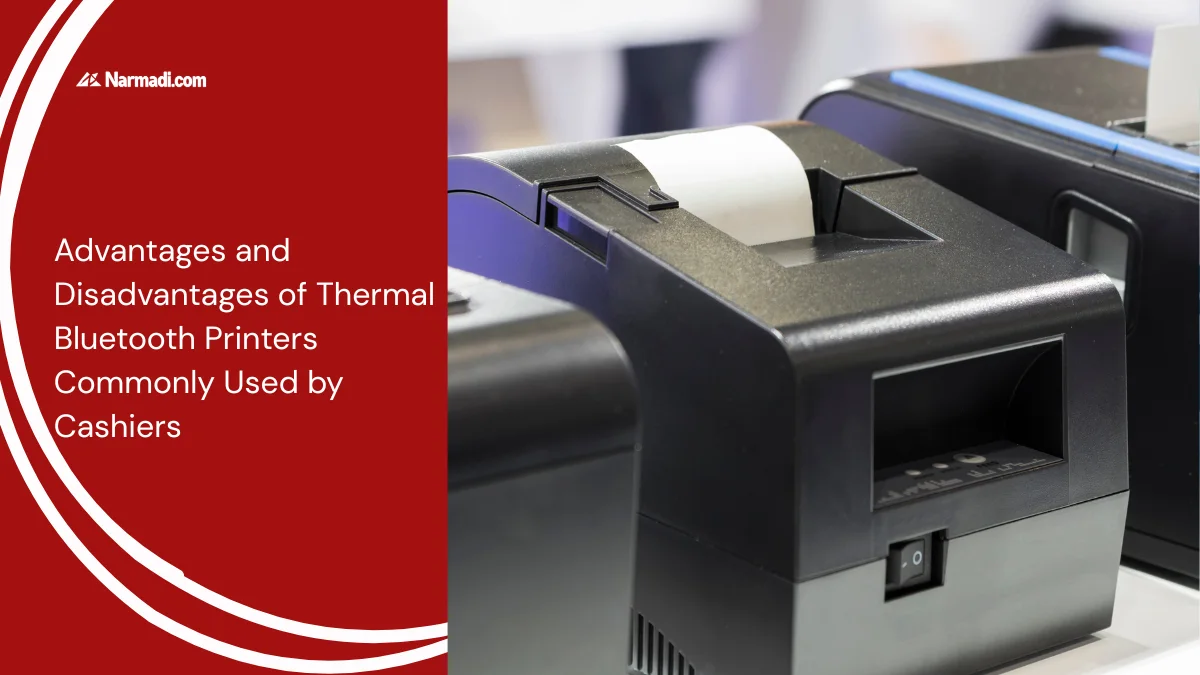
    Advantages and Disadvantages of Thermal Bluetooth Printers Commonly Used by Cashiers

    Are you familiar with the Bluetooth thermal printers commonly found at checkout counters in convenience stores or coffee shops?

    Bluetooth thermal printers are an integral part of modern business transactions today. Understanding how they work, along with their advantages and disadvantages, can help business owners make the right purchasing decisions.

    In this article, we’ll cover all of that so you can see how the simplicity and speed of Bluetooth thermal printers have made them so widely used.

    What is a Thermal Bluetooth Printer

    A thermal Bluetooth printer is a type of printer that uses thermal technology to print and connect with other devices via Bluetooth connectivity.

    This technology uses heat to produce images or text on thermal paper, so it does not require ink or toner.

    This thermal and Bluetooth technology printer is often used in various applications such as printing receipts, labels, and tickets, making it very popular among small and medium businesses.

    Advantages 

    1. Wireless Connectivity

    This printer with Bluetooth and thermal technology can connect to devices such as smartphones, tablets, and computers without requiring cables. 

    This makes it easier for you to print documents remotely and reduces cable clutter around your workplace.

    2. Cost-Effective

    One of the main advantages of a thermal Bluetooth printer is that it does not require ink or toner. 

    You only need to replace the thermal paper when it runs out, which, of course, is more economical in the long run.

    3. High Print Speed

    Thermal printers are capable of printing quickly, so they are very efficient for business needs that require printing receipts or tickets quickly and continuously.

    4. Compact Design

    Thermal printers are usually small and light, making them easy to carry everywhere. This is very suitable for businesses that have high mobility or use them in limited space.

    Disadvantages 

    1. Connection Limitations

    Thermal Bluetooth printers can only connect to devices that have a Bluetooth connection.

    This becomes an obstacle if the device used does not have a Bluetooth connection or does not support Bluetooth.

    2. Print Capacity is Limited

    Due to their smaller size, the printing capacity of thermal Bluetooth printers is usually more limited compared to larger desktop receipt printers. This can be a problem in situations with high printing volumes.

    3. Battery Dependency

    Although mobile receipt printer batteries usually last a long time, there is a risk that the battery could run out while in use. This can disrupt business operations if there are no backup resources available. 

    Bluetooth vs USB Thermal Printers

    In addition to Bluetooth thermal printers, there are also USB devices. However, in reality, Bluetooth devices are more commonly used. What makes them more popular?

    Two things make Bluetooth thermal printers superior: their flexibility and portability.

    Bluetooth-enabled thermal printers allow for printing from smartphones and tablets anywhere within wireless range. Transactions can even be processed at a counter, during mobile sales, or at outdoor pop-up kiosks.

    Meanwhile, USB thermal printers must be connected to a PC or a fixed POS terminal. The main advantage of USB models is their greater connection stability, without the risk of wireless signal interruptions.

    By understanding these advantages, disadvantages, and features, you can determine the best use for a Bluetooth thermal printer. Especially as an investment to streamline payment processes in your business.

  • List of Products Required to be Certified by DJID

    List of Products Required to be Certified by DJID

    Every user, importer, distributor, representative office, agent, manufacturer, and assembler must be aware of which products required to be certified by DJID KOMDIGI before being sold or used in Indonesia.

    DJID certificates will be issued to products that require certification after undergoing sample testing and are deemed to meet technical requirements. The obligation to sell products required to be certified is clearly regulated in Regulation of the Minister of Communication and Informatics Number 16 of 2018.

    This regulation requires that every product categorized as telecommunications equipment and/or supplies must meet the technical requirements to obtain the DJID certification.

    Article 2, paragraph 1 of Regulation of the Minister of Communication and Informatics of the Republic of Indonesia Number 16 of 2018 states that “Every Telecommunication Equipment and/or Device manufactured, assembled, or imported for sale and/or use within the territory of the Unitary State of the Republic of Indonesia must meet Technical Requirements.”

    List of Products Required to be Certified by DJID Indonesia

    The following products required to be certified by DJID:

    NOHS CODE Name of Equipment
    12 3
    1EX 4418.20.001Garage door opener
    2EX 8415.10.901Air conditioner (AC)
    3EX 8418.29.001Smart refrigerator
    4EX 8421.39.201Air purifier
    5EX 8443.31.111PRINTER-COPIER prints using ink-jet and/or laser processes
    6EX 8443.31.191PRINTER-COPIER prints using ink-jet and/or laser processes
    78443.31.311A combination of a printer, copier, and color fax machines
    88443.31.391A combination of a printer, copier, and fax machines, other than color
    9EX 8443.31.911The printer, copier, fax machine, or combination thereof is equipped with a scanner function or not
    108443.32.411Color fax machine
    118443.32.492Fax machines are colorless
    12EX 84501Smart washer and/or dryer
    13EX 8470.50.001Electronic data capture (EDC) terminal with cellular, WLAN, Bluetooth, NFC, RFID, and/or PSTN
    148471.30.201 Laptops include notebooks and subnotebooks
    15EX 8471.30.901Tablet computers, flat touch screen computers, and use of the screen as an input device using a stylus, digital pen, or fingertip in addition to using a keyboard or mouse; other portable automatic data processing machines
    16EX 8471.30.902Handheld computers include palmtops and personal digital assistants (PDAs)
    17EX 8471.41.101All-in-one PC
    18EX 8471.60.301Wireless keyboard
    19EX 8471.60.401Wireless Mouse
      2Wireless Pointer
    20EX 8471.60.901Smart card reader
    21EX 8471.70.201Wireless storage
    22EX 8508.19.101Vacuum cleaner
    23EX 8516.50.001Smart oven
    24EX 8516.60.101Cooker
    25EX 8516.71.002Coffee maker
    268517.11.001Telephone devices with cordless handsets include cordless telephones
    278517.12.001Telephones for cellular networks or other wireless networks, such as cellular telephones, public cordless telephones (TTKU), public wireless radio (coin/card) telephones, satellite telephones, and GMPCS, GMDSS terminals.
    288517.18.001 Analog telephone set
      2Public telephones
      3Aircraft key telephone system (KTS)
      4PBX / PABX Aircraft
      5Terminal VoIP / IP phone
    298517.61.001Base transceiver station mobile mobile system
      2Base transceiver radio trunking
      3Mobile mobile system controller base station
      4Cellular mobile system signal repeater/booster/amplifier
    30EX 8517.62.211Softswitch / media gateway controller
      2Trunk gateway
      3Signaling gateway
      4Access gateway
      5A multi-service switch that has a routing function (layer 3 switch or more)
      6Trunk gateway
      7Router
      8Ethernet first miles
      9ISDN basic rate access (BRA) and primary rate access (PRA) devices
      10DSL (digital subscriber line) technology devices
      11PON technology device
      12Voice over Internet Protocol (VoIP)
      13Metro ethernet
      14Multi-service access node (MSAN)
      15Public switched telephone network (PSTN) telephone exchange
      16Home gateway
    318517.62.291Optical network terminal (ONT)
      2Optical node unit (ONU)
      3Repeater fiber optic
    32 1Mobile switching center cellular
      2Mobile switching center satellite
      3Sentral paging
      4Sentral radio trunking
      5PABX (IP PBX, Wireless PBX)
      6Switching intellegence transport system (ITS)
    338517.62.411Modem standalone
      2Modem ISDN
      3Modem xDSL (ADSL, HDSL, VDSL, GSHDSL)
      4Modem broadband power line (BPL)
      5Modem HFC
      6Modem-manageable home gateway
      7Modem satelit
      8Modem seluler
      9Modem subscriber station broadband wireless access (LTE/WIMAX)
      10Modem inner transmitter
      11Modem telemetri dengan akses seluler, satelit, Wi-Fi, atau WPAN
    348517.62.421Synchronous digital hierarchy (SDH), (next generation-SDH)
      2Plesiochronous digital hierarchy (PDH)
      3Optical multiplexer (WDM, DWDM, CWDM)
      4Multiservice transport platform
      5IP broadcast multiplexer
      6Multiplexer cable TV
      7Analog or digital broadcast TV multiplexer
    358517.62.511Wi-Fi / wireless LAN
    368517.62.531Analog/digital radio link, terrestrial/microwave/STL
      2Radio portable / two-way radio / handy talky / walky talky
      3Radio trunking
      4Radio telemetri
      5Radio frequency identification device (RFID)
      6Near field communication
      7Teleprinter
      8LP-WAN
      9Optical line termination (OLT)
    37EX 8517.62.531Baby monitor
    388517.62.591Encoder, decoder
      2Converter (up atau down)
      3High power amplifier
      4Video phone/ video conference
    398517.62.911Portable receivers for calls, alerts, or paging, and paging alert equipment including pagers
    40EX 8517.70.401Indoor transmitter
      2Mobile mobile system base transceiver station transmitter antenna
      3Antena analog / antena digital radio link terrestrial / antena microwave
    41EX 8518.10.111Microfon nirkabel
    42EX 8518.30.101Headset nirkabel
    43EX 8518.30.201Earphone nirkabel
    44EX 8518.40.901Audio amplifier with wireless LAN / Bluetooth
    45EX 8521.90.191Sound and/or image player with wireless LAN/Bluetooth
    46EX 8521.90.991Sound and/or image player with wireless LAN/Bluetooth
    47EX 8523.51.111Wireless storage
    488525.50.001Video distribution modulator
      2TV cable modulator
      3CATV modulator
      4Analog broadcast TV transmitter
      5Digital broadcast TV transmitters (DVB-T2, DVB-S)
      6Digital broadcast radio transmitter
      7AM, FM broadcast radio transmitter
    49EX 8525.80.391CCTV
      2Drone
    50EX 8525.80.511Digital Camera
    51EX 8525.80.591Digital Camera
    528526.10.101Maritime radar
      2Aviation radar
    538526.91.101Maritime radio transmitter
      2Aviation radio transmitter
      3Radio beacon / EIPRB
      4Automatic identification system (AIS)
    548526.91.901Radar surveillance
      2Weather radar
      3GPS tracker with cellular interface
    55EX 8527.21.001Car Audio
    56EX 8528.69.101LCD projector
    578528.71.111IP set-top box
      2Integrated receiver decoder
    588528.71.911Analog TV cable set-top box
      2Satellite receiver set-top box (DVB-S)
      3Terrestrial receiver Set Top Box (DVB-T2)
      4USB terrestrial receiver DVB-T2
      5Set-top box DVB-C
    59EX 8528.72.921TV receiver (other than cathode ray tube type) with wireless LAN, cellular, Bluetooth capability, and/or DVB-T2 receiver
    60EX 8528.72.991TV receiver (other than cathode ray tube type) with wireless LAN, cellular, Bluetooth capability, and/or DVB-T2 receive
    618531.10.901Vehicle keyless
    62EX 85.351Light switch
    63EX 8543.70.201Remote control of heavy lifting equipment (crane)
    64EX 8543.70.901LNA/LNB
    659025.80.201Thermostats
    66EX 91.021Smart watch
    67EX 9504.50.101Consol games

    DJID Certification Process

    Products required to be certified must go through several processes. The DJID certification itself is quite a lengthy process. It requires local testing, which means product samples will be tested in an Indonesian laboratory.

    Currently, local testing is not mandatory, but it is recommended. As an option, you can complete a paperwork process to apply for products required to be certified.

    Local testing

    Local testing is the most recommended testing route for products required to be certified in Indonesia. Although the process is quite lengthy, this method will be mandated in the future.

    These tests for products required to be certified:

    • Radio Frequency (RF) Test
    • Electromagnetic Compatibility (EMC) Test
    • Electrical Safety Test (Only required for products directly powered by AC power)
    • Laser Safety Test
    • Specific Absorption Rate (SAR) Test (Only required for tablets or mobile phones)

    Paperwork Method

    The paperwork method, or document evaluation, is an option for products required to be certified. This means you need to obtain RF, EMC, and Electrical Safety test results from an international laboratory accredited and registered with the DJID.

    For Laser Safety and SAR testing, if required, testing must still be conducted at a local laboratory in Indonesia.

    Certification application process

    Update - Products Required to be Certified by DJID (Type Approval) 2

    The certification application process requires you to submit all documents for products required to be certified to the DJID. The following is a list of documents required for a DJID certification application:

    • Product specifications, including model name.
    • Product photos
    • Test Reports (RF, EMC, Electrical Safety, Laser Safety, SAR)
    • PM5 Application Form
    • Declaration of Conformity signed by the LR
    • Memorandum of Understanding/Distributor Agreement between the Brand Holder and the LR
    • LR Information (company name and address, contact name and number, company email address)

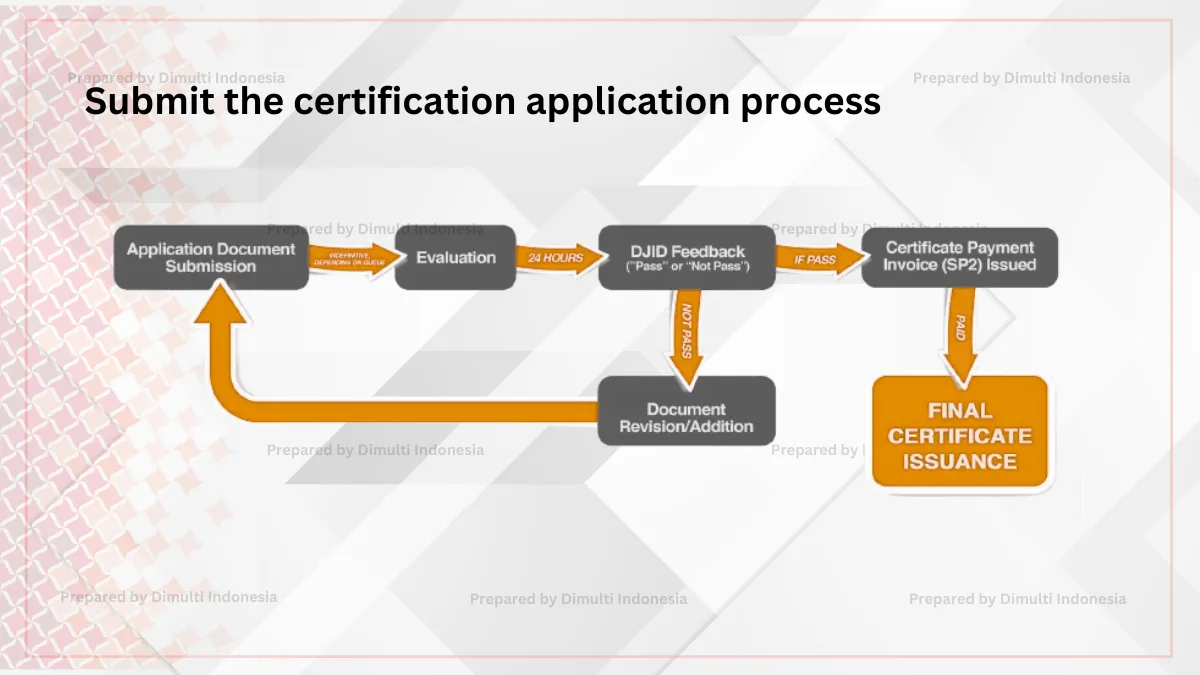
    Applications for products required to be certified will be submitted through the DJID e-certification website. All documents will be evaluated within 24 hours.

    The DJID will then respond to the request for approval or rejection. If certification is approved, you will need to make a payment before the certificate is issued.

    If the evaluation is unsuccessful, the documents will be returned to the applicant for revision or the addition of missing documents. Revised and complete documents can then be resubmitted.

    That is a list of products required to be certified by the DJID before being marketed in Indonesia. Meeting these certification requirements is crucial for companies or individuals wishing to bring telecommunications equipment to the Indonesian market.

    If you need assistance processing this certification, you can contact us. We have over 17 years of experience and a professional team.

    We offer pre-testing services, real-time monitoring of the certification process, and an international network. This means you can apply for certification not only in Indonesia but also in other countries where you plan to market.

  • Document Requirements for DJID Certification

    Document Requirements for DJID Certification

    Companies or individuals wishing to bring telecommunications equipment to the Indonesian market must understand the document requirements for DJID certification.

    The DJID, or Directorate General of Digital Infrastructure, is the agency that regulates Indonesian type approval certification. This certification serves as proof of approval for the safety of telecommunications equipment entering or circulating in Indonesia.

    Having DJID certification ensures that distributed equipment meets Indonesian safety and quality standards.

    The DJID certification requirements are not difficult. There are only two main pathways: local testing and work experience.

    Each pathway has its own document requirements for DJID certification that must be met for a smooth and effective process.

    Let’s take a closer look at the document requirements for DJID certification for each pathway.

    Local Testing Path and Document Requirements for DJID Certification

    Local Testing Path and Document Requirements for DJID Certification

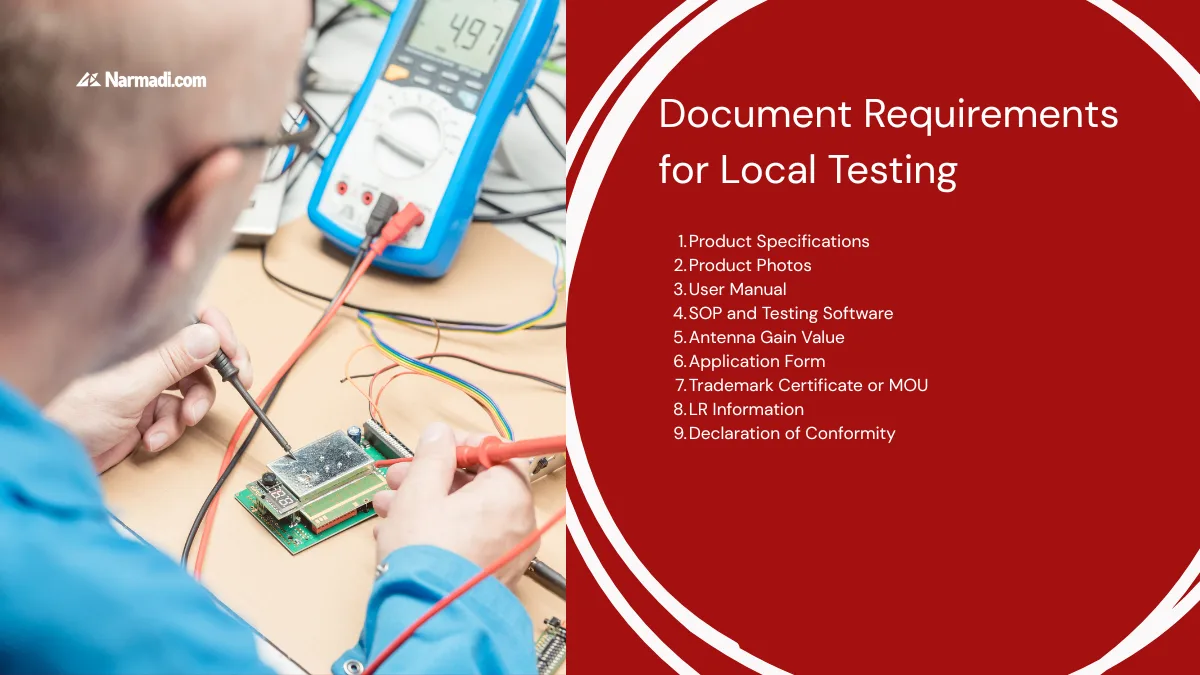
    In the local testing path, devices that will receive approval must undergo testing in a laboratory approved by DJID in Indonesia.

    The following are the document requirements for DJID certification that need to be prepared for this path:

    1. Product Specifications: This document lists the complete product specifications, such as model and features. It is important to ensure the model name in this document matches the one submitted to the DJID.

    2. Product Photos: Clear photos showing the device, including its external appearance and essential components, are required for visual identification.

    3. User Manual: A guide for using the device, used for standard samples. This must be the same as the one included with the device to be sold.

    4. SOP and Testing Software: Standard Operating Procedures (SOPs) and software used for testing are also required. This document facilitates the testing process in accordance with applicable procedures.

    5. Antenna Gain Value: The antenna gain value in dBi must be included. This is part of the testing to ensure the device meets safe and effective signal requirements.

    6. Application Form: This form contains applicant and product information, including technical and commercial data, which are part of the application requirements.

    7. Trademark Certificate or MOU: If the applicant is a distributor or importer, a trademark certificate or Memorandum of Understanding (MOU) with the trademark holder must be included as proof of official cooperation.

    8. LR Information: Information about the responsible local representative in Indonesia is also required. Typically, this is an entity or individual who will help ensure the device complies with applicable regulations.

    9. Declaration of Conformity: A statement that the proposed product meets applicable technical standards and regulations. The statement must be signed by the applicant.

    Paperwork Path

    Paperwork Path

    For devices that have undergone testing at an international laboratory recognized by DJID, the paperwork route is a simpler alternative. With this route, the device no longer needs to undergo local testing in Indonesia.

    The following are the document requirements for DJID certification for the Paperwork path:

    1. Product specifications and product photos: Just like on the local testing route, product specifications and photos must be complete and accurate.

    2. RF test report: An RF test report from a laboratory recognized by DJID is essential. This report shows radio-frequency test results that prove the device operates at safe frequencies.

    3. EMC test report: This document shows the device’s resistance to electromagnetic interference and is important to guarantee the device does not interfere with other devices.

    4. Summary of test report: A summary of the results of the tests carried out must also be attached to provide an overview of the device test results.

    5. CB report (if using AC power): If the device uses AC power, a CB (Certificate Body) report is required to show that the device meets electrical safety standards.

    6. Application form: This form contains the same information as the local testing route and is one of the mandatory documents in the paperwork process.

    7. Trademark certificate or MOU: This certificate must be included if the applicant is not the trademark holder.

    8. Declaration of Conformity: A statement that the proposed product meets applicable technical standards and regulations. The statement must be signed by the applicant.

    9. LR Information: Information about the responsible local representative in Indonesia is also required. Typically, this is an entity or individual who will help ensure the device complies with applicable regulations.

    Meeting the document requirements for DJID certification is very important for companies or individuals who wish to bring telecommunications equipment to the Indonesian market. With two main routes, namely local testing and paperwork, DJID offers options for devices that are tested domestically or in recognized overseas laboratories.

    Submitting the DJID Documents

    Once all the required documents for DJID certification are complete, the next step is to submit an application for Indonesian type approval certification. Both local testing and paperwork applications are submitted through the DJID e-certification website.

    The difference is that local testing requires first completing the testing process at a local lab. Once the test results are received, the document submission process is the same as for the paperwork process.

    All submitted documents will be evaluated by the authorities within 24 hours. However, in real-world situations, the evaluation process may take up to two or three days due to waiting times.

    After that, the DJID will provide a response. If there are no corrections, a Payment Notification Letter (SP2) will be issued. Payment must be made within a maximum of 14 business days.

    After payment, the certificate will be issued within 24 hours. However, if the evaluation is not successful, the documents will be returned to the applicant for revision or the addition of missing documents. The revised and complete documents can then be resubmitted.

    Complete document requirements for DJID certification will help the approval process run smoothly, ensuring the device meets the safety and quality standards applicable in Indonesia. If you need help in processing this certification, please contact us. [UN]