Author: Muhammad Rifqi Rihza Rahman

  • What is a Robot Vacuum Cleaner? Learn How It Works and Its Features?

    What is a Robot Vacuum Cleaner? Learn How It Works and Its Features?

    The advancement of technology is undeniable. It has even penetrated household appliances, including a robot vacuum cleaner.

    With a robot cleaner, we don’t need to push the vacuum to all corners of the room to clean dust; this device can move independently throughout the room to do so.

    Are you wondering how a robot vacuum cleaner can move on its own and avoid various obstacles that hinder it? Then do you already know what advanced features a robot cleaner has?

    This article will review the robot vacuum cleaner, from understanding how it works to the advanced features it has.

    What is a Robot Vacuum Cleaner?

    A robot vacuum cleaner is a smart device specifically designed to clean the house with tasks such as sweeping and mopping.

    The main difference between a robot vacuum and a conventional vacuum cleaner lies in the automatic way it works. Just by pressing one button, this device will start moving and cleaning the house independently.

    One of the advantages of a robot cleaner is its navigation technology. This technology allows the device to move itself according to the layout of the house. Some models are also equipped with cameras and even AI (artificial intelligence) technology to improve their performance.

    How It Works?

    How to use a robot vacuum cleaner is quite easy: just place it on the floor and press the power button, then the robot will move to suck up the dust.

    Are you curious about how a robot cleaner works to clean dust and dirt automatically? Here’s how a robot cleaner works:

    • Utilizing advanced technology: Robot vacuum cleaners are equipped with navigation, infrared, WiFi, camera, sensors, and AI technology. This allows the robot vacuum to clean automatically.
    • Brush that attracts dust: This tool is equipped with several types of brushes, such as rollers and spinners that stir up dirt, then pull it into the storage space in the robot vacuum as an internal trash can.
    • Using batteries as a power source: Powered by batteries with sufficient capacity for cleaning activities. The battery can be recharged using a certain charger when the battery runs out.

    The Features

    1. Navigation sensors

    Most robot cleaners are equipped with laser and infrared-based navigation sensors to map out the room and plan the cleaning route for directed and efficient movement.

    There are also object detection sensors, which help the robot avoid wires, furniture, walls, and even pets from crashing during the cleaning process. Some robot vacuum cleaners are also equipped with anti-drop sensors, which prevent them from falling down stairs.

    2. Smart home integration

    Robot vacuums can generally be controlled remotely using an application installed on a smartphone.  This allows them to be integrated with smart homes and other advanced systems, providing a fully automated experience.

    3. High suction power

    All vacuum cleaners have suction power, which allows them to suck up dirt on the floor. A robot vacuum cleaner with strong suction power will make its performance in cleaning the floor more efficient. The suction power of devices on the market today usually ranges from 2,500 to 6,000 Pa.

    4. Air filter

    When a floor cleaning robot sucks up dirt, air enters and will be expelled again. Before being expelled, the air passes through a filtering system or filter.

    The filter will trap dust and allergens so that the air released back becomes fresher, healthier, and free of allergy-causing particles. A good filter standard is to use a HEPA filter, which is known to capture more than 99% of allergy-causing particles.

    RF Reliability and LiDAR/Wi-Fi Safety

    Modern robot vacuum cleaners rely heavily on integrated Wi-Fi modules, Bluetooth and radio-frequency (RF) LiDAR sensors. It is this technology that enables them to map living spaces and transmit data in real time to smart home apps.

    As this device transmits and processes wireless signals, it must undergo a type approval certification process before it can be marketed and used. This is necessary to ensure the safe and reliable operation of its wireless and RF components.

    Through testing and certification, the device will undergo rigorous evaluation in relation to Radio Frequency (RF), Electromagnetic Compatibility (EMC) and thermal safety. This process ensures that the robot’s mapping signal remains stable, operates within the specified frequency band and does not cause interference with other household electronic devices.

    As an experienced partner in the field of technical compliance for type approval since 2008, Narmadi Company assists manufacturers, distributors and importers in navigating the certification process. We handle all telecommunications equipment, including autonomous household appliances. This ensures that your robotic vacuum cleaner meets all technical standards and is fully ready for the market.


  • Advantages and Disadvantages of Smart Lighting

    Advantages and Disadvantages of Smart Lighting

    Smart lighting that is based Internet of Things (IoT) has several benefits such as security improvements, handy remote control, to energy savings. Like other technology, the advantages and disadvantages of smart lighting are exactly found in this technology.

    The advantages and disadvantages of smart lighting are coverage ease of operation the security and privacy of this technology. Of course, the advantages and disadvantages of smart lighting need your consideration before choosing the technology for your lighting.

    This article will give you information on the advantages and disadvantages of smart lighting that you need to know for your consideration.

    The Advantages and Disadvantages of Smart Lighting

    Here are the advantages and disadvantages of smart lighting that became your consideration in maximizing your lighting room.

    The Advantages

    The Advantages and Disadvantages of Smart Lighting That You Need to Know 2

    The advantages of smart lighting cover from ease of operation to energy efficiency. Here are the advantages of smart lighting:

    1. Ease of operation

    One of the main advantages of smart WiFi lights is their ease of operation. With an app on your smartphone or voice commands via a smart assistant, you can control your lights from anywhere and at any time.

    This is especially useful if you forget to turn off the lights before leaving or want to turn them on before arriving home.

    2. Integration with smart home ecosystem

    WiFi smart lights can connect to other smart home devices such as motion sensors, security cameras, and HVAC systems.

    This integration enables more advanced automation, such as lights that turn on when motion is detected or lights that adjust brightness based on activity in the home.

    3. Light and color adjustments

    WiFi smart lights provide the ability to adjust the brightness level and light color according to your preferences and mood.

    You can change the color of the lights to create different atmospheres in the room, such as blue light for relaxation or bright white light for working.

    4. Automatic schedule settings

    WiFi smart lights allow you to set an automatic schedule so that the lights turn on and off at the desired time.

    For example, you can set it to turn on at sunset and off at sunrise. This highlight not only gives comfort but also makes a difference in spare energy.

    5. Efficient energy use

    Most WiFi smart lights use energy-saving LED technology. In addition, the brightness adjustment and automatic schedule setting features also contribute to reducing overall energy consumption.

    The Disadvantages

    The Advantages and Disadvantages of Smart Lighting That You Need to Know 3

    The disadvantages of smart lighting cover from security and privacy to its dependence on internet connection. Here are the disadvantages of smart lighting:

    1. Security and privacy

    Since WiFi smart lights are connected to the internet, there are potential risks regarding security and privacy. These smart devices can become targets for cyberattacks if they are not properly protected. Therefore, it is very important to keep your device’s firmware up to date and use a strong password.

    2. More complicated installation

    The process of installing smart WiFi lights is generally more complicated than ordinary lights. You need to connect the lamp to a WiFi network and configure the control app on your smartphone. While this process is generally quite easy, some people may find it too complicated.

    3. Higher prices

    One of the main disadvantages of smart WiFi lights is that they are more expensive than conventional lights. The initial costs of purchasing smart WiFi lights and supporting devices such as hubs or bridges can be quite large.

    4. Dependence on the internet

    WiFi smart lights require a stable internet connection to function properly. If there is a problem with the WiFi network or internet interference, you may have difficulty controlling the lights via a smartphone or voice assistant.

    Knowing the advantages and disadvantages of smart lighting, hopefully, becomes your consideration before choosing the technology. So right now, you can choose the right lighting for your needs. [UN]

  • Discover 5 Sectors that Apply Smart Lighting

    Discover 5 Sectors that Apply Smart Lighting

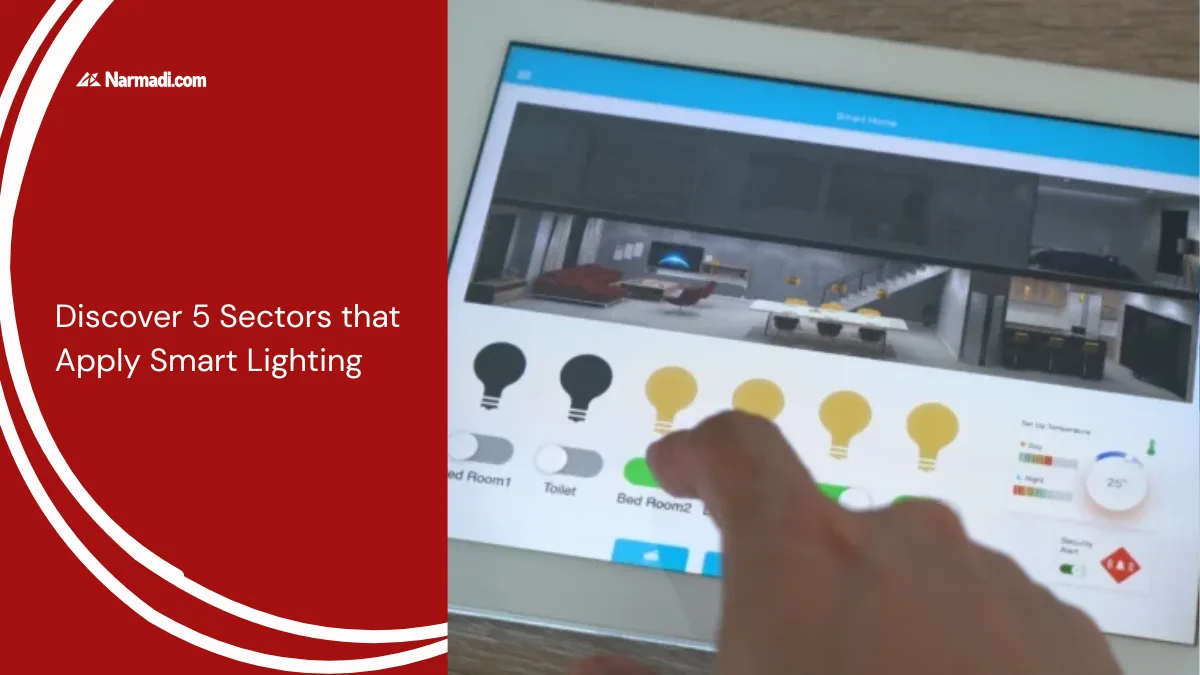
    Smart Lighting is an Internet of Things (IoT) based technology that is currently starting to become popular as a lighting solution. There are various sectors that apply smart lighting to maximize room lighting.

    Not only does it support lighting, but sectors that implement smart lighting also help with efficiency and space safety.

    Do you know what sectors have implemented smart lighting? In this article, we will review various sectors that apply smart lighting to support lighting, efficiency and safety.

    Sectors that Apply Smart Lighting

    Sectors that apply smart lighting do not only think about lighting, but many focus on energy efficiency, comfort, and automation. Here are 5 sectors that apply smart lighting:

    1. Smart homes

    This sector is aimed at individual users who want to increase energy efficiency and comfort in their homes. Because using smart lighting can reduce electricity costs, increase comfort, and create a modern smart home environment.

    With smart lighting, users can increase the automation of lights and save energy by controlling them remotely via smartphones. Smart lighting can even be integrated with other smart devices such as security systems or voice assistants.

    2. City infrastructure (smart city)

    City infrastructure such as public facilities such as roads, city parks, and other public areas, uses smart lighting to meet the needs of automatic lighting systems and increase energy efficiency and public safety.

    Smart lighting in smart cities is useful for reducing operational costs, automating lights based on time, and increasing security in public places.

    3. Office building

    Smart lighting applied to office buildings or shopping centers aims to optimize the lighting in public areas, office spaces, lobbies, and parking areas, as well as monitoring energy use in real time.

     By using smart lighting, building owners can save energy significantly, create more efficient lighting management, and adjust lighting automatically to increase productivity and comfort in the workplace.

    4. Hospitality sector (hotels & restaurants)

    Smart lighting is used by hotel, resort, and restaurant managers to provide a better guest experience by automating lights in rooms, conference rooms, restaurants, and public facilities to provide optimal comfort and reduce unnecessary energy consumption.

    The benefits of smart lighting in this sector can save energy costs, create a comfortable atmosphere for guests, and increase operational efficiency.

    5. Industry and factories

    Managers of industrial facilities, factories, and warehouses use smart lighting for intelligent lighting in production areas, warehouses, and industrial office spaces that adapt to environmental conditions and activity needs.

    The benefits of smart lighting in this sector are increased energy efficiency in large work areas, reduced maintenance costs, and optimal lighting to increase productivity.

    Mesh Networking Architecture and Scalability

    Smart lighting systems are often installed in large spaces, such as multi-story office buildings, industrial warehouses, or urban areas. This presents unique challenges in terms of network architecture.

    In a standard smart home setup, each light is directly connected to the central Wi-Fi router. In contrast, smart lighting systems for businesses rely on mesh networking protocols such as Zigbee or Bluetooth Low Energy (BLE) Mesh.

    In a mesh topology, each smart luminaire serves as both a signal receiver and a repeater (node). This allows control commands to be relayed from one luminaire to another over very long physical distances without requiring high-power transmission or placing a burden on the main local network.

    Large-scale implementation requires low latency and high system reliability. To optimize performance, the following technical factors must be considered:

    First, lighting equipment must be placed within the optimal transmission range so that command packets can be transmitted smoothly without data loss.

    Second, local automation rules (such as motion sensor triggers) must be moved directly to the node cluster so that the system continues to operate smoothly.

    Third, the mesh network needs to be configured to automatically reroute commands if a light loses power or suffers physical damage. This will prevent a single point of failure.e can be useful for those of you who are considering using smart lighting in your home or office.

  • What is Smart Lighting? Learn How It Works and Its Benefits

    What is Smart Lighting? Learn How It Works and Its Benefits

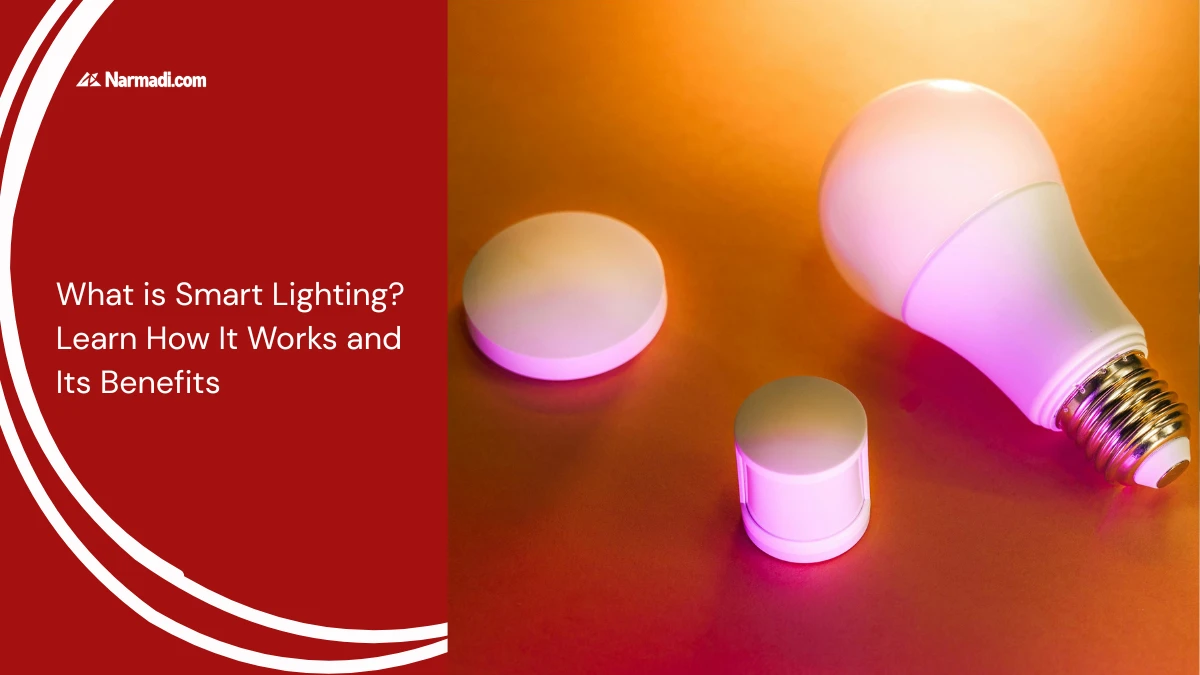
    As technology develops and seeks solutions for energy efficiency, Smart Lighting has emerged. This lighting system is the answer to energy-saving technology.

    Smart Lighting has many benefits for use in homes, offices, and even smart cities.

    But are you familiar with Smart Lighting? In this article, we will review Smart Lighting in terms of its definition, how it works, and its benefits in everyday life.

    What is Smart Lighting?

    Smart lighting is an intelligent lighting system that can be operated automatically and connected to various other technologies.

    This system utilizes sensors and smart devices that allow users to adjust light intensity, color, and time settings according to needs or situations.

    This technology can generally be integrated with smartphone applications, remote controls, or even voice commands. The main goal of smart lighting is to provide more comfort, save energy, and make it easier to regulate lighting in various areas.

    How It Works

    Connection to a Network: Smart lights operate by connecting themselves to a specific network such as Wi-Fi, Bluetooth, Zigbee, or Z-Wave.

    Connection with Other Devices: This network allows smart lights to connect and communicate with other devices, be it smart home assistants, applications on smartphones, or even integrated with smart home appliances.

    Flexibility of Use: The use of smart lights is very flexible because they can be controlled remotely just by using a smartphone or via voice commands.

    Usage Scheduling: Apart from that, smart lights also support a scheduling feature that allows users to set the time when the lights turn on and off automatically.

    The Benefits

    Smart lighting is not only about ease of lighting management but also about energy efficiency, comfort, and security. The following are the main benefits offered by this smart lighting system:

    1. Security improvements

    Smart lighting technology also plays an important role in maintaining security. This system can be set so that the lights turn on automatically when sensors detect movement, which can deter potential threats.

    Additionally, lights can be programmed to turn on and off randomly at night, giving the impression that the home or building is always occupied, helping to deter criminal activity.

    2. Better comfort and aesthetics

    One of the interesting advantages of smart lighting is its ability to create the right atmosphere according to the user’s needs. With changeable color settings and brightness levels, users can create the ideal atmosphere for various activities.

    For example, bright white lighting to help focus while working or soft lighting with warm colors to create a relaxing atmosphere in the bedroom.

    3. Handy remote control

    Smart lighting provides more convenience with remote control capabilities via a smartphone application or voice assistant.

    Users can turn on, turn off, or adjust the lights from anywhere, without needing to be nearby. This feature is very useful when you are traveling or want to change the lighting without having to get up from your seat.

    4. Energy savings

    Smart lighting is designed to optimize energy use by utilizing motion sensor technology and automatic scheduling features. The lights only turn on when needed and turn off when there is no activity, thereby reducing energy consumption and electricity bills.

    In addition, the light intensity setting feature allows users to adjust the brightness according to their needs, such as bright lighting in the work area and soft lighting in the bedroom, creating a comfortable atmosphere with more efficient use of energy.

    Radio Frequency Emission Stability and EMC Compliance

    Smart lighting presents a unique hardware challenge. It is capable of integrating active wireless transceivers such as Wi-Fi, Bluetooth or Zigbee directly with the internal LED driver within a compact lighting circuit.

    High-frequency switching in the power supply can generate electromagnetic interference. This can cause radio signal disruption or light flickering if not properly isolated.

    To ensure the long-term reliability of the hardware, smart lighting devices must undergo type approval certification. These tests and certification procedures are designed to ensure stable Radio Frequency (RF) emissions and robust Electromagnetic Compatibility (EMC).

    Smart devices that meet RF and EMC performance standards are safe to use and do not interfere with other electronic devices in their vicinity. 

    Since 2008, Narmadi Company has been a trusted global partner for type approval certification of ICT and IoT devices. We assist manufacturers, brand owners and distributors in navigating the process effectively and efficiently. This ensures that your smart lighting products can enter the commercial market seamlessly.

  • The Revolutionary Benefits of Smart Air Conditioners That You Shouldn’t Ignore!

    The Revolutionary Benefits of Smart Air Conditioners That You Shouldn’t Ignore!

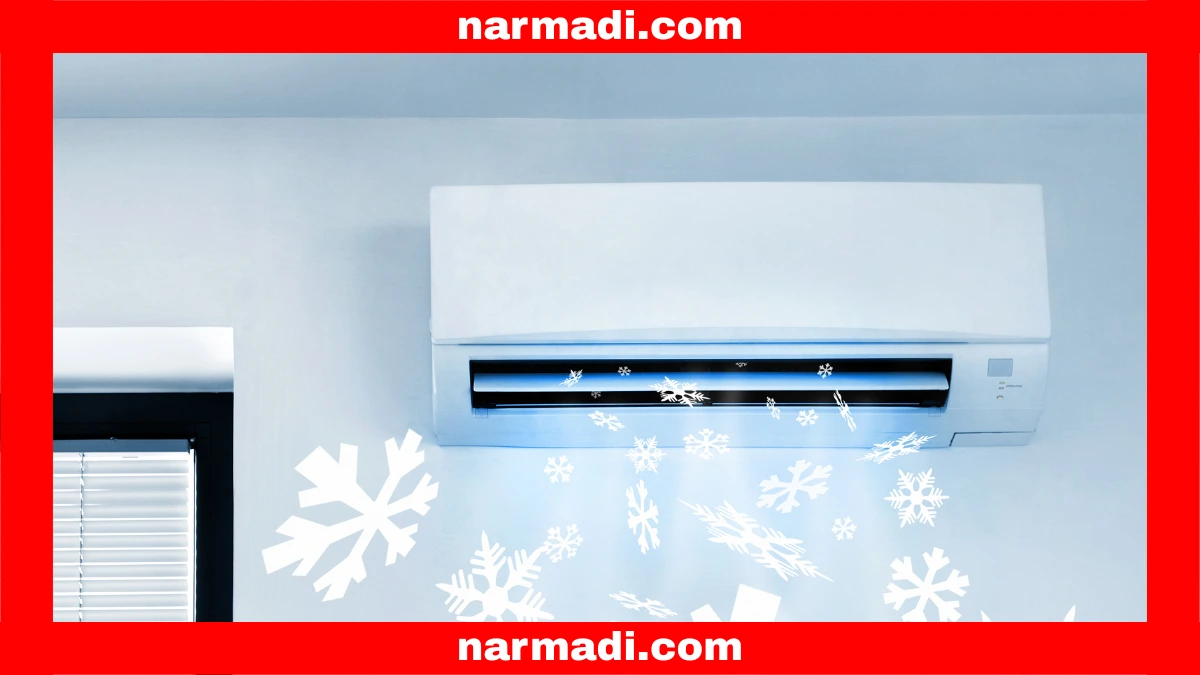
    Smart Air Conditioners are the top choice when selecting an AC in this modern era. This is, of course, due to the various advanced features that you can enjoy from Smart Air Conditioners.

    The benefits of Smart Air Conditioners include comfort, efficiency, and convenience. These are the three things that you will generally enjoy when using this smart device.

    If you’re still unsure why you should switch to this smart device that can automatically regulate temperature, please read this article to the end. We will explain some of the benefits of Smart Air Conditioner that you can consider.

    The Benefits of Smart Air Conditioner

    The Revolutionary Benefits of Smart Air Conditioners That You Shouldnt Ignore! - Update 2

    The benefits of Smart Air Conditioners are what make them so popular, causing many people to switch to using them. Here are the benefits you can enjoy:

    Easier to operate

    The first benefits of using Smart Air Conditioners is that they are easier to operate. The main feature is WiFi connectivity, which allows you to monitor the air conditioner remotely using a smartphone or tablet connected to the internet. Added to that are automatic settings that make it even easier to operate.

    In addition, these smart devices can also determine the temperature by adjusting the outdoor temperature to the room temperature. That way, you don’t have to bother setting it manually. There are also several models that are equipped with connectivity to voice assistants, such as Google Assistant or Amazon Alexa, allowing control via voice commands.  

    Not only that, this device can also be integrated with a smart home ecosystem for greater automation. For example, you can set the air conditioner to turn on automatically and the room lights to turn off when you want to sleep.

    More efficient energy use

    The Revolutionary Benefits of Smart Air Conditioners That You Shouldnt Ignore! - Update 3

    Another benefits of smart air conditioners is their higher energy efficiency. This is because smart air conditioners are equipped with sensors that can detect body temperature and humidity in the room, allowing the system to regulate the room temperature without wasting excess energy. 

    You can also track device usage in real-time through the app. That way, you can adjust your usage patterns. In addition, some models are equipped with a geolocation feature. This feature allows the device to detect your whereabouts. That way, the AC can turn off when you leave and turn back on when you return. 

    Easier to maintain  

    The Revolutionary Benefits of Smart Air Conditioners That You Shouldnt Ignore! - Update 4

    Easier maintenance is another benefit of smart air conditioners. With a maintenance notification feature, it is easier for you to know when to clean the filter or perform service. This will certainly prevent major problems in the future. 

    Some smart AC models also have an automatic maintenance feature that allows the AC to run cleaning or routine maintenance cycles automatically. This reduces the user’s workload in keeping the AC in good condition.

    In addition, these smart devices can detect and analyze problems in real-time. This allows for faster problem-solving and extends the life of the AC unit.

    Get good air quality

    Smart air conditioners provide better air quality than conventional air conditioners. This is due to the presence of filters such as HEPA and carbon filters to filter out dust, pollen, and unpleasant odors. These filters can even filter out other micro-particles such as bacteria and viruses.

    With this capability, these smart devices help create cleaner indoor air. That way, you can enjoy healthy air to breathe. 

    How Much Energy Can a Smart Air conditioner Save?

    One of the benefits of smart air conditioners is that they provide energy efficiency. So, how much energy can be saved? The answer actually depends on the technology and how it is used, but generally smart air conditioners can save between 10% and 65% of energy.

    These savings are made possible by features such as AI-based temperature control, scheduling, and inverters. In addition, temperature can also be optimized with the integration of a smart thermostat. This allows the device to adjust the room temperature according to external conditions.

    Those are the benefits of Smart Air Conditioners that you can consider if you want to switch from conventional AC. The key points of its benefits are comfort, efficiency, and convenience. Hopefully, this article can help you determine the best way to cool your room. [UN]

  • What is a Smart Air Conditioner? Learn Its Features

    What is a Smart Air Conditioner? Learn Its Features

    Technological advances have supported the launch of various smart devices, including Smart Air Conditioners (Smart AC). Not only do these smart devices cool rooms, but they also provide users with a highly interactive experience thanks to their advanced technology and features.

    What distinguishes Smart Air Conditioners from conventional air conditioners is their interactive features. This is what makes them smart, as they can provide automated control and integration with other smart home devices.

    This article will provide information about Smart Air Conditioners, including their definition, features, and applicable usage regulations.

    What is a Smart Air Conditioner?

    Smart Air Conditioners are a type of air conditioner equipped with advanced technology that can be controlled remotely via an internet connection (Wi-Fi) using an app on a smartphone or tablet. This device is designed to provide better control, energy efficiency, and comfort for its users.

    In this case, Smart Air Conditioners not only provide cool air but also offer a better interactive experience for users. Their main features include temperature settings, automatic operation schedules, and smart sensors to optimize energy usage. In addition, smart air conditioners can be integrated with other smart home ecosystems.

    The Features

    Smart Air Conditioners are equipped with various advanced features. Here are some of the main features you will encounter when using them:

    1. Smart sensors

    Smart Air Conditioners are equipped with smart sensors that can detect the temperature and humidity in their surroundings. These sensors will adjust the outside temperature and the room temperature. That way, you don’t have to bother manually adjusting the temperature to get the ideal room temperature. 

    2. Integration with virtual assistants  

    Some smart AC models are equipped with features that can connect to virtual assistants such as Google Assistant or Amazon Alexa. This feature allows you to control the AC using voice commands, providing a more modern, practical, and efficient experience.

    Additionally, smart ACs can also connect to various devices within a smart home ecosystem, creating an integrated and easier-to-manage smart home system. For example, you can set the AC to turn on and the lights to turn off automatically when you want to sleep at night, eliminating the need for manual adjustments.

    3. Remote control via app

    One of the main advantages of a smart AC is its ability to be controlled via a smartphone app. You can adjust the temperature, fan speed, and operating mode from anywhere and at any time.

    This feature is very useful when you want to turn the AC on or off before arriving home or when you are away. That way, you can ensure that the AC is only turned on when needed, thus avoiding energy waste.

    4. Automatic schedule settings

    Smart AC allows you to set the operating schedule according to your daily needs. You can set the AC to turn on or off automatically at a specific time. This will help optimize energy efficiency and ensure comfort when needed.

    5. Energy consumption monitoring

    The energy monitoring feature on Smart AC allows users to track energy usage in real-time. With this information, you can analyze the efficiency of your AC usage and make better decisions in managing energy consumption. As a result, you can reduce the cost of using electronic devices at home.

    How to Choose a Product: Features You Actually Need

    When choosing a smart air conditioner, there are three things you need to consider before buying it, namely installation and maintenance, budget, and suitability. You need to consider installation requirements and long-term costs, such as service and spare parts availability.

    Budget is the most crucial factor, as it will determine the features you get. If you want to have many features, of course, you need to spend more money. Features you typically prioritize include inverter technology, cooling capacity, and smart connectivity (WiFi, app control, and voice assistants) for convenience.

    The last thing you need to consider is the compatibility of smart features and apps with the smart devices you already have at home. This is very important if you want to integrate them into a smart home ecosystem for greater automation.

    Ensuring Wireless Reliability and Technical Compliance

    Smart air conditioners fall under the classification of radio frequency (RF) telecommunications devices. Why is that? This is because they contain built-in Wi-Fi and Bluetooth modules used to communicate with home networks and smartphones.

    This means that type approval certification is required before the product can be marketed and used in a country. The certification process involves comprehensive testing of wireless components, including RF testing, electromagnetic compatibility (EMC) testing, and safety testing.

    The aim is to ensure that AC wireless signals are stable, operate within permitted frequency bands, and do not cause interference with other household electronic devices.

    As an experienced partner in the field of type approval certification since 2008, Narmadi Company assists manufacturers, distributors and importers in navigating this process. As a result, your Smart Air Conditioning products will meet all regulatory standards and be fully ready for distribution to your target market.