Author: Muhammad Rifqi Rihza Rahman

  • Digital Audio Broadcasting Advantages and Disadvantages

    Digital Audio Broadcasting Advantages and Disadvantages

    Currently, Digital Audio Broadcasting (DAB) is widely found in everyday life. Of course, DAB is widely used because of its many advantages.

    But of the many advantages of Digital Audio Broadcasting, of course, it still has disadvantages that need to be considered.

    The advantages of Digital Audio Broadcasting include audio quality to the low transmission power it has. The disadvantages of DAB include disruptive interference to higher battery consumption.

    This article will explain in more depth the advantages and disadvantages of Digital Audio Broadcasting that you can consider before using it.

    Digital Audio Broadcasting Advantages and Disadvantages
    Digital Audio Broadcasting (DAB) 5 The Advantages and Disadvantages 2

    Advantages

    The following are the benefits or advantages of DAB (Digital Audio Broadcasting):

    1. High-quality audio services

    DAB provides superior audio quality comparable to that of CD-quality sound, which is much clearer and richer than traditional AM or FM broadcasts. This results in a more enjoyable listening experience for users.

    2. Compatibility with various receiver types

    The DAB system is versatile and supports a wide range of equipment, including fixed, portable, and mobile receivers. This adaptability allows users to enjoy high-quality broadcasts whether they are at home, on the move, or in their vehicles.

    3. Efficient use of frequency spectrum

    DAB utilizes the frequency spectrum more efficiently compared to traditional analog broadcasting methods. This efficient usage leads to the availability of more channels within the same bandwidth, promoting better utilization of limited-frequency resources.

    4. Flexible bit rate support

    DAB supports flexible bit rates ranging between 8 to 384 Kbps. This adaptability allows broadcasters to select the most appropriate bit rate depending on the type of content being transmitted, ensuring an optimal balance between audio quality and bandwidth efficiency.

    5. Low transmission power requirement

    The DAB system is designed to operate with lower transmission power compared to analog systems. This not only reduces operational costs for broadcasters but also contributes to reduced energy consumption, making it a more environmentally friendly option.

    Disadvantages
    Digital Audio Broadcasting (DAB) 5 The Advantages and Disadvantages 3

    The following are the drawbacks or disadvantages of DAB (Digital Audio Broadcasting):

    1. More disruptive interference compared to FM

    While DAB is generally more robust against interference than FM, when interference does occur, it tends to be more noticeable and disruptive. Unlike FM interference, which may result in minor hissing or static, DAB interference can cause sudden and complete audio dropouts or signal degradation.

    This abrupt disruption is often considered more irritating for listeners who are accustomed to the more gradual degradation experienced with FM signals.

    2. Potential compatibility issues with older equipment

    Since DAB technology is relatively new compared to AM and FM broadcasting, older radio receivers are not compatible with DAB signals.

    Listeners who want to access DAB broadcasts must invest in new DAB-compatible receivers, which can be costly. Additionally, DAB technology continues to evolve, potentially leading to compatibility issues with earlier models of DAB receivers as newer standards are introduced.

    3. Reduced audio quality at low bit rates

    While DAB can deliver high-quality audio, this depends largely on the bit rate used by broadcasters. To fit more channels within the available bandwidth, some broadcasters may choose to lower the bit rate of individual channels, which can compromise sound quality.

    As a result, users may encounter compressed audio with reduced clarity and detail, especially when compared to high-quality FM broadcasts.

    4. Coverage limitations in remote areas

    Although DAB offers broader coverage compared to FM in many regions, it is still not universally available. Remote or rural areas may have limited DAB coverage, which means that listeners in those locations may not be able to enjoy the benefits of digital broadcasting.

    This limitation can be especially frustrating for users who have invested in DAB receivers only to find they cannot access desired content due to insufficient coverage.

    5. Higher battery consumption

    One of the significant disadvantages of DAB radios is their higher power consumption compared to traditional AM/FM radios. DAB receivers require more processing power to decode digital signals, which results in faster battery drain, particularly in portable or handheld devices.

    This increased power demand can be inconvenient for users who rely on battery-operated radios, as they may need to recharge or replace batteries more frequently, potentially leading to higher costs and reduced convenience.

    These are the 5 advantages and disadvantages of Digital Audio Broadcasting that can be your consideration before you use it. Hopefully, this article can help you to find the best way to hear the audio broadcasting. [UN]
  • What is Digital Audio Broadcasting? Learn the History and Its Features

    What is Digital Audio Broadcasting? Learn the History and Its Features

    Digital Audio Broadcasting (DAB) has now expanded to several media that we use. DAB is a digital radio broadcasting technology that uses digital transmission.

    Digital Audio Broadcasting is, of course, different from FM radio, which uses radio wave transmission.

    Digital Audio Broadcasting has many features, from enjoying digital radio on demand to Wake Up to Your Favorite Tunes with the Alarm Clock Feature.

    In this article, we will explain the meaning of Digital Audio Broadcasting, including its history, features, and regulations in Indonesia.

    What is Digital Audio Broadcasting?

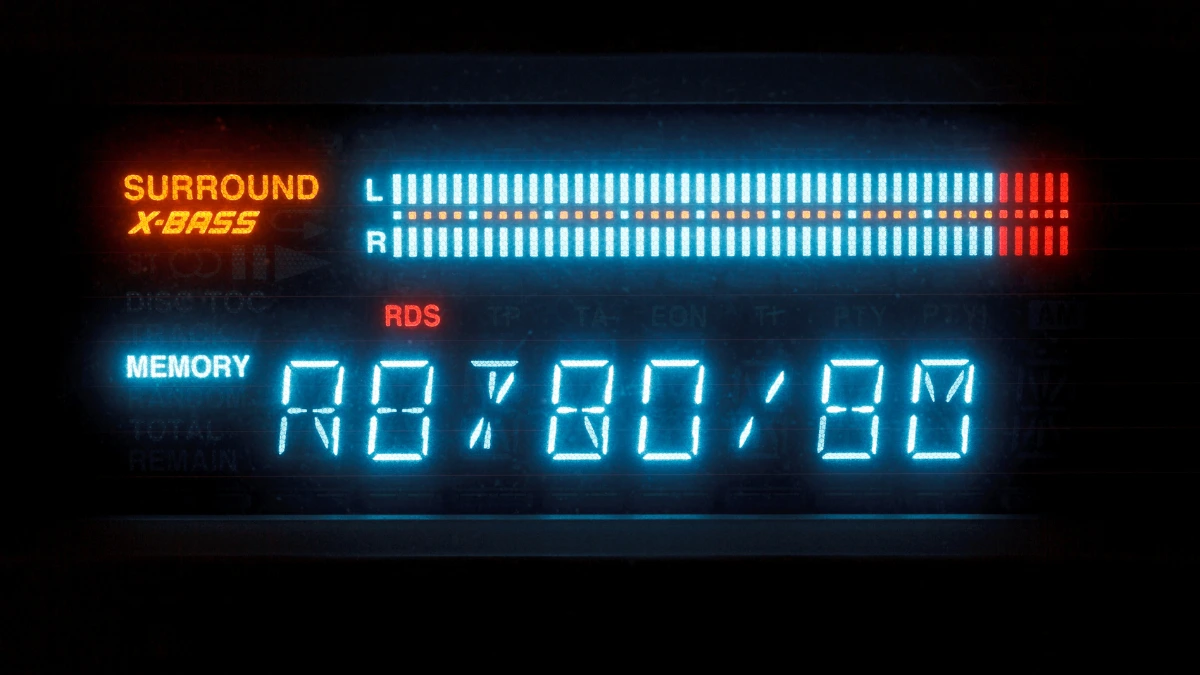
    Digital Audio Broadcasting (DAB), particularly in its latest format, DAB+, is a digital radio technology designed to replace traditional analogue broadcasting.

    Unlike FM or AM radio, which rely on analogue radio waves, DAB transmits audio in the form of compressed digital data. This ensures a consistent, high-quality audio experience free from background noise.

    Tuning into radio stations is also much easier. Instead of having to memorise frequencies manually (such as 100.7 FM), users can simply select stations by name from an alphabetical list displayed on their receiver’s screen.

    Furthermore, DAB signals can include rich metadata alongside the audio stream. This means the screen can display song titles, artist names, weather reports and news updates in real time.

    History 

    Digital Audio Broadcasting (DAB) started as a European research project called Eureka-147 in the 1980s. The Norwegian Broadcasting Company (NRK) launched the world’s first DAB channel, NRK Klassisk, on 1 June 1995. The BBC and Swedish Radio (SR) followed suit by launching their first DAB broadcasts at the end of the same year.

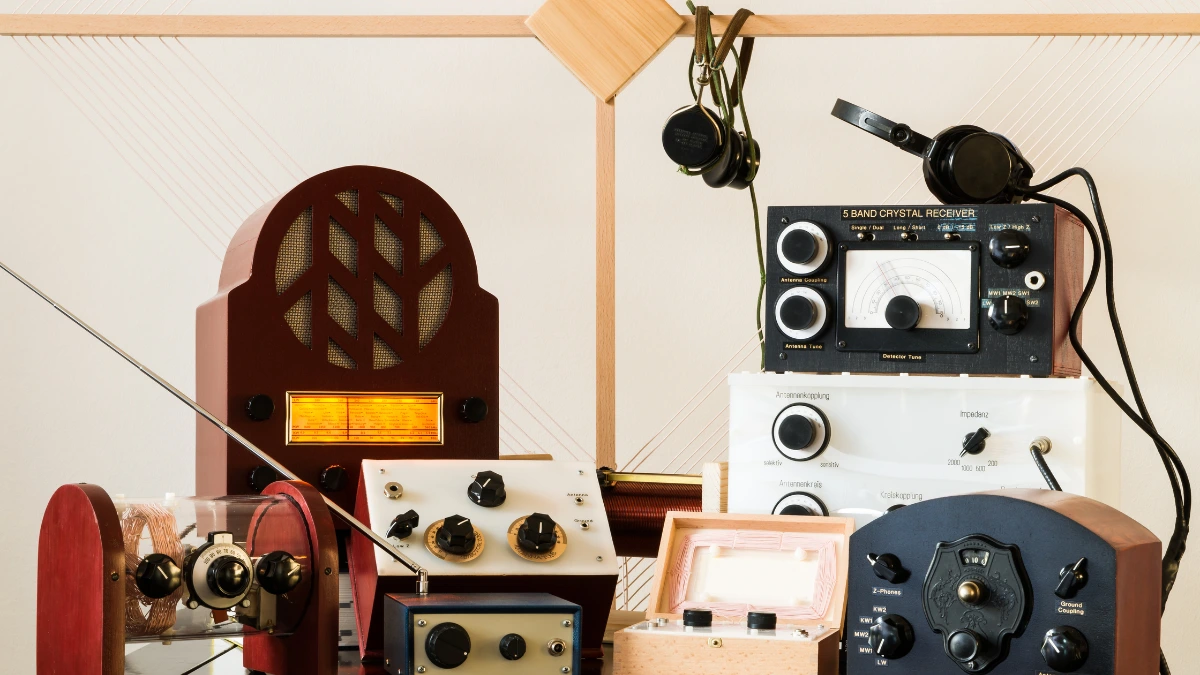
    Since the late 1990s, DAB receivers have been available in many countries. Initially, DAB used the MP2 audio codec. However, a more advanced version of this system was released in February 2007 under the name DAB+, which uses the more efficient and powerful HE-AAC v2 (AAC+) audio codec. It should be noted that DAB is not compatible with DAB+, so older DAB receivers cannot receive DAB+ broadcasts.

    The Feature 

    A DAB radio offers much more than just a way to tune in to your favorite radio stations. Modern DAB radios are designed with a range of impressive features aimed at enhancing your listening experience and offering greater versatility. Here are the features of Digital Audio Broadcasting:

    1. Digital radio on demand

    High-end DAB radios let you record shows and listen whenever you want. Some even allow you to pause, rewind, and replay live radio, so you never miss anything important. Perfect for busy listeners or those who want to replay special broadcasts.

    2. Multi-functional connectivity

    Many modern DAB radios also double as versatile smart speakers. Devices equipped with Bluetooth or Wi-Fi connectivity allow users to switch seamlessly from one music platform to another. For example, from a digital radio station to streaming platforms such as Spotify or Apple Music.

    3. Integrated home audio integration

    The DAB receiver can be integrated into an existing home audio system using a line-out connection or a wireless protocol. Integration with high-quality speakers ensures a clearer, interference-free sound.

    4. Smart alarm and sleep functions

    DAB radios often come with a dual alarm clock function. This feature allows users to wake up to their favourite digital stations rather than a loud alarm. There is even a timer for nighttime listening.

    Ensuring Frequency Integrity and Market Compliance

    As previously mentioned, Digital Audio Broadcasting (DAB) is equipped with advanced radio frequency (RF) modules, Wi-Fi and Bluetooth chips. These features require type approval certification.

    Testing and certification will assess Electromagnetic Compatibility (EMC), Radio Frequency (RF) stability, and safety. The aim is to ensure that the device operates efficiently without causing or experiencing frequency interference.

    Certified devices are legal, safe and do not interfere with other devices. This ensures that the promise of interference-free signal reception on DAB is fulfilled.

    As a partner in the field of type approval certification since 2008, Narmadi Company assists manufacturers and importers in navigating this process for telecommunications equipment, including DAB. This ensures that your digital audio devices meet technical standards and are fully ready for sale in the destination country.

  • Thailand:New Regulation of Digital Audio Broadcasting

    Thailand:New Regulation of Digital Audio Broadcasting

    Thailand’s National Broadcasting and Telecommunications Commission (NBTC) set up the new regulation of Digital Audio Broadcasting that was published on October 31, 2024.

    The new procedure of NBTC BS 3004-2567 introduces conformity requirements for digital receivers to improve product quality and ensure compatibility with Thailand’s broadcasting standards.

    The new regulation of Digital Audio Broadcasting notification introduces specific guidelines for manufacturers, ensuring compliance with technical and user accessibility standards.

    Focal Points of the New Regulation of Digital Audio Broadcasting

    Conventional FM/AM receivers

    Conventional FM/AM receivers without computerized (Dab) capabilities are not required to look for endorsement. These gadgets will proceed to work without the requirement for endorsement once the new standard takes impact.

    FM/AM/DAB receivers

    FM/AM/DAB receivers do not as of now require endorsement. In any case, once the specialized standard is in impact, these gadgets will require NBTC SDoC (Supplier’s Declaration of Conformity) certification.

    The Impact of This New Regulation

    Thailand NBTC Establishes a New Regulation of Digital Audio Broadcasting Radio Receivers 2

    The standard pertains to digital audio broadcasting (DAB) radio receivers that utilize MPEG-4 high-efficiency advanced audio coding version 2 (MPEG-4 HE-AAC v2). It outlines the specifications for the following types of receivers:

    • Automotive receivers and replaceable modules
    • Domestic or portable receivers
    • DAB receivers used with adapters for analog in-vehicle systems

    This standard does not include integrated digital receivers like those connected to computers via dongles, PCI cards, and similar devices.

    Dual Certification Under the NBTC Standard

    Products with numerous functionalities (e.g., Bluetooth, Wi-Fi, and DAB radio receivers) must get isolated endorsements for each work from diverse divisions:

    • Telecommunication Department: For telecommunication highlights, such as Wi-Fi, Bluetooth, RFID, and WWAN.
    • Broadcasting Department: For advanced broadcasting highlights, counting DAB receivers.

    Products with combined capacities (e.g., DAB receivers with Bluetooth/Wi-Fi) will require two isolated SDoCs:

    • One SDoC for the telecommunication functions (Wi-Fi/Bluetooth).
    • One SDoC for the broadcasting functions (DAB receiver).

    Key Compliance Dates for New Regulation of Digital Audio Broadcasting

    Thailand NBTC Establishes a New Regulation of Digital Audio Broadcasting Radio Receivers 3

    The execution timeline for the new regulation of Digital Audio Broadcasting is as follows:

    • For Other Digital Broadcasting Radio Receivers: Compliance is required within 120 days (effective February 28, 2025).
    • For Digital Broadcasting Radio Receivers in New Vehicles: Compliance is required within 1 year (effective October 31, 2025).

    Getting Ready for Compliance with NBTC BS 3004-2567

    To adhere to the new technical standard, manufacturers and importers should take the following actions:

    • Review Product Specifications: Verify that your products meet Thailand-specific requirements, including Thai Profile language compatibility and user manual translation.
    • Obtain Comprehensive Test Reports: Prepare detailed test reports covering all aspects of the NBTC standard, ensuring they address both telecommunication and broadcasting functionalities if applicable.
    • Prepare for Dual SDoCs: For multifunctional devices, plan to obtain separate approvals from both relevant NBTC departments.
    • Stay Informed: Keep track of NBTC updates and ensure compliance timelines are met to prevent delays in market access.

    The New Regulation of Digital Audio Broadcasting of course impacts type approval and market access requirements, imports, customs, trade, market surveillance, and technical standards.

    If you find a difficult to arrange the testing process and the NBTC certification for the Digital Audio Broadcasting Radio Receiver products just contact us to help with your problem. [UN]

  • What is a Smart Refrigerator? Learn How It Works and Its Features

    What is a Smart Refrigerator? Learn How It Works and Its Features

    Smart refrigerators, as an innovation, bring many conveniences to their users. This refrigerator is even equipped with Internet of Things (IoT) technology.

    With IoT, smart refrigerators pamper their users with many features that can be used to support their activities.

    Do you know how a smart refrigerator works and what features you can use?

    In this article, we will provide more in-depth information about smart refrigerators in terms of how they work, features, and regulations in Indonesia.

    What is a Smart Refrigerator?

    A smart fridge is a refrigerator enhanced with cutting-edge technology designed to provide innovative features and functionalities.

    What makes it smart? Its impressive features! These typically include WiFi connectivity, voice control, and seamless integration with other smart home devices. Using a smart fridge offers various advantages that enhance convenience and efficiency in your daily life.

    Additionally, many smart fridges allow you to tailor their settings to suit your personal preferences and lifestyle. With just a few taps on the interface, you can easily adjust temperature, humidity, and other settings to create the ideal environment for preserving your food and beverages.

    How it Works?

    The way a smart refrigerator works is quite simple; it is embedded with an operating system (OS). In this operating system, several IoT elements are implemented.

    The operating system works like a human by combining AI technology. With AI, all information and data that have been collected are then processed to carry out the requested command.

    For example, when you want to check the availability of water in the refrigerator. You don’t have to open the refrigerator to check the availability of water in the refrigerator as usual. On a smart refrigerator, you can check it directly by pressing the touch screen on the outside; then information on water availability will appear.

    The Features 

    1. Energy efficiency

    Smart refrigerators use advanced AI technology to improve energy efficiency compared to conventional models. Features such as energy-saving mode and temperature control algorithms are designed to monitor your door opening and closing habits and optimize cooling.

    In addition, smart refrigerators can connect to the electricity grid schedule and regulate their operation during off-peak hours to reduce electricity costs.

    2. Entertainment options

    Some smart refrigerators come with built-in entertainment features, such as streaming music or TV shows. This way, the time you spend in the kitchen becomes more enjoyable by watching your favorite shows or listening to music.

    3. Voice Control Integration

    Compatible with popular virtual assistants such as Amazon Alexa and Google Assistant, smart fridges allow for hands-free operation. You can set timers, add items to your shopping list or check the weather using simple voice commands whilst your hands are busy cooking.

    4. Provide recipe suggestions

    Thanks to artificial intelligence (AI), many smart refrigerators can provide recipe recommendations based on the ingredients available inside.

    With this feature, you can find cooking ideas without having to make an impromptu trip to the grocery store.

    5. Inventory management

    Many smart refrigerators are equipped with features to monitor the contents inside and provide alerts when supplies are running low.

    This helps you avoid running out of certain groceries and prevents purchasing unnecessary items.

    Ensuring Market Compliance for Smart Home Appliances

    As previously mentioned, smart fridges rely on radio frequencies to operate their Wi-Fi and Bluetooth modules when communicating with users’ devices. Telecommunications devices of this kind require type approval certification to ensure they operate safely within the frequency spectrum designated for a particular country.

    Testing and certification will ensure that the wireless components in these devices comply with national standards relating to electromagnetic compatibility and safety. This means that certified devices are guaranteed to be lawful, safe to use, and do not interfere with other devices.

    As an experienced type approval service partner since 2008, Narmadi Company assists manufacturers, distributors and importers in navigating the type approval certification process efficiently. We will ensure that your smart home devices meet the legal requirements and are ready for sale in the destination country.

  • Advantages and Disadvantages of Using Dishwasher

    Advantages and Disadvantages of Using Dishwasher

    Dishwasher technology has gained significant popularity in recent years, as evidenced by its widespread presence in many households. When you decide to use a dishwasher, there will, of course, be considerations about its advantages and disadvantages.

    The advantages and disadvantages of using dishwasher include saving time and energy, optimal cleaning, the risk of damage to kitchen appliances, and the requirement of a large amount of space.

    If you intend to purchase an appliance for household use, this article will help you consider the advantages and disadvantages of using dishwasher before making a purchase.

    The Advantages and Disadvantages of Using Dishwasher

    Like other electronic devices, dishwashers have several advantages that can be utilized and disadvantages that need to be considered. The advantages include saving time and energy, optimal cleaning, and maintaining healthy skin.

    On the other hand, the disadvantages include the risk of damage to kitchen appliances, the requirement of a large amount of space, and the fact that special dishwashing detergent is more expensive. The following are the advantages and disadvantages of using dishwasher:

    The Advantages

    Here are the four advantages of using dishwasher:

    1. Save time and energy

    Dishwashers are the perfect solution for those with limited free time. With just the push of a button, you can save the time you would normally spend washing dishes by hand. Washing dishes becomes easier and more practical.

    2. Maintain healthy skin

    The 4 Advantages and Disadvantages of Using Dishwasher That You Wanted to Know 2

    By using dishwasher, your hands will not be directly exposed to detergent and kitchen utensils. This prevents dry and rough skin, unlike when washing dishes manually. That way, your skin health is better maintained.

    3. Optimal cleaning

    Using dishwasher improves the level of cleanliness when washing dishes, as it can reach temperatures of up to 140°F. This ensures that your kitchen utensils are thoroughly sterilized during the washing and rinsing process. You don’t have to worry about unclean washing and germs remaining.

    4. Measured water usage  

    Water usage when using dishwasher is measured because it only uses a certain amount of water. Of course, you don’t waste water when washing. This saves water and contributes positively to environmental conservation efforts. 

    The Disadvantages

    Here are the four disadvantages of using dishwasher:

    1. Risk of damage to kitchen appliances

    The high temperature and pressure of dishwashers can cause certain kitchen appliances made from specific materials to crack or even break. Therefore, pay close attention to the types of kitchen appliances that can and cannot be washed in a dishwasher. This is important to prevent damage to your kitchen appliances.

    2. Requires a large amount of space  

    The 4 Advantages and Disadvantages of Using Dishwasher That You Wanted to Know 3

    Dishwashers are large enough to occupy a significant amount of space in your kitchen. Therefore, you need a large amount of space to place one. If your kitchen is not large enough, ensure there is sufficient space to comfortably accommodate the machine. 

    3. Special dishwashing detergent is more expensive  

    When using dishwasher, avoid using the dishwashing detergent typically used for hand-washing dishes. Dishwashers require a special detergent that is designed for the washing process. This detergent is usually more expensive than regular dishwashing detergent.  

    4. Increased electricity bills  

    Using dishwasher can save time and energy, but on the other hand, operating this machine can increase electricity costs. This is especially true if the dishwasher is used frequently. Therefore, you need to be wise in using it to avoid a drastic increase in your electricity bill.

    Those are the 4 advantages and disadvantages of using dishwasher that need to be considered before deciding to use one. Despite their limitations, dishwashers offer to save time and energy, provide optimal cleaning, maintain healthy skin, and measure water usage. [UN]

  • 5 Ultimate Tips for Flawless Dishwasher Maintenance

    5 Ultimate Tips for Flawless Dishwasher Maintenance

    Routine maintenance is essential when you own electronic appliances. This is especially true for frequently used appliances, such as dishwashers.

    This appliance, used to clean tableware, also requires regular cleaning. This helps maintain both the cleanliness and performance of the machine itself.

    Cleaning your dishwasher is essential regardless of how advanced the model you use is. Whether it’s a smart dishwasher or a conventional one, both need to be maintained to ensure they continue to operate smoothly.

    Do you already know how to properly maintain your dishwasher? In this article, we’ll share 5 ultimate tips for flawless dishwasher maintenance.

    Steps to Dishwasher Maintenance

    Make sure to clean your dishwasher by following these steps:

    1. Clean the dishwasher filter regularly

    The dishwasher filter is an important part of the appliance. If it isn’t cleaned, dirt will build up and cause unpleasant odors.

    To clean it, set aside a few minutes each month. Check the user manual before cleaning to determine the type of filter used.

    If your dishwasher uses a manual filter, you’ll need to remove it for a thorough cleaning. The filter is usually located at the bottom of the unit, beneath the lower spray arm.

    The filtration system may consist of a flat filter at the bottom and a cylindrical filter at the top. Carefully remove both filters, then wash them by hand with soap and warm water to maintain optimal performance.

    2. Clean the dishwasher seal

    In addition to the dishwasher filter, another part where dirt residue often accumulates is the rubber seal or gasket around the door. To prevent buildup, you’ll need to clean it as well.

    When cleaning the dishwasher gasket, be sure to also check for any dirt buildup in the detergent compartment door. A clean gasket will help keep your dishwasher in good condition at all times.

    3. Clean the spray arms

    The spray arms on your dishwasher need to be cleaned both on a short-term and long-term basis. In the short term, you should clean them at least once a month using a damp cloth. This is necessary to prevent damage down the road.

    For long-term maintenance, you should clean it every six months. During this cleaning, the spray arm must be removed, and any clogs in the nozzles should be cleared using a toothpick.

    4. Use dishwasher salt and rinse aid

    When cleaning the dishwasher, you need to add salt to control water hardness. In addition, this can also prevent limescale buildup inside your dishwasher. 

    The salt container needs to be refilled whenever the indicator light signals that it’s time. When refilling, always be sure to use the funnel provided.

    Carefully clean up any spilled salt granules or brine inside the machine. This will help protect your dishwasher from potential corrosion.

    5. Plan Your Cleaning Routine

    We’ve already mentioned the best times to clean your dishwasher. However, this task is often neglected because it’s not exactly fun.

    One thing to keep in mind: cleaning your dishwasher is essential to keeping it in top condition for years to come. This should be done regularly, ideally once a month. That way, your dishwasher will perform optimally and have a long service life.

    Why Does My Dishwasher Smell Bad Even After Cleaning?

    You’ve cleaned your dishwasher, but it still smells? Of course, this is frustrating. By identifying the root cause, you can prevent unpleasant odors from recurring.

    Here are some common reasons why a dishwasher may still smell even after being cleaned:

    • Food residue stuck in the filter: This is why the step mentioned in point one is so important. You need to remove the filter and clean it thoroughly, making sure no residue remains. 
    • Dirt buildup inside the drain hose: To clean this part, you’ll need to use dishwasher-safe cleaning tablets. You can also run a wash cycle with vinegar to clean it.
    • Mold or mildew on the door seal: Damp folds in the seal are a common source of musty odors. Wiping it dry after each use can prevent this.
    • Standing water at the bottom of the unit: Water that doesn’t drain properly can cause a rancid smell. Make sure the drain isn’t clogged and that the unit is level.

    If the odor persists after addressing these areas, you should consult your dishwasher’s specific user manual. Your dishwasher model may have a filter or additional components not covered in the general maintenance steps.

    Those are the 5 steps you can take to maintain your dishwasher. Doing them regularly will keep it in top condition and help you avoid unwanted problems down the road. So, don’t forget to schedule regular maintenance for your dishwasher!