Author: Muhammad Rifqi Rihza Rahman

  • What is Body Control Module? Learn How it Work

    What is Body Control Module? Learn How it Work

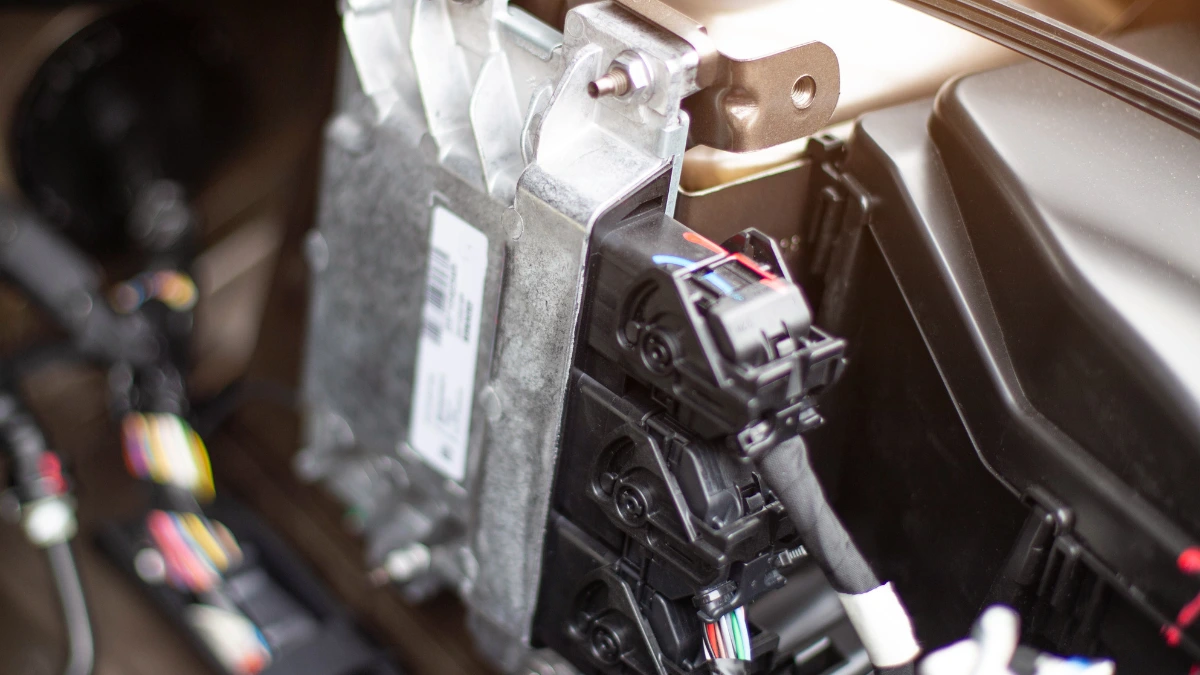
    The Body Control Module (BCM) is part of the Electronic Control Unit (ECU) type. The Body Control Module in the Electronic Control Unit functions as a component whose job is to regulate the performance of the car’s electrical system.

    The Body Control Module has a quite crucial role as a modern automotive system in the Electronic Control Unit.

    In this article, we will provide more information about the Body Control Unit, which is the fundamental part of the Electronic Control Unit in terms of its function, how it works, and its main functions.

    Electronic Control Unit
    Body Control Module Explained The Backbone of Modern Automotive Systems 5

    An Electronic Control Unit (ECU) is a component that forms an electronic circuit and is capable of controlling actuators to replace mechanical systems. The electric control unit in this car has a very important role in regulating fuel supply usage.

    In other words, the electric control unit in the car will regulate the vehicle engine and control the performance of the vehicle engine.

    Functions of Electric Control Units in Cars

    The function of the ECU in the car itself is to control the actuator such as mixing fuel, measuring achievement time, engine rotation speed, and also mixing air with fuel which was previously carried out by the car’s mechanical system.

    Basically, the electrical control unit in a car engine is one of the core components that is able to determine the amount of fuel supplied by the engine.

    By using a computer system, it will be easier for the electric control unit to receive data move the car engine according to the required dosage, and determine the duration of the fuel injector injection.

    Type of Electronic Control Unit

    The ECU in a car consists of various components that are interrelated to ensure optimal performance of the electrical control unit. The following are some of the components:

    • TCM (Transmission Control Module): Regulates transmission shifts in cars with automatic transmission based on engine RPM and driving conditions.
    • ECM (Engine Control Module): Manages engine performance, including starting, cooling, and spark ignition processes.
    • BCM (Body Control Module): Regulates the car’s electrical system so that the flow of power from the engine to the wheels functions efficiently, usually located in the four-wheel drive system.
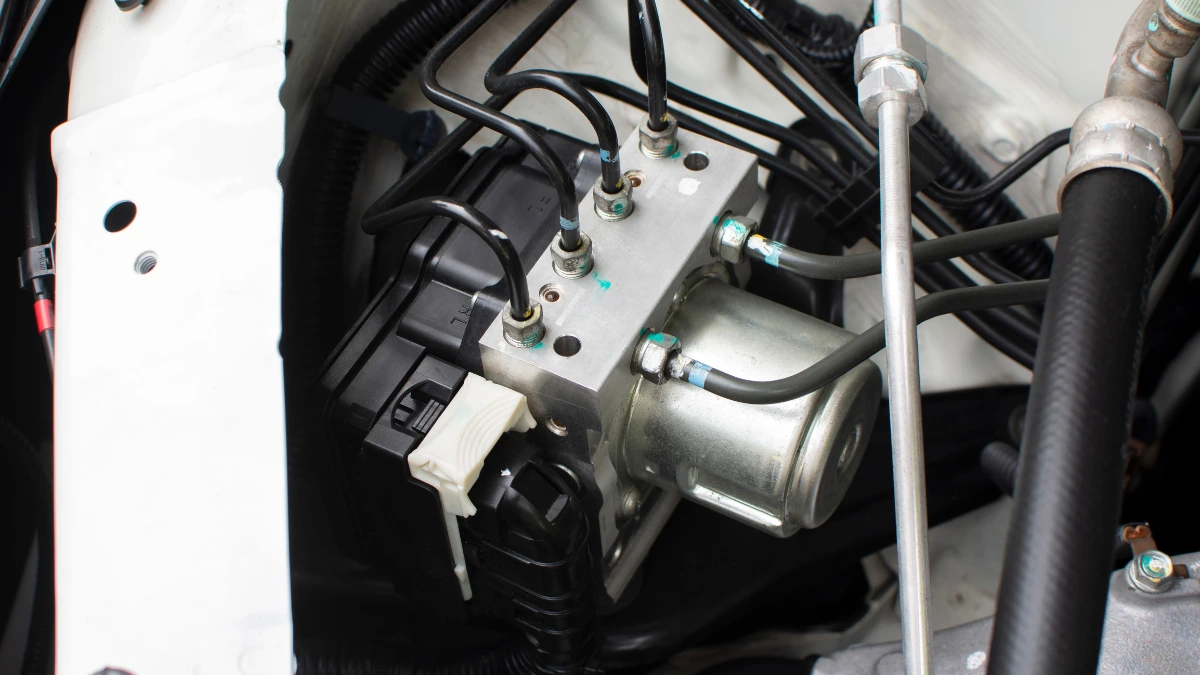
    • ABS Control Module: Prevents wheel slip and regulates braking in slippery areas, playing an important role in driving safety.
    • Airbag Control Module: Activates the airbag when a strong impact is detected via an automatic sensor, increasing passenger safety.

    What is Body Control Module?
    Body Control Module Explained The Backbone of Modern Automotive Systems 3

    The Body Control Module (BCM) is an important electronic component in modern vehicles that is responsible for regulating and managing various non-engine electrical functions.

    This module acts as a control center that integrates various electrical systems to work efficiently and coordinate.

    How Does it Work

    As one of the fundamental components in the ECU, BCM has a fairly simple way of working. Here’s how BCM works:

    • The BCM receives data from various sensors connected to the BCM.
    • BCM regulates the operation of the systems it controls based on input received from sensors and switches.
    • The BCM generates a response to the signal received from the input device.
    • BCM manages various body, interior, comfort, and safety functions in the vehicle.

    The Functions

    1. Lighting system setup

    BCM controls the entire vehicle lighting system, including headlights, taillights, turn signals, cabin lights, and hazard lights.

    This module ensures the lights turn on or off according to commands from the driver or automatic settings (such as light sensors for automatic headlights).

    2. Horn operation

    The BCM also controls the horn function, which is part of the safety system to provide warnings to other road users.

    3. Wiper settings

    Body Control Module Explained The Backbone of Modern Automotive Systems 4

    The BCM regulates front and rear wiper operation, including wiper travel speed and interval function, as well as glass washer water spray control.

    4. Entertainment and comfort systems

    This module is responsible for managing entertainment functions in the vehicle, such as audio, information screens, and various controls on the dashboard.

    5. Door locking and window settings

    BCM controls the automatic door locking system, central locking, and also the operation of the electric windows.

    6. Alarm and security systems

    This module is connected to vehicle security systems, such as anti-theft alarms, motion sensors, and immobilizer keys to prevent theft.

    7. Connectivity with other systems

    The BCM interacts with other module in the vehicle via a communications network such as the CAN Bus, enabling fast data transfer and synchronization between systems.

    Now we know the meaning of the Body Control Module, how it works, and its function, which is a fundamental part of the Electronic Control Unit.

    If you are a BCM device distributor looking to enter the ASEAN market, our type approval service for ITC products is a necessary step. With their ability and validity, the certification handle will be less demanding and quicker. For the smooth running of your business, don’t hesitate to utilize their services! [UN]

  • Benefits of Telematics Control Unit in Modern Living

    Benefits of Telematics Control Unit in Modern Living

    Modern vehicles have a small computer inside called a Telematics Control Unit (TCU). The benefits of Telematics Control Unit include reporting almost all details of the condition, location, or use of your vehicle.

    The technology will monitor data about your vehicle’s status, resulting in the benefits of a Telematics Control Unit that can analyze various details, including fuel usage, tire pressure, idling time, engine codes, and more.

    The benefits of Telematics Control Units are numerous, we may even feel their application in everyday life.

    In this article, we will provide more in-depth information regarding the benefits of Telematics Control Unit and its application in daily life.

    Benefits of Telematics Control Units

    The Game-Changing Benefits of Telematics Control Unit in Modern Living 2

    The Telematics Control Unit (TCU) plays a critical role in modern vehicles, particularly within the realms of connected vehicles and fleet management. Here are the benefits of Telematics Control Unit:

    1. Enabling Real-Time Tracking

    A key functionality of TCUs is real-time tracking, which allows fleet managers to monitor the precise location of their vehicles at any moment. This feature is invaluable for logistics and transportation companies, optimizing route planning, reducing fuel consumption, and boosting overall fleet efficiency.

    Additionally, in the event of vehicle theft, the TCU’s tracking capability plays a critical role in recovery efforts, providing essential data for locating the stolen vehicle.

    2. Supporting Predictive Maintenance

    Through continuous monitoring of a vehicle’s health, TCUs facilitate predictive maintenance. By analyzing data related to engine performance, fluid levels, brake condition, and other critical factors, the system can anticipate potential issues before they escalate.

    For instance, if the TCU detects unusual engine vibrations, it might predict an impending fuel pump failure, triggering an alert to check and replace the pump before a complete breakdown occurs. This proactive approach minimizes downtime, reduces repair costs, and extends the vehicle’s overall lifespan.

    3. Enhancing Vehicle Safety

    The Game-Changing Benefits of Telematics Control Unit in Modern Living 3

    TCUs significantly contribute to vehicle safety by continuously monitoring various parameters and driver behavior in real time. They can detect issues such as engine malfunctions, abnormal tire pressure, or erratic driving patterns and immediately send alerts to drivers or fleet managers. This early-warning capability helps prevent accidents and ensures timely maintenance to enhance safety.

    4. Building Connected Vehicle Ecosystems

    As vehicles become increasingly connected, TCUs function as the central communication hub linking external networks and devices. They enable capabilities like over-the-air (OTA) software updates, remote diagnostics, and seamless integration with smart city infrastructure.

    This high level of connectivity supports various applications, from enhanced infotainment systems to vehicle-to-everything (V2X) communication, laying the foundation for advancements in autonomous driving and intelligent transportation systems.

    The Application of Telematics Control Unit

    The Game-Changing Benefits of Telematics Control Unit in Modern Living 4

    TCUs are essential tools for fleet managers to efficiently manage large numbers of vehicles. The most common uses include fleet management, automotive diagnostics, and enhancing safety and security.

    • Fleet Management: TCUs provide fleet managers with real-time tracking, route optimization, and maintenance alerts. This makes it easy to see where each vehicle is, what condition it’s in, and how to guide it to the right destination effectively.
    • Automotive Diagnostics: TCUs monitor vehicle health and perform remote diagnostics, notifying fleet managers when maintenance or repairs are needed. They also support predictive maintenance by analyzing vehicle data, reducing downtime and repair costs.
    • Fleet Safety and Security: TCUs enhance safety by tracking risky driving behaviors like speeding or harsh braking and encouraging safer practices. If a vehicle is stolen, TCUs can detect when it leaves a designated area and assist law enforcement in locating and recovering it.

    By knowing the benefits of Telematics Control Unit you can enhance your driving experience. Moreover, you can consider the TCU technology is the right system for your vehicle’s needs or not. [UN]

  • What is Telematics Control Unit? Learn How it Work and Functions

    What is Telematics Control Unit? Learn How it Work and Functions

    Telematics Control Unit (TCU) is a communication device enabling two-way data exchange between a vehicle and external networks.

    As autonomous vehicles and connected cars become more prevalent, the adoption of Telematics Control Unit in vehicles is anticipated to grow.

    To know more about the Telematics Control Unit, let’s take a look at the definition, workings, functions, and types.

    What is Telematics Control Unit?

    Telematics Control Unit (TCU) Explained Everything You Need to Know 2

    A Telematics Control Unit (TCU) is an integrated system embedded within a vehicle, serving as the central platform for gathering, processing, and transmitting data between the vehicle and external networks.

    By utilizing various communication technologies like GPS, cellular networks, and Bluetooth, the TCU enables real-time monitoring, diagnostics, and control of vehicle systems.

    The key components of a Telematics Control Unit include:

    • Microcontroller/Processor
    • GPS Module
    • Cellular Modem
    • Memory/Storage
    • SIM Card
    • CAN Bus Interface
    • Bluetooth/Wi-Fi Module
    • Power Management Unit
    • Sensors
    • Antenna

    How it Works?

    Telematics Control Unit (TCU) Explained Everything You Need to Know 3

    A Telematics Control Unit (TCU) is an embedded system installed in vehicles to provide telematics services. Essentially, it functions as a microcontroller—a compact computer integrated into a single electronic chip.

    The TCU enables wireless communication between the vehicle and cloud services or other vehicles using V2X standards over mobile networks.

    It gathers telemetry data from the vehicle by interfacing with various subsystems through data and control buses (CAN) within the vehicle.

    This data includes information such as location, speed, engine performance, and network connectivity quality. Additionally, the TCU can offer in-vehicle connectivity via Wi-Fi and Bluetooth and supports the e-Call feature in applicable markets.

    The Functions

    Telematics Control Unit (TCU) Explained Everything You Need to Know 4

    The main function of the TCU is to control vehicle communications, tracking, and diagnostics. Here are some functions of the TCU:

    1. Connectivity

    The Telematics Control Unit (TCU) allows vehicles to connect to the internet via a variety of communications technologies, including cellular networks, Wi-Fi, and Bluetooth. With this connectivity, vehicles can access cloud services, navigation applications, software updates, and various smart features that improve the driving experience.

    2. Vehicle monitoring

    The TCU has the ability to monitor various aspects of vehicle performance in real time. This includes monitoring vehicle location, speed, engine condition, connectivity quality, and various other statistics.

    The data collected can be used for diagnostic analysis, predictive maintenance, as well as vehicle tracking for security and fleet management.

    3. Driver assistance

    In addition to monitoring functions, the TCU also plays a role in providing various driver assistance features. This includes more accurate navigation, automatic driving assistance, as well as an emergency call system (e-Call) that can automatically contact emergency services when an accident or other emergency situation is detected.

    4. Vehicle communications

    With support for Vehicle-to-Vehicle (V2V) and Vehicle-to-Infrastructure (V2I) communication standards, TCU allows vehicles to interact with other vehicles and road infrastructure.

    Technology plays an important role in creating a safer and more efficient driving environment by exchanging real-time information, such as collision warnings and traffic conditions.

    5. Software update

    One of the main capabilities of the TCU is supporting vehicle software updates over the air (Over-The-Air/OTA). With this method, vehicles can receive the latest firmware and software updates without the need to visit a physical repair shop, thereby improving vehicle safety, performance, and features more efficiently.

    6. System integration

    In addition, TCU can be integrated with various other intelligent systems, including smart home systems. This allows vehicles to connect and interact with other smart devices, creating a more unified and convenient experience for users.

    Knowing the Telematics Control Unit definition, how it works, and its functions, hopefully can help you choose the right system for your vehicle’s needs.

    If you are a TCU device distributor looking to enter the ASEAN market, our type approval service for ITC products is a necessary step. With their skill and validity, the certification preparation will be less demanding and quicker. For the smooth running of your business, don’t hesitate to utilize their services! [UN]
  • The Difference Between Single and Double Din Head Unit

    The Difference Between Single and Double Din Head Unit

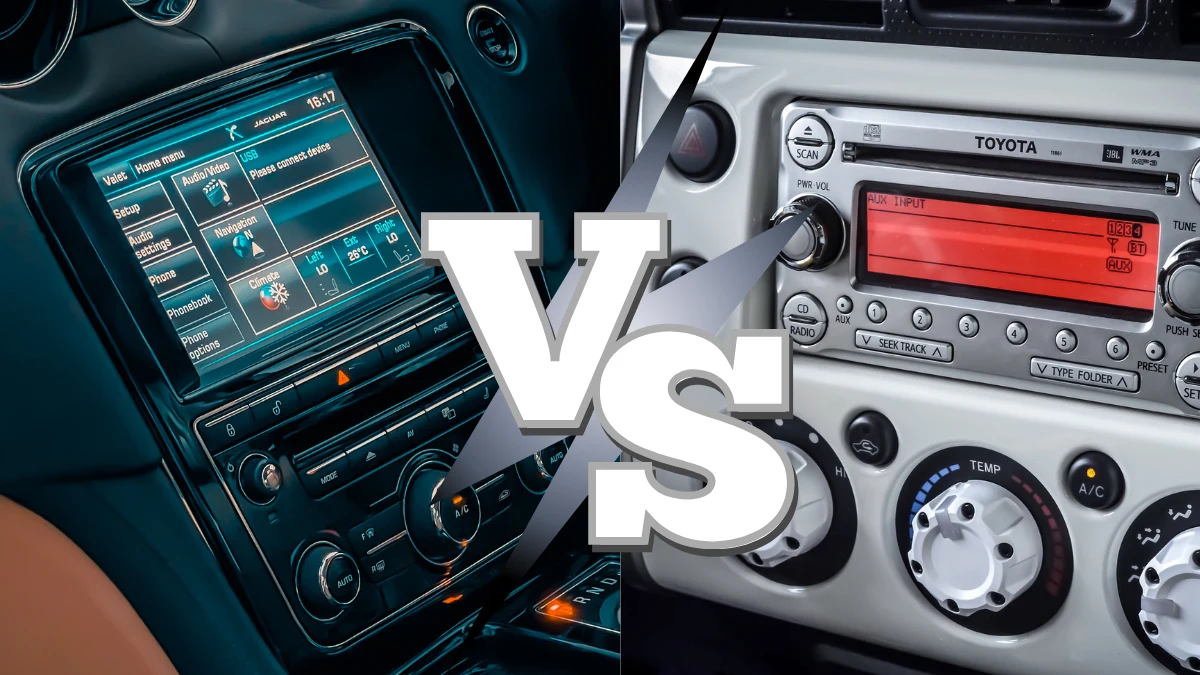
    As a head unit, single and double din have a significant difference. The difference between single and double din head unit is in their compatibility, features, and size.

    One difference between single and double din head unit is that the double-din head unit in the car provides flexibility with a large screen and lots of features. A single din head unit is compact and provides basic functions such as an AM/FM radio player, CD player, Bluetooth connection, and USB port.

    What did you know more about the difference between single and double din head unit? In this article, we will show you a complete comparison of the difference between single and double din head unit.

    What is a Single and Double Din Head Unit?

    The Difference Between Single and Double Din Head Unit A Complete Comparison to Help You Decide 2

    Single din is the standard size for a smaller car head unit, with dimensions of around 2 inches (5 cm) x Single din is the standard size for car head units that have smaller dimensions, namely around 2 inches (5 cm) x 7 inches (18 cm).

    This site follows the DIN standard set by the Deutsches Institut für Normung, a German standardization institute. Even though the size is more compact, the single din head unit still provides basic functions such as an AM/FM radio player, CD player, Bluetooth connection, and USB port.

    And double din head unit namely around 4 inches (10 cm) tall and about 7 inches (18 cm) wide. With its large size, the double din head unit offers more space for the screen and is equipped with a touch screen feature.

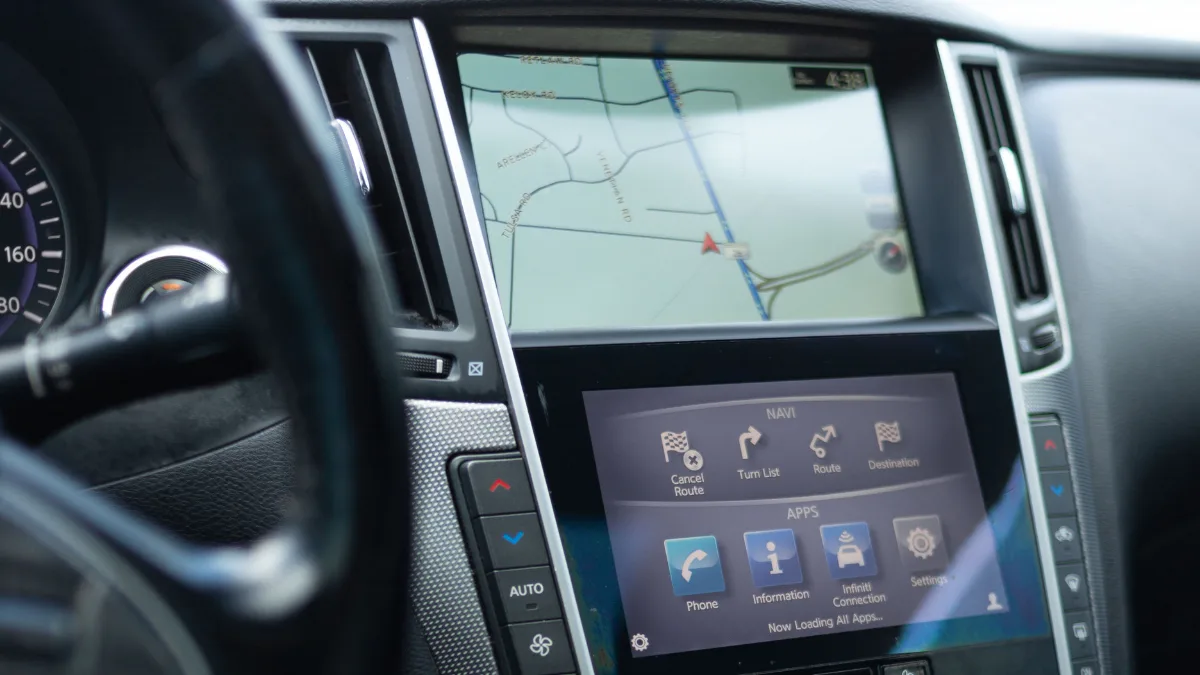
    Not only that, the double din head unit has additional features such as GPS navigation, and more advanced connectivity.

    The Difference Between Single and Double Din Head Unit

    The Difference Between Single and Double Din Head Unit A Complete Comparison to Help You Decide 3

    Here are the main difference between single and double din head unit that you need to know.

    1. Compatibility

    The final difference is in compatibility. Single din head unit are more suitable for older cars or those that have limited space on the dashboard. On the other hand, double din head unit are more commonly used for the latest cars with a dashboard design that allows the installation of a larger headunit.

    2. Features

    The second difference is in the features and functions. Single din head unit usually only provide basic features, such as radio, CD player, and Bluetooth connectivity. Meanwhile, the double din head unit offers more features, including GPS navigation, Bluetooth connection, more complete multi-media control, and a touch screen.

    3. Size

    The most striking difference between single and double din head unit is the size. As explained above, single din head unit choose a smaller size compared to double din.

    Even so, the double din head unit makes navigation and multimedia control easier because it is supported by a large screen size.

    The Advantages and Disadvantages of Single and Double Din Head Unit

    The Difference Between Single and Double Din Head Unit A Complete Comparison to Help You Decide 4

    The difference between single and double din head unit is shown by their advantages and disadvantages. Here are the advantages and disadvantages of single and double din head unit:

    Advantages of Double Din Head Unit

    • Compatible with modern cars: Many new cars are designed to fit double din head unit, making installation easier and more compatible.
    • Larger screen for ease of use: The bigger screen provides clearer visuals and makes GPS navigation and entertainment control more convenient.
    • Complete multimedia and connectivity features: Modern double din head unit supports Bluetooth, Wi-Fi, USB, Apple CarPlay, and Android Auto for seamless smartphone integration.

    Disadvantages of Double Din Head Unit

    • Higher power consumption: The large screen and advanced features drain car batteries faster, especially during heavy use.
    • More complicated installation: Installation is complex and may require dashboard adjustments, especially if upgrading from a single din head unit.
    • More expensive prices: Double din head unit are generally pricier due to their advanced features and larger screens.

    Advantages of Single Din Head Unit

    • Adequate basic features: Single din head unit offer basic features like Bluetooth, USB ports, and auxiliary inputs for music playback and hands-free calls.
    • Small and compact: Its standard size (2 inches x 7 inches) makes it suitable for cars with small dashboards and easier to install.
    • Cheaper prices: Single din head unit are more affordable due to their simpler design and limited features.

    Disadvantages of Single Din Head Unit

    • Simple display: The design looks outdated and lacks the modern appeal of double din head unit with larger screens.
    • Small screen: Limited screen size reduces visibility and ease of use, especially while driving.
    • Limited features: Single din head unit lack advanced features like touch screens, GPS navigation, Apple CarPlay, and Android Auto.

    That’s the difference between single and double din head unit that show you the comparison. By choosing the right head unit, you can enjoy an in-car entertainment experience that is pleasant enough to accompany your trip.

    If you are a single and double din head unit distributor looking to enter the ASEAN market, our type approval service are available. With their expertise and credibility, the certification process will be easier and faster. For the smooth running of your business, don’t hesitate to utilize their services! [UN]

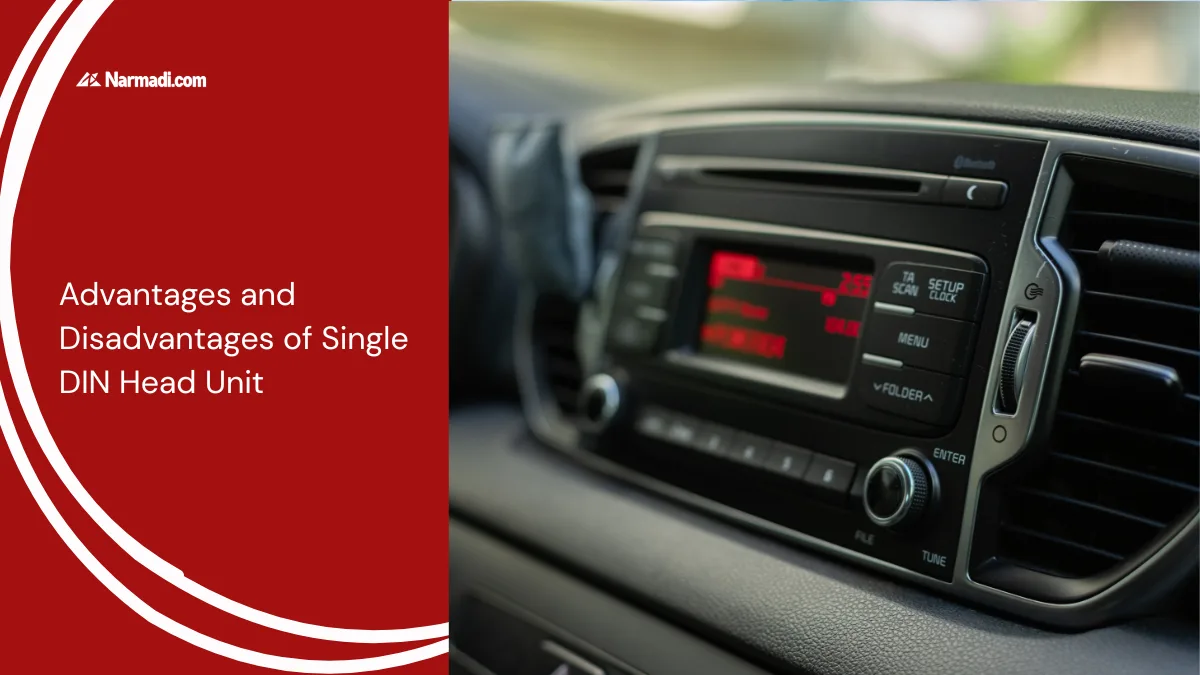
  • Advantages and Disadvantages of Single DIN Head Unit

    Advantages and Disadvantages of Single DIN Head Unit

    When choosing a vehicle, one thing you shouldn’t overlook is the car audio system. There are two commonly used systems: Single DIN head units and Double DIN head units. 

    Both have their own advantages and disadvantages. However, in this article, we’ll focus on Single DIN head units.

    This audio system is ideal for those who value practicality, prefer a classic style, and have a compact dashboard space. Before making a choice, it’s best to understand the factors to consider and the regulations governing this device as a wireless audio system.

    Advantages of Single DIN Head Units

    1. Essential Connectivity Features

    Connectivity is an important feature to consider in a car audio system. With this feature, drivers can easily connect their smartphones. This allows them to wirelessly play music from their phone’s library and make hands-free calls.

    Single DIN head units come equipped with these features. With their compact design, they offer a full range of basic audio connectivity options. Standard configurations include Bluetooth audio streaming, a high-speed USB port, an AUX input, and a digital radio tuner. 

    2. Universal Dashboard Compatibility

    As mentioned earlier, Single DIN head units feature a compact design. This device has an international standard size of approximately 2 x 7 inches (5 x 18 cm). 

    Thanks to its compact size, this unit can be seamlessly installed in various types of vehicles. It’s often found in cars with limited dashboard space, such as older models or utility trucks.

    3. An Economical and Cost-Effective Choice

    Often, you don’t need to spend a lot to enjoy in-car entertainment. Single DIN head units are more affordable while still offering sufficient functionality.

    This is because the device doesn’t require complex touchscreen assemblies or heavy-duty graphics processing hardware. Even at an economical price, you still get high-quality audio.

    4. Tactile Controls and Reduced Driver Distraction

    When driving, it’s essential to stay focused on the road. Navigating through multiple layers of touchscreen menus can often be distracting.

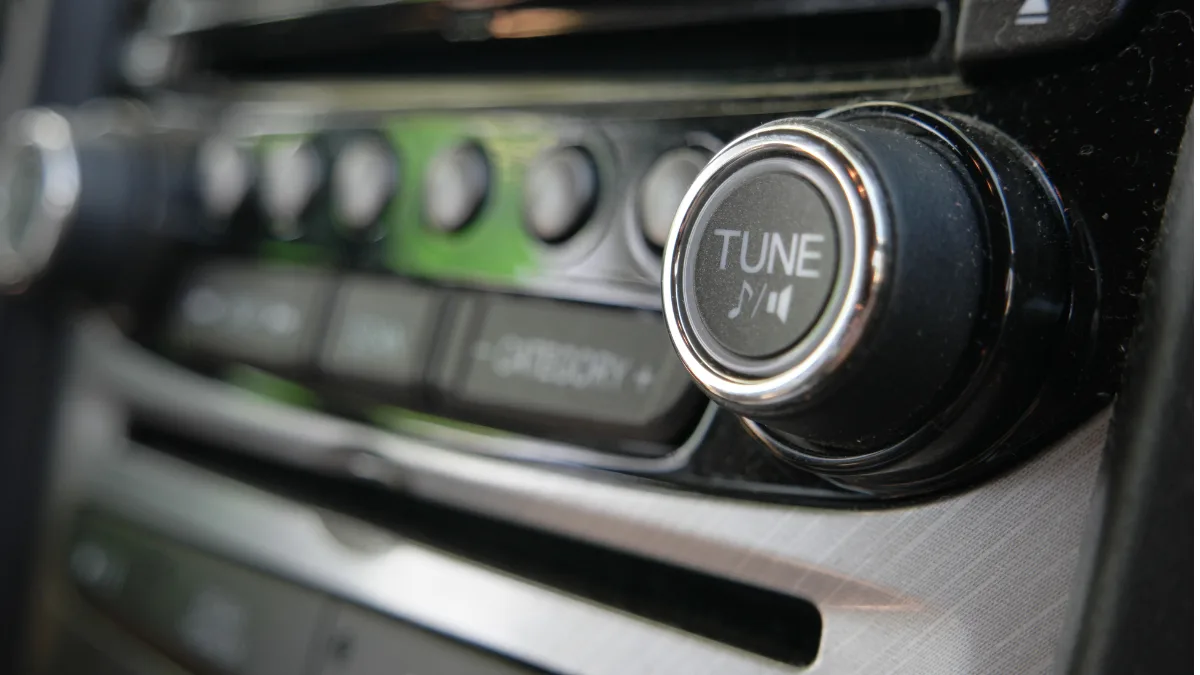
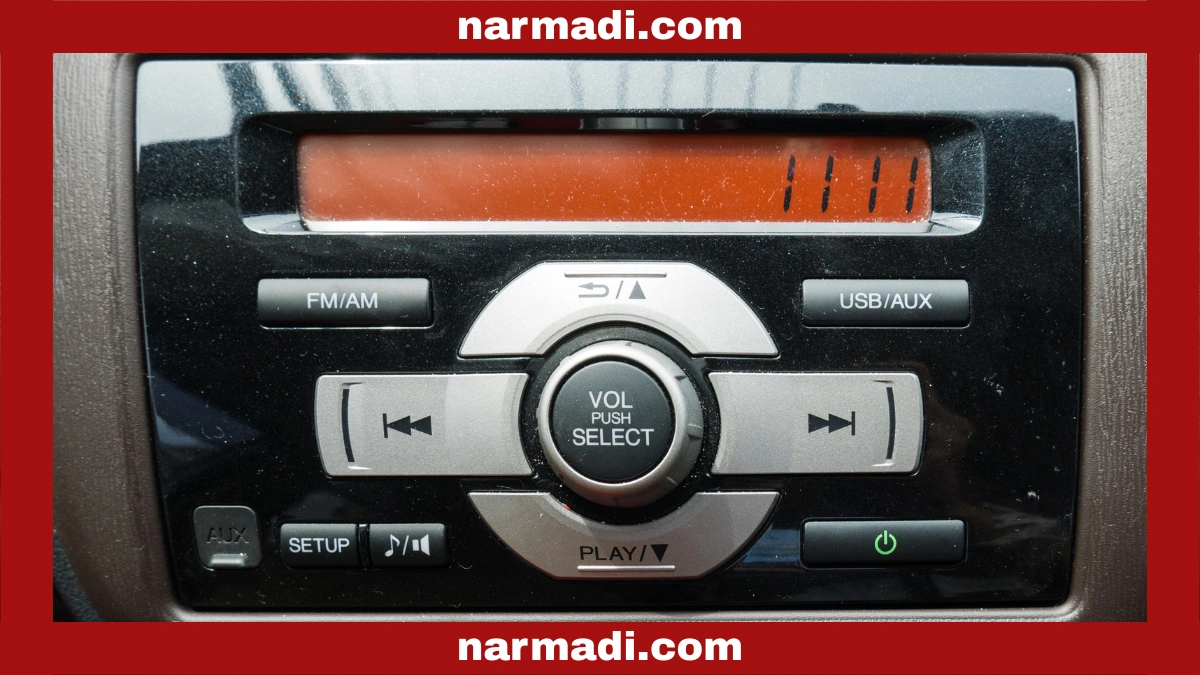
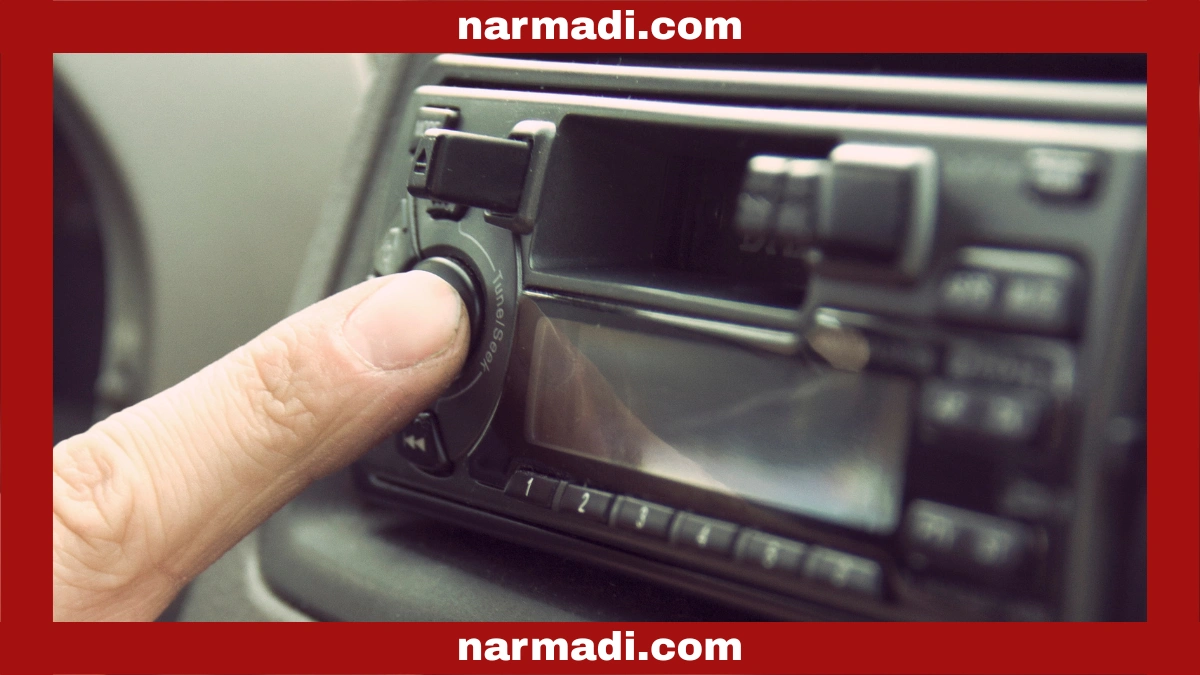
    The Single DIN head unit uses physical controls for volume adjustment, song selection, and radio tuning. This tactile interface allows drivers to adjust settings intuitively with a simple touch.

    Disadvantages of Single DIN Head Units

    1. Simplified Display Interface

    Amid the onslaught of modern technology, choosing a Single DIN head unit might feel outdated. This is because these devices do indeed have a simple display interface. 

    These devices are generally equipped with only a single-line or multi-line LED/LCD text display. This certainly stands in stark contrast to most head units on the market today, which feature modern interior designs or rich visual feedback.

    2. Screen Size and Information Limitations

    The compact screen size means that the information displayed by a Single DIN head unit is also limited. This can make it difficult for some people to see the display while driving.

    Reading detailed track metadata, folder structures, or caller ID details often requires a large screen. That way, the information can be seen clearly and easily without significant difficulty.

    3. Lack of Built-in Integrated Smart Media Features

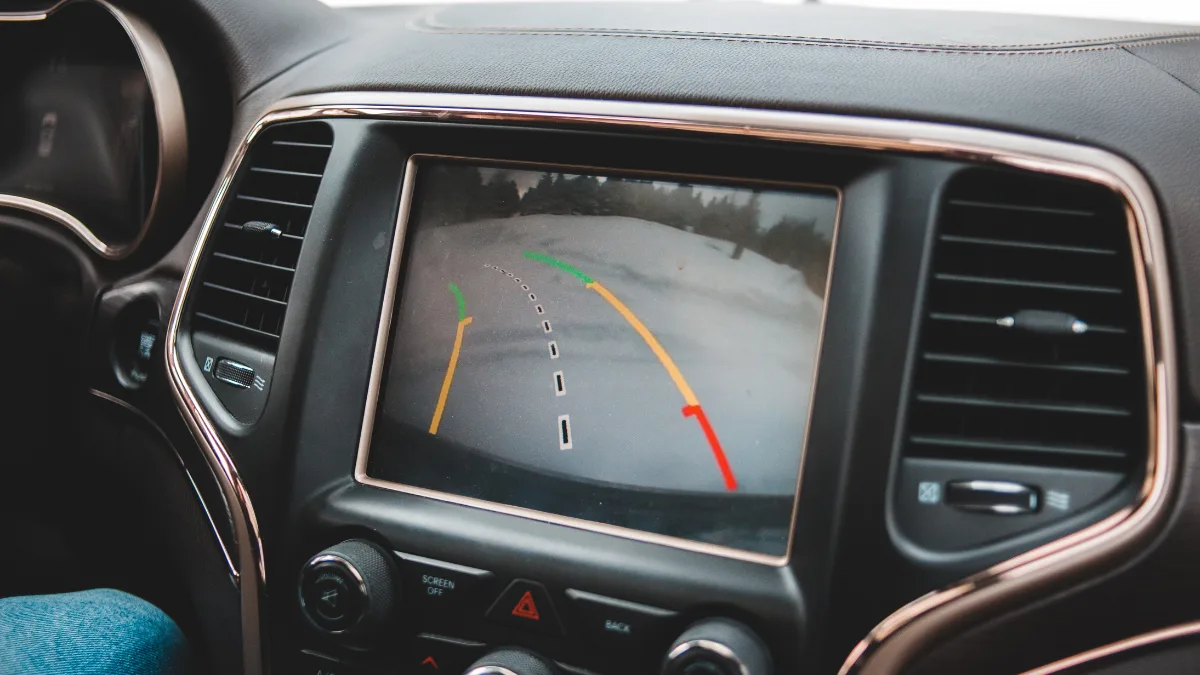
    Single DIN head units are not designed to directly support high-end multimedia applications. Therefore, you cannot use built-in GPS mapping, a rearview camera display, Apple CarPlay, or Android Auto in the car’s system. 

    Some specific Single DIN models are equipped with a motorized “flip-out” mechanism. However, this mechanical movement of the screen has the potential to cause hardware wear and tear over time.

    Key Considerations Before Buying

    In addition to the advantages and disadvantages of Single DIN head units, there are other factors to consider. Here are three technical factors to keep in mind:

    • Dashboard Slot Depth and Connecting Cables: Beyond the specified dimensions, you should ensure there is sufficient depth inside the dashboard slot. This is necessary to accommodate the rear connecting cables, RCA pre-amp outputs, and the antenna adapter.
    • Audio and Pre-amp Output Power: Check the built-in amplifier’s rating (typically 50 W x 4 peak power). You may want to look for dedicated RCA pre-amp outputs if you plan to connect to an external amplifier or a high-powered subwoofer.
    • Steering Wheel Control Integration: This is intended for vehicles equipped with built-in audio controls on the steering wheel. The Single DIN head unit must support a third-party steering wheel control (SWC) adapter interface.

    Telecommunications Standards for In-Vehicle Wireless Devices

    This is our technical perspective, based on our experience working with various head unit manufacturers on type approval certification. Single DIN head units feature wireless connectivity such as Bluetooth 5.0. 

    In practice, this connectivity requires operation on the 2.4 GHz radio frequency band. Therefore, certification is required for these devices before they can be integrated into a vehicle’s system.

    These tests and certifications aim to evaluate transmitter power, frequency stability, and spurious emissions. Moreover, a single vehicle may contain more than one device operating on radio frequencies, such as immobilizers, Tire Pressure Monitoring Systems (TPMS), and so on.

    Obtaining a type approval certificate means that telecommunications devices marketed and used in a country are safe and will not experience interference during operation. It is important to note that each country has its own standards in this regard.

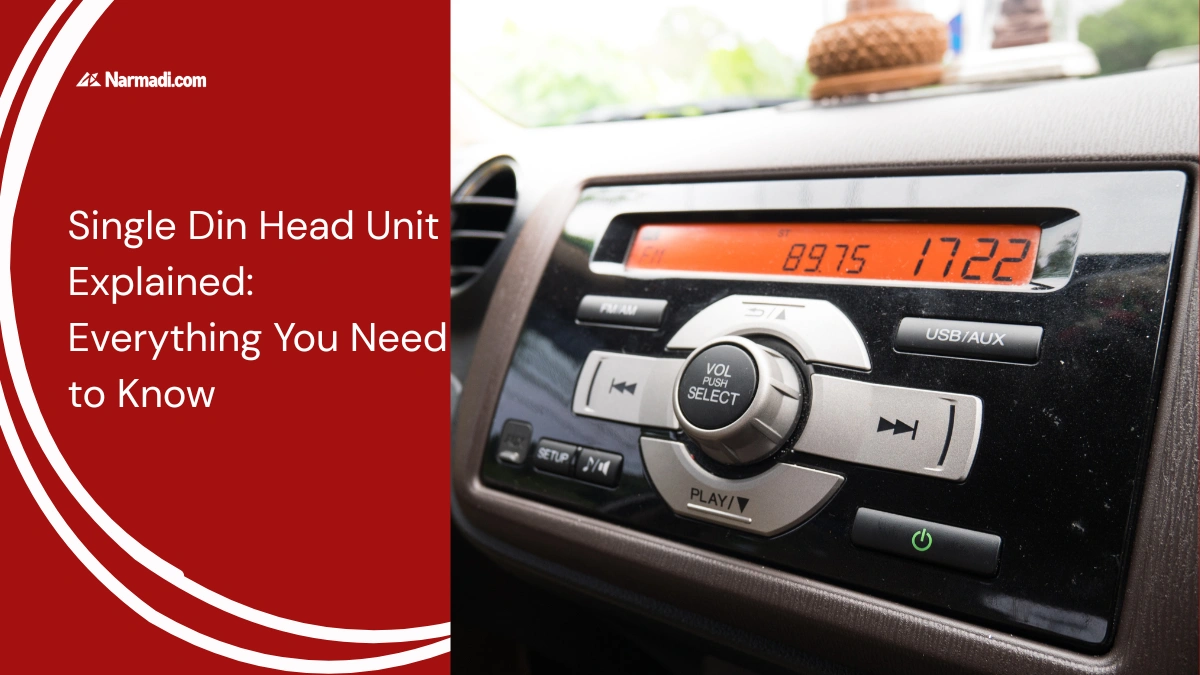
  • What is Single Din Head Unit? Learn How It Work and Features

    What is Single Din Head Unit? Learn How It Work and Features

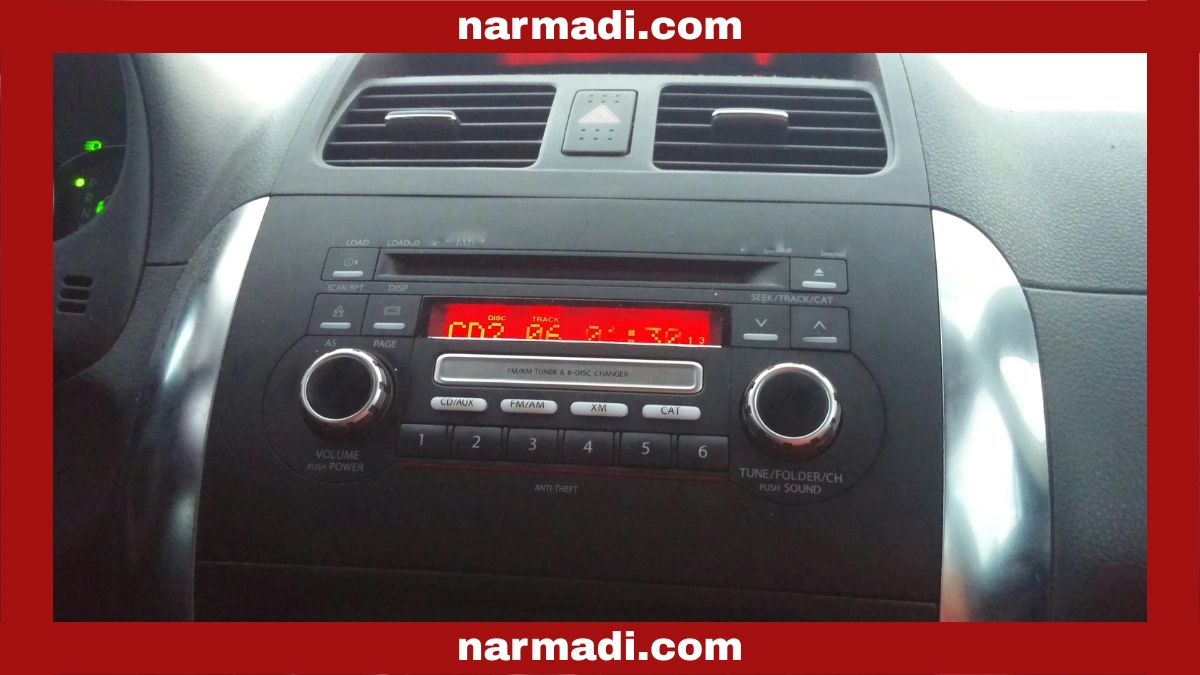
    A single din head unit is a type of unit commonly used as the main component in car entertainment systems. Its function is as a control center for various multimedia features in the car.

    Are you familiar with the term ‘single din head unit’? You may have already used it as a multimedia feature in your car without realizing it.

    This article will discuss single din head units, from their definition and operation to the excellent features you can enjoy in your car.

    What is Single Din Head Unit?

    Single Din Head Unit Explained Everything You Need to Know - Update 2

    A single din head unit is the standard size for car audio systems. It measures approximately 180 mm x 50 mm. The Deutsches Institut für Normung, a German standardization agency, established this standard.

    Although it is more compact than a double din head unit, a single din still provides basic functions. Its main focus is on basic functionality, including  AM/FM radio, CD player, Bluetooth connectivity, and USB port. This unit is often found in older cars or those with limited dashboard space.

    How Do They Work?

    Single Din Head Unit Explained Everything You Need to Know - Update 4

    The single din head unit works by receiving audio signals from the radio, CD, USB, Bluetooth, or AUX, and sending them to the speakers to produce sound. Here is how it works in more detail:

    • Capturing audio signals: Audio signals from devices such as radios, CDs, Bluetooth, or USB ports are captured and sent to the main unit for processing.
    • Main unit signal processing: The signal is processed in the main unit by enhancing audio quality through equalizer settings, reducing noise, and optimizing the signal to improve sound quality.
    • Signal amplification: The amplifier amplifies the audio signal from the main unit, making it clearer and stronger, and minimizing distortion.
    • Signal distribution: The speakers and subwoofer receive the enhanced signal, ensuring a balanced and immersive audio experience.
    • Sound production: Speakers convert signals into sound waves, where their quality and placement affect the clarity and detail of the output.
    • Bass production: Subwoofers handle low-frequency signals, producing deep, powerful bass that enriches the music’s richness.
    • Audio system adjustment: Users can adjust audio settings via the main unit’s equalizer or amplifier to achieve the desired sound quality.

    The Features

    Single Din Head Unit Explained Everything You Need to Know - Update 3

    The single din head unit focuses on basic functionality, including AM/FM radio, CD player, Bluetooth connectivity, and USB port. Here is a more detailed explanation of each feature:

    AM/FM Radio

    The AM/FM radio feature on a single din head unit allows users to listen to radio broadcasts. These broadcasts originated from local stations operating on AM (Amplitude Modulation) and FM (Frequency Modulation) frequencies.

    Despite their smaller size, single din head units are generally equipped with high-quality tuners. These tuners are capable of automatically or manually searching for and saving radio stations.

    This feature is one of the most basic functions commonly found on single din head units. It provides basic entertainment without relying on an internet connection.

    CD Player

    The CD player feature on single din head units allows users to play music from standard audio CDs or MP3 CDs. These players remain popular due to their superior audio quality and consistent playback. Added to this is their independence from internet connections.

    Single din head units are capable of reading various CD formats. Some models even support equalizer settings that allow users to adjust sound quality according to their preferences. 

    USB Port and Bluetooth

    The USB port and Bluetooth features on single din head units make it easy to play music and connect external devices.

    The USB port enables music to play back from a flash drive or other storage device connected via a USB cable.

    The Bluetooth feature on some head units also supports music control from smartphones, enabling users to adjust playlists or volume with greater ease.

    The combination of USB and Bluetooth features makes the single din head unit more modern and functional, supporting various entertainment needs in the car. [UN]