Author: Muhammad Rifqi Rihza Rahman

  • What is a Laser Safety Test? Learn Its Process and Classes

    What is a Laser Safety Test? Learn Its Process and Classes

    Currently, Information and Communication Technology (ICT) products are widely used by the public. In addition to Radio Frequency (RF) Testing and Specific Absorption Rate (SAR) Testing, Laser Safety (LS) Testing is also important to ensure that the products we use meet established standards.  

    Laser Safety Testing is conducted to ensure that electronic devices meet safety and security standards for their users. Each country has its own regulations to ensure that ICT products on the market meet standards, avoid risks, and comply with applicable regulations.   

    Let’s take a closer look at what Laser Safety Testing is, so we can understand how important this testing is for ICT products.

    What is a Laser Safety Test?

    Laser safety testing is the process of evaluating electronic devices that use lasers to ensure that the optical radiation they produce is safe for users. Without testing, devices that emit laser radiation can be potentially harmful to the eyes or skin. 

    Devices that are typically tested include Li-Fi (Light Fidelity) devices that use light for data communication and LiDAR (Light Detection and Ranging) devices that emit lasers for scanning or distance measurement. Laser products sold must comply with IEC 60825 as a standard testing requirement.

    What is the Testing Process?

    Laser safety testing is typically conducted in an accredited optical/laser testing laboratory. Based on IEC 60825-1, the parameters to be tested for the device are:

    • Determining laser characteristics: Lasers will be identified based on wavelength, power or energy output, operating conditions, and apparent source size. 
    • Measuring emission conditions: Testing under normal operating conditions, single fault conditions, and worst-case conditions. 
    • Calculation and classification: With the collected data, the product is then classified into the appropriate laser safety class. 

    Classification of Laser Classes

    This classification is based on a comparison of the measured laser emission level with the Accessible Emission Limit (AEL) specified by IEC 60825-1:

    • Class 1: Safe under all normal operating conditions. The output power is very low, or the laser radiation is safely enclosed.
    • Class 1M: Safe as long as not viewed with optical aids (e.g., telescopes or binoculars).
    • Class 2: Visible light radiation (400 nm to 700 nm) is considered safe due to the human eyelid response.
    • Class 2M: Same as Class 2, but hazardous when viewed through optical aids.
    • Class 3R: Potentially hazardous when viewed directly, but the risk is low.
    • Class 3B and 4: The highest hazard classes are not suitable for general consumer products.

    Why Is This Testing Important?

    Laser Safety Testing is important because it allows consumers to feel safe and confident when using electronic equipment. Here are some reasons why:

    • Preventing accidents: Laser Safety Testing helps prevent accidents and ensures a safe working environment.
    • Compliance with standards: Laser Safety Testing ensures that laser-based products comply with standard requirements.
    • Protecting customers: Laser safety testing helps protect customers from eye and skin injuries.
    • Avoiding product failure: Laser safety testing helps avoid product failure that can occur if the protective measures are not properly designed.

    Common Reasons Devices Fail Laser Safety Testing

    Even well-engineered products occasionally fail laser safety evaluations due to oversight during the design phase. Based on common compliance challenges, devices typically fail due to several factors:

    • Inadequate Enclosure Design: Failure to properly contain optical radiation or utilizing protective housings that can easily degrade or detach under normal wear and tear.
    • Exceeding Accessible Emission Limits (AEL): Emitting optical power levels higher than what is permitted for the declared laser class, often due to uncalibrated diode drivers.
    • Lack of Mandatory Safety Labeling: Failing to include required warning labels, aperture indicators, or interlock failure notifications as mandated by IEC 60825-1.
    • Failure Under Single-Fault Conditions: The device operates safely during normal conditions but releases hazardous radiation when a single electronic component or safety circuit fails.

    Identifying these vulnerabilities early through preliminary evaluation prevents costly redesigns and ensures a smoother path to certification.

    Want to Pass this Test?

    Passing the Laser Safety Test is a mandatory step for manufacturers or importers of electronic devices before marketing their products. Therefore, you need to know how to pass this test.

    One of the best solutions to comply with these regulations is to use our services. This service will help you get through the testing process quickly, in accordance with the regulations in each country, and ensure that your devices meet safety standards. This prevents the risk of your devices being withdrawn from the market for non-compliance. [UN]

  • What is the Specific Absorption Rate Test? Learn Its Process and Scope

    What is the Specific Absorption Rate Test? Learn Its Process and Scope

    Currently, Information and Communication Technology (ICT) products are widely used by the public. In addition to Radio Frequency (RF) Testing, Specific Absorption Rate (SAR) Testing is also important in ensuring that the products we use meet established standards.  

    Specific Absorption Rate testing is conducted to ensure that electronic devices meet safety and security standards for their users. Each country has its own regulations to ensure that ICT products on the market meet standards, avoid risks, and comply with applicable regulations.  

    Let’s take a closer look at what Specific Absorption Rate testing is, so we can understand how important this test is for ICT products.

    What is the Specific Absorption Rate Test?

    The Importance of Specific Absorption Rate Test for ITC Products - Update 2

    Specific Absorption Rate testing is an important assessment that measures the amount of electromagnetic radiation absorbed by the human body when exposed to wireless communication devices, such as smartphones, tablets, wearable devices, and other wireless technologies. Its purpose is to ensure that devices do not exceed permissible exposure limits.  

    SAR testing provides a quantitative measure of the rate of electromagnetic energy absorption. The test is conducted by placing the device near a human body model containing simulated tissue fluid and measuring the rate of energy absorption. This role is crucial in ensuring the safety of electronic devices with respect to human health.

    The following are some examples of key items that require SAR testing:

    • Mobile phones
    • Tablets
    • Laptops
    • Wearable devices
    • Cordless phones
    • Baby monitors
    • Medical devices
    • Wireless gaming devices
    • Bluetooth headsets and headphones
    • Industrial equipment

    How is the SAR Test Process? 

    SAR regulations are officially applied to telecommunications equipment based on the Decree of the Minister of Information and Digital Affairs (KOMDIGI) No. 177 of 2024. This process usually includes:

    • System check: Check the system before starting testing
    • Transmitted power measurement: Measure the power transmitted through the device
    • Device placement: Place the device in various positions near the head or body
    • Measurement: Use a probe to measure RF energy at specific locations on the body
    • Data analysis: Use a computer to analyze the data and record the maximum SAR value

    Scope of SAR Testing

    The Importance of Specific Absorption Rate Test for ITC Products - Update 3

    SAR testing is conducted in this case to comply with IEC (International Electrotechnical Commission) standards. The following are some of the parameters tested in SAR testing:

    Head SAR

    • Exposure when the device is used near the head (e.g., when making a phone call).
    • It is important to ensure the safety of the brain and surrounding tissues.

    Torso SAR

    • Exposure when the device is carried in a jacket pocket, bag, or near the body.
    • Keeps vital organs such as the heart safe.

    Limb SAR

    • Exposure when the device is held in the hand or placed in a pants pocket.
    • Prevents excessive exposure to muscle and bone tissue.

    SAR Testing Method Standards

    • Head SAR: IEC/IEEE 62209-1528 or EN 50360:2017; KDB 941225 D01; KDB 941225 D05; KDB 941225 D05A; and/or 447498 D01 or equivalent (IEC 62209-1).
    • Torso and Limbs SAR: IEC/IEEE 62209-1528 or EN 50566:2017; KDB 941225 D01; KDB 941225 D05; KDB 941225 D05A; and/or 447498 D01 or equivalent (IEC 62209-2)

    Why is This Important?

    The Importance of Specific Absorption Rate Test for ITC Products - Update 4

    SAR testing is more than just a technical procedure that must be fulfilled.  It is a major responsibility for manufacturers to ensure that the products they sell do not pose a health risk to users. 

    Devices that have passed the SAR test demonstrate that:

    • They have been tested by an accredited laboratory
    • They meet the established safety thresholds
    • They meet regulatory requirements
    • There is no potential health risk
    • They are safe for use in everyday activities

    SAR Testing vs RF Testing vs EMC Testing

    SAR, RF, and EMC tests are interrelated types of testing that ensure ICT devices function safely and correctly. So what is the difference? SAR testing focuses on measuring the level of radio frequency radiation absorbed by the human body. The goal is to ensure that radio frequency exposure from devices is safe for human health.

    RF testing focuses on functional performance, such as signal transmission and reception at specified frequencies. The goal is to ensure that radio transmitters and receivers function as intended.

    Meanwhile, EMC testing focuses on interference between devices. This test ensures that devices do not interfere with other devices and can withstand interference from other devices. The goal is to measure a device’s ability to operate in an electromagnetic environment without causing interference and without being affected by interference.

    Want to Pass the SAR Test?

    Passing Specific Absorption Rate testing is a mandatory step for manufacturers or importers of electronic devices before marketing their products. Therefore, you need to know how to pass this test.

    One of the best solutions to comply with this regulation is to use our service. This service will help you get through the testing process quickly, in accordance with the regulations in each country, and ensure that your devices meet safety standards. This prevents the risk of your devices being withdrawn from the market due to non-compliance with regulations. [UN]

  • What is Electrical Safety Test? Learn Its Type and Scope

    What is Electrical Safety Test? Learn Its Type and Scope

    Currently, Information and Communication Technology (ICT) products are widely used by the public. In addition to Radio Frequency (RF) Testing, Specific Absorption Rate (SAR) Testing, and Laser Safety (LS) Testing, Electrical Safety (ES) Testing is also important to ensure that the products we use meet established standards.  

    Electrical Safety Testing is conducted to ensure that electronic devices meet safety and security standards for their users. Each country has its own regulations to ensure that ICT products on the market meet standards, minimize risks, and comply with applicable laws and regulations.   

    Let’s take a closer look at what Electrical Safety Testing is, so we can understand how important this testing is for ICT products.

    What is Electrical Safety Test?

    The Importance of Electrical Safety Test for ITC Products - Update 2

    Electrical safety testing is a series of technical and quantitative tests that are an important aspect of ensuring the safety and reliability of electrical products and systems. These tests are designed to identify potential hazards, ensure compliance with regulatory guidelines, and reduce risks associated with electrical devices and installations.

    The main purpose of electrical safety testing is to identify and reduce the risk of hazards such as electric shock, burns, and cardiac injury that may arise from faulty electrical equipment. The testing parameters are leakage current, dielectric strength, withstanding voltage, and grounding resistance.

    The Types

    The Importance of Electrical Safety Test for ITC Products - Update 3

    Leakage current test

    A leakage current test is a type of test that measures unwanted electrical currents flowing into the human body. This test ensures that the current is below safe limits, thereby preventing potential harm to users.

    It is typically required for medical devices, consumer electronics, and industrial equipment. Acceptable leakage current levels usually do not exceed a few milliamps, depending on the product category. This standard refers to EC 60601-1 or IEC 60950-1.

    Dielectric strength test

    A dielectric strength test is a test that measures the electrical insulation capability of a device to withstand high voltages. It ensures that the device does not experience damage or failure. This prevents short circuits or short connections.

    This test focuses on the insulation between the device’s electrical circuits and the parts that can be touched by the user, such as the casing, cover, or connectors. This standard refers to relevant safety standards, for example, IEC 60950. The main objective is to ensure that users are protected from the danger of electric shock. 

    Ground connection test

    A ground connection test is a type of test that ensures that all metal parts on a device are properly connected to the ground.  This test ensures that if the device malfunctions, excess current will flow safely to the ground.

    This is important for diverting excess electrical current to the ground, thereby preventing harm to users. Ground connection tests are often conducted in accordance with IEC 60335 and UL 61010 standards.

    Scope

    The Importance of Electrical Safety Test for ITC Products - Update 4

    Electrical Safety Testing, in this case, aims to comply with IEC (International Electrotechnical Commission) standards. The following are some of the parameters tested in ElSTest:

    • Protection against electric shock
    • Protection against mechanical hazards and fire
    • Measurement of electrical power and current
    • Measurement of temperature rise
    • Normal and abnormal use testing
    • Other test parameters

    Why Is It Important?

    Electrical safety testing is important because it allows consumers to feel safe and confident when using electronic equipment. Here are some reasons why:

    • As verification of compliance with applicable specific instructions
    • Provides information on whether there are electrical problems with electronic equipment
    • Prevents product recalls if there are failures in electrical safety aspects
    • Maintains consumer safety related to electrical hazards
    • Builds consumer trust

    Want to Pass the Electrical Safety Test?

    For manufacturers or importers of electronic devices, ensuring the device passes the Electrical Passing the Electrical Safety Test is a mandatory step for manufacturers or importers of electronic devices before marketing their products. Therefore, you need to know how to pass this test.

    One of the best solutions to comply with these regulations is to use our services. This service will help you get through the testing process quickly, in accordance with the regulations in each country, and ensure that your devices meet safety standards. This prevents the risk of your devices being withdrawn from the market for non-compliance. [UN]
  • What is Radio Frequency Testing? Understanding the Process and Its Importance

    What is Radio Frequency Testing? Understanding the Process and Its Importance

    Information and Communication Technology (ICT) products rely on radio waves to operate. That is why Radio Frequency testing is very important.

    RF testing is conducted to ensure that electronic devices function properly, meet safety standards, and avoid interference with other devices.  

    Navigating international spectrum regulations becomes essential to ensure that ICT products meet market access requirements, minimize operational risks, and comply with regulatory bodies worldwide.

    Let’s take a closer look at what Radio Frequency Testing is, so we can understand how important this testing is for ICT products.

    What is Radio Frequency Testing?

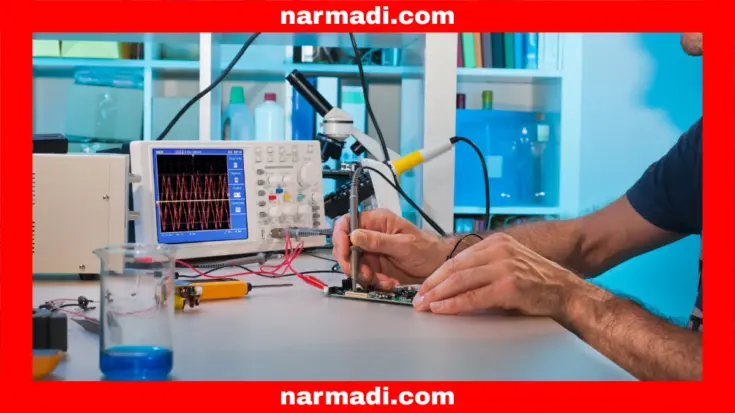
    Radio Frequency Testing is a testing process conducted on ICT devices that use radio frequencies. The process involves evaluating the electromagnetic emissions emitted by wireless electronic devices to ensure that they operate in accordance with specified safety standards and regulations. 

    Additionally, it ensures that the devices do not cause signal interference with other devices and have optimal performance in capturing and transmitting signals. This test is very important for devices that use radio waves for communication, such as:

    • Mobile phones and communication devices (LTE, GSM, HSDPA)
    • Network devices (routers, modems, WLAN)
    • Bluetooth, NFC, and RFID devices
    • Smart home devices (smart TVs, smart speakers)
    • Medical and security devices

    With RF Testing, manufacturers can ensure that their devices meet national and international standards before being marketed. The common standard is CE or FCC. However, each country also has its own standards in this process.

    How is the Testing Process?

    RF Testing is conducted in an ISO/IEC 17025-accredited laboratory designed to isolate signals from external interference. The testing must confirm the four parameters: frequency range, output power, bandwidth, and spurious emission. This process typically includes:

    • Measuring the limits of a telecommunication device’s ability to respond to, generate, or transmit signals at various frequency levels.
    • Ensuring that the output power does not exceed the limit set for the specific frequency band in the region.
    • Ensuring that each frequency hop falls within the specified frequency range.
    • Measuring unwanted emissions from the transmitter outside the frequency band and from the transmitter in the spurious domain, as well as spurious emissions from the receiver.

    Why is it Important?

    Radio Frequency Testing is important to ensure that devices function properly without harming users or the surrounding environment. 

    Protecting user safety

    Electronic devices have the potential to emit excessive radiation or overheat. This certainly has the potential to harm users. RF testing will prevent these risks early on. 

    Complying with government regulations

    Do you want your devices to be legally distributed? RF testing is a requirement for complying with radio frequency and electromagnetic safety regulations so that devices can be legally distributed in the market. This way, there is no potential for legal sanctions.

    Ensuring device quality and performance

    Every user wants devices with guaranteed quality and performance. RF testing ensures that electronic devices on the market have more stable connections and better signal quality.

    Preventing signal interference

    Frequency interference can cause serious problems, such as communication disruptions, poor sound quality, and unstable internet connections. It can even interfere with other devices in the vicinity. RF testing will detect such interference more effectively.   

    Common Reasons Devices Fail RF Testing

    It is not uncommon for well-designed devices to fail RF testing. This may be due to issues that are easily overlooked during the development phase. Based on the certifications we’ve helped manufacturers complete, here are some of the most common causes:

    • Antenna design issues: Certain antenna designs can unintentionally activate or amplify harmonics, especially in compact devices with multiple radios sharing the same board.
    • Testing a non-representative prototype: Submitting a pre-production sample that differs from the final product can invalidate the test results.
    • Exceeding permitted output power: Transmitting above the allowed limit, sometimes unintentionally when a device boosts power to compensate for signal loss.
    • Firmware or duty cycle issues: Common in devices using shared or license-exempt spectrum that don’t properly manage transmission timing.

    These issues can actually be detected early on through pre-testing before sending samples directly to official testing. That way, you can save a significant amount of time and money compared to finding out about them only after receiving a failed test report.

    Want to Pass RF Testing?

    Passing radio frequency testing is a mandatory step for manufacturers or importers of electronic devices before marketing their products. Therefore, you need to know how to pass the test.

    One of the best solutions to comply with this regulation is to use professional services like ours. This service will help you navigate the testing process quickly, in accordance with regulations in each country, and ensure that your devices meet safety standards. This prevents the risk of your devices being withdrawn from the market due to non-compliance with regulations. [UN]

  • The Difference Between GSM and CDMA: Which One is Better?

    The Difference Between GSM and CDMA: Which One is Better?

    So far, we know GSM and CDMA are two mobile internet networks. Of course, both networks have the difference between GSM and CDMA.

    Both utilize microwaves and signal transmission so that the information sent will reach the destination. The difference between GSM and CDMA is quite significant.

    We can see the difference between GSM and CDMA from the technology used, security, to flexibility.

    This article will explain the difference between GSM and CDMA to its advantages so that you can consider its use.

    Difference Between GSM and CDMA

    GSM as the latest technology certainly has differences as a development from CDMA as the previous technology. Here are the differences between GSM and CDMA:

    ParameterGSMCDMA
    Full-FormGSM stands for Global System for Mobile communication.CDMA stands for Code Division Multiple Access.
    BasicIt is SIM-specific.It is handset-specific.
    AvailabilityGSM is highly available and globally used. Over 80% of the whole world’s mobile networks utilize it.CDMA is not exceptionally common, and it is accessible in comparatively less carriers and nations. These gadgets are select to Canada, Japan, and the United States.
    Technology UsedIt uses the Time division multiple access (TDMA) and Frequency division multiple access (FDMA).It uses the Code division multiple access (CDMA).
    Voice and DataGSM supports the transmission of both voice and data at once.The CDMA technology does not support any such feature. It cannot transmit voice and data simultaneously.
    Rate of Data SpeedIt is slower. GSM offers 42 Mbps (Megabytes per second) in 3G (HSPA).It is speedier. CDMA offers 3.6 Mbps (Megabytes per second) in CDMA.
    Maximum Downloading SpeedGSM offers a maximum speed of 384 Kbps (Kilobytes per second).CDMA offers a maximum speed of 2 Mbps (Megabytes per second).
    Storing of Customer InformationGSM stores it in the SIM card.CDMA stores it in a phone or headset.
    RoamingGSM offers worldwide roaming.CDMA offers limited roaming.
    NetworkIn every cell, the network tower serves as a mobile phone in that particular area.It has a physical channel along with committed codes for each gadget display in the network.
    SpectrumThe GSM technology follows a wedge spectrum (carrier).The CDMA technology follows a spread spectrum technology.
    Data Transfer TechnologyThe GSM technology makes use of EDGE.The CDMA technology uses the EVDO ready data transfer technology. Thus, the data transfer here is also very fast.
    DivisionThe carrier is divided into time slots. Each user gets a different time slot. Therefore, no one else can access the same calling slot until the ongoing call ends.CDMA allows transmission of each user all the time over the entire frequency spectrum.
    Signal DetectionOne can detect the GSM signals because they stay concentrated in a narrow bandwidth.One cannot easily detect signals in CDMA.
    Built-in EncryptionGSM does not come with built-in encryption.CDMA comes with built-in encryption.
    SecurityThe GSM technology offers less security as compared to the CDMA technology.The CDMA technology offers more security as compared to the GSM technology.
    SIM CardFor the working of a GSM device, one would always require a SIM card.The CDMA phones don’t have any such requirements.
    FlexibilityThe GSM technology is more flexible compared to CDMA. One can interchangeably use and replace a SIM on multiple devices.The CDMA technology is not so flexible.
    RadiationOn average, the GSM phones emit approx 28 times more radiation than the CDMA ones.The CDMA devices emit very low radiation.
    Wave PulseA GSM phone emits a more continuous wave pulse. So, you don’t need to reduce its exposure to electromagnetic fields.The CDMA devices have no such pulses.

    The Advantages of GSM

    The Difference Between GSM and CDMA Which One is Better 2

    The difference between GSM and CDMA, GSM has several advantages that make it a popular choice for mobile network users. Some of the key advantages of GSM are:

    1. Technology evolution

    GSM networks are constantly evolving with new technologies such as 4G and 5G. This allows users to enjoy advanced features such as higher data rates, better voice quality, and the ability to run more complex applications.

    2. High data rates

    With the development of 4G and 5G network technologies, GSM has high data rates. This allows users to access the internet quickly and smoothly.

    3. Global coverage

    GSM networks have extensive global coverage. This allows GSM users to make calls and access mobile data in many countries around the world without the need to change SIM cards.

    4. Compatibility with various devices

    GSM supports a variety of mobile devices, including smartphones, tablets, and modems. This gives users the flexibility of choosing a device that suits their needs.

    The Advantages CDMA

    The Difference Between GSM and CDMA Which One is Better 3

    The difference between GSM and CDMA, CDMA networks also have several advantages that need to be considered, namely:

    1. Efficient use of the frequency spectrum

    CDMA has higher efficiency in frequency spectrum usage. The spread spectrum technology used allows the use of the same spectrum for more users simultaneously, thus increasing network capacity.

    2. High communication security

    By using complex code separation technology, CDMA provides a higher level of security. This makes user communications better protected from spying attempts and hacker attacks.

    3. Better voice quality

    CDMA utilizes code separation technology that allows for clearer and higher-quality voice transmission. This allows users to enjoy a better communication experience.

    4. Supports CDMA2000

    CDMA network is that it supports the use of CDMA2000 technology. By using CDMA2000, users can enjoy higher data rates, faster internet access, and better voice quality.

    That’s the difference between GSM and CDMA to the advantages that you can compare. In the end, GSM and CDMA have their advantages. So right now, you know what is the best to use. [UN]

  • Advantages and Disadvantages of GSM That You Must Know

    Advantages and Disadvantages of GSM That You Must Know

    We can enjoy the Global System for Mobile Communications (GSM) with all its benefits in everyday life. However, the advantages and disadvantages of GSM cannot be denied and need to be taken into consideration.

    The advantages and disadvantages of GSM include technology, network, signals, and compatibility with various devices.

    In this article, we will share 20 advantages and disadvantages of GSM that you need to know to consider when using it.

    Advantages of GSM

    Cost-effective: GSM provides highly cost-effective products and solutions.

    Seamless roaming: GSM provides seamless wireless connectivity, making international roaming a non-issue.

    Faster data speeds: Advanced versions of GSM, such as GPRS and EDGE, with more antennas provide high-speed data downloading and uploading.

    High transmission quality: SAIC and DAIC techniques provide very high transmission quality. SAIC stands for Single Antenna Interference Cancellation technique, while DAIC stands for Double Antenna Interference Cancellation.

    Easy maintenance: GSM network maintenance is easy because network technicians are available in large numbers at affordable costs. This helps increase telecommunications operator revenues.

    SIM card flexibility: This phone works based on SIM cards, so it is easy for users to switch between different types of phones. It also allows users to save their data and preferences.

    Good voice quality: GSM signals do not suffer from quality degradation inside offices and homes and offer good voice call quality due to the digital coding and error correction techniques used.

    Easy integration: GSM technology is easy to integrate with other wireless technologies, such as CDMA and LTE.

    Built-in security: GSM combines encryption and authentication measures, making it more secure than analog systems.

    Vendor interoperability: GSM specifications allow devices and networks from different vendors to work together without technical issues.

    Energy efficient: GSM technology is energy efficient, which is important for mobile devices with limited battery capacity.

    Disadvantages of GSM

    Spectrum licensing required: Operating a GSM network requires a radio spectrum license from the relevant national telecommunications regulator, which can involve significant cost and administrative complexity depending on the country.

    Coverage extension costs: To increase coverage, it is necessary to install repeaters, adding to infrastructure costs.

    Limited data rates: GSM provides limited data rate capabilities; for higher data rates, more advanced versions of GSM technology are used.

    Bandwidth sharing: GSM has limited bandwidth. Multiple users share the same bandwidth, which can cause interference when many users use the GSM service simultaneously.

    Electromagnetic interference: GSM’s pulse-based transmission can interfere with certain electronic devices, which is why some environments like hospitals and fuel stations have historically restricted its use.

    Security vulnerabilities: Even though they are encrypted, GSM networks are vulnerable to hacking and eavesdropping, particularly with older encryption algorithms.

    Limited rural coverage: Although widespread, GSM coverage may not be available in very remote or undeveloped areas, or in areas primarily served by other cellular technologies such as 4G LTE and 5G NR (New Radio).

    Backhaul dependency: GSM network performance depends on the quality and capacity of the backhaul infrastructure, which may be inadequate in some areas.

    Device compatibility: Older GSM devices may not be compatible with newer networks and may require users to upgrade their devices.

    Common GSM Network Problems and How to Fix Them

    Here’s a quick look at common GSM issues and practical ways to address them:

    • Weak indoor signal: Use a signal booster to improve coverage.
    • Network congestion: Reallocate channels to reduce the load.
    • Interference from other devices: Keep GSM devices away from sensitive electronic devices.
    • Poor coverage in rural areas: One solution is to use a GSM repeater.
    • Compatibility with older devices: Check the frequency bands supported by the device.

    Here are some of the advantages and disadvantages of GSM that you may wish to consider when using this technology. We hope this article will be useful in expanding your knowledge of GSM.