Author: Muhammad Rifqi Rihza Rahman

  • What is Single Din Head Unit? Learn How It Work and Features

    What is Single Din Head Unit? Learn How It Work and Features

    A single din head unit is a type of unit commonly used as the main component in car entertainment systems. Its function is as a control center for various multimedia features in the car.

    Are you familiar with the term ‘single din head unit’? You may have already used it as a multimedia feature in your car without realizing it.

    This article will discuss single din head units, from their definition and operation to the excellent features you can enjoy in your car.

    What is Single Din Head Unit?
    Single Din Head Unit Explained Everything You Need to Know - Update 2

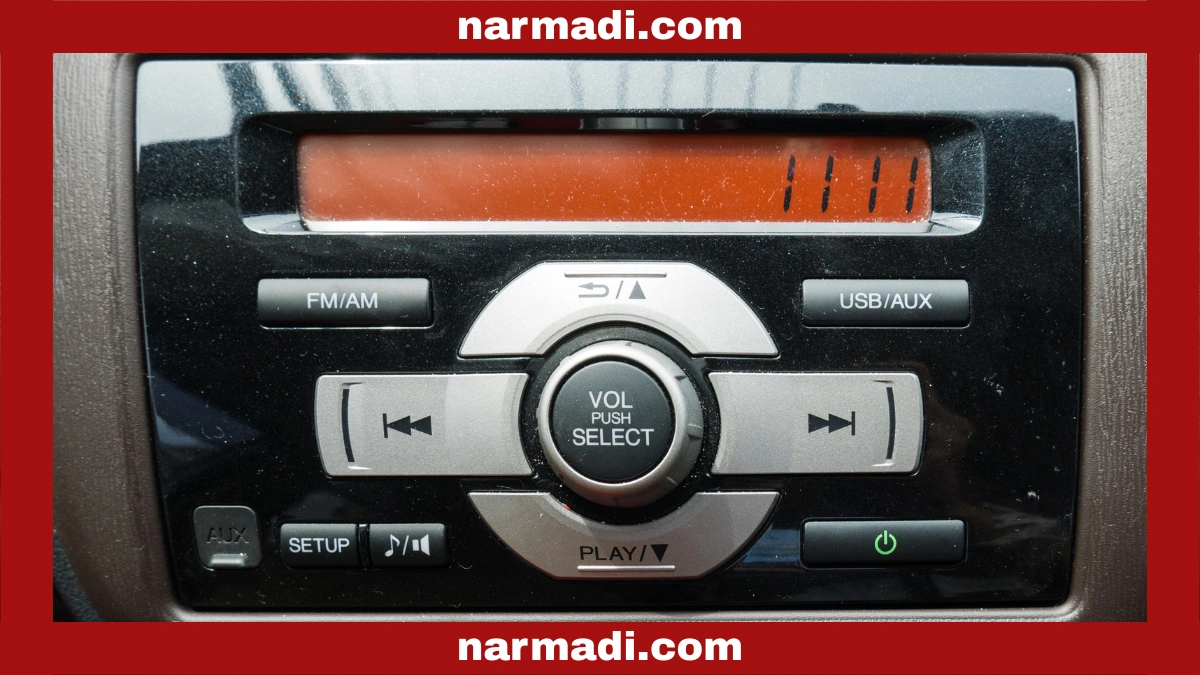
    A single din head unit is the standard size for car audio systems. It measures approximately 180 mm x 50 mm. The Deutsches Institut für Normung, a German standardization agency, established this standard.

    Although it is more compact than a double din head unit, a single din still provides basic functions. Its main focus is on basic functionality, including  AM/FM radio, CD player, Bluetooth connectivity, and USB port. This unit is often found in older cars or those with limited dashboard space.

    How Do They Work?
    Single Din Head Unit Explained Everything You Need to Know - Update 4

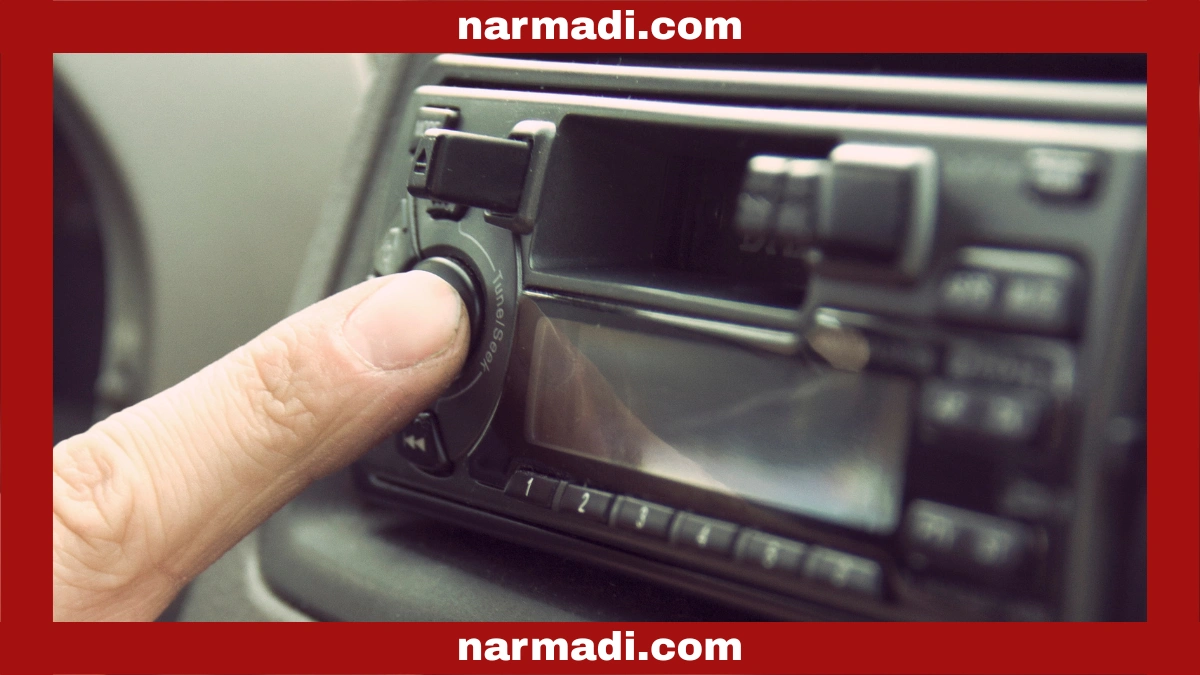
    The single din head unit works by receiving audio signals from the radio, CD, USB, Bluetooth, or AUX, and sending them to the speakers to produce sound. Here is how it works in more detail:

    • Capturing audio signals: Audio signals from devices such as radios, CDs, Bluetooth, or USB ports are captured and sent to the main unit for processing.
    • Main unit signal processing: The signal is processed in the main unit by enhancing audio quality through equalizer settings, reducing noise, and optimizing the signal to improve sound quality.
    • Signal amplification: The amplifier amplifies the audio signal from the main unit, making it clearer and stronger, and minimizing distortion.
    • Signal distribution: The speakers and subwoofer receive the enhanced signal, ensuring a balanced and immersive audio experience.
    • Sound production: Speakers convert signals into sound waves, where their quality and placement affect the clarity and detail of the output.
    • Bass production: Subwoofers handle low-frequency signals, producing deep, powerful bass that enriches the music’s richness.
    • Audio system adjustment: Users can adjust audio settings via the main unit’s equalizer or amplifier to achieve the desired sound quality.

    The Features
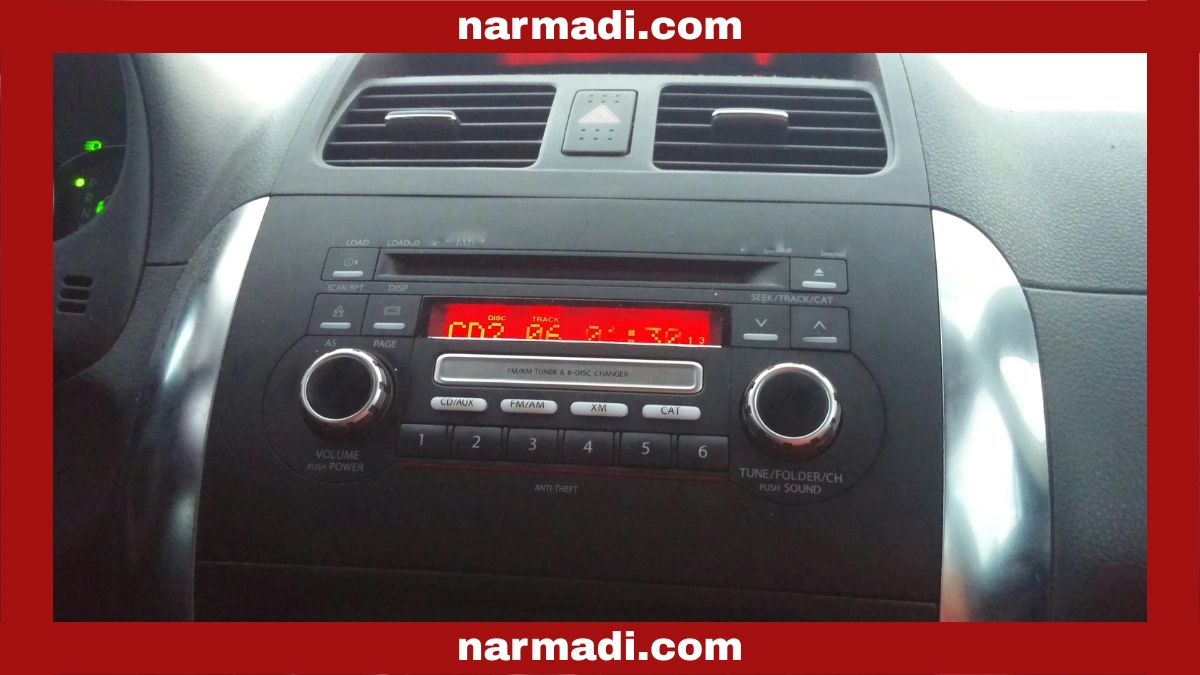
    Single Din Head Unit Explained Everything You Need to Know - Update 3

    The single din head unit focuses on basic functionality, including AM/FM radio, CD player, Bluetooth connectivity, and USB port. Here is a more detailed explanation of each feature:

    AM/FM Radio

    The AM/FM radio feature on a single din head unit allows users to listen to radio broadcasts. These broadcasts originated from local stations operating on AM (Amplitude Modulation) and FM (Frequency Modulation) frequencies.

    Despite their smaller size, single din head units are generally equipped with high-quality tuners. These tuners are capable of automatically or manually searching for and saving radio stations.

    This feature is one of the most basic functions commonly found on single din head units. It provides basic entertainment without relying on an internet connection.

    CD Player

    The CD player feature on single din head units allows users to play music from standard audio CDs or MP3 CDs. These players remain popular due to their superior audio quality and consistent playback. Added to this is their independence from internet connections.

    Single din head units are capable of reading various CD formats. Some models even support equalizer settings that allow users to adjust sound quality according to their preferences. 

    USB Port and Bluetooth

    The USB port and Bluetooth features on single din head units make it easy to play music and connect external devices.

    The USB port enables music to play back from a flash drive or other storage device connected via a USB cable.

    The Bluetooth feature on some head units also supports music control from smartphones, enabling users to adjust playlists or volume with greater ease.

    The combination of USB and Bluetooth features makes the single din head unit more modern and functional, supporting various entertainment needs in the car. [UN]

  • Advantages and Disadvantages of Double Din Head Unit

    Advantages and Disadvantages of Double Din Head Unit

    Double din head units in cars are the choice of many people. However, like technology in general, the advantages and disadvantages of double din head units are certain for this technology.

    The advantages and disadvantages of double din head units lie in ease of use, cost considerations, and installation, which is not easy.

    In this article, we will explain 3 advantages and disadvantages of double din head units that you can consider before using them.

    The Advantages and Disadvantages of Double Din Head Unit

    Considering the advantages and disadvantages of double head units will make it easier to make choices for entertainment services in your car. The following are the advantages and disadvantages of Double Din Head Units that you need to know.

    The Advantages

    The Real Deal 3 Advantages and Disadvantages of Double Din Head Unit 3

    With more modern technology, double Din head units have the following advantages:

    1. Compatible with modern cars

    The latest cars are usually designed with a double din head unit slot, so their compatibility with modern car systems is very good. This is one of the advantages of double din head units which makes them increasingly popular.

    With a double din head unit, car owners do not need to make many modifications to add additional features such as a navigation system or smartphone integration.

    This technology supports modern cars that require connectivity and a pampering multimedia system.

    2. Larger Screen for ease of use

    The double din head unit has a large screen (180mm x 100mm), which allows users to enjoy clearer and more detailed visuals.

    This advantage makes the double din head unit very useful when you want to use GPS navigation to see it more clearly and makes operating the entertainment system easier, especially when selecting music, watching videos, or accessing applications.

    Not only that, the interface of the double din head unit is also more user-friendly. With a larger touchscreen, drivers don’t have to worry about difficulty navigating menus.

    3. Complete multimedia and connectivity features

    Another advantage of double din head units is the availability of more complete features. The modern double din head unit is equipped with various advanced features such as Bluetooth connectivity, Wi-Fi, and USB, as well as support for Apple CarPlay and Android Auto.

    The availability of this feature allows users to connect their smartphone directly to the car’s entertainment system, so they can make calls, send messages, listen to music from streaming applications, and use navigation without having to hold the cellphone.

    Disadvantages

    The Real Deal 3 Advantages and Disadvantages of Double Din Head Unit 4

    With the existing advantages, double din head units also have disadvantages that are worth considering:

    1. Higher power consumption

    With a large touch screen and complete multimedia features, of course, a double din head unit requires more electrical power.

    Larger screens and constant use of features such as GPS navigation, video playback, and Bluetooth connections can drain power from a car battery more quickly.

    This can certainly be a problem if you often use your car for long-distance trips or your car is not equipped with a strong battery.

    2. More complicated installation

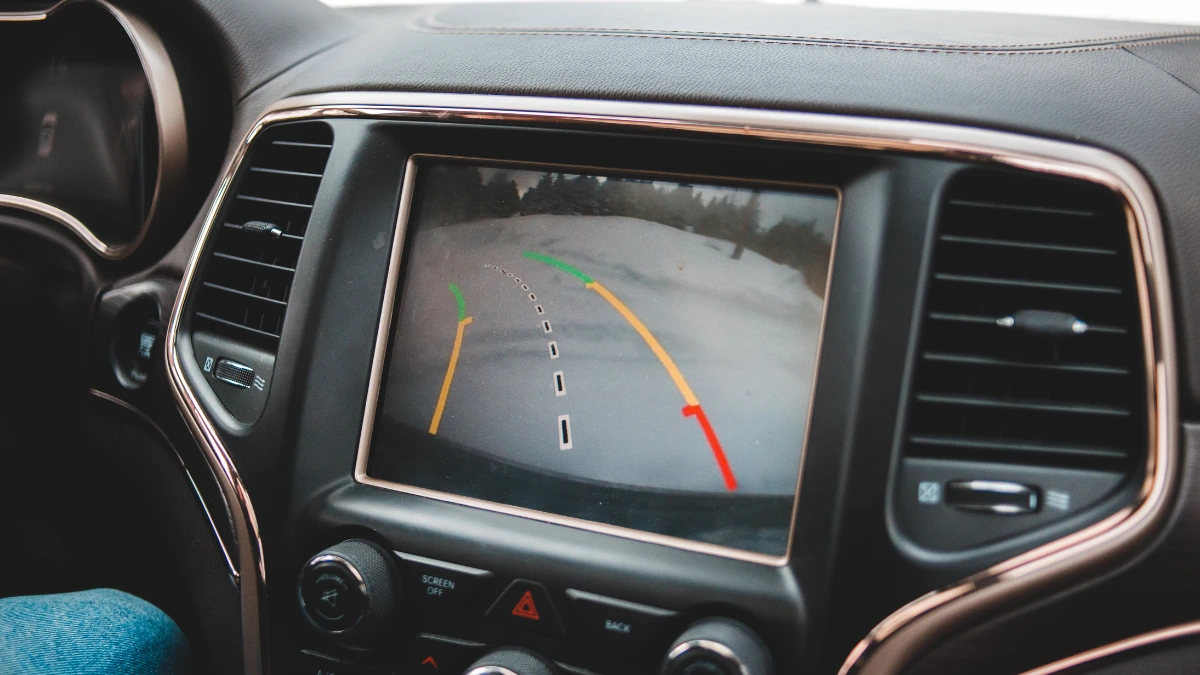
    Double din head units have larger dimensions and more complex features, such as integration with a reversing camera, navigation, and steering wheel controls.

    This is what makes the double din head unit installation process more difficult and requires adjustments to the car dashboard, especially if your car previously used a single din head unit.

    In some cases, incorrect or non-standard installation can cause problems with the car’s electrical system. Sometimes, it is necessary to modify the dashboard which takes additional time and costs.

    3. More expensive prices

    Double din head units are generally more expensive because they have large screens and advanced features. High prices especially apply to models with the latest technology.

    You need to consider the disadvantages of a double din car head unit in terms of price, especially if you have a limited budget or don’t need all the advanced features available on a double din head unit.

    These are the advantages and disadvantages of double din head units that you can consider before choosing to use them. Hopefully, this helps you in determining the entertainment services you will enjoy in your car. [UN]

  • Learn How Double Din Head Unit Work and Its Features

    Learn How Double Din Head Unit Work and Its Features

    The head unit is one of the key components in a car entertainment system that serves as the control center for various multimedia features in the car. Double din head unit is a commonly used type of head unit.

    Although you often use multi-media features in your car, are you familiar with the term double din head unit?

    This article reviews the double din head unit from the definition, and how it works, to the excellent features that you can enjoy in your car.

    What is Double Din Head Unit?

    Double Din Head Unit Explained Everything You Need to Know 2

    It is called a double din head unit because it refers to the standard size of the head unit. A double din head unit is about 4 inches (10 cm) tall and about 7 inches (18 cm) wide.

    With its large size, the head unit double din offers more space for the screen and is equipped with a touch screen feature. Not only that, the double din head unit has additional features such as GPS navigation, and more advanced connectivity.

    How it Work?

    Double Din Head Unit Explained Everything You Need to Know 3

    To understand how a car audio circuit works, it’s important to look at how the audio signal is processed and sent through the various components. This process starts from the audio source and ends at the speakers that produce the sound. Here are the steps that take place in the working process of a car audio circuit:

    • Audio Source: The audio source comes from devices such as a radio, CD, Bluetooth, or USB port. These audio signals are sent to the head unit for further processing.
    • Signal Processing in the Head Unit: The head unit processes the audio signals from the sources to improve the sound quality. This process includes equalizer settings, noise reduction, and signal optimization.
    • Signal Amplification at the Amplifier: The amplifier amplifies the audio signal from the head unit and ensures that the sound produced is clearer, stronger, and less distorted.
    • Signal Distribution to Speakers and Subwoofer: The amplified audio signal is sent to the speakers and subwoofer to create a balanced and immersive listening experience.
    • Sound Generation by Speakers: Speakers convert audio signals into audible sound waves. The quality of the speakers and their placement affect the clarity and detail of the sound produced.
    • Bass Generation by Subwoofer: Subwoofers process low frequencies to produce deep, powerful bass. Good bass adds dimension and power to the music being played.
    • Car Audio Suite Settings and Adjustments: Users can adjust audio settings using the equalizer on the head unit or amplifier to get the desired sound quality.

    The Features

    Double Din Head Unit Explained Everything You Need to Know 4

    1. Bluetooth feature

    In the past, if you wanted to listen to songs or audio from any device, you needed an AUX cable to tune in. Now the Bluetooth feature can connect your mobile phone with the head unit. Thus, you can tune your favorite songs in your car directly from your phone without any cables.

    2. Screen features

    Double din head unit is usually equipped with a touchscreen feature. In addition, the head unit screen can now assist you in parking your car by displaying the rear camera view of the head unit. You can also mirror your phone screen to the head unit screen.

    3.  Control features on the steering wheel

    If you previously had to remove the steering wheel to control the car audio system, now you don’t have to bother doing so. The steering wheel is now equipped with an audio system control feature.

    That’s the review of the double din head unit from understanding, how it works, and the features you can enjoy. By choosing the right head unit, you can enjoy an in-car entertainment experience that is pleasant enough to accompany your trip.

    If you are a double din head unit distributor looking to enter the ASEAN market, using type approval service is a necessary step. With their expertise and credibility, the certification process will be easier and faster. For the smooth running of your business, don’t hesitate to utilize their services! [UN]

  • Direct vs Indirect TPMS: The Ultimate Comparison Guide

    Direct vs Indirect TPMS: The Ultimate Comparison Guide

    Tire Pressure Monitoring System (TPMS) has two main types based on how it works: direct and indirect TPMS. Of course, direct vs indirect TPMS has its own comparisons and differences.

    The obvious difference between direct vs indirect TPMS in how it works is that direct TPMS sends real-time sensor data, while indirect TPMS is calculated by using the ABS (Anti-lock Braking System) and ESP (Electronic Stability Program) first.

    This article will inform you about direct vs indirect TPMS, from the difference in how it works to the comparison between the two.

    How Direct vs Indirect TPMS Works

    There are two main types of Tire Pressure Monitoring System based on how it works:

    Direct TPMS

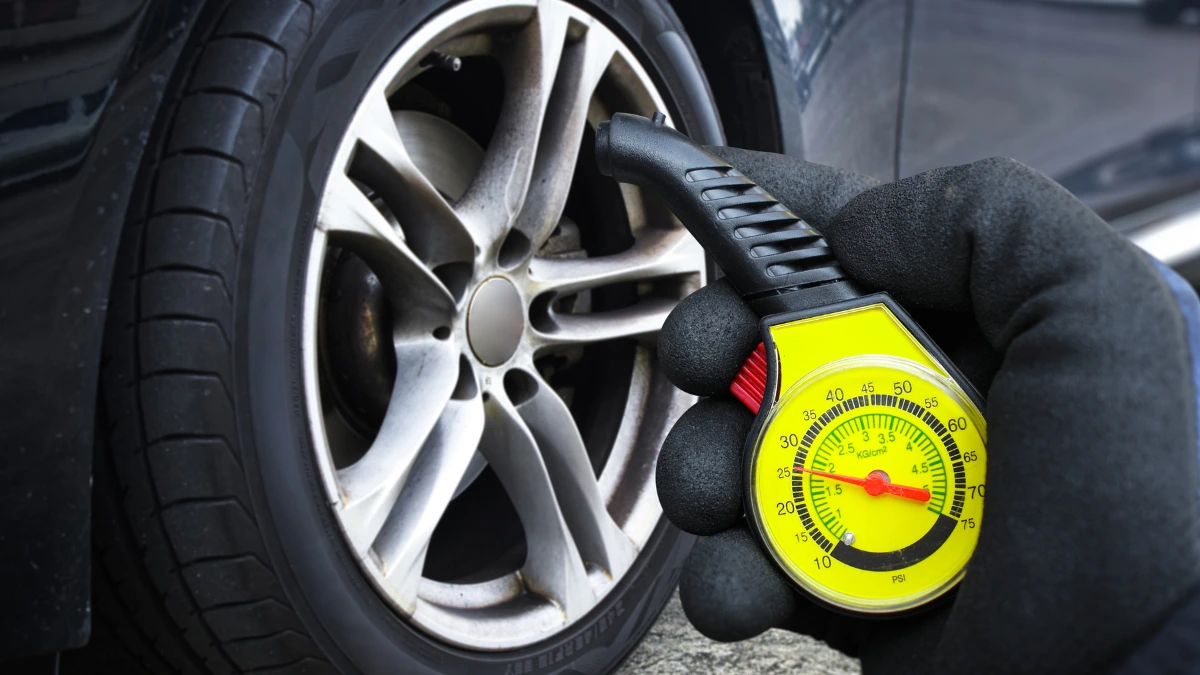
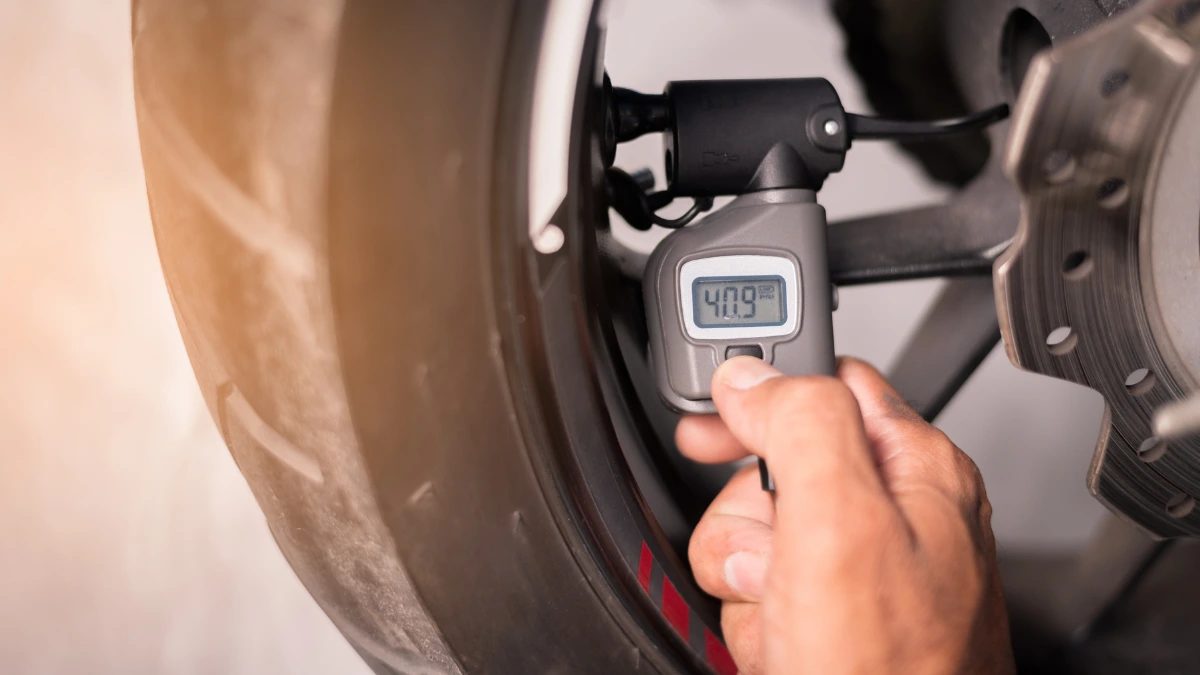
    Direct TPMS uses pressure sensors mounted on each tire to measure air pressure directly. It sends pressure and temperature data to the control unit in the vehicle. If there is a significant change, the system will give a warning.

    Indirect TPMS

    Indirect TPMS does not measure air pressure directly. Instead, it uses wheel speed sensors integrated with the vehicle’s ABS to monitor the difference in rotation speed between the tires.

    If one tire rotates faster than the other, this could be an indication of low pressure, and the system will give a warning.

    The Differences of Direct vs Indirect TPMS

    In general, the difference between the two types of TPMS is that direct TPMS obtains pressure data directly from the tires, while indirect TPMS estimates tire pressure. Here are the differences between direct vs indirect TPMS:

    ComparisonDirect TPMSIndirect TPMS
    How it worksPressure sensors in each tire monitor pressure levelsWheel speed sensors measure how fast tires are rotating
    AccuracyMore accurate, usually within 1 psiLess accurate, may not detect pressure loss in all conditions
    MaintenanceSusceptible to damage during mounting/demountingRequires less programming and maintenance
    CostMay be more expensive than indirect TPMSMay be less expensive than direct TPMS

    Direct or Indirect TPMS: Which Does Your Car Have?

    The choice of TPMS type is determined by the manufacturer. Typically, the system is tailored to the vehicle’s intended use.

    Direct TPMS is used for accurate, real-time pressure readings. However, vehicles equipped with this system are usually priced slightly higher. Indirect TPMS, on the other hand, offers slightly lower accuracy but comes at a lower cost.

    The decision will depend on whether the manufacturer prioritizes accuracy or lower cost and simpler maintenance. 

    Those are the differences and comparisons between TPMS systems that you need to know. By understanding the differences between direct and indirect TPMS systems, we hope this will help you choose the right system for your vehicle.

    For your information, TPMS systems used in vehicles must first obtain type approval certification before they can be marketed in many countries. This is because TPMS systems use sensors to wirelessly transmit pressure and temperature data to the vehicle’s control unit.

    The devices must comply with specific standards and regulations regarding radio frequency usage. If you are a manufacturer or distributor looking to market TPMS products to new markets, we are ready to assist you in obtaining the necessary type approval certification.

  • The 5 Benefits of TPMS Explained: How It Enhances Your Driving Experience

    The 5 Benefits of TPMS Explained: How It Enhances Your Driving Experience

    The many benefits of TPMS or Tire Pressure Monitoring System as an air pressure monitor in your vehicle’s tires by utilizing sensors are often found today.

    One of the benefits of TPMS is that it provides a warning sign when the tire pressure is not by the specified standard.

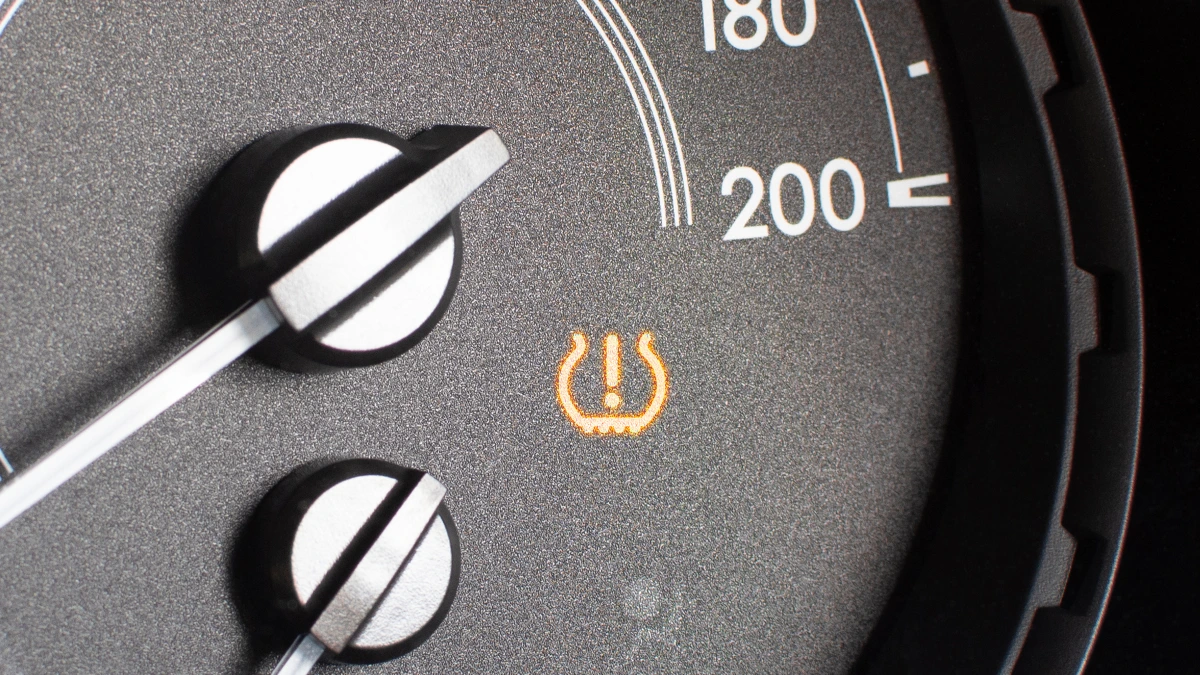
    This system allows the driver to immediately see and know the problems that occur while in the cabin through warnings that usually appear in the form of indicator lights on the instrument panel are other benefits of TPMS that you can enjoy.

    If you are still considering TPMS technology, this article will help you to explain the benefits of TPMS to enhance your driving experience.

    The Benefits of TPMS

    The 5 Benefits of TPMS Explained How It Enhances Your Driving Experience 2

    TPMS has a few imperative benefits that make it basic for secure driving. Here are the benefits of TPMS:

    1. Automated and real-time monitoring

    The computerization and real-time nature of TPMS kill the requirement for manual tire weight checks, sparing time and assets. This is especially useful in expansive armadas where such manual checks would be time-consuming and seem still inclined to human error.

    2. Enhanced safety

    Proper tire expansion is pivotal for vehicle security. Under-inflated or over-inflated tires can lead to uneven tire wear, decreased footing, and possibly perilous blowouts.

    By ceaselessly observing tire weight, TPMS alarms drivers and armada supervisors to potential security issues some time recently they ended up unsafe.

    Consider a situation where an armada vehicle is on a long-haul conveyance amid a heatwave; real-time TPMS information may caution the driver to a potential blowout hazard due to rising tire weight, permitting opportune preventive action.

    3. Prolonged tire life

    Only the best tire well-being checking framework expands the life expectancy of tires by guaranteeing that wear is indeed and that the chance of harm is minimized.

    For armada administrators, this implies decreasing the recurrence of tire substitutions and, thus, bringing down operational costs.

    Envision a situation where, without TPMS, a vehicle routinely runs with slight under-inflation, causing untimely wear. Over time, this may require numerous superfluous tire substitutions over the fleet.

    4. Improved fuel efficiency

    One of the most prompt benefits of keeping up ideal tire weight is way better fuel economy. Under-inflated tires increment rolling resistance, which in turn requires more fuel to keep up the same speed.

    For an armada, indeed a little rate change in fuel effectiveness can be interpreted to critically take a toll on investment funds.

    For occurrence, a coordination company working an armada of 100 trucks can considerably diminish its yearly fuel consumption essentially by guaranteeing all tires are appropriately inflated.

    5. Environmental benefits

    By progressing fuel effectiveness and decreasing tire wear, TPMS in a roundabout way benefits the environment. Less tire substitutions cruel less elastic squander, and superior fuel proficiency interprets to lower carbon emanations.

    These natural benefits adjust with the developing accentuation on economical hones inside the coordinations and transportation businesses.

    The Drawback of TPMS

    The 5 Benefits of TPMS Explained How It Enhances Your Driving Experience 3

    Whereas TPMS systems offer a few benefits, there are a few potential downsides to consider. Here are the drawbacks of TPMS:

    1. Training and adaptation

    Fleet faculty may require preparation to viably utilize TPMS and decipher its information. Also, there’s a period of adjustment where drivers and armada directors learn to believe and act upon the system’s cautions or maybe manual reviews.

    2. Technology limitations

    Depending on the framework, there might be impediments in the precision or opportuneness of the information given.

     In a few occurrences, TPMS notices can be activated by brief natural variables or maybe genuine tire issues, driving to wrong alerts..

    3. False alerts and sensor reliability

    TPMS sensors, if not chosen the best, can now and then create wrong alerts, showing a weight issue when there is none or falling flat to caution to a genuine weight drop.

    These unwavering quality issues can lead to pointless downtime or, more awful, a wrong sense of security. Sensor solidness in unforgiving driving conditions can too change, with a few armadas finding that sensors require supplanting more habitually than expected.

    4. Initial setup and maintenance costs

    Implementing a TPMS over an armada requires a beginning venture in the innovation itself and the potential adjustment of existing vehicles not prepared with such frameworks. Furthermore, sensors and recipients can require upkeep or substitution, including operational costs.

    5. Maintenance

    Keeping a TPMS working accurately requires normal upkeep, which can include operational costs. Sensors might require substitution due to battery life limits or harm, and the framework program may require upgrades.

    This progressing support can contribute to a higher add-up to take a toll on proprietorship for the armada vehicles. So, contribute to the best tire weight-checking program to diminish the toll of upkeep.

    By knowing the benefits of TPMS you can enhance your driving experience. And, by knowing the drawbacks of TPMS you can consider whether TPMS is the right system for your vehicle’s needs or not.

  • What is TPMS? Learn How it Work and Its Function

    What is TPMS? Learn How it Work and Its Function

    Along with technology development, the TPMS (Tire Pressure Monitoring System) is designed for vehicle safety.

    TPSM comes as an answer to the need for regular tire pressure checks that affect vehicle performance and can also be one of the causes of road accidents due to reduced or non-ideal air pressure in the tires.

    This is where TPSM comes in as an electronic system that indicates and monitors the air pressure inside all pneumatic tires on a vehicle. This system provides a real tire pressure report to the driver either through the screen or other warning lights.

    To know more about TPSM, let’s take a look at the definition, workings, functions, and types.

    Tire Pressure Monitoring Systems (TPMS) Definition

    Tire Pressure Monitoring Systems (TPMS) Explained Everything You Need to Know 2

    TPMS is Tire Pressure Monitoring System. A sophisticated technology that monitors the air pressure in your vehicle’s tires by utilizing sensors.

    This system will immediately provide a warning sign when the tire pressure is not by the specified standard.

    This system allows the driver to immediately see and know the problem that occurs while in the cabin through warnings that usually appear in the form of indicator lights on the instrument panel.

    How it Works?

    Tire Pressure Monitoring Systems (TPMS) Explained Everything You Need to Know 3

    TPMS works by using sensors mounted on each tire. These sensors measure the air pressure and temperature inside the tire and then send the data to the vehicle’s main computer.

    The TPMS sensor then works by providing a light indicator on your car’s dashboard MID to indicate that your tires are underinflated, which will lead to improper tire wear.

    There are two main types of TPSM based on how it works:

    Direct

    Direct TPSM provides pressure information that is sent back in real-time via tire pressure sensors in the tire or valve. This information is sent to the on-board computer for display on your dashboard.

    Indirect

    Indirect TPSM works by measuring tire pressure calculated by the Tire Pressure Monitoring System based on wheel rotation speed, which is also used by ABS (Anti-lock Braking System) and ESP (Electronic Stability Program).

    The rotation speed increases when the wheel diameter decreases due to under pressure. The information is then sent to the dashboard by the TPMS.

    The Function

    Tire Pressure Monitoring Systems (TPMS) Explained Everything You Need to Know 4

    The main function of the car TPMS is to monitor all car tires. By knowing the tire pressure, the owner can find out the condition of the car tires more quickly if there is a problem. Here are some functions of the TPSM:

    • Improve safety:  By knowing the tire pressure condition in real-time, you can immediately take precautions before something more serious happens, such as a tire burst in the middle of a trip.
    • Extends tire life: With TPMS, you can keep tire pressure consistent and within standards, so tires will wear evenly and have a longer lifespan, and ensure tires are always at their best for optimal performance.
    • Save fuel: With TPSM, you can ensure tire pressure is always within the optimal range, which helps reduce friction and improve fuel efficiency, reducing the frequency of refueling.
    • Reduced carbon emissions: Efficiency in fuel consumption results in reduced carbon emissions. Thus, the use of TPMS contributes to environmental conservation by reducing the carbon footprint of your vehicle.
    • Saves maintenance costs: TMPS is able to detect problems early on so that you can take preventive action before more severe damage occurs to your tires, thus helping to save on overall maintenance costs.

    Knowing how TPSM works, types, and functions, hopefully can help you choose the right system for your vehicle’s needs.

    If you are a TPMS device distributor looking to enter the ASEAN market, utilizing our services is a crucial step. Thanks to our expertise and credibility, the certification process becomes faster and easier. To ensure your business runs smoothly, do not hesitate to use our services! [UN]