
Argentina Type Approval Summary
Argentina represents a mature Information and Communications Technology (ICT) market, boasting high broadband penetration rates and one of the highest numbers of tech unicorns per capita in Latin America. Spanning an area of 2,780,400 km2 with a population of approximately 46.6 million, it is the second-largest country in South America and the eighth-largest globally.
This presents its own challenges in terms of uneven coverage across the country. However, according to Mordor Intelligence, the value of Argentina’s telecommunications market is estimated to reach USD 6.19 billion by 2026 and is projected to grow to USD 7.96 billion by 2031, with a compound annual growth rate (CAGR) of approximately 5.18%.
This makes Argentina a telecommunications market that cannot be overlooked. It is crucial for manufacturers and importers to understand the applicable local product compliance requirements before marketing telecommunications devices there. The compliance authority is known as “ENACOM.”
ENACOM stands for Ente Nacional de Comunicaciones, translated as National Communications Entity. It is the official Argentine government authority responsible for overseeing the electronic communications sector, enforcing technical standards, managing radio spectrum, and issuing type approval certifications.
To open the door to marketing and selling telecommunications products in Argentina, obtaining ENACOM type approval certification is key. This paves the way for seamless access to new markets in South America.
Who Can Be an Applicant?
- Local representative
- Required
The certificate holder must be a local company registered with ENACOM and the HERTZ platform. The certificate holder cannot be a foreign manufacturer or company.
Application Method
- In-country testing
- Depends on product
- Paperwork only
- Depends on product
In-country testing is required. For certain products, such as cellular, radar, and satellite, ENACOM accepts test reports from laboratories accredited by the FCC, CE, or similar international regulatory bodies.
The local partner must prepare all required documents before submitting them via the official ENACOM platform. If local testing is required, they also need to prepare the samples.
Here is the certification process:
1. Prepare all documents
2. Obtain the test report (if local testing is required) and include it in the list of documents
3. Submit all documents via the ENACOM platform
4. ENACOM reviews the documents
5. If the application is deemed complete, ENACOM issues the certificate
Paperwork Only
Cellular, radar, and satellite interfaces do not require local testing. For these products, ENACOM will only review the RF test reports and verify the completeness of other document requirements.
Sample Requirements
Generally, most devices that require type approval certification in Argentina must undergo local testing. Testing is performed to ensure that the devices function properly and to prevent interference with other devices.
Devices must meet the technical standards specified by ENACOM. The required number of samples is one to three units.
Document Requirements
Documents Required for Certification:
- Technical brochure or datasheet
- Internal/external photos
- Block diagram and Circuit Diagram
- Proposal of labeling artwork that includes the ENACOM ID.
- User Manual in Spanish. Including wireless specification
- Test Reports: EMC, RF, SAR (If applicable)
- Argentina importer information
- Test software and SOP
- Application document form (draft will be provided)
More on Documents
Test reports are required for mobile devices, radar, and satellites. These test reports must be issued by a testing laboratory accredited by the FCC and/or CE.
Submission process
- Submission
- Online
All required documents must be submitted through the ENACOM online platform. ENACOM will then evaluate the documents. Based on this evaluation, it will decide whether the documents have passed verification or not.
A certificate will be issued if the documents pass verification. If the application does not pass verification, the documents must be corrected before being resubmitted.
Lead Time of Certification
- Lead time
- 12-14 weeks
Calculated from the time the samples arrive in the Argentina laboratory for testing and complete data.
Validity Period
- Validity
- 3 years
Applicants must renew their certificates 30 days before they expire. The validity period of the certificate after renewal is the same as that of a new certificate.
Label Requirements
- Product label
- Required
- Approval mark
- Required
- Label registration
- Required
- E-labeling
- Allowed
The marking on devices subject to registration must be made legibly, clearly visible and indelibly, allowing the use of the design that best fits the size and shape of the approved product, among the possible combinations described below.
The identification label of a registered product must contain the following information:
- RAMATEL logo
- Registration number
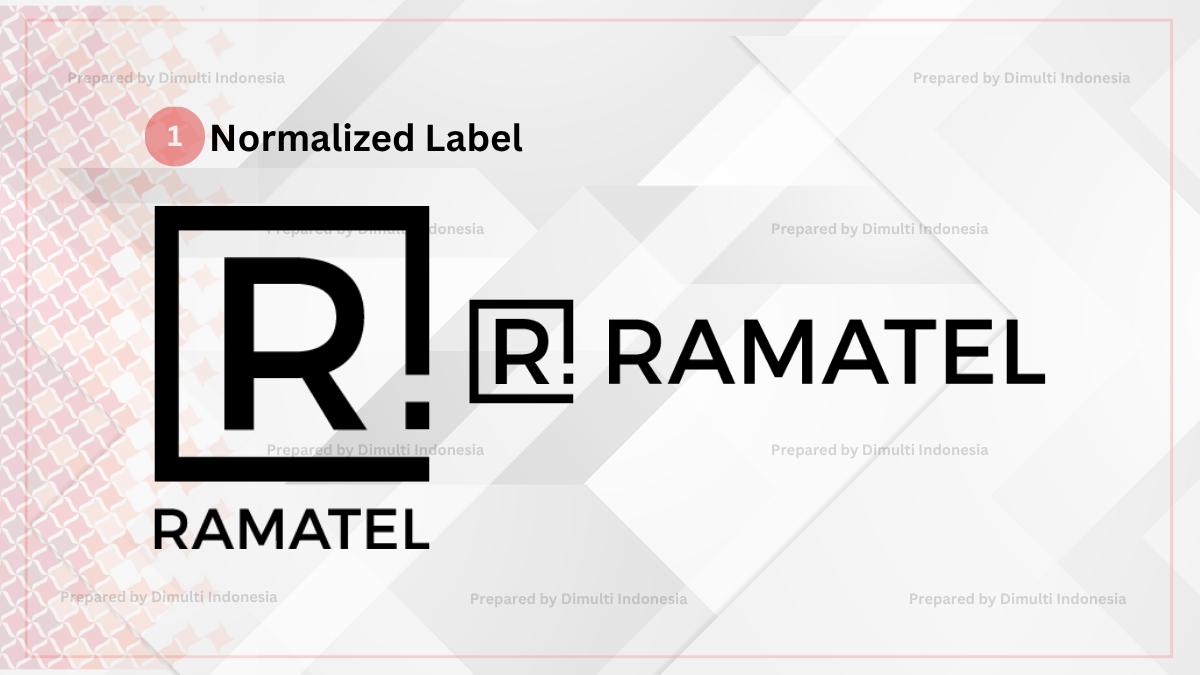
Normal Label
- Color palette: 100% black
- Typography: Montserrat Regular
- Minimum size : 10X8 mm for vertical uses and 2X2 mm for horizontal uses (just for logo)
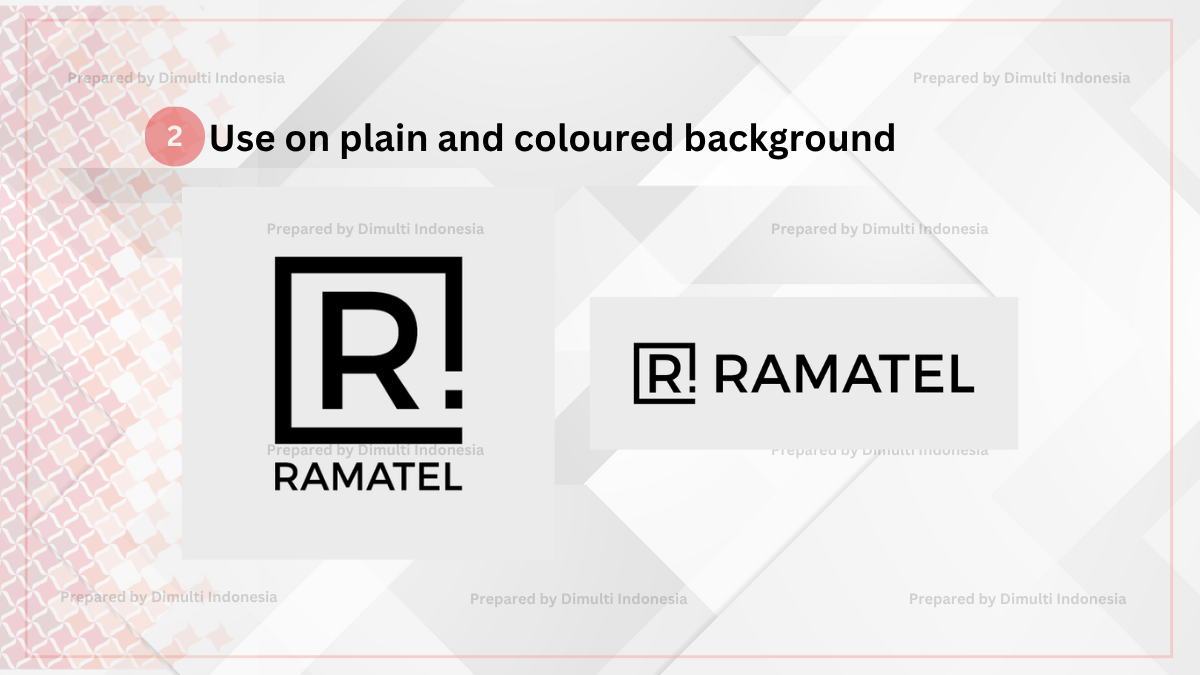
Use on Plain and Coloured Background
- Font color: 100% black
- Backgorund color: light gray (10% black)
- Typography: Montserrat Regular
- Minimum size : 10X8 mm for vertical uses and 2X2 mm for horizontal uses (just for logo)
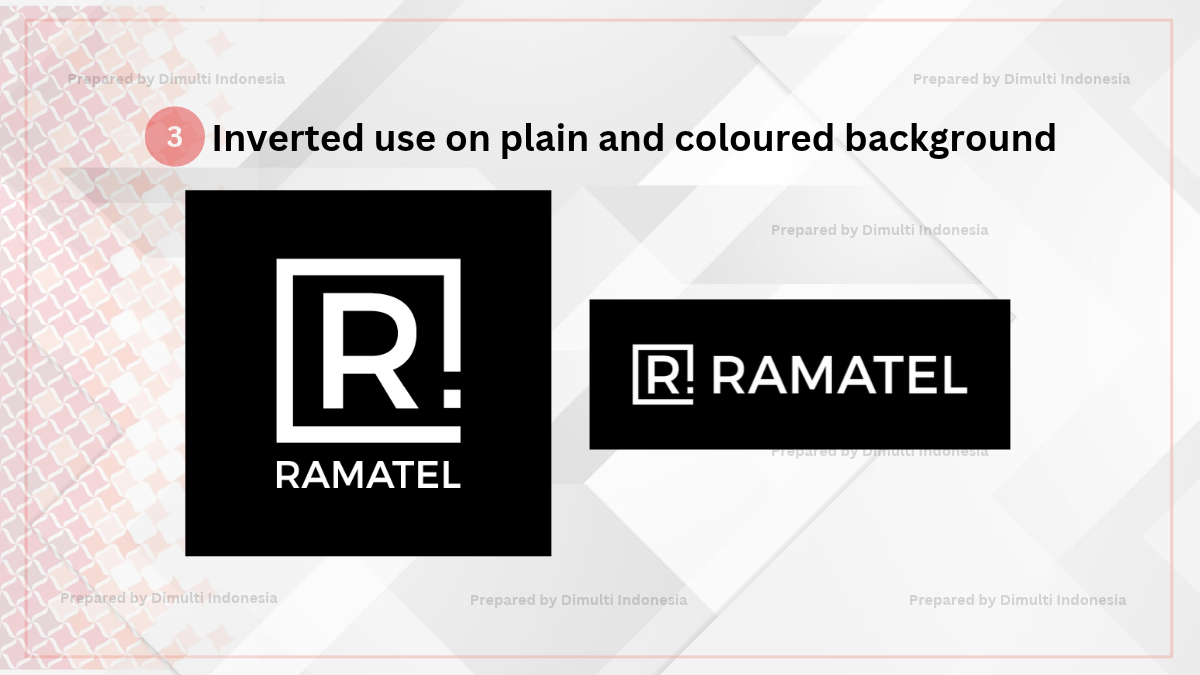
Inverted Use on Plain and Coloured Background
- Font color: 100% white
- Backgorund color: 100% black
- Typography: Montserrat Regular
- Minimum size : 10X8 mm for vertical uses and 2X2 mm for horizontal uses (just for logo)
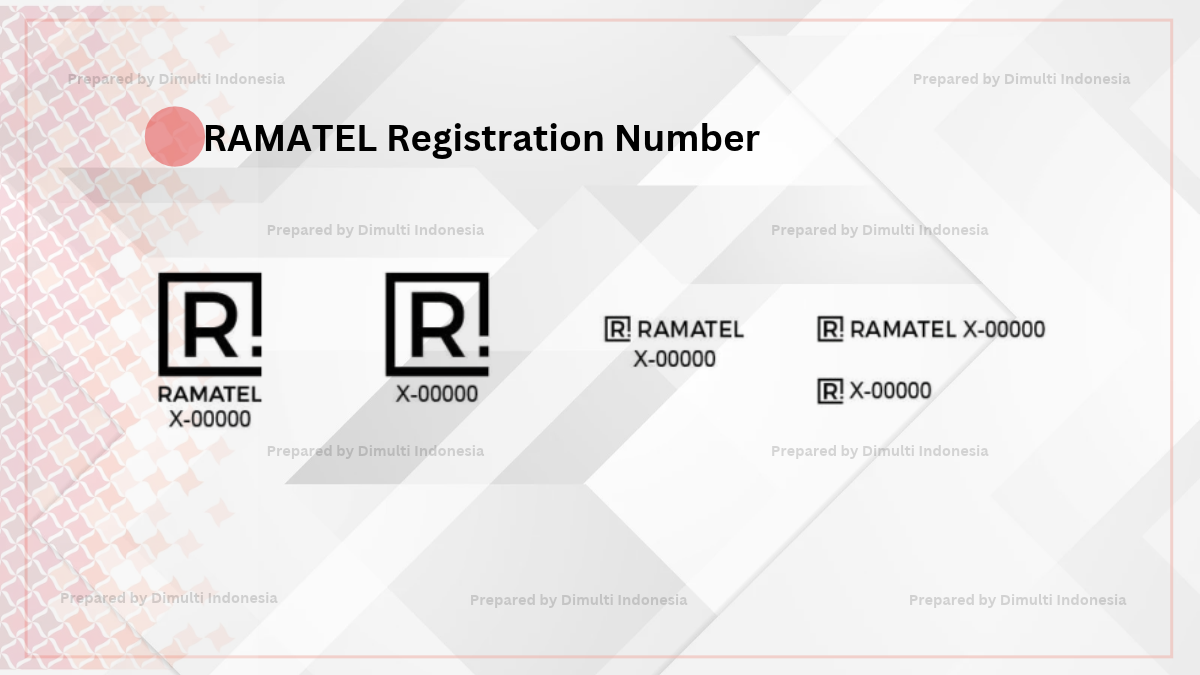
RAMATEL Registration Number
RAMATEL registration number must be placed immediately below the logo. The only possible cases in which the RAMATEL Registration number can be placed on the right are those in which the horizontal isologotype and isotype are used.
Specification:
- Font: Arial
- Height: 5 points
Other Cases:
A. Structural or Packaging Limitations
ENACOM permits labels not to be affixed directly to the product. This may be due to structural, size, or packaging constraints. However, the identification must be included in the user manual, quick start guide, and/or the relevant packaging.
B. Modular Devices
Modular devices must be labeled with their own RAMATEL registration number. The label must also be affixed to the exterior of the main device if it is not visible after the module is installed on another device.
The label on the main device must contain the RAMATEL identification information for the approved product. The label must begin with the word “CONTIENE” in a format that complies with the RAMATEL Registration Number requirements.
More on Labeling
ENACOM permits the use of electronic labeling. However, the label must be displayed on the device’s screen and meet certain requirements.
- Electronic label information must be easily accessible
- The user manual must include instructions on how to access the electronic label
- Quick start guide (or other documentation accompanying the equipment), on the packaging, and/or on the official website of the product’s manufacturer or importer.
Additionally, the label must be printed in that place with the RAMATEL isologotype and the Registration Number requirements.
Rules by Technology
Allowed, approval required
- Wi-Fi 2.4 GHz
- Wi-Fi 5 GHz
- Wi-Fi 6E (6 GHz)
- Wi-Fi 7
- Bluetooth Classic
- Bluetooth Low Energy
- NFC
- RFID
- UWB
- Zigbee
- Thread
- Z-Wave
- DECT
- 2G/3G
- 4G LTE
- 5G NR
- NB-IoT
- LTE-M
- LoRa / LoRaWAN
- Sigfox
- Automotive radar (77 GHz)
- Short-range radar (24 / 60 GHz)
- GNSS (GPS)
- Satellite communication
- Wireless charging (Qi)
- PMR / Walkie-talkie
- Amateur radio
- Passive Optical Network (PON)
- Wavelength Division Multiplexing (WDM)
- Coaxial Cable
- ISDN
- Ethernet
- VoIP
- IPv6
- Power Line Carrier
- Microwave Link
- Free Space Optics
- Digital Audio Broadcasting (DAB)
Talk to our project handler
Send your product details and we reply with the ENACOM requirements, lead time and cost.
Request a quote